Artwork
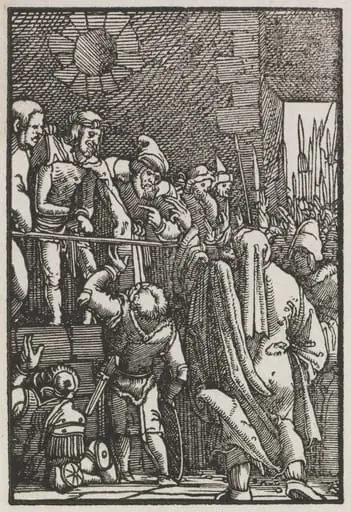
Ecce Homo
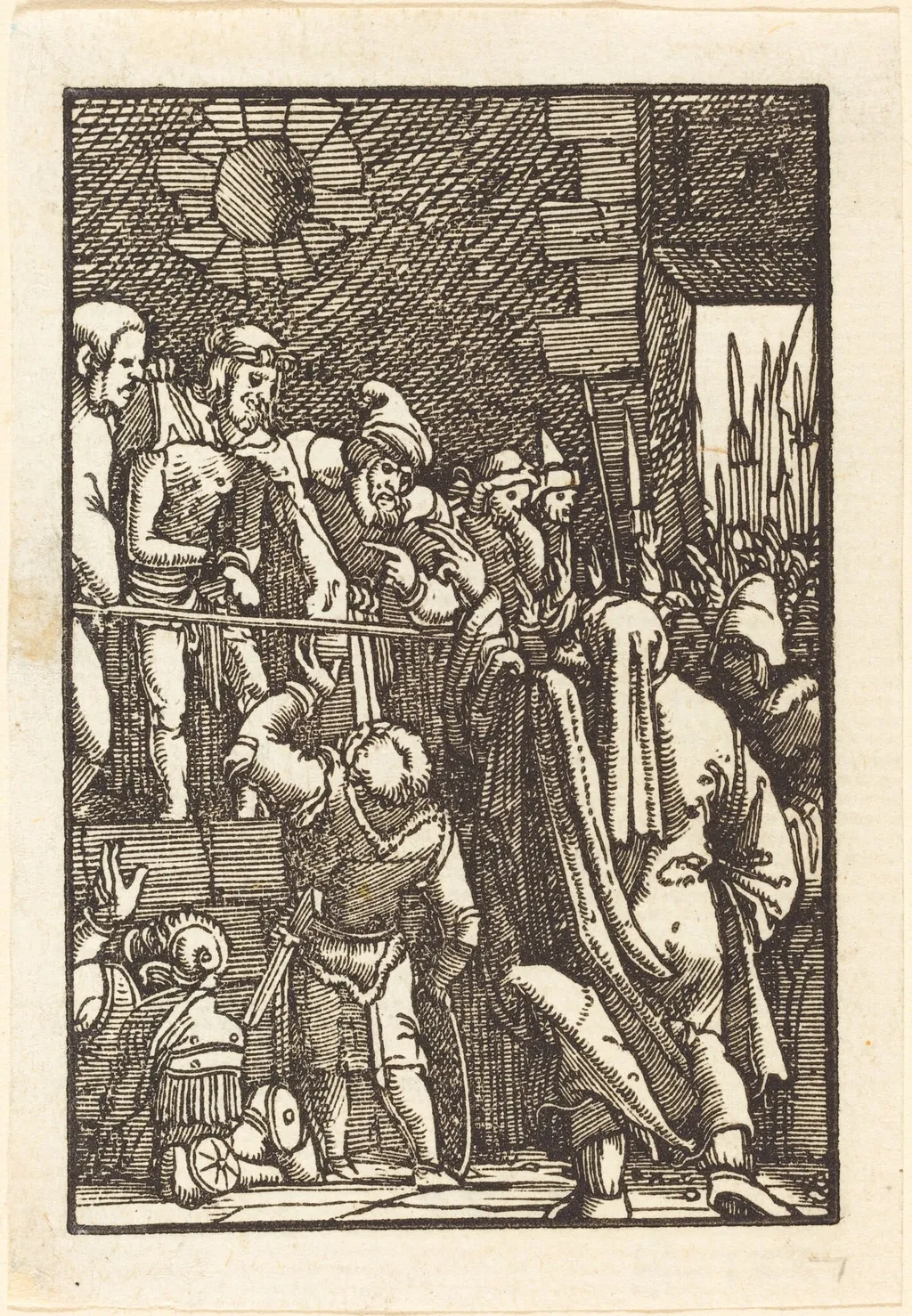
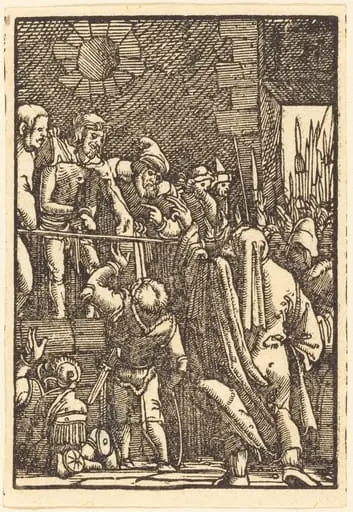
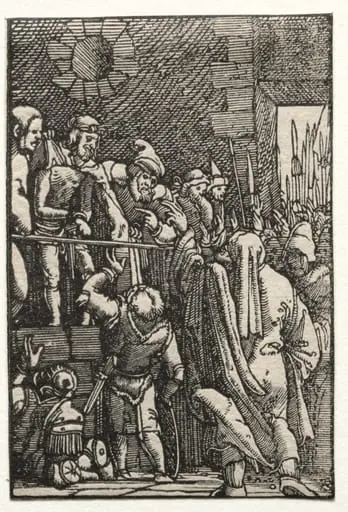
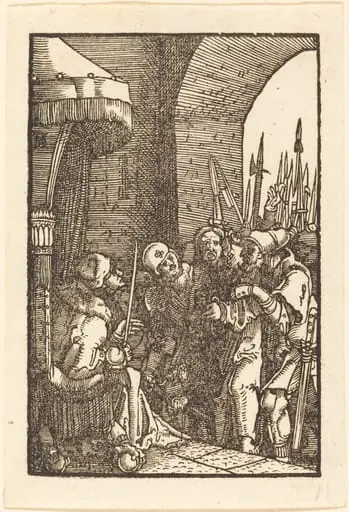
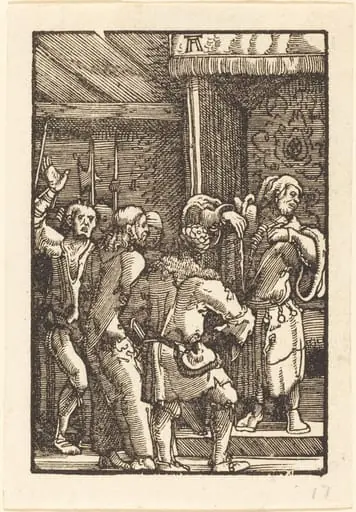
Ecce Homo is an ink print by the Renaissance artist Albrecht Altdorfer. It dates from 1513 and is held in the collection of the National Gallery of Art.
About this work
Overview
Albrecht Altdorfer's Ecce Homo is a woodcut on laid paper, created around 1513. It exemplifies the artist's work as a leading figure of the Danube School, known for expressive natural settings and innovative landscape compositions.
Subject & Meaning
The woodcut depicts a chaotic scene around a half-naked figure with a crown of thorns, identified as Jesus Christ through the title Ecce Homo, meaning 'Behold the Man'. The image conveys tension through the crowd's gestures and the dramatic atmosphere.
Technique & Style
Altdorfer employed sharp lines and dramatic contrasts to achieve a sense of turmoil. The woodcut technique, involving carved wooden blocks, allowed for bold, graphic renderings. The background's textured appearance evokes a stormy sky, while the figures are characterized by stiff, angular forms.
Artist & collection
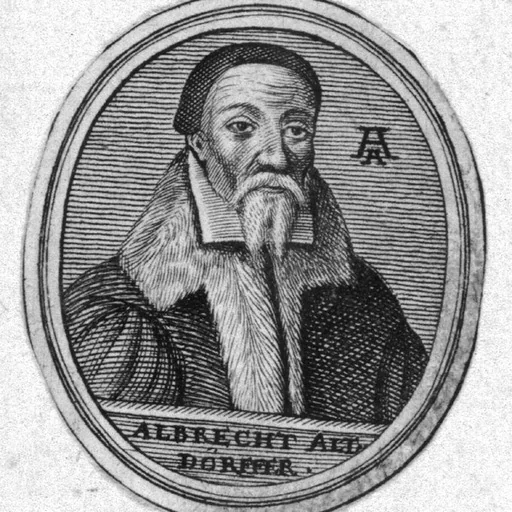
Artist
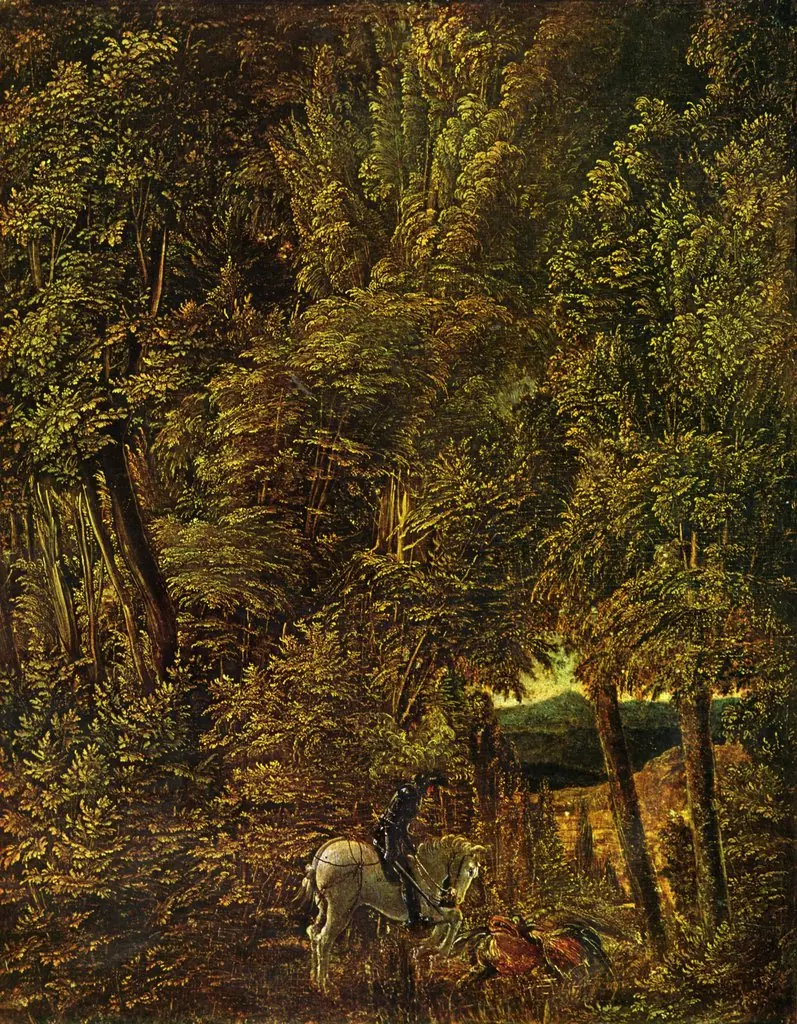
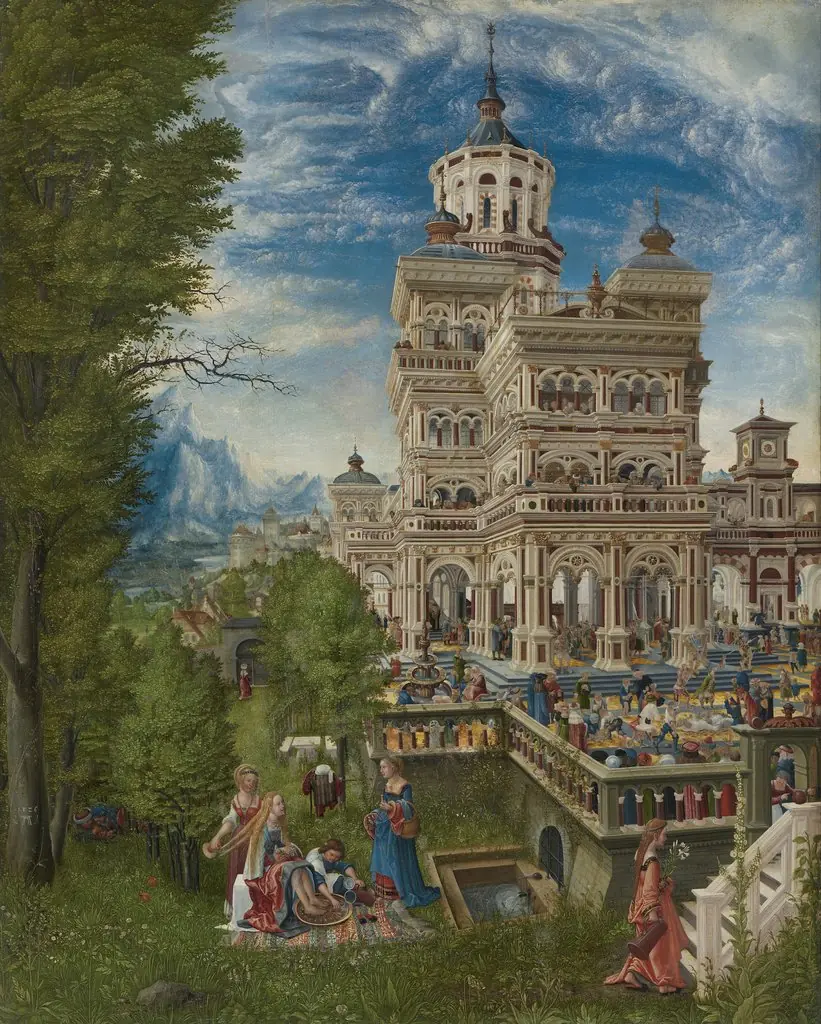
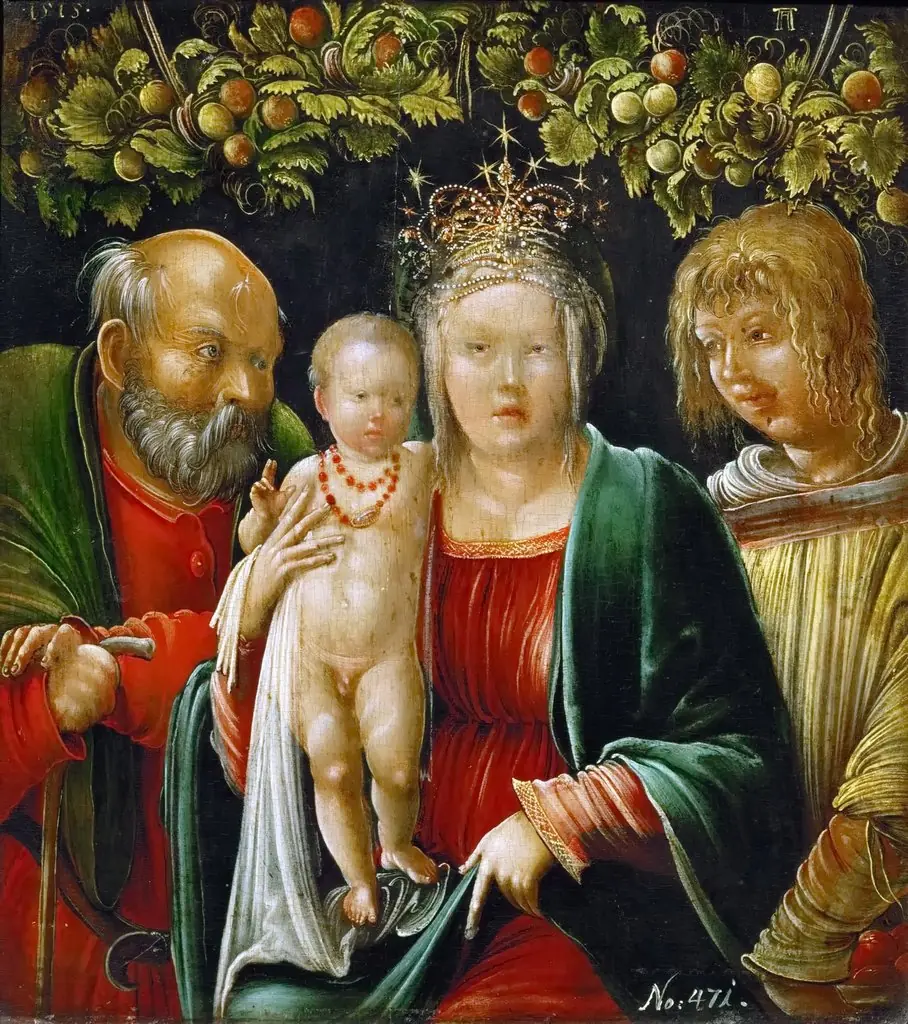
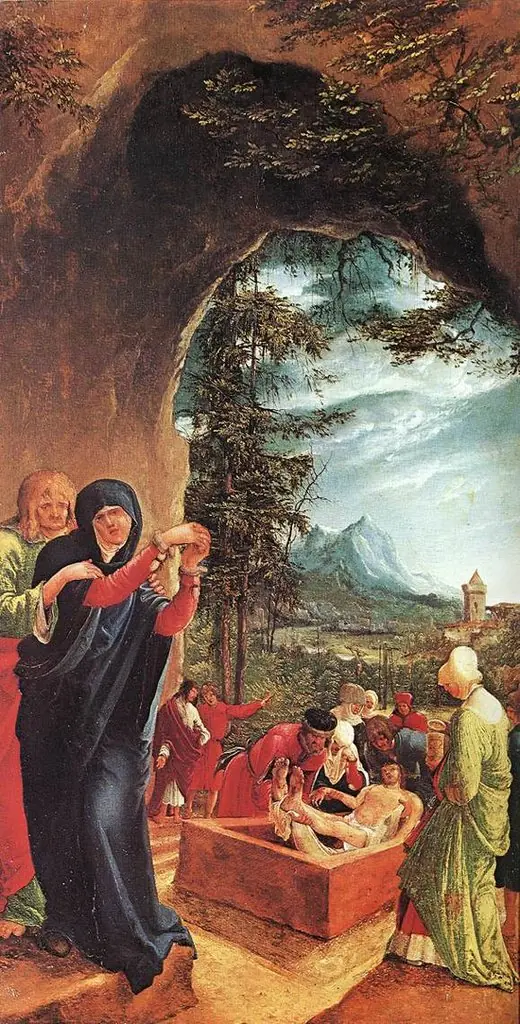
Albrecht Altdorfer (c. 1480 – 12 February 1538) was a German painter, engraver and architect of the Renaissance working in Regensburg. Along with Lucas Cranach the Elder and Wolf Huber he is regarded to be the main…