Artwork
Ein Liebespaar
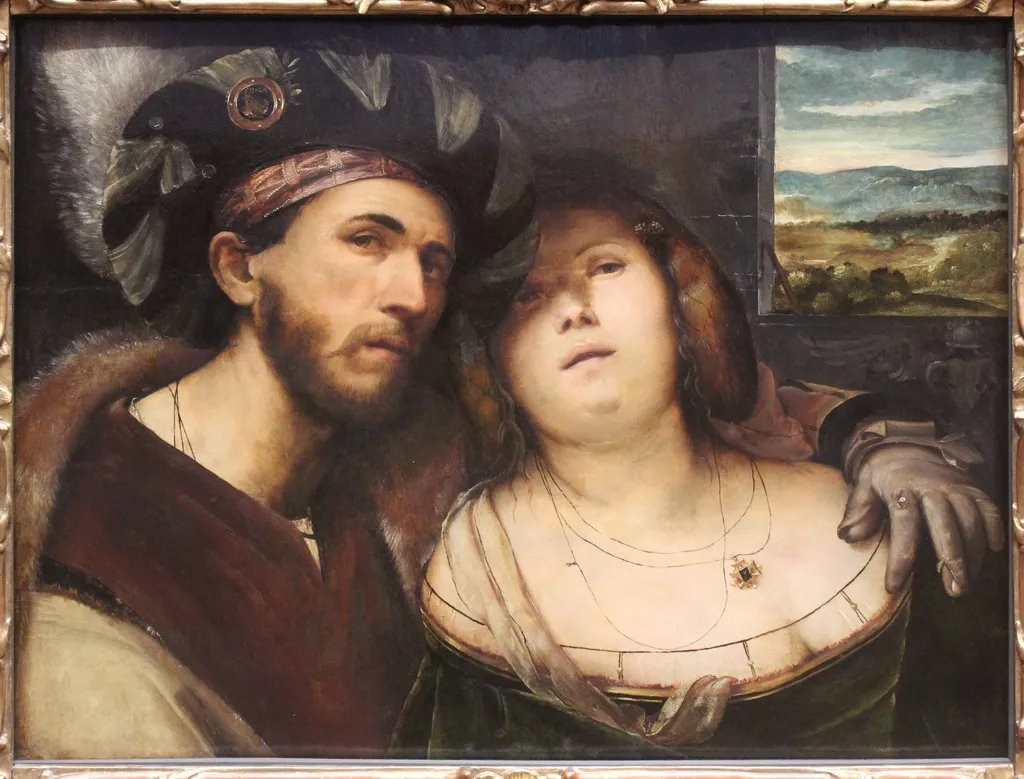
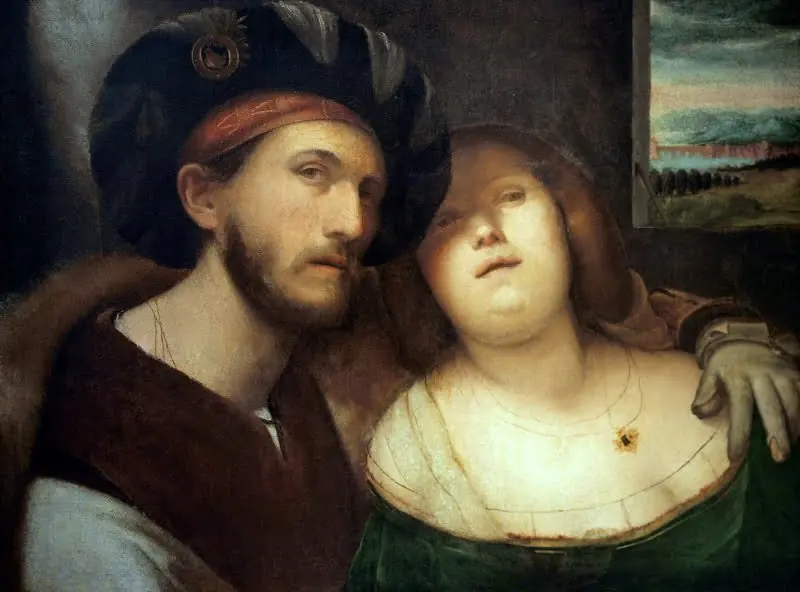
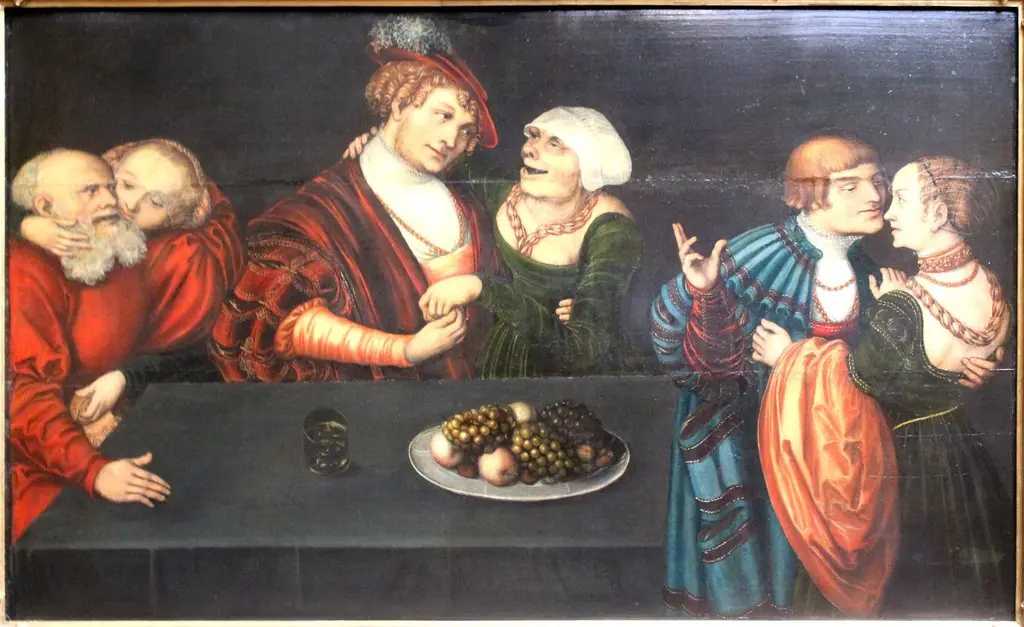
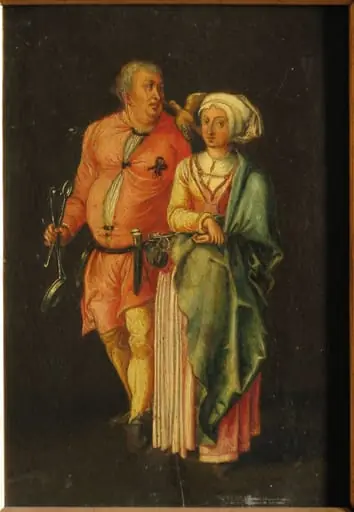
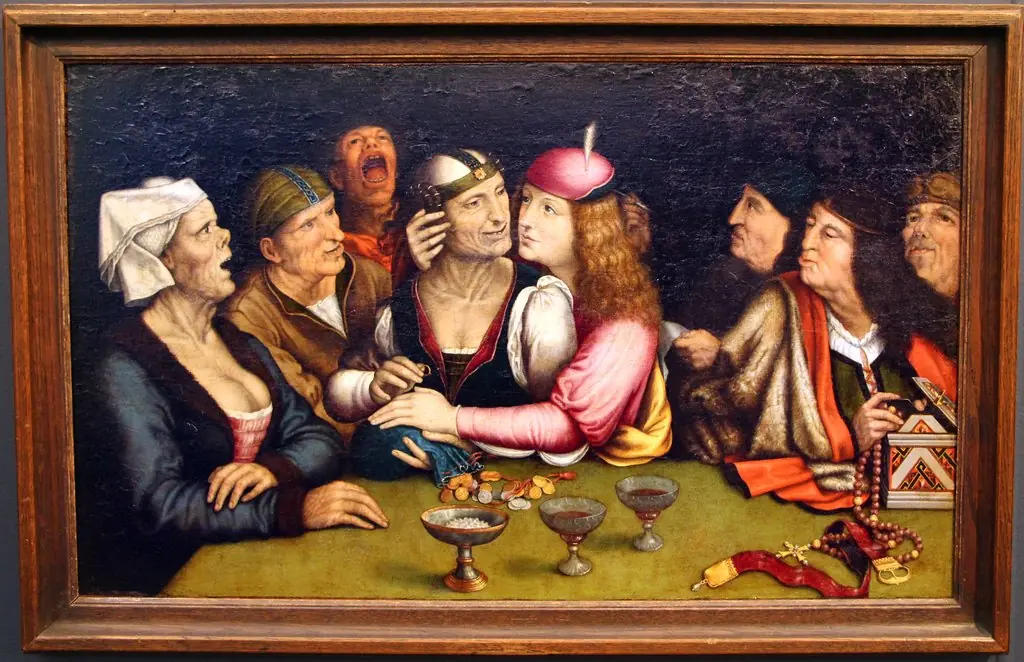
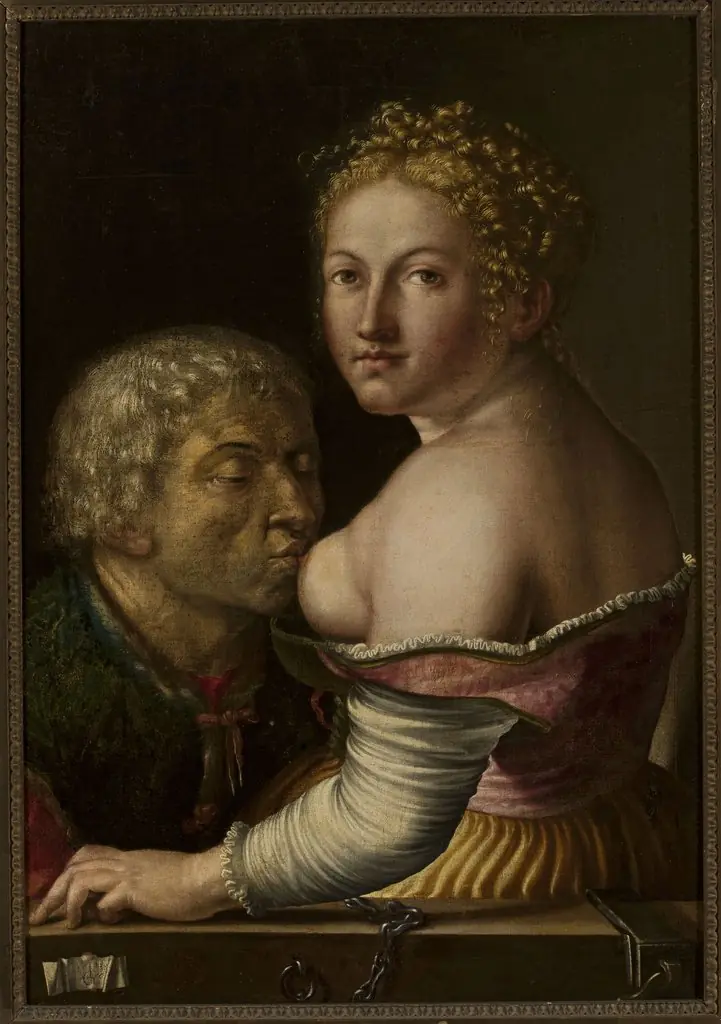
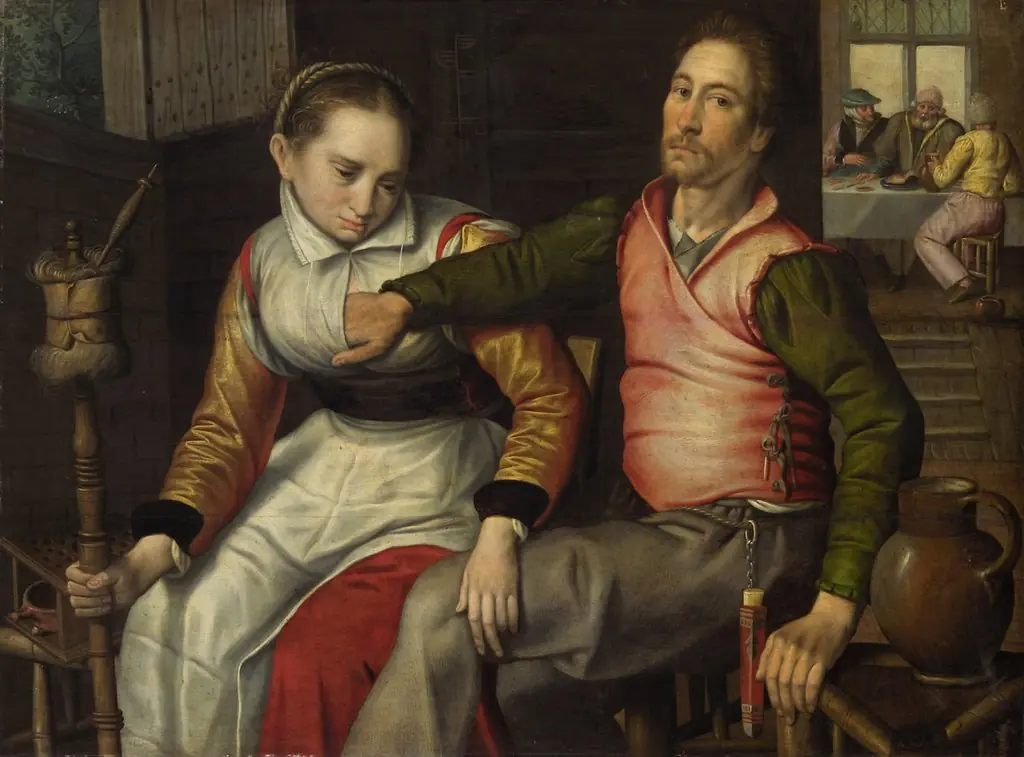
Ein Liebespaar is an oil painting by the Early Baroque Italian artist Altobello Melone. It dates from 1525 and is held in the collection of the Gemäldegalerie Alte Meister.
About this work
Overview
A faint landscape appears in the upper right, offering minimal spatial context without diverting focus from the figures.
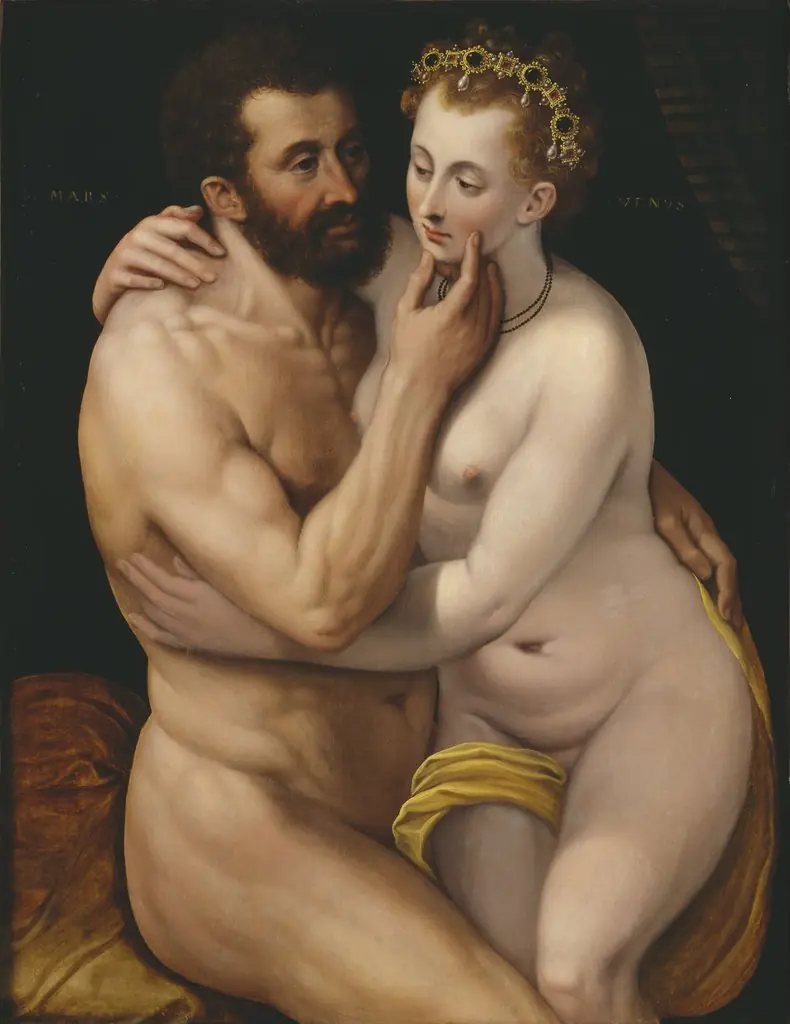
Painted in 1525 by Altobello Melone, this oil-on-panel work portrays a pair of figures in quiet proximity. It resides in the Gemäldegalerie Alte Meister in Dresden, where it is cataloged as part of the Renaissance collection. The composition centers on two individuals, rendered with restrained elegance against a deep, shadowed backdrop. A faint landscape appears in the upper right, offering minimal spatial context without diverting focus from the figures.
Subject & Meaning
The pair, likely a married or betrothed couple, are depicted with formal posture and direct gaze, suggesting social status rather than intimate emotion. The man’s dark feathered hat and crimson cloak, paired with the woman’s green gown and ornate necklace, signal wealth and refinement. Their solemn expressions and lack of overt affection imply a portrait intended to convey dignity and social identity, typical of elite commissions in early 16th-century Italy.
Technique & Style
Melone employed glazing techniques to achieve subtle tonal transitions and luminous depth in the fabrics, particularly in the woman’s dress and the man’s cape. The dark background enhances the figures’ presence through contrast, while the restrained use of color and precise brushwork reflect Lombard influences. Details like the necklace and feathered hat are rendered with careful attention, emphasizing material richness without theatricality.
History & Provenance
The painting entered the collection of the Gemäldegalerie Alte Meister in the 18th century, likely through the Saxon royal acquisitions of Renaissance art. Its attribution to Altobello Melone was solidified through stylistic comparison with his documented works from the 1520s. No earlier provenance is recorded, suggesting it may have remained in northern Italian collections before reaching Dresden.
Context
Created during the High Renaissance, the painting reflects the regional synthesis of Lombard naturalism and Venetian colorism. While Italian portraiture of the period often emphasized individual character, this work aligns with the tradition of formal couple portraits commissioned to affirm lineage and status. The somber tone and minimal setting distinguish it from more elaborate courtly portraits of the era.
Legacy
Though not widely exhibited outside Germany, the painting remains a representative example of Melone’s restrained portraiture. It contributes to scholarly understanding of provincial Renaissance practices in Lombardy, where artists blended local conventions with broader Italian trends. Its preservation in a major public collection ensures continued study of early 16th-century secular portraiture beyond major urban centers.
Artist & collection