Artwork
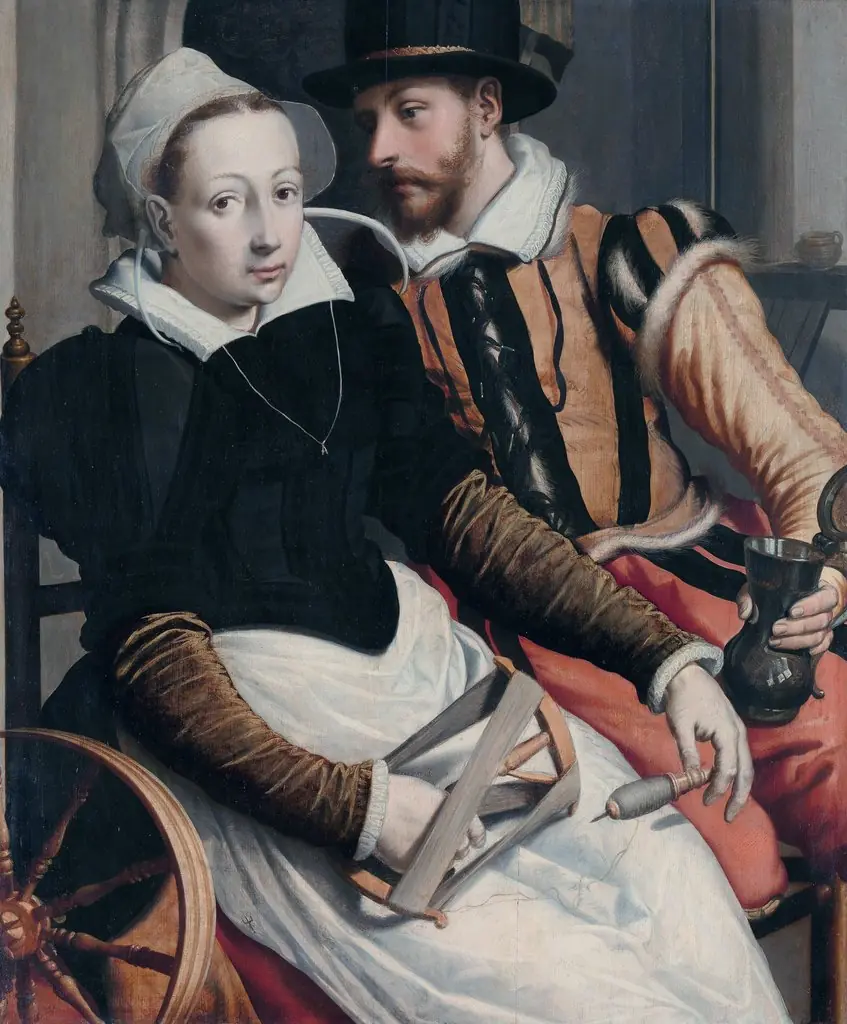
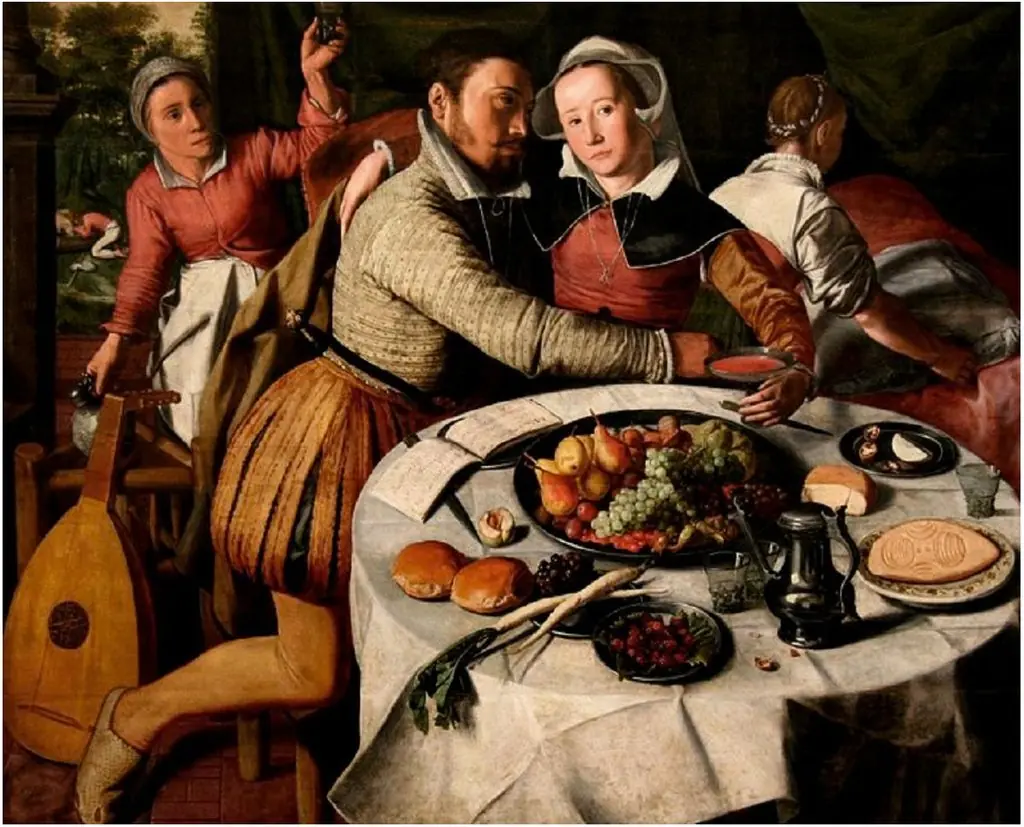
Liebespaar in der Herberge
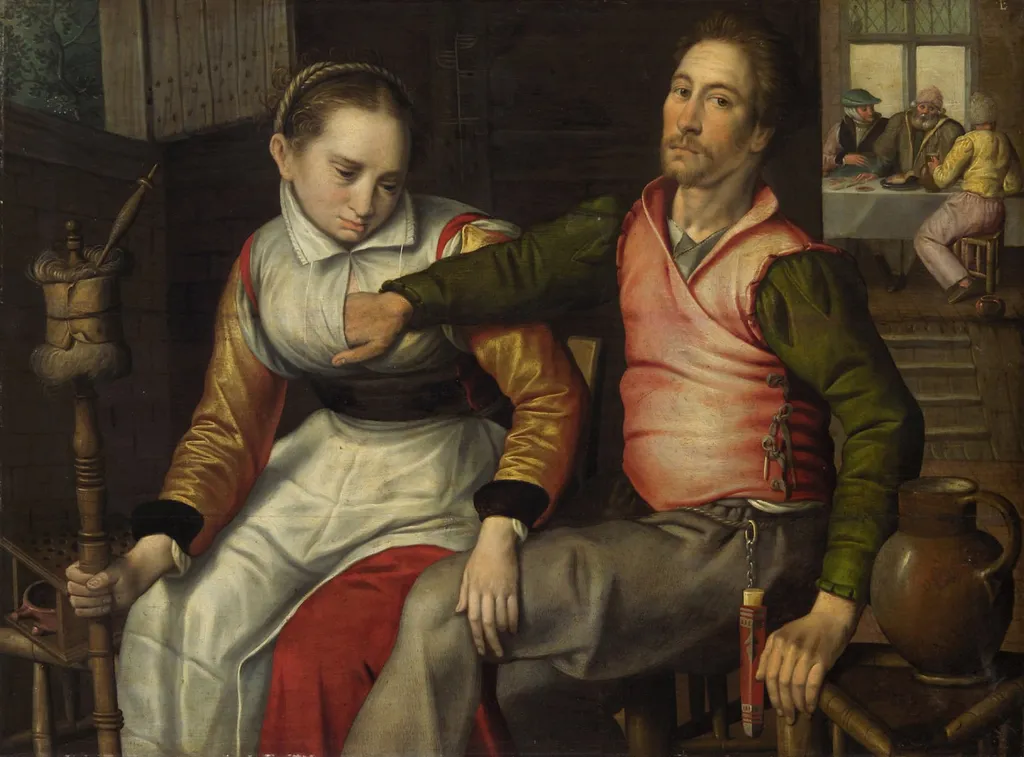
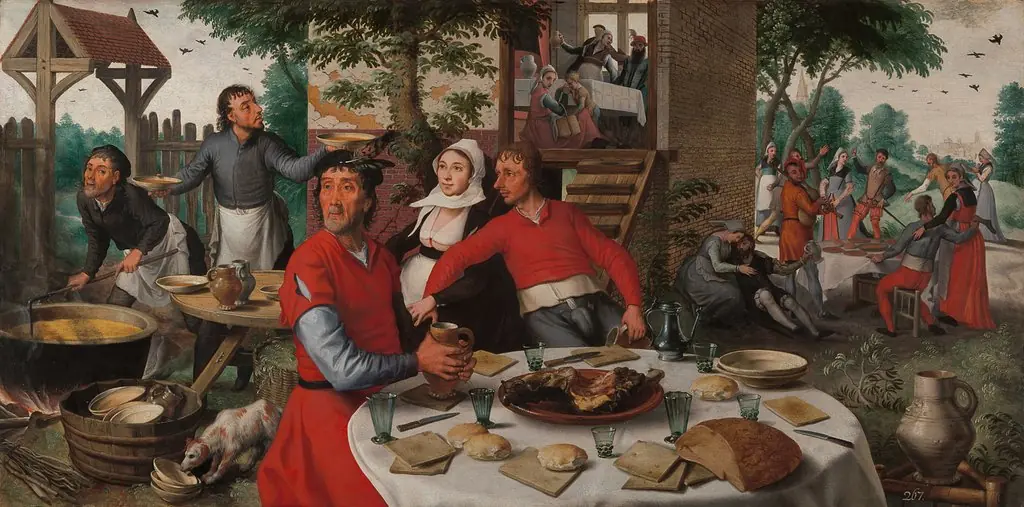
Liebespaar in der Herberge is an oil painting by the Dutch Golden Age artist Pieter Pietersz the Elder. It dates from 1594 and is held in the collection of the Kunsthistorisches Museum.
About this work
Overview
Created in 1594, this oil painting by Pieter Pietersz the Elder belongs to the Dutch genre tradition. It depicts an intimate interior scene populated by a small group of figures, rendered with careful attention to clothing and gesture. The work is part of the collection of the Kunsthistorisches Museum in Vienna, where it is displayed among other examples of late‑Renaissance Dutch art.
Subject & Meaning
The man wears a richly coloured tunic edged in green and holds a short cane, while the woman’s white collar and red sleeves suggest a modest yet refined attire.
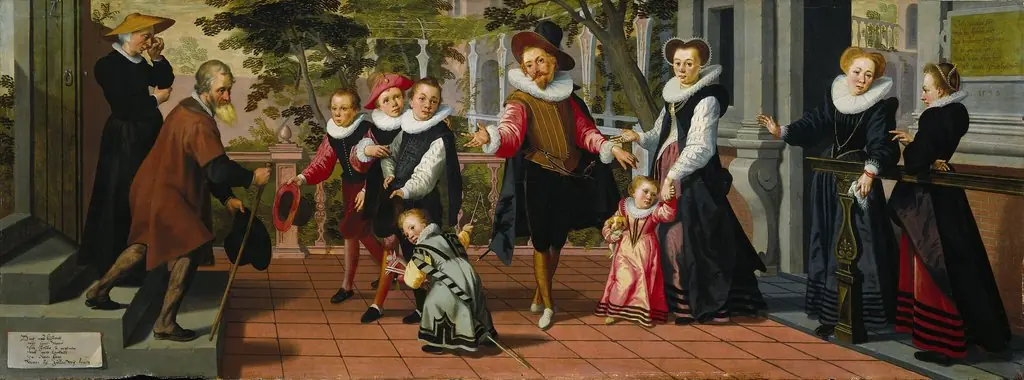
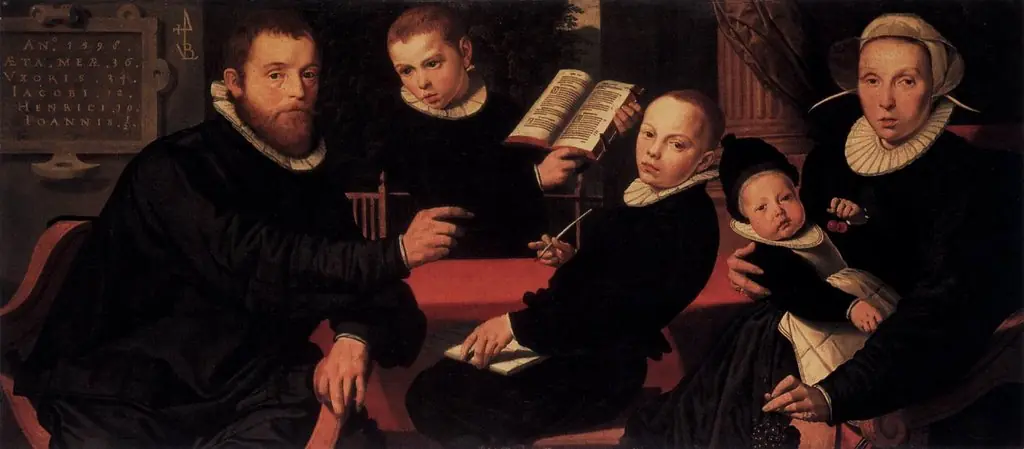
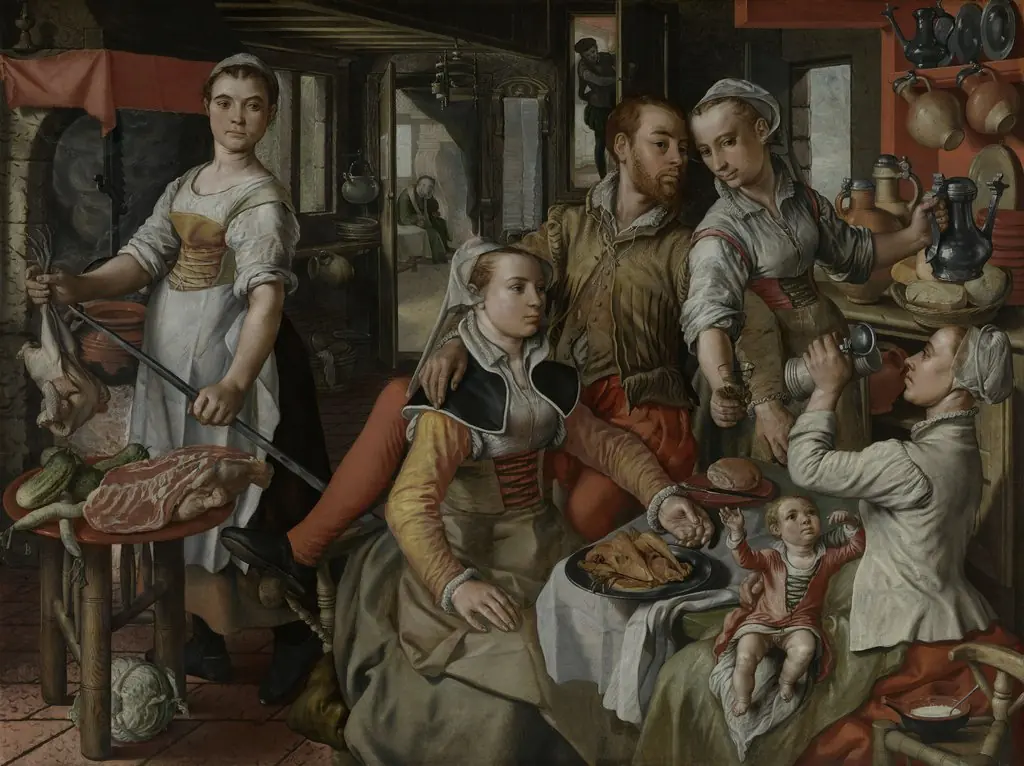
At the centre of the composition a man and a woman sit closely together on a low bench. The man wears a richly coloured tunic edged in green and holds a short cane, while the woman’s white collar and red sleeves suggest a modest yet refined attire. Their relaxed posture and the woman’s hand resting on the man’s arm convey a moment of private conversation or shared amusement within a modest inn setting.
Technique & Style
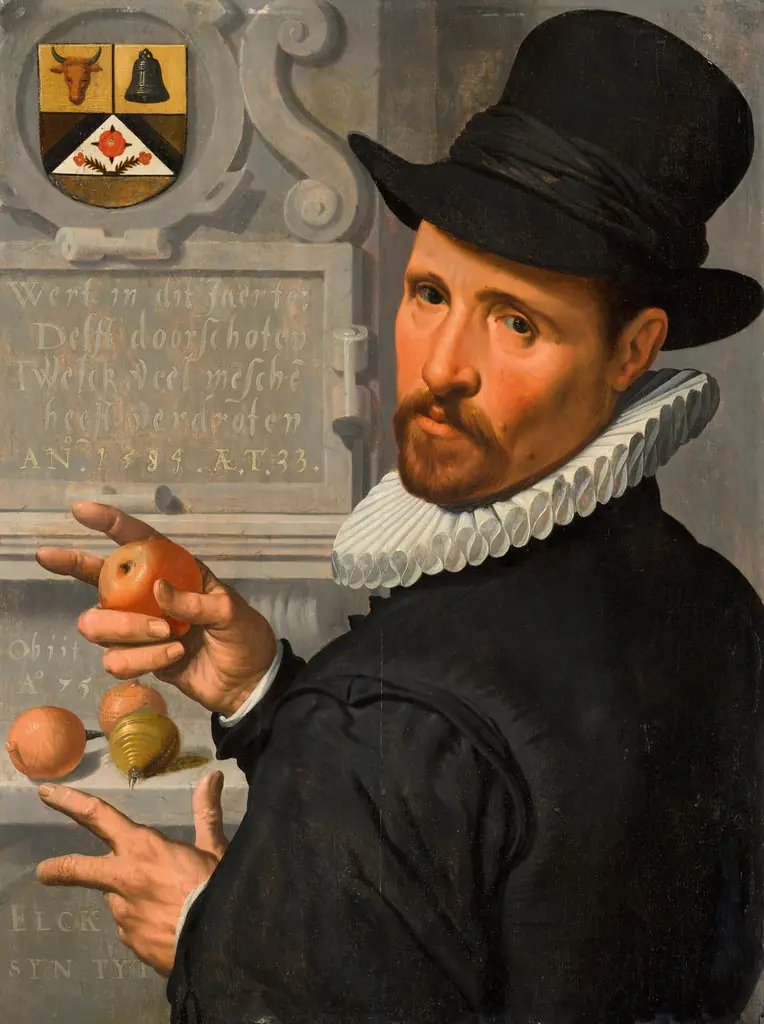
Pietersz employs a pronounced chiaroscuro, allowing the figures to emerge from a darkened interior through a focused light source that illuminates faces and fabrics. The contrast between the deep shadows and the bright reds of the clothing heightens the three‑dimensionality of the scene. Fine brushwork captures the texture of the chain around the man’s neck and the delicate folds of the woman’s sleeves, while the background remains intentionally vague.
History & Provenance
The painting entered the Kunsthistorisches Museum’s holdings in the early twentieth century, acquired from a private collection that had retained the work since the 18th century. Documentation traces its ownership through several European dealers before its final transfer to the museum, where it has been catalogued as a representative example of Pieter Pietersz’s later output.
Context
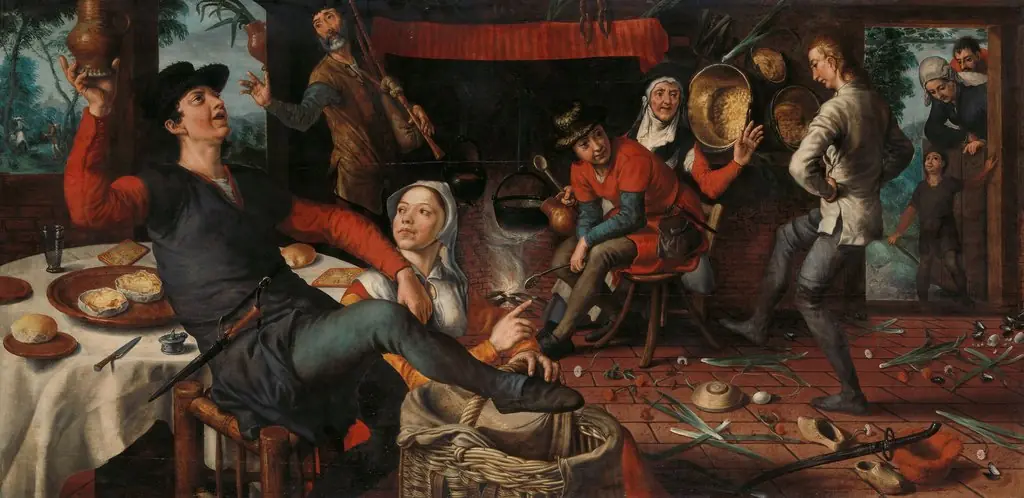
Pieter Pietersz the Elder worked during a period when Dutch artists increasingly turned to scenes of everyday life, moving away from strictly religious or mythological subjects. This work reflects that shift, portraying a convivial moment in an inn—a common venue for social interaction in the late sixteenth century. The inclusion of secondary figures engaged in card‑playing or drinking further underscores the genre’s interest in depicting contemporary customs.
Artist & collection
Artist
Pieter Pietersz the Elder (1540–1603) was an artist, born in Antwerp.