Artwork
Călăreți
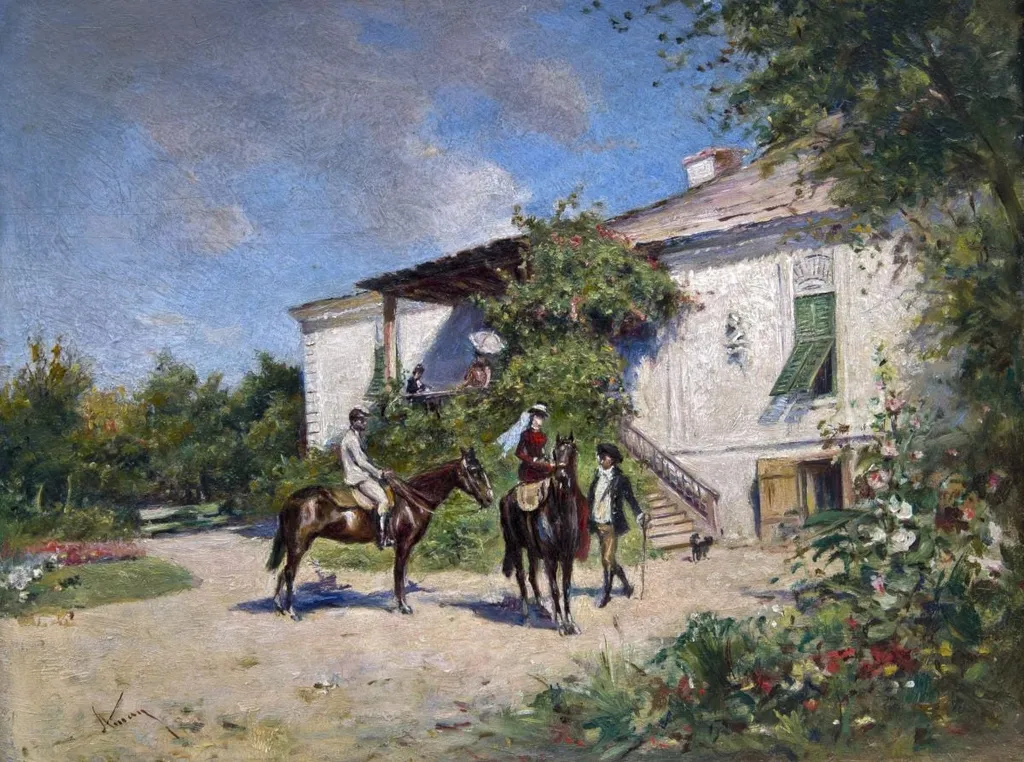
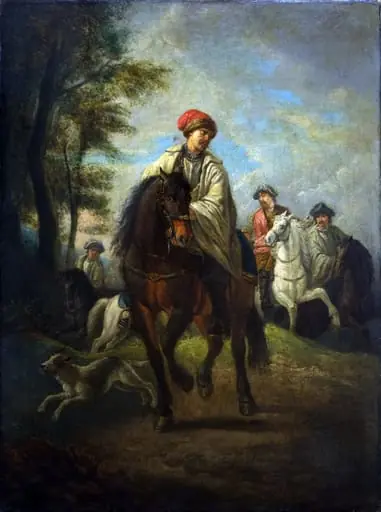
Călăreți is a print by Theodor Aman. It dates from 1850 and is held in the collection of the National Museum of Art of Romania.
About this work
Overview
Painted around 1850 by Theodor Aman, *Călăreți* presents a quiet rural scene in Romania, capturing three figures near a modest dwelling.
Painted around 1850 by Theodor Aman, *Călăreți* presents a quiet rural scene in Romania, capturing three figures near a modest dwelling. Aman, trained in European academic traditions, here shifts focus from grand historical narratives to everyday life. The composition balances movement and stillness: riders on a dirt path, a pedestrian carrying a hat, and a house framed by foliage. The work reflects his interest in domestic realism, rendered with a loose, atmospheric touch rather than rigid detail.
Subject & Meaning
The painting portrays ordinary individuals in a moment of transit—two on horseback, one walking beside them—suggesting a routine journey rather than a dramatic event. The white house with green shutters and blooming flowers implies a peaceful, self-sufficient rural existence. The absence of overt narrative cues invites contemplation of daily life in mid-19th-century Romania, subtly honoring the dignity of common routines without idealization or sentimentality.
Technique & Style
Aman employed loose, visible brushwork to convey light and movement rather than precise detail. The paint is applied with a soft, sketch-like quality, particularly in the foliage and path, creating a sense of immediacy. Sunlight is suggested through warm tonal shifts rather than sharp highlights, and impasto is used sparingly to emphasize texture in the earth and foliage. This approach aligns with emerging trends in plein air observation, prioritizing mood over finish.
History & Provenance
Created during Aman’s early career, *Călăreți* predates his later academic commissions and institutional roles. It likely originated from his personal studies of Romanian rural life, possibly during travels in the countryside. The work remained in private hands for much of its early history before entering public collections, where it now serves as an early example of his transition from academic training to native subject matter.
Context
In mid-19th-century Romania, artists were beginning to turn from imported European themes toward local scenes as national identity formed. Aman’s work, including *Călăreți*, contributed to this shift by depicting ordinary Romanians in their environment. While still grounded in academic technique, the painting reflects a broader cultural movement seeking authenticity in representation, away from mythological or aristocratic subjects.
Legacy
Though not among Aman’s most widely exhibited works, *Călăreți* exemplifies his role in shaping Romanian visual culture by elevating everyday life as worthy of artistic attention. Its informal style influenced later generations who sought to document national character without romanticism. The painting remains a quiet but significant marker in the evolution of Romanian realism, bridging academic training and indigenous observation.
Artist & collection
Artist
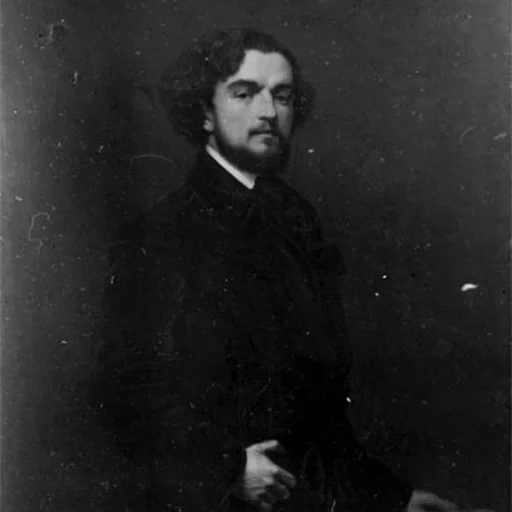
Theodor Aman (20 March 1831 – 19 August 1891) was a Romanian painter, engraver and art professor. He mostly produced genre and history scenes.

 The Garden Steps Leading to the Painter Christen Købke's Studio at Blegdammen, Copenhagen
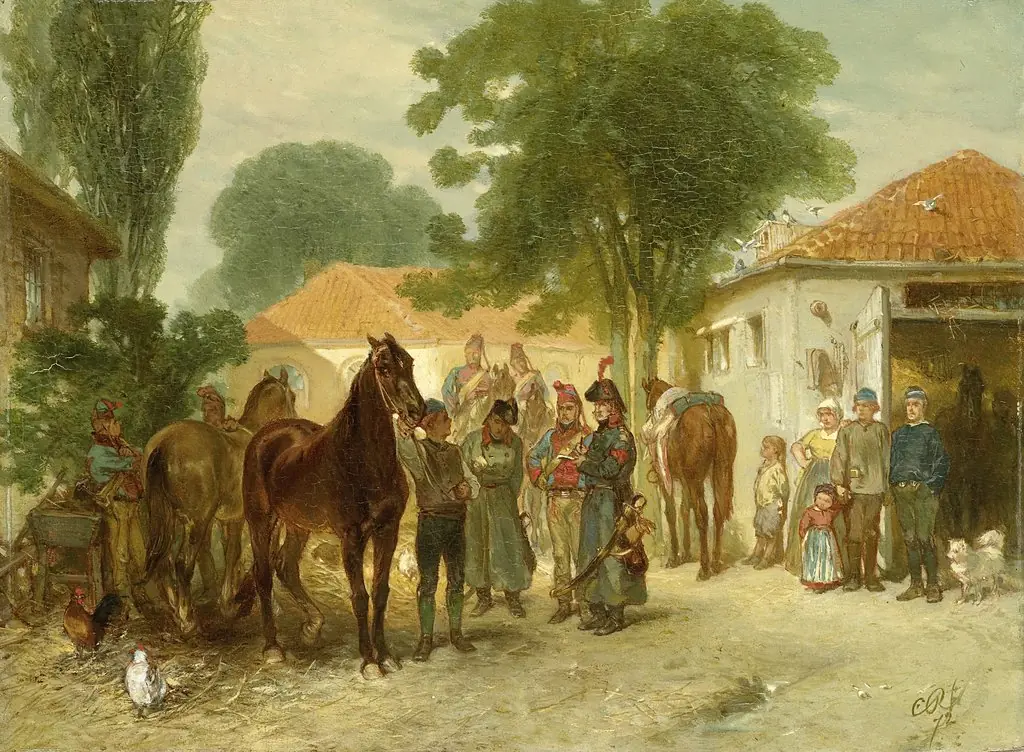 De requisitie
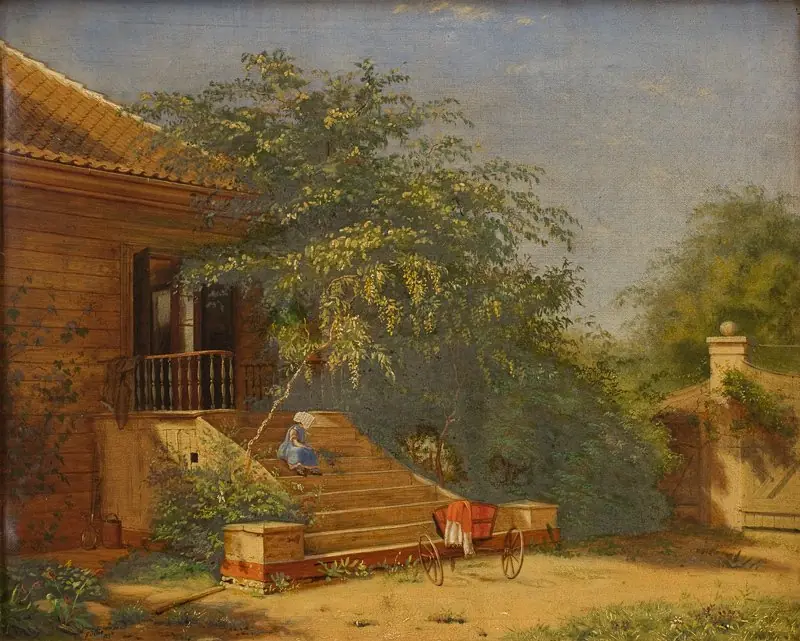
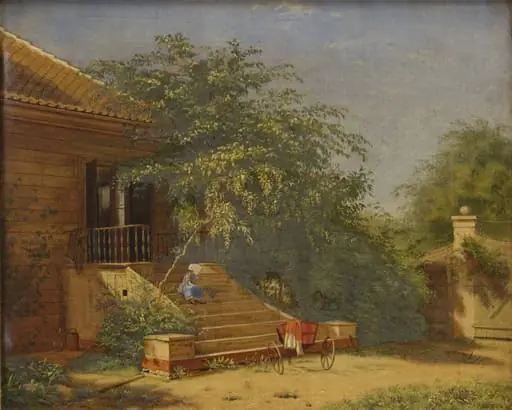 The Garden Steps Leading to the Painter Christen Købke's Studio at Blegdammen, Copenhagen
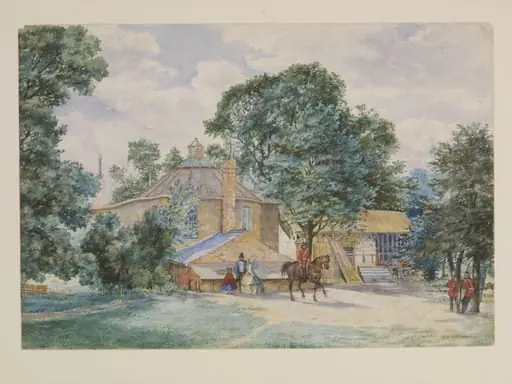 The first lecture theatre at the South Kensington Museum, later the Victoria and Albert Museum
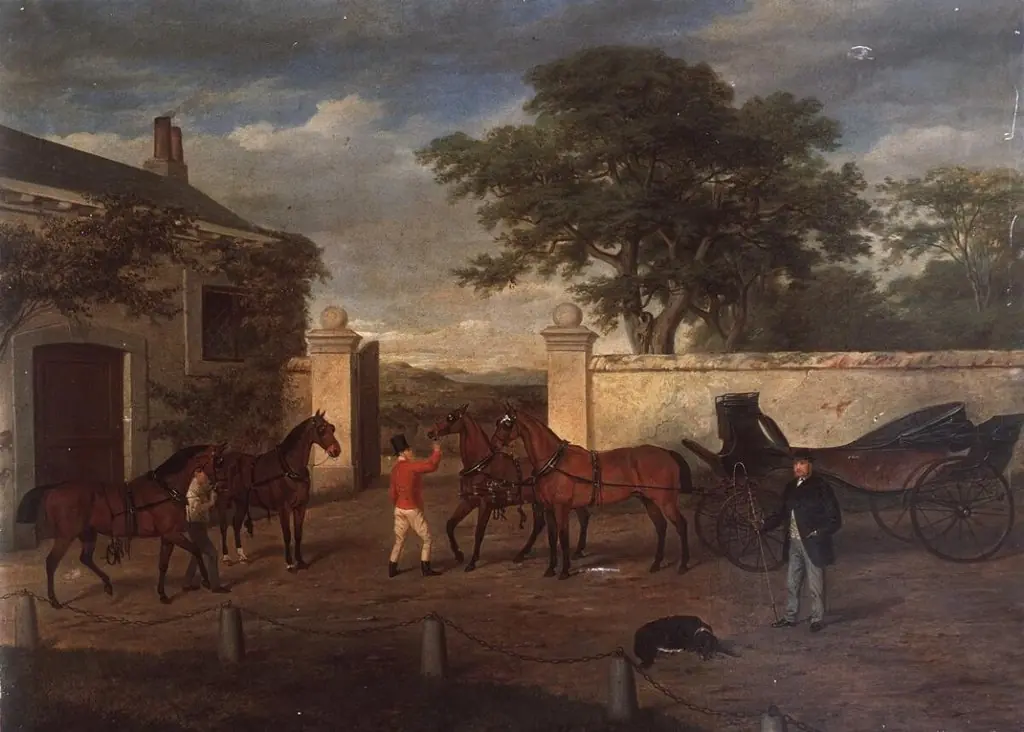 Stable yard scene
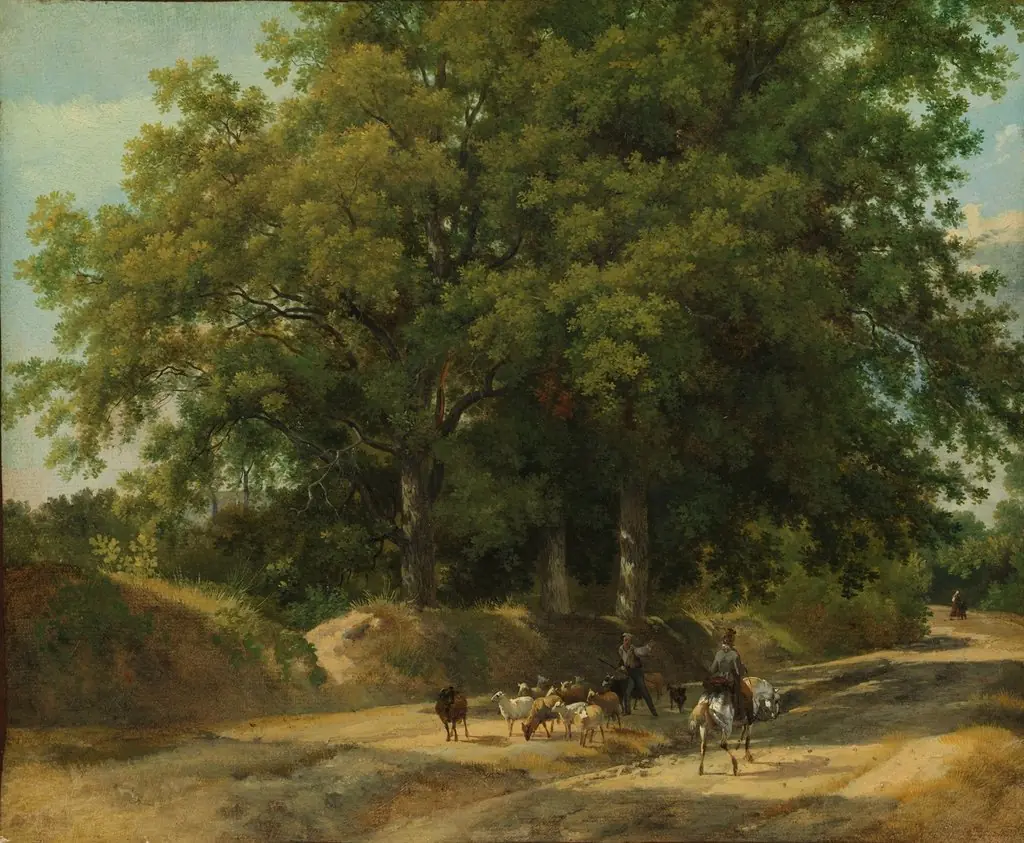 A Shepherd and a Rider on a Country Lane
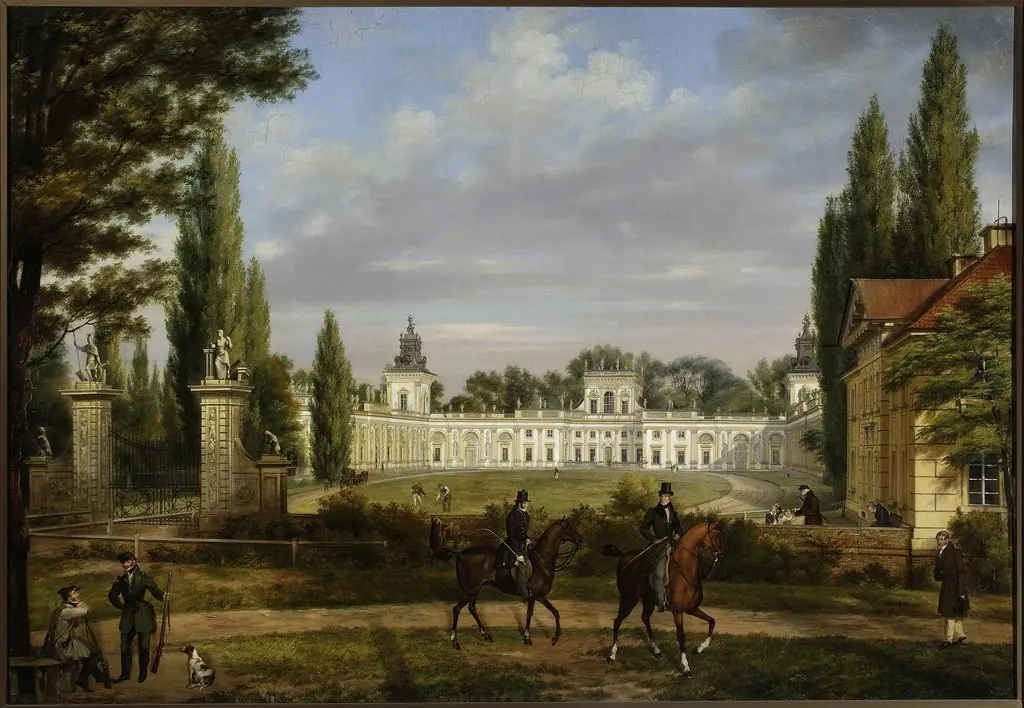 View of the Wilanów Palace from the entrance
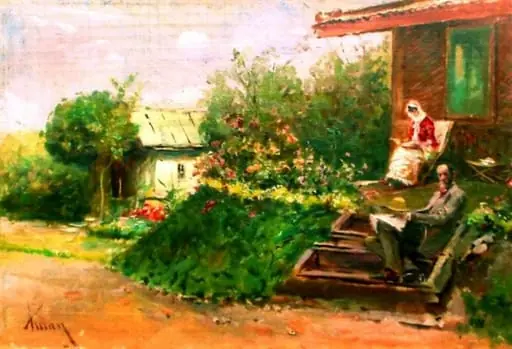 Lectură pe terasă
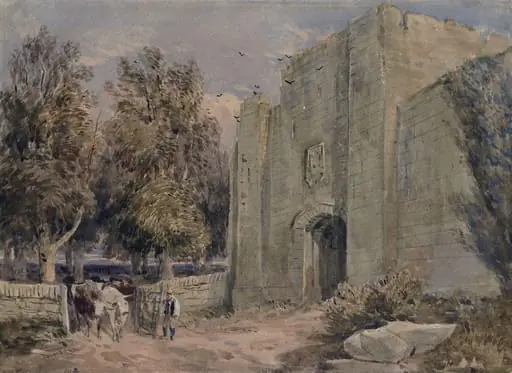 Gateway of Rhuddlan Castle, North Wales
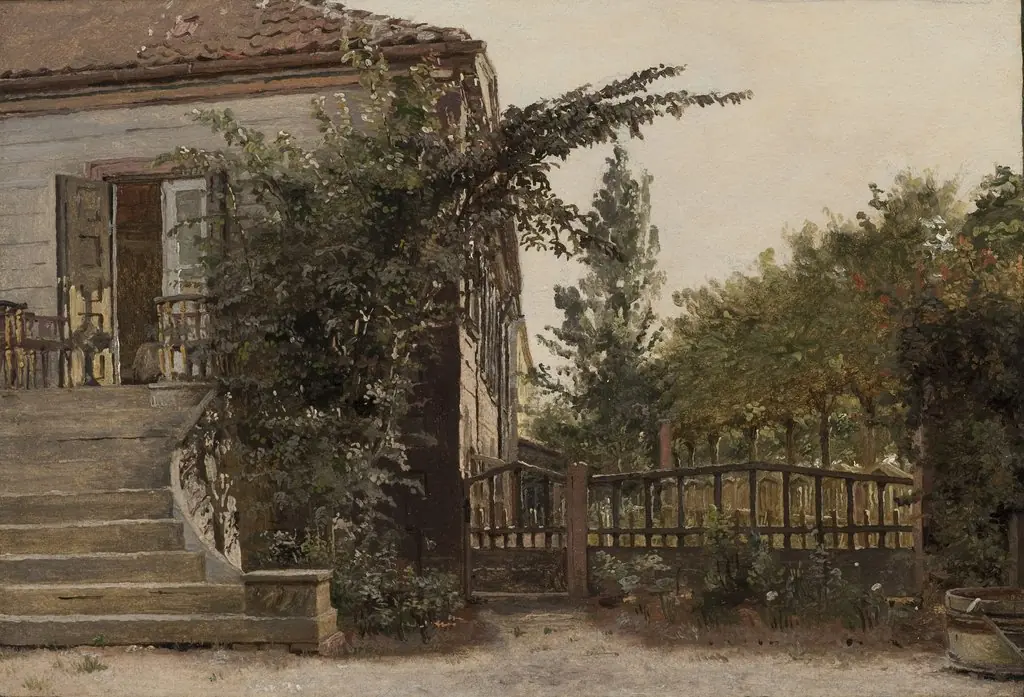 The Garden Steps Leading to the Artist's Studio on Blegdammen
 Scene in Hyde Park
 Călăreți în peisaj