Artwork
Principesa Zoe Brâncoveanu
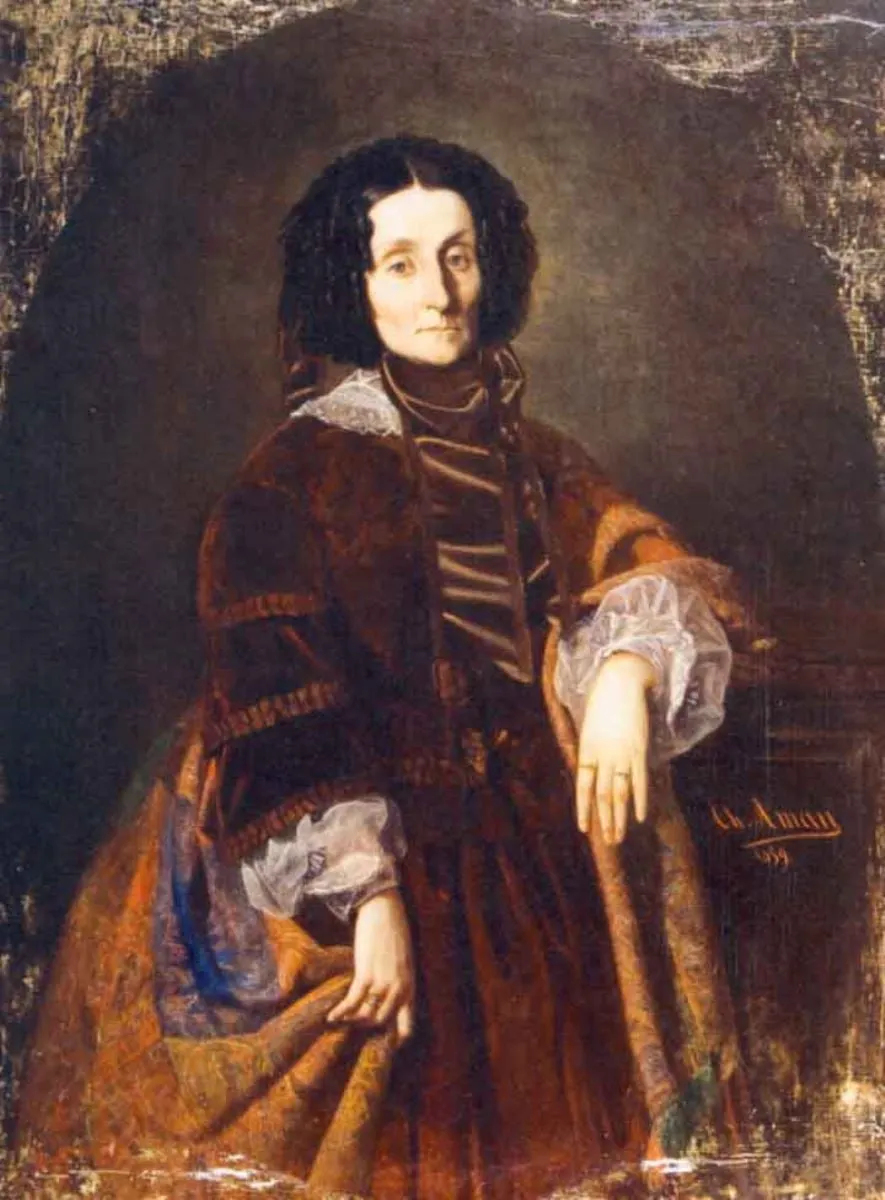
Principesa Zoe Brâncoveanu is an unspecified painting by the Biedermeier artist Theodor Aman. It dates from 1859 and is held in the collection of the National Museum of Art of Romania.
About this work
Overview
Aman, known for his historical and genre scenes, applied his precision to this intimate likeness, emphasizing dignity through subtlety rather than ornament.
Theodor Aman painted *Principesa Zoe Brâncoveanu* in 1859, capturing a member of Romanian aristocracy in a quiet, introspective moment. Executed in oil, the portrait reflects the Biedermeier aesthetic, which favored restrained elegance and psychological depth over grandeur. Aman, known for his historical and genre scenes, applied his precision to this intimate likeness, emphasizing dignity through subtlety rather than ornament.
Subject & Meaning
Zoe Brâncoveanu, a noblewoman of the 18th century, is depicted not as a symbol of power but as an individual with quiet composure. Her serious gaze and still posture suggest introspection, aligning with Biedermeier ideals that valued personal dignity and domestic virtue. The absence of overt symbols of rank shifts focus to her presence, inviting contemplation of her inner life rather than her social status.
Technique & Style
Aman employed soft chiaroscuro to model the face and hands, drawing attention to their texture and form against the deep, unbroken background. The fur-lined cape and striped sleeves are rendered with careful attention to fabric weight and light reflection, yet the overall palette remains muted. The plain backdrop and controlled lighting isolate the figure, reinforcing the portrait’s intimate, private character typical of mid-19th-century Northern European portraiture.
History & Provenance
Commissioned during a period of growing Romanian national consciousness, the portrait was likely intended to honor ancestral lineage. Aman, a key figure in Romania’s emerging art institutions, painted it while teaching at the Bucharest Academy. The work remained within Romanian collections, eventually entering public ownership, where it continues to serve as a record of aristocratic identity in the 19th century.
Context
In mid-19th-century Romania, portraiture became a means of asserting cultural identity amid Ottoman and Habsburg influences. Biedermeier’s emphasis on domesticity and individuality resonated with local elites seeking to define a refined, non-imperial aesthetic. Aman’s portrait of Zoe Brâncoveanu reflects this trend, blending Western European stylistic norms with a distinctly Romanian sense of historical continuity.
Legacy
The portrait endures as a representative example of Romanian academic portraiture from the period. It illustrates how local artists adapted international styles to express national heritage without overt political messaging. Aman’s restrained approach influenced subsequent generations of Romanian painters, who continued to prioritize psychological nuance over theatrical display in depicting historical figures.
Artist & collection
Artist
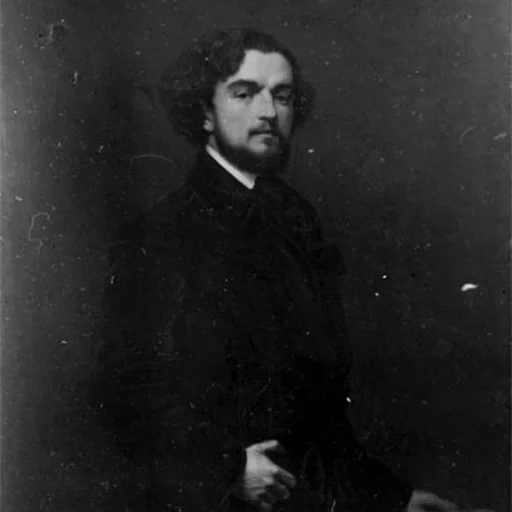
Theodor Aman (20 March 1831 – 19 August 1891) was a Romanian painter, engraver and art professor. He mostly produced genre and history scenes.

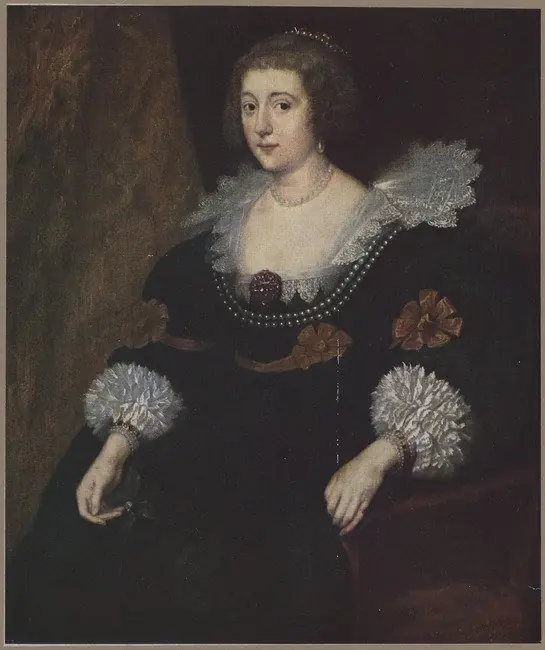 Portrait of Amalia van Solms-Braunfels, Princess of Orange (1602-1675)
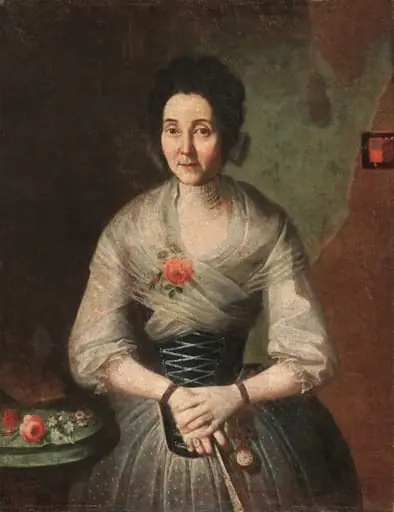 Soția medicului Pataki Samuel II (Szatmari Papp Sára) (În RI: Pataki Sámuelné Szatmari Papp Sára)
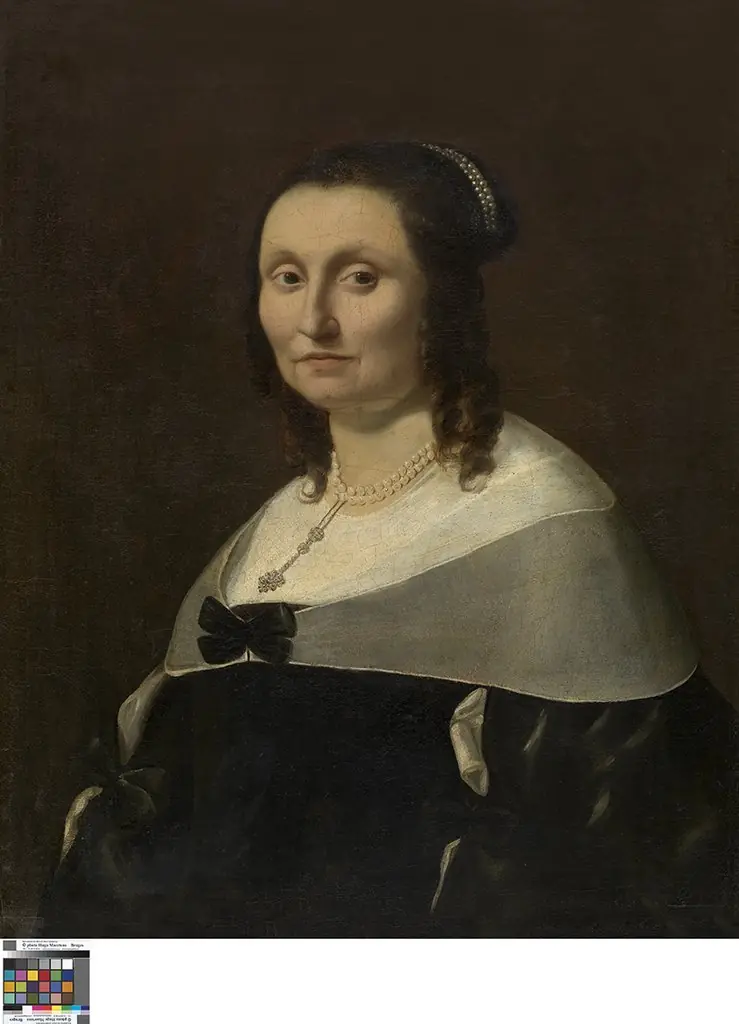 Portret van een vrouw
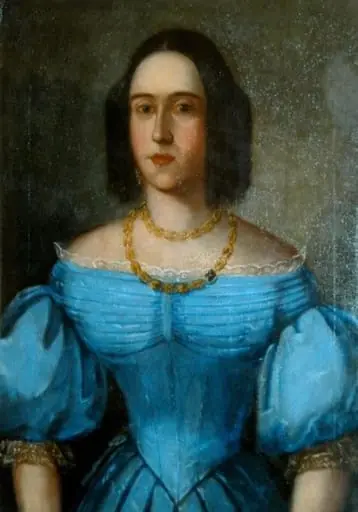 Portret de femeie
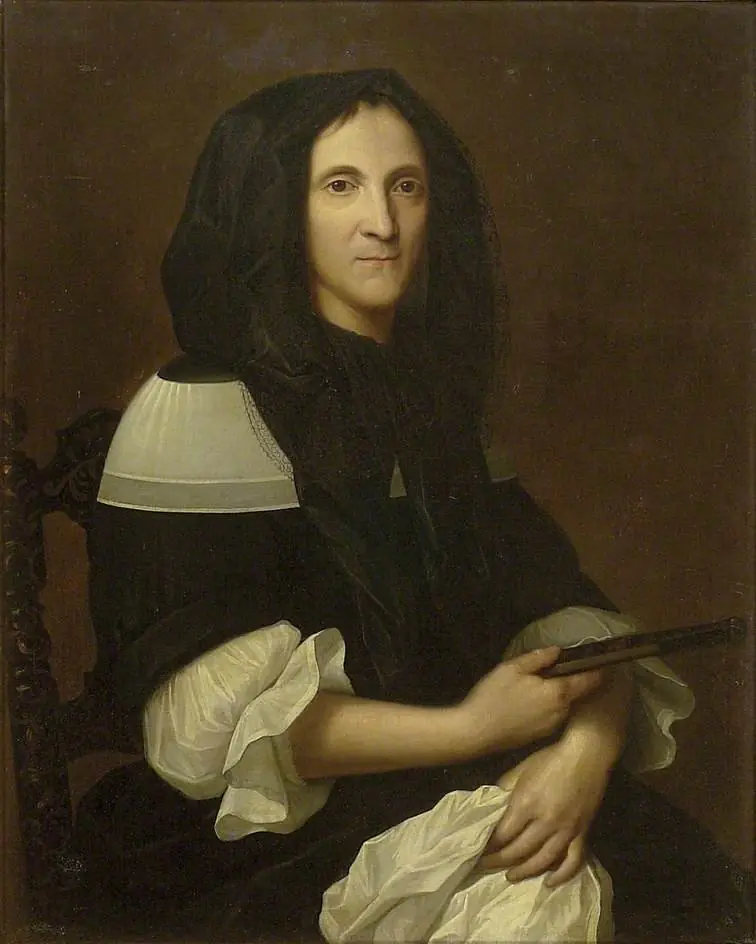 Portrait of a Lady Wearing a Black Dress and Flat Collar
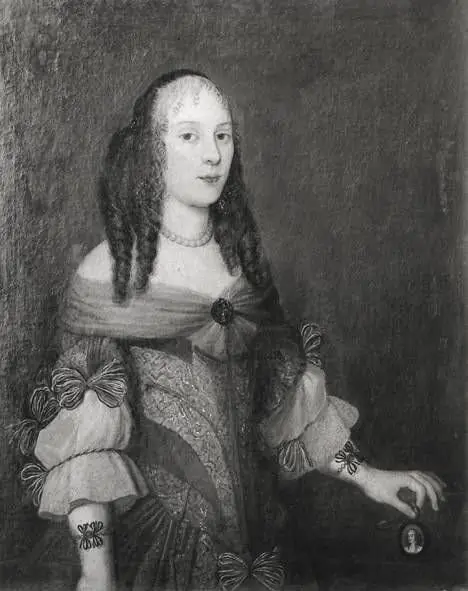 Unbekannte Dame
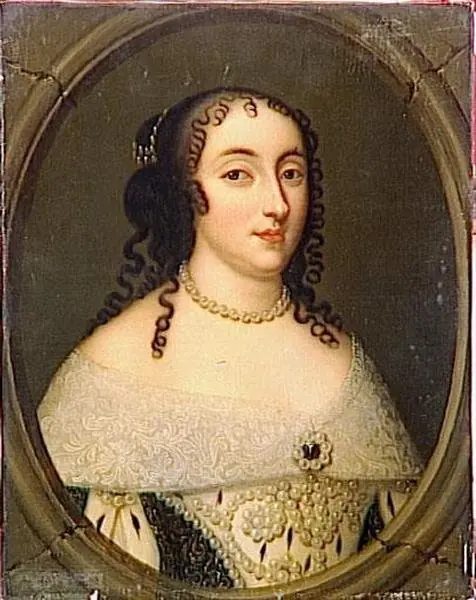 Marie-Marguerite de Cossé-Brissac, duchesse de Villeroy (1648-1708)
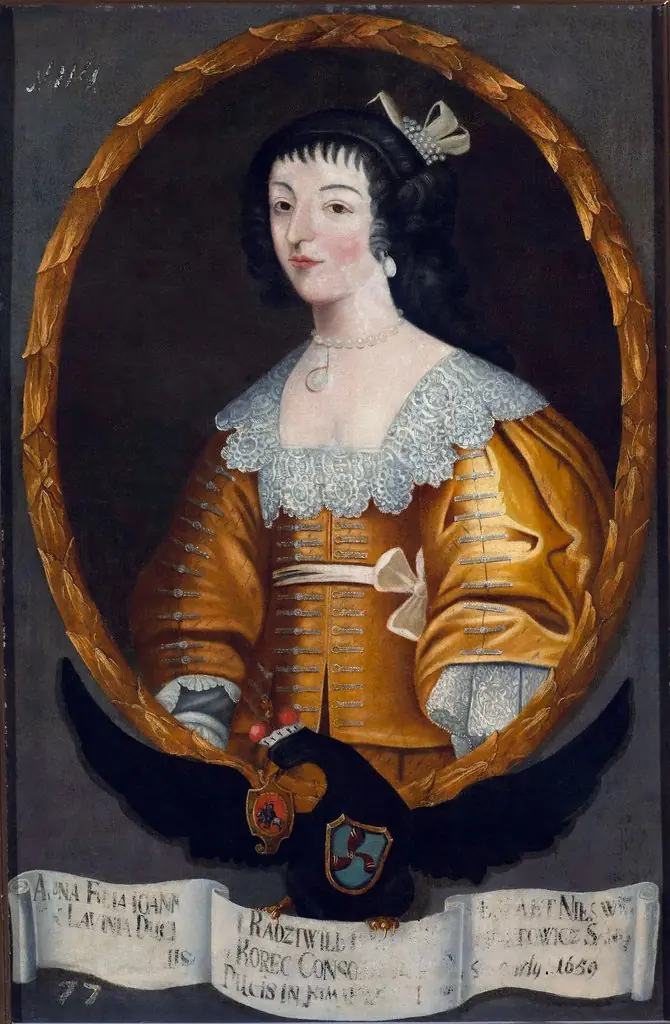 Portrait of Anna Sanguszko née Radziwiłł (?–1659)
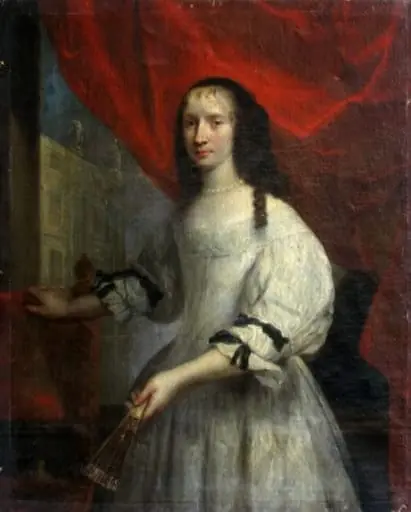 Soția unui general englez ; pandant: Un general englez
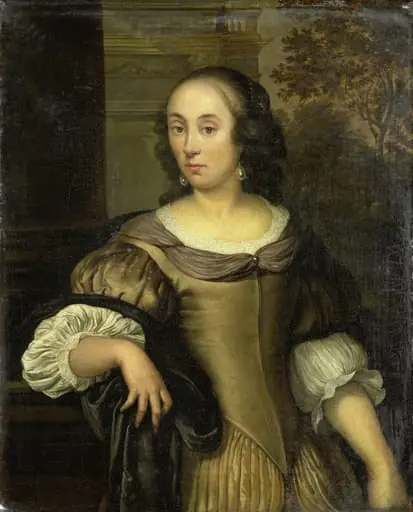 Portrait of a young woman
 Portret de femeie
 Portrait of a Woman