Artwork
Corbaie în portul Constanța
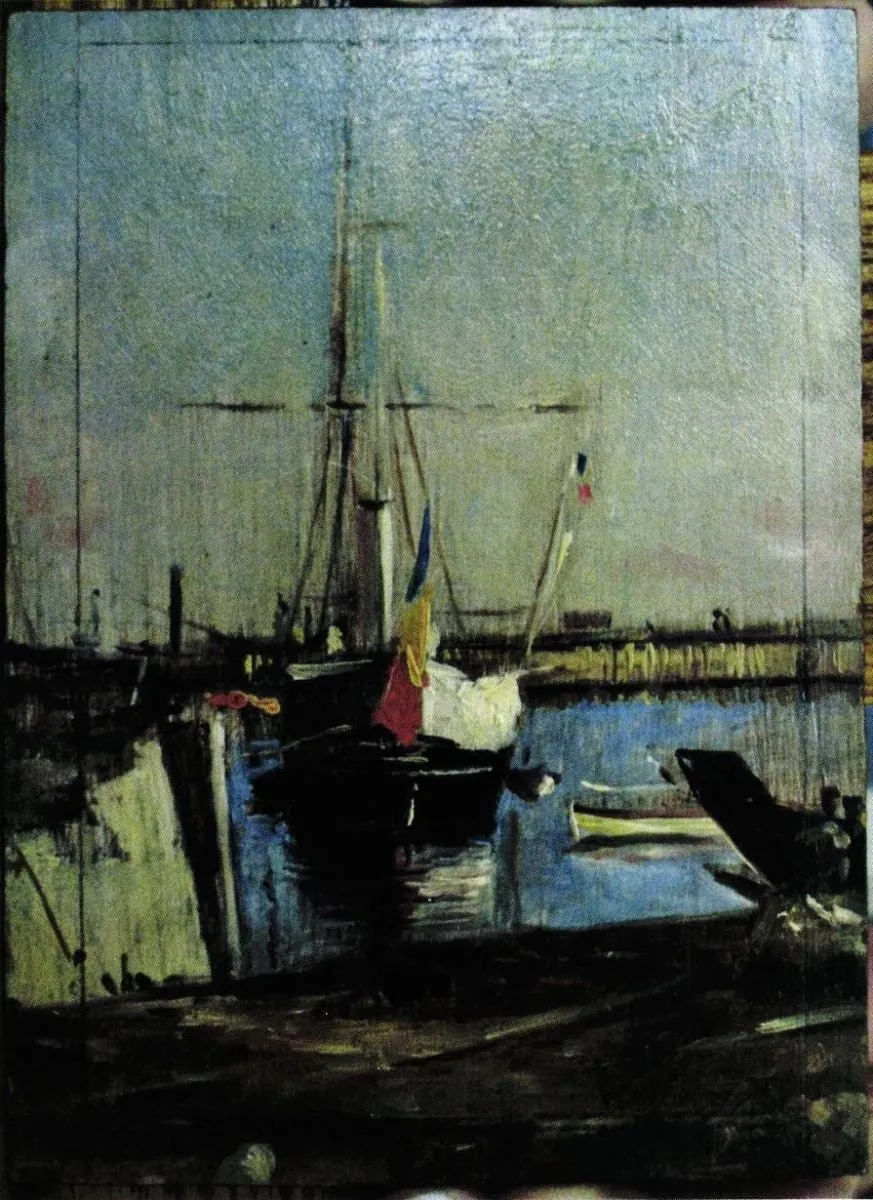
Corbaie în portul Constanța is a print by Theodor Aman. It dates from 1871 and is held in the collection of the Bucharest Municipality Museum.
About this work
Overview
Executed in paint on a surface suitable for reproduction, the work reflects Aman’s interest in everyday life rather than grand historical narratives.
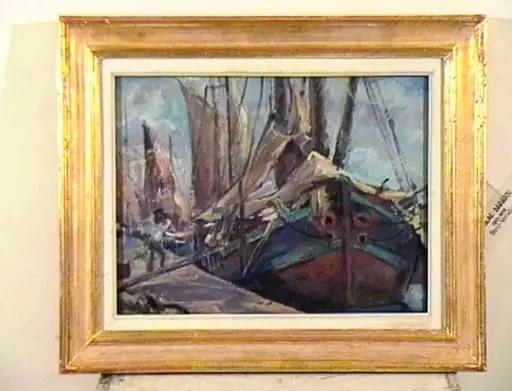
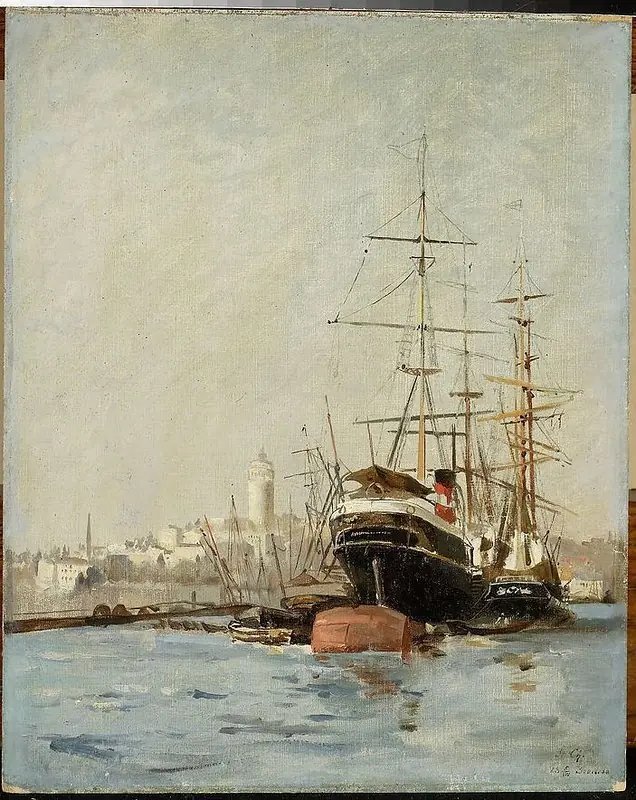
Theodor Aman’s *Corbaie în portul Constanța*, dated around 1871, captures a quiet moment in the Romanian port city’s harbor. Executed in paint on a surface suitable for reproduction, the work reflects Aman’s interest in everyday life rather than grand historical narratives. It is held in the Museum of Ethnography, where it contributes to a broader collection documenting regional cultural practices and environments.
Subject & Meaning
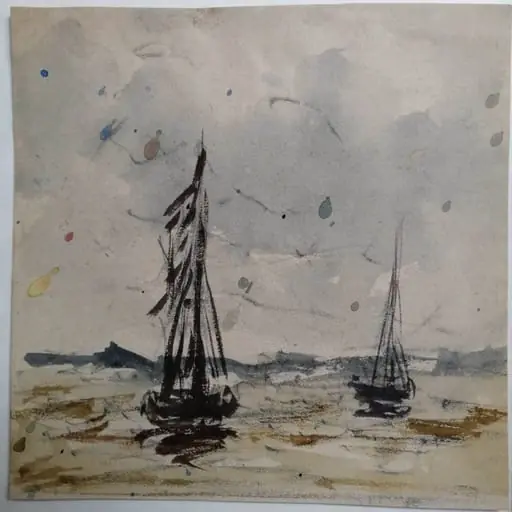
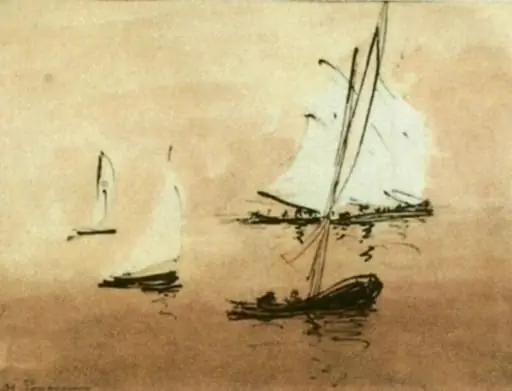
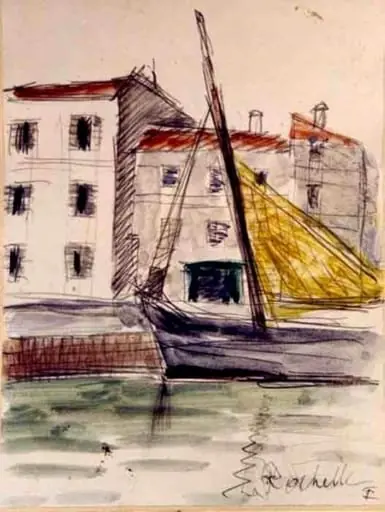
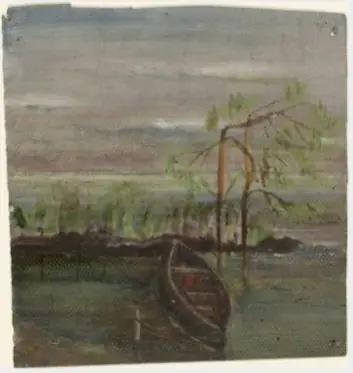
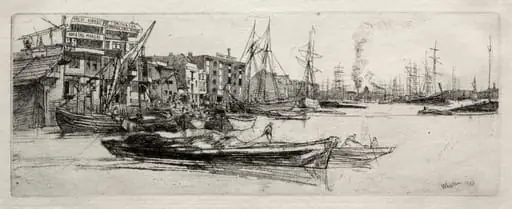
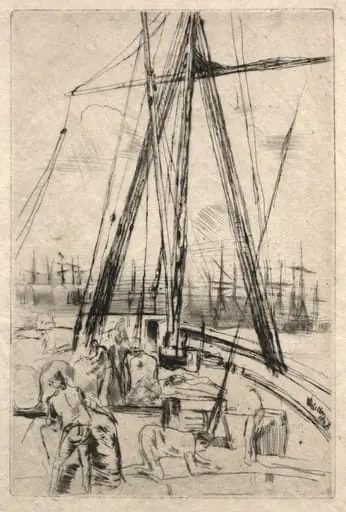
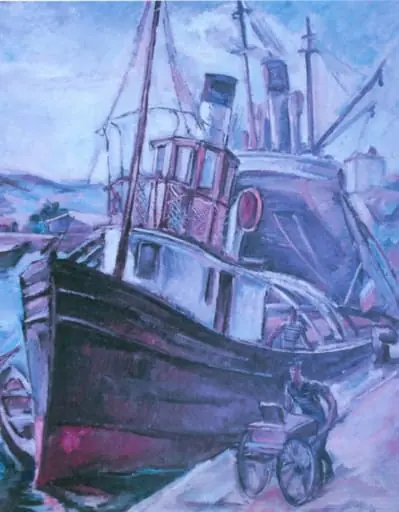
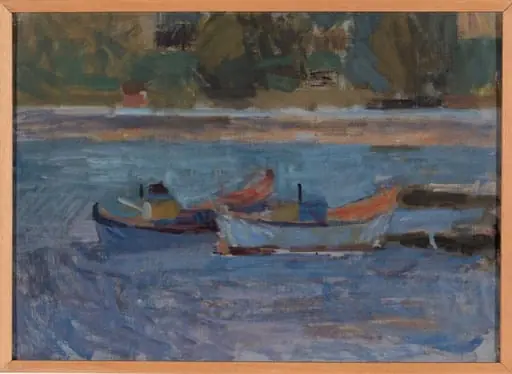
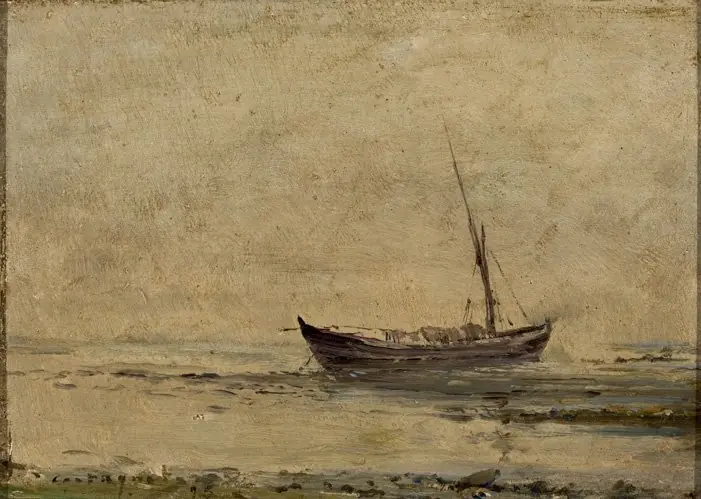
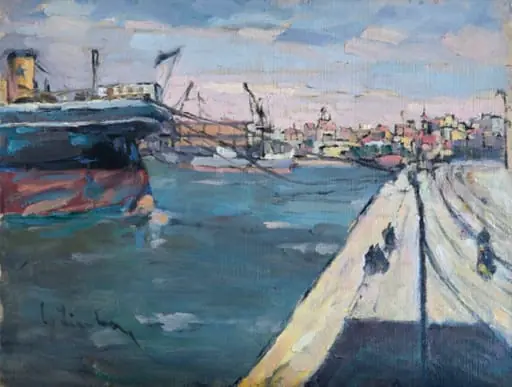
The scene portrays a tranquil harbor with a handful of modest vessels moored at wooden piers. No figures are prominent, emphasizing stillness over activity. The presence of a red flag and a blue-and-white sail suggests local or regional identity, while the muted tones and hazy background evoke a sense of solitude. The painting does not narrate an event but invites contemplation of maritime routine and the quiet rhythm of port life.
Technique & Style
Aman employed loose, visible brushwork that gives the image a sketch-like immediacy. Paint is applied with a textured, almost impasto quality in places, particularly in the water and hulls, adding tactile depth. The palette is restrained—dominated by blues, grays, and earth tones—with only a single red sail providing contrast. This deliberate limitation enhances the atmospheric mood without drawing attention to technical flourish.
History & Provenance
Created circa 1871, the work emerged during Aman’s active period as both an artist and educator in Romania. It entered the collection of the Museum of Ethnography, where it has remained since at least the late 19th century. Its preservation there suggests early institutional recognition of its value as a document of regional life, rather than as a purely aesthetic object.
Context
In the 1870s, Romania was consolidating its national identity after gaining independence. Artists like Aman turned to local scenes to define a cultural voice distinct from Western European traditions. Constanța, as a growing Black Sea port, symbolized modernization and trade. This painting quietly reflects that transition—not through spectacle, but through the ordinary details of its harbor.
Legacy
Though not widely exhibited outside Romania, the work remains a reference point in studies of 19th-century Romanian genre painting. Its unembellished approach influenced later artists seeking authenticity over romanticism. The painting’s endurance in a museum focused on ethnography underscores its role as a visual record of place and practice, valued for its observational honesty.
Artist & collection
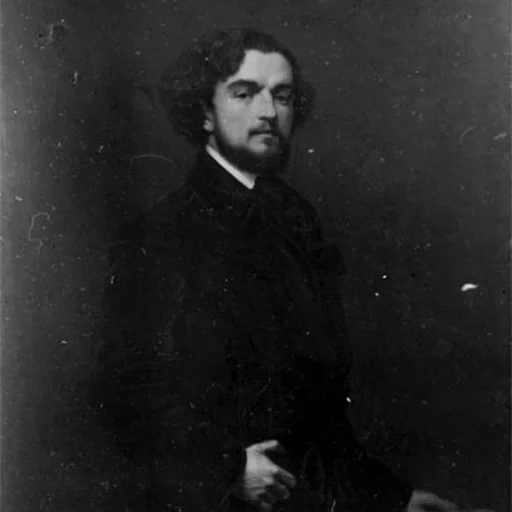
Artist
Theodor Aman (20 March 1831 – 19 August 1891) was a Romanian painter, engraver and art professor. He mostly produced genre and history scenes.