Artwork
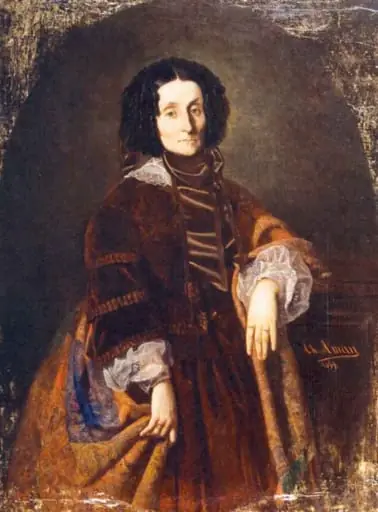
Portretul Anei Davila
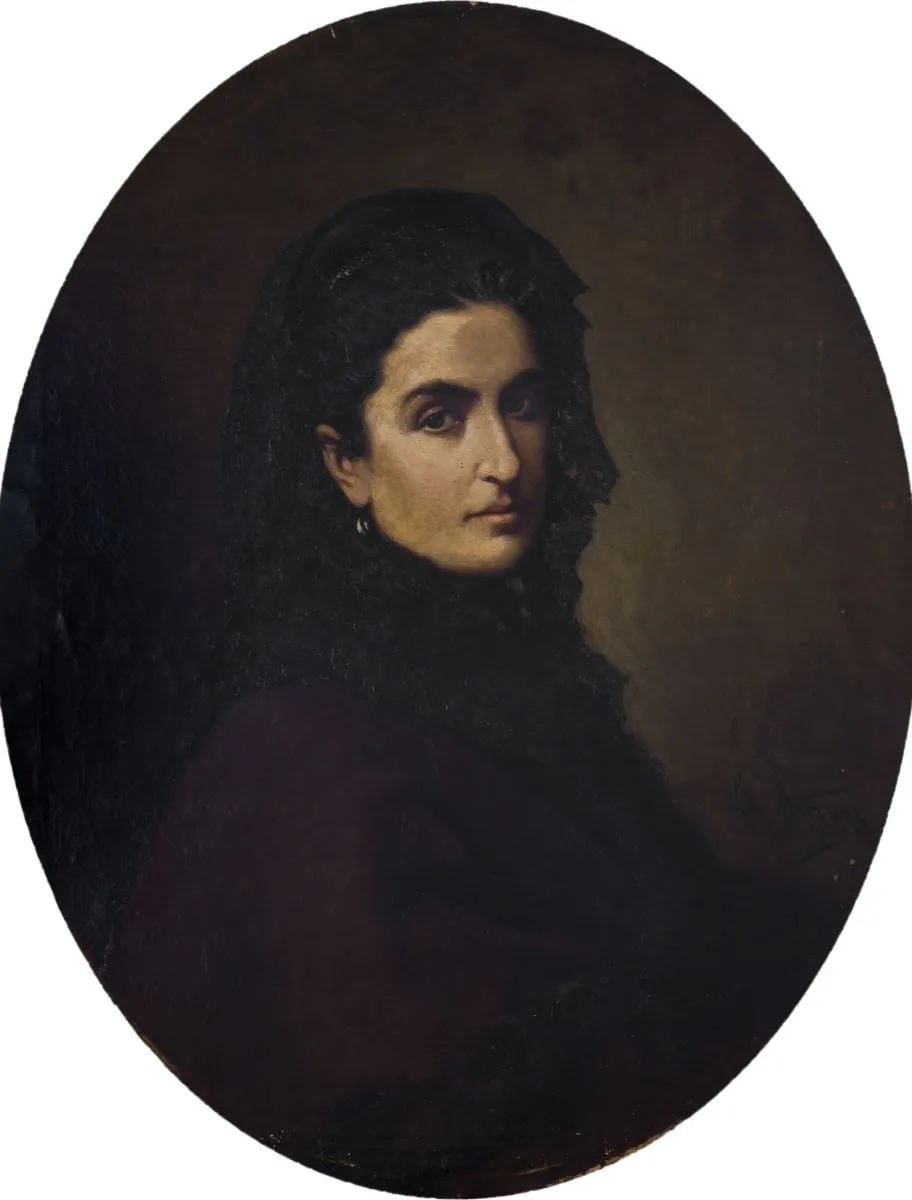
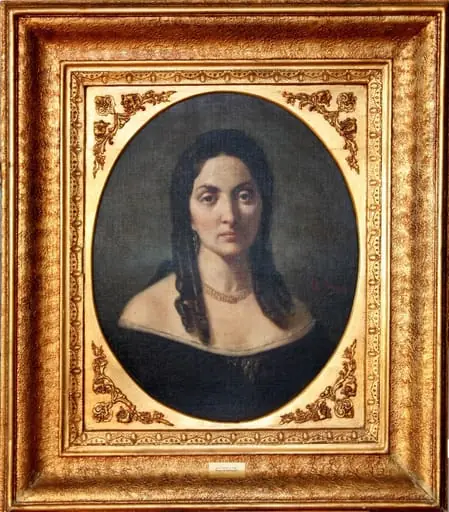
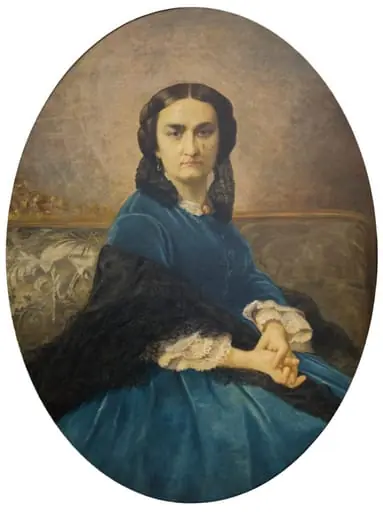
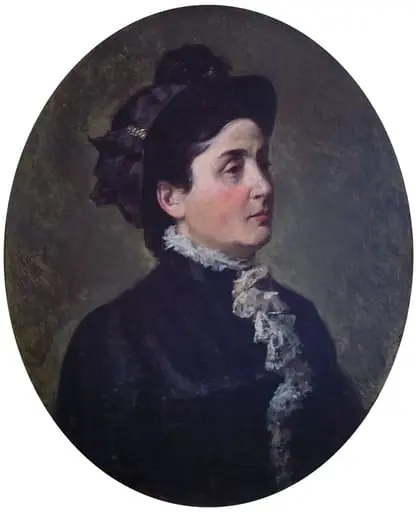
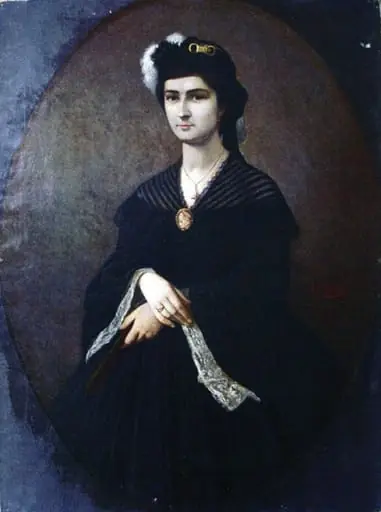
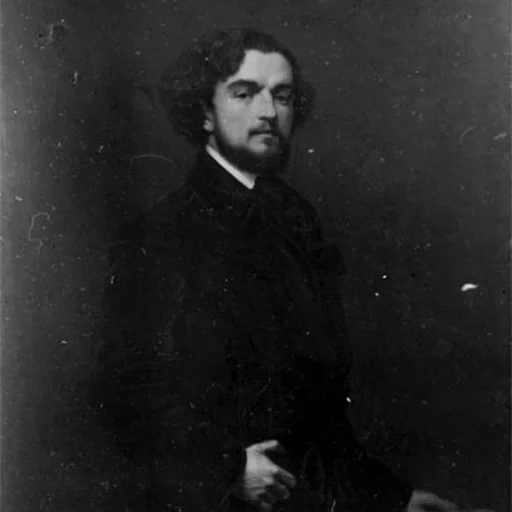
Portretul Anei Davila is a print by the Impressionist artist Theodor Aman. It dates from 1874 and is held in the collection of the Bucharest Municipality Museum.
About this work
Overview
Painted in 1874 by Romanian artist Theodor Aman, this portrait depicts Anna Davila, a figure connected to the cultural circles of 19th-century Romania.
Painted in 1874 by Romanian artist Theodor Aman, this portrait depicts Anna Davila, a figure connected to the cultural circles of 19th-century Romania. Aman, known for his historical and genre paintings, turned here to intimate portraiture. The work resides in the Museum of Ethnography, where it contributes to a collection focused on regional identity and domestic life rather than grand historical narratives.
Subject & Meaning
Anna Davila is rendered with quiet composure, her expression neither warm nor distant, but contemplative. The absence of decorative elements or symbolic props suggests an emphasis on inner presence rather than social status. Her direct gaze and restrained posture convey a sense of dignity, possibly reflecting the artist’s interest in psychological depth over external ornamentation common in formal portraiture of the era.
Technique & Style
Aman employs soft, deliberate brushwork to model the contours of the face and hair, allowing texture to emerge without overt detail. The background is uniformly dark, enhancing the figure’s three-dimensionality through subtle chiaroscuro. Light falls gently across the forehead and cheekbones, while the dress and hair recede into shadow, creating a quiet contrast that draws attention to the subject’s expression without theatricality.
History & Provenance
The painting entered the Museum of Ethnography’s collection shortly after its creation, likely through institutional acquisition or donation. Its placement among ethnographic materials, rather than fine art, indicates its perceived value as a document of personal and cultural identity. There is no record of public exhibition prior to its institutional acquisition, suggesting it was not widely circulated in its early years.
Context
In 1870s Romania, portraiture was increasingly used to capture individual identity amid national consolidation. While academic traditions favored idealized forms, Aman’s approach here aligns with emerging realist tendencies—focusing on authenticity over embellishment. The painting reflects a broader shift toward portraying ordinary individuals with psychological nuance, even within elite circles.
Legacy
Though not among Aman’s most widely reproduced works, the portrait remains a quiet example of his ability to merge technical restraint with emotional resonance. It continues to be studied for its understated realism and its role in expanding the scope of Romanian portraiture beyond aristocratic grandeur toward more personal, introspective representations.
Artist & collection
Artist
Theodor Aman (20 March 1831 – 19 August 1891) was a Romanian painter, engraver and art professor. He mostly produced genre and history scenes.