Artwork
Portretul Mariei Davila
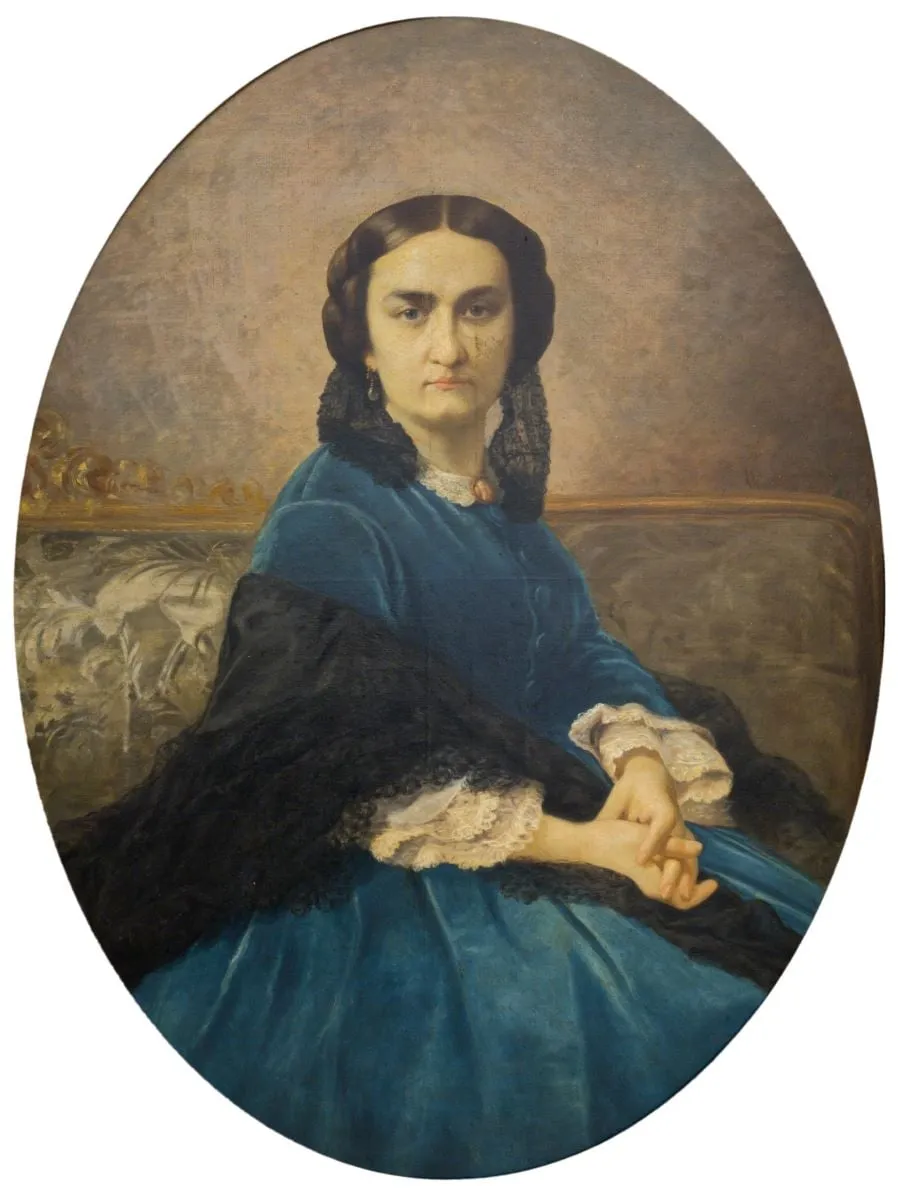
Portretul Mariei Davila is a print by the Impressionist artist Theodor Aman. It dates from 1864 and is held in the collection of the Bucharest Municipality Museum.
About this work
Overview
Aman, known for historical and genre scenes, turned his attention here to a single figure, capturing her with restrained precision.
Painted in 1864 by Theodor Aman, *Portretul Mariei Davila* is a quiet, intimate portrait of a woman from Romanian high society. Aman, known for historical and genre scenes, turned his attention here to a single figure, capturing her with restrained precision. The work resides in the Museum of Ethnography’s collection, reflecting its cultural rather than purely aesthetic significance within Romania’s 19th-century artistic landscape.
Subject & Meaning
The sitter, Maria Davila, is portrayed with composure and solemnity, her neutral expression suggesting introspection rather than emotional display. Her attire—dark blue dress with lace trim and a black lace shawl—signals modesty and social standing. The absence of symbolic objects or elaborate setting shifts focus to her presence alone, emphasizing dignity and personal reserve, qualities valued in elite women of the period.
Technique & Style
Aman employed subtle chiaroscuro to model the folds of fabric and the contours of the sitter’s form, using soft gradations of light to define texture without dramatic contrast. The brushwork is controlled, favoring smooth transitions over visible strokes. The background remains muted, with a faint pattern suggesting a textile wall or curtain, ensuring the figure remains the sole visual anchor without distraction.
History & Provenance
The portrait entered the Museum of Ethnography’s holdings shortly after its completion, likely through private donation or institutional acquisition. Its preservation there, rather than in a fine arts museum, reflects its role as a document of domestic life and costume. No records indicate public exhibition prior to the 20th century, suggesting it was initially a private commission later absorbed into a broader cultural archive.
Context
In mid-19th century Romania, portraiture served both personal and national purposes. As the country sought to define its cultural identity, depictions of aristocratic women like Davila became subtle assertions of refinement and continuity with European traditions. Aman’s approach, though restrained, aligned with broader academic trends in Eastern Europe that prioritized realism over romanticism.
Legacy
Though not among Aman’s most widely reproduced works, *Portretul Mariei Davila* remains a representative example of his skill in capturing quiet psychological presence. Its placement in an ethnographic context underscores its value as a record of dress and demeanor, offering insight into the private lives of Romania’s educated elite during a period of social transformation.
Artist & collection
Artist
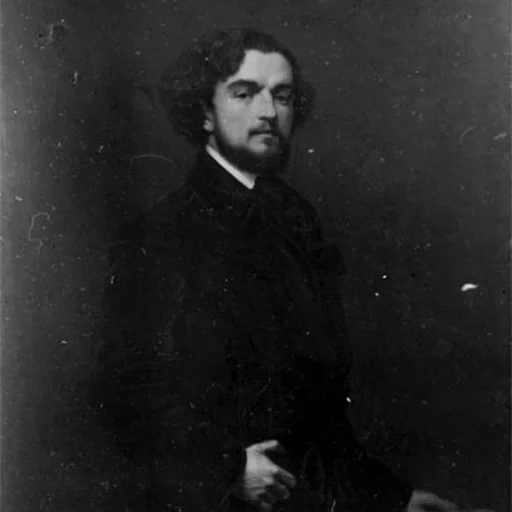
Theodor Aman (20 March 1831 – 19 August 1891) was a Romanian painter, engraver and art professor. He mostly produced genre and history scenes.
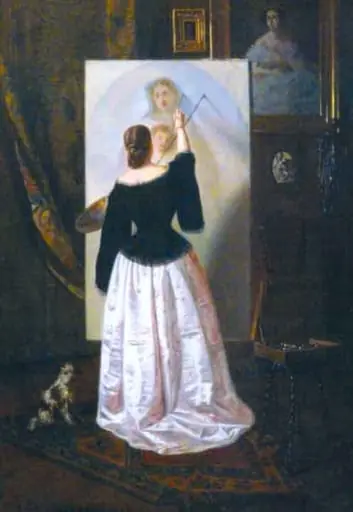
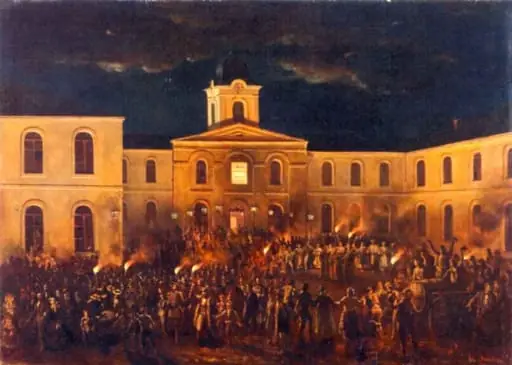
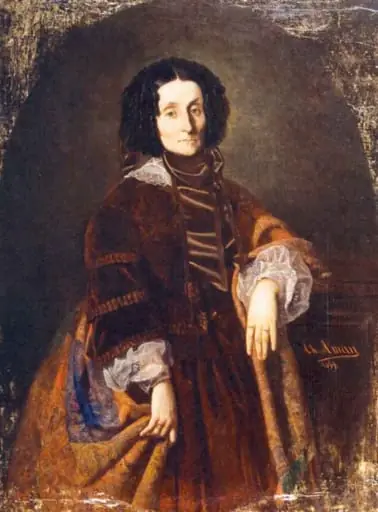
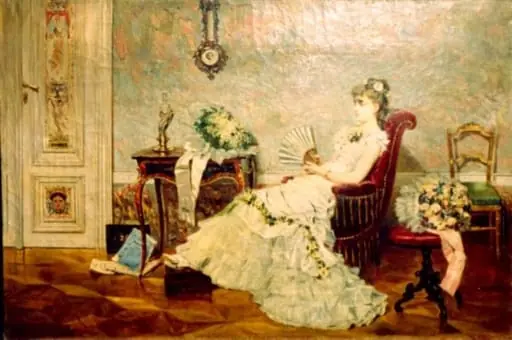
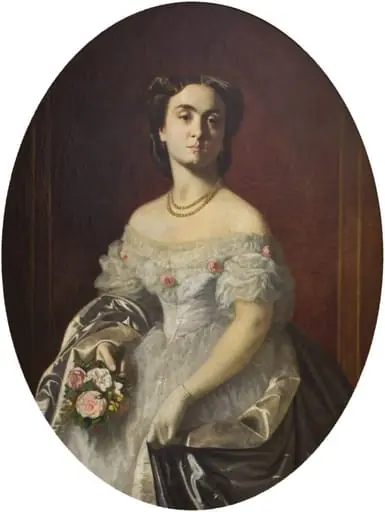 Portretul doamnei Ana Th. Aman
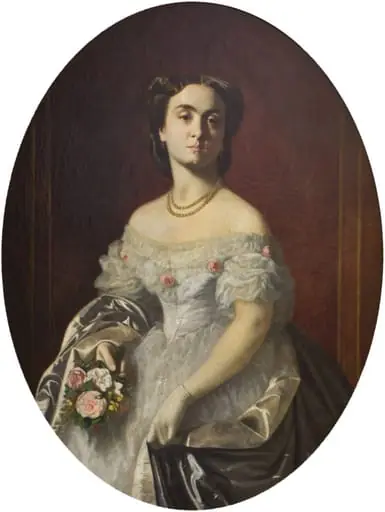 Portretul doamnei Ana Th. Aman
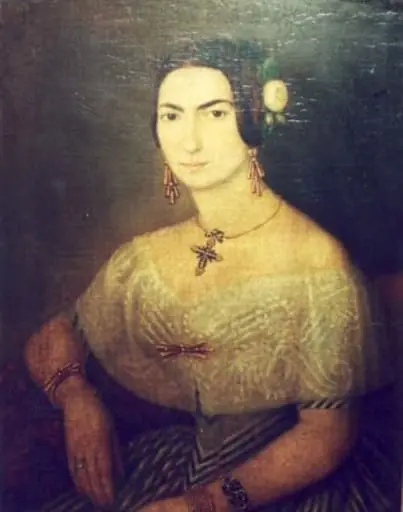 Portret de femeie
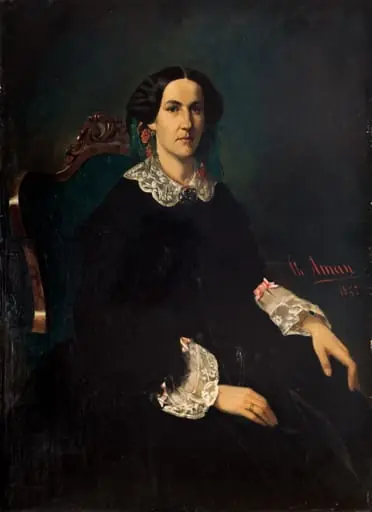 Portret de femeie (Soția lui Scarlat Paris ?)
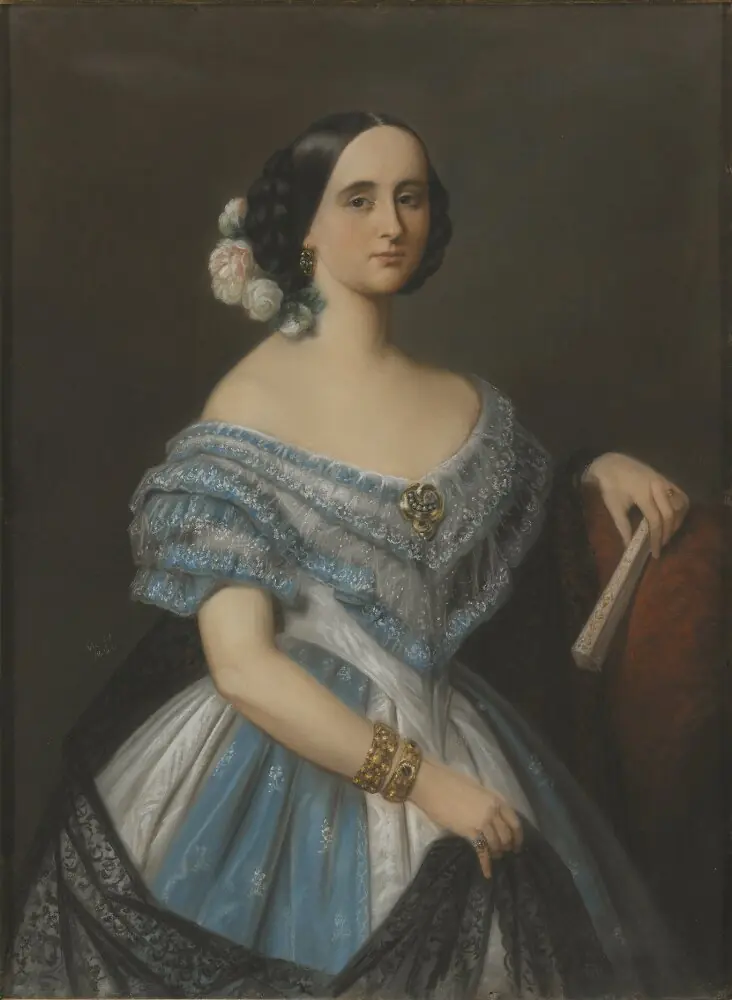 Julie (Julia Mathilda) Berwald, g. Åkerhielm af Margrethelund (1822-1877), operasångerska, gift med friherre hovmarskalk Gustaf Georg Knut Åkerhielm af Mergrethelund
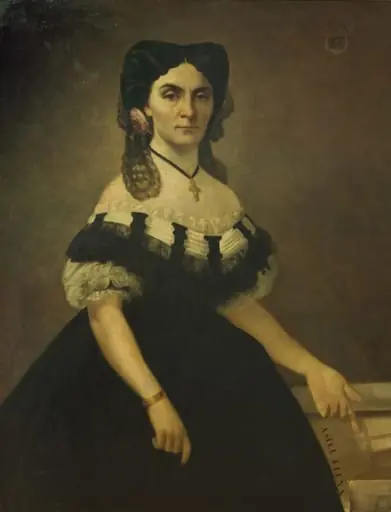 Portretul Elenei Cuza
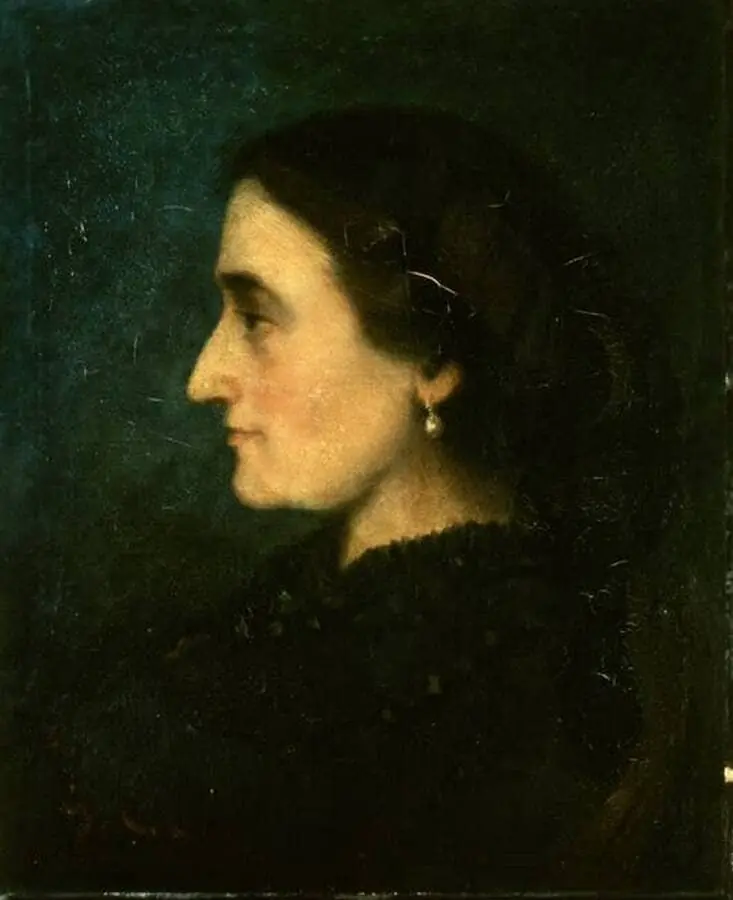 Portrait of madame Jolicler, née Lydie Chenoz
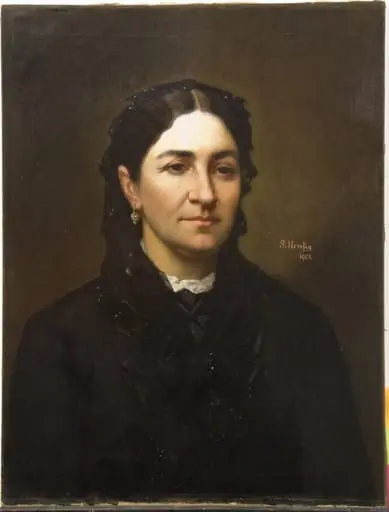 Portret de femeie în negru
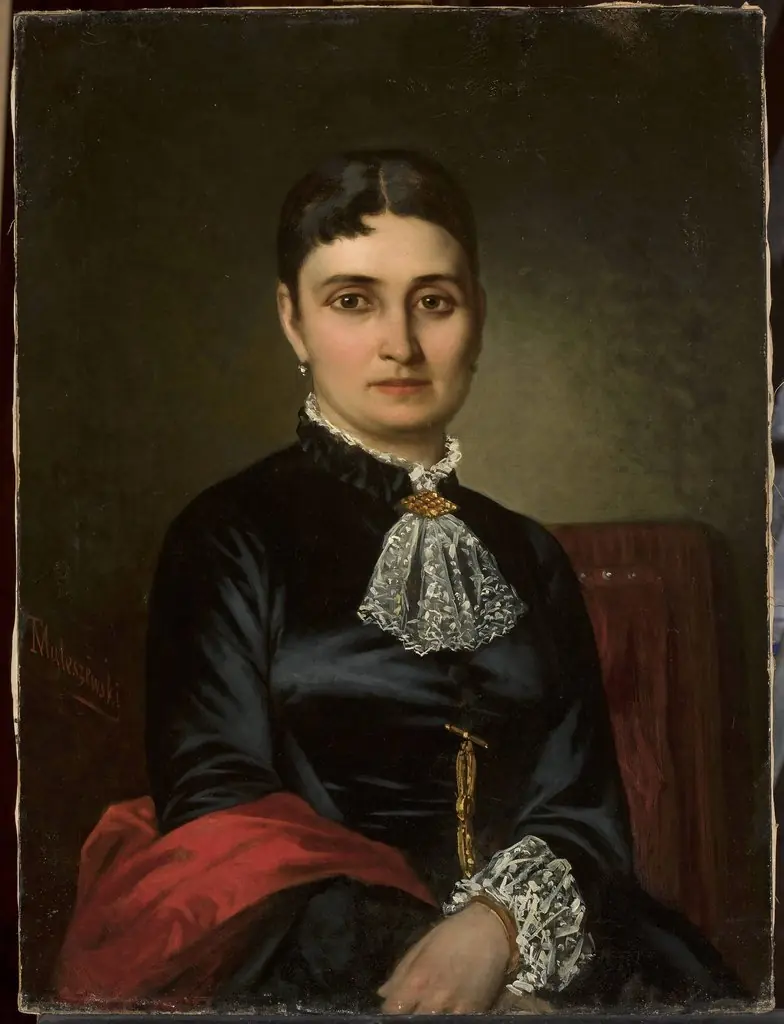 Portrait of Apolonia Anaszkowska