Artwork
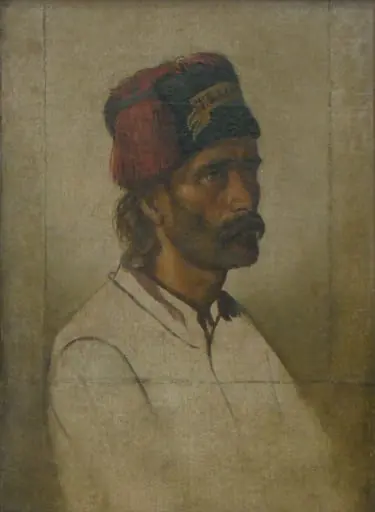
Schița portretului lui Tudor Vladimirescu
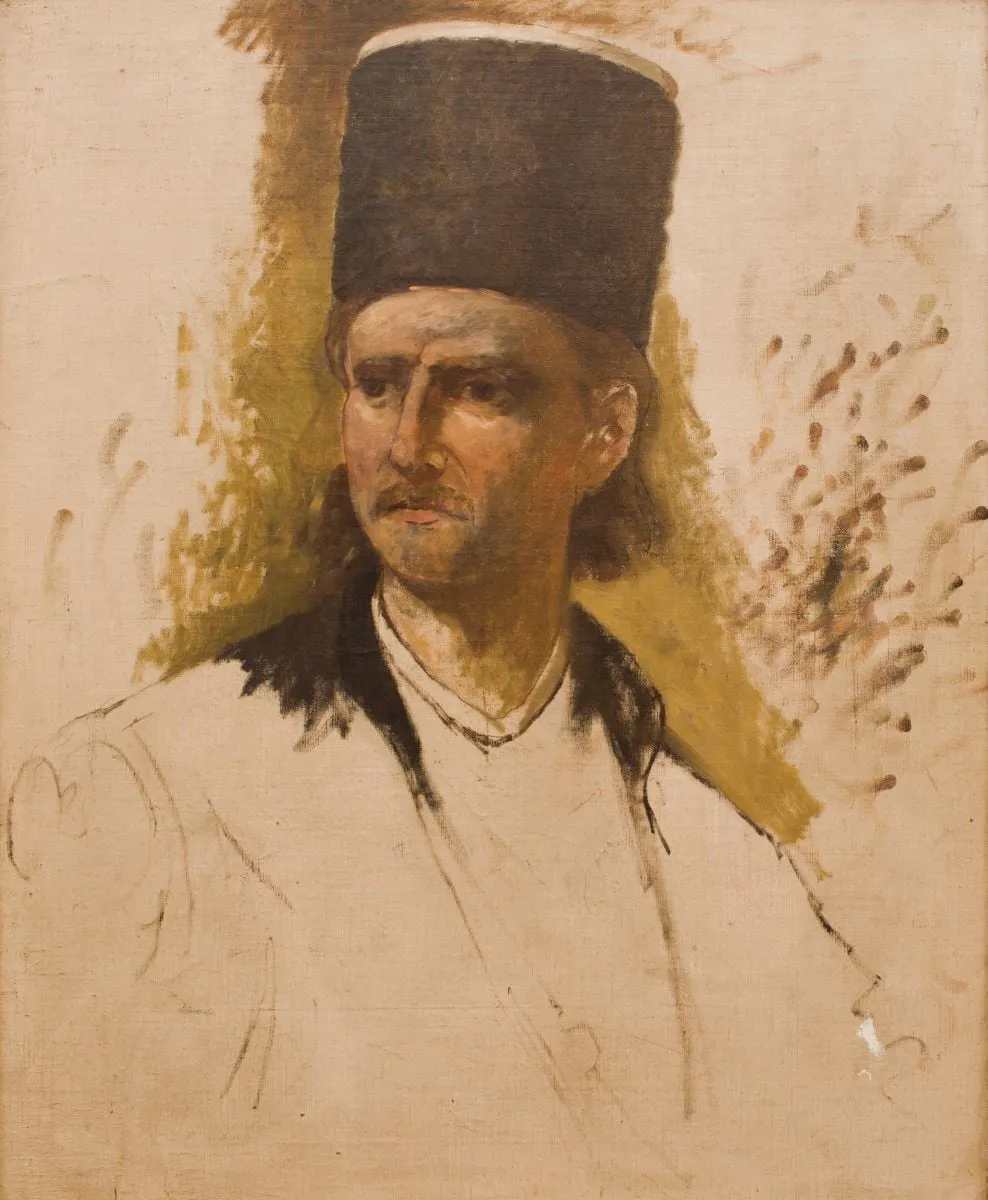
Schița portretului lui Tudor Vladimirescu is a print by Theodor Aman. It dates from 1874 and is held in the collection of the Bucharest Municipality Museum.
About this work
Overview
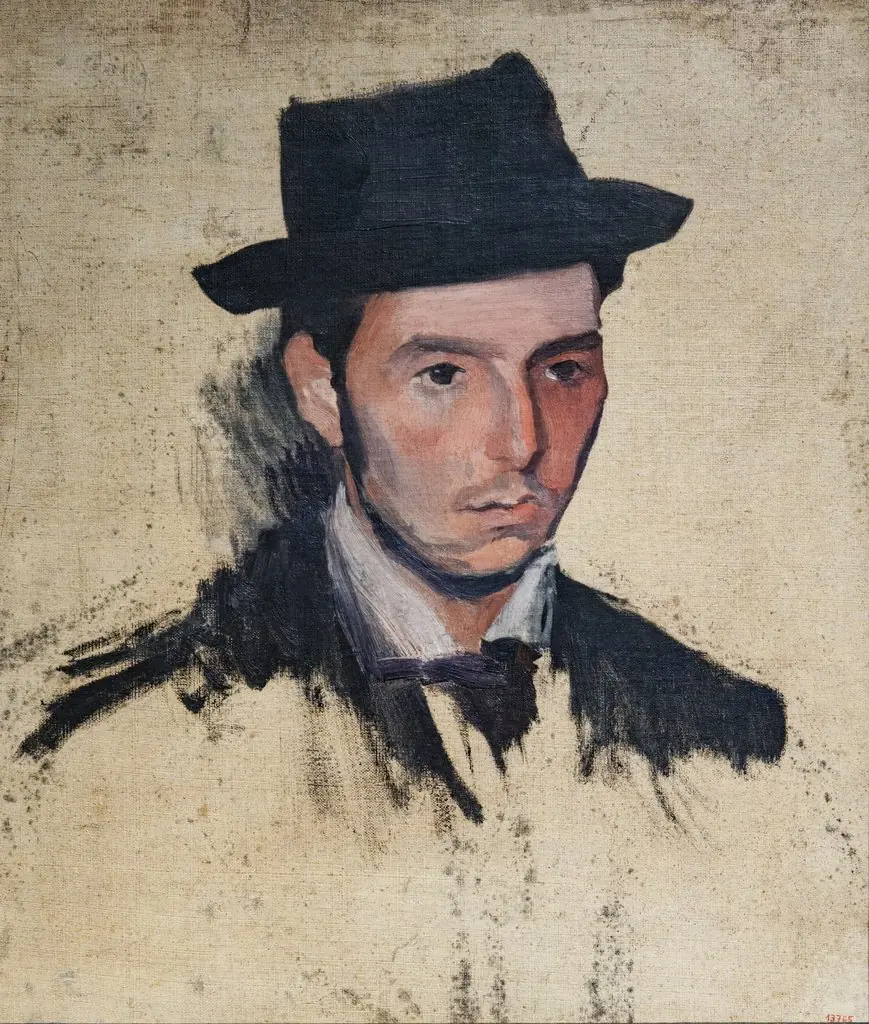
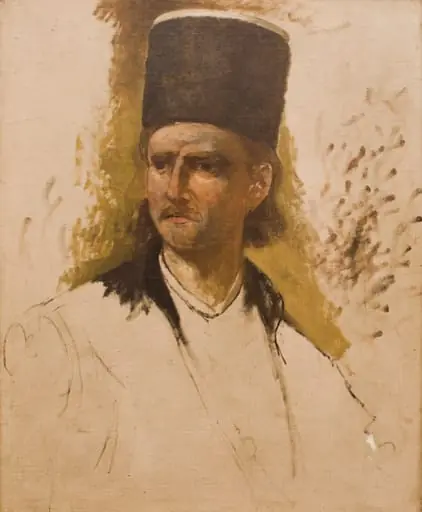
Theodor Aman created this 1874 drawing as a preparatory study for a portrait of Tudor Vladimirescu, a key figure in early 19th-century Romanian history.
Theodor Aman created this 1874 drawing as a preparatory study for a portrait of Tudor Vladimirescu, a key figure in early 19th-century Romanian history. Executed in pencil and ink on paper, the work reflects Aman’s role as both an artist and educator at the Bucharest School of Fine Arts. Its unfinished appearance and direct handling suggest it was intended as a working model rather than a finished piece, capturing the subject’s likeness with focused economy.
Subject & Meaning
Tudor Vladimirescu, a leader of the 1821 uprising against Phanariot rule, is depicted with solemnity and restraint. Aman emphasizes his facial structure and intense gaze, conveying a sense of resolve rather than heroism. The plain white shirt and black hat align with the attire of Romanian boyars or military leaders of the era, grounding the figure in historical reality. The portrait avoids idealization, presenting Vladimirescu as a grounded, authoritative presence.
Technique & Style
Aman employed quick, confident strokes to define the contours of the face and hat, using varying line weight to suggest volume and shadow. The background is loosely rendered with faint washes and smudged graphite, allowing the figure to emerge without distraction. The sketch’s spontaneity reveals Aman’s mastery of draftsmanship, prioritizing expressive accuracy over polish. Visible corrections and erasures underscore its function as a working study.
History & Provenance
Created during Aman’s tenure as a professor at the Bucharest School of Fine Arts, the sketch was likely used to guide a larger, commissioned portrait that was never completed. It entered the collection of the Museum of Ethnography in Romania, where it remains as part of a broader archive of national historical imagery. Its preservation reflects institutional interest in documenting the visual legacy of revolutionary figures.
Context
In the decades following Romanian unification, artists like Aman sought to visually anchor national identity through portraits of historical leaders. Vladimirescu, though controversial in his legacy, was increasingly framed as a proto-nationalist symbol. Aman’s sketch contributes to this effort, offering a restrained, humanized depiction that contrasts with later, more monumental treatments of the figure in public sculpture and painting.
Legacy
Though not widely exhibited, this sketch endures as a key example of Aman’s approach to historical portraiture—direct, unembellished, and rooted in observation. It influenced later Romanian artists seeking to depict national figures with psychological depth rather than mythic grandeur. As a surviving preparatory work, it offers insight into the artistic process behind Romania’s 19th-century visual historiography.
Artist & collection
Artist
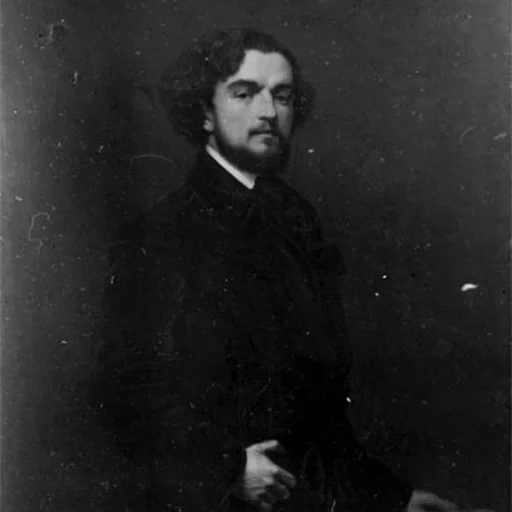
Theodor Aman (20 March 1831 – 19 August 1891) was a Romanian painter, engraver and art professor. He mostly produced genre and history scenes.