Artwork
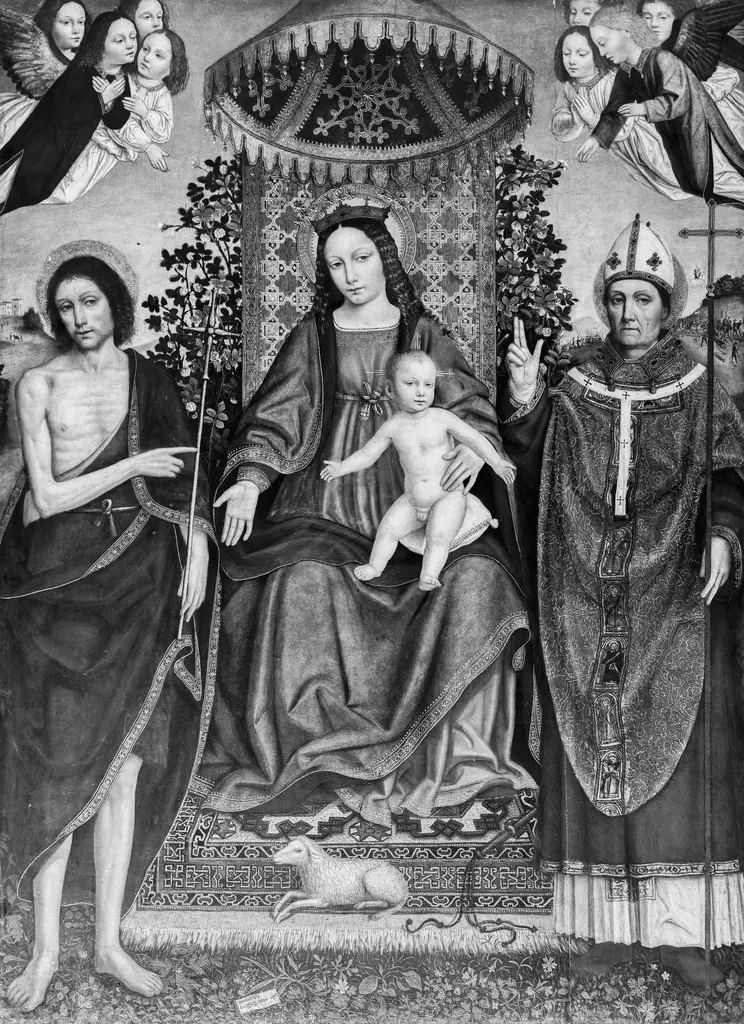
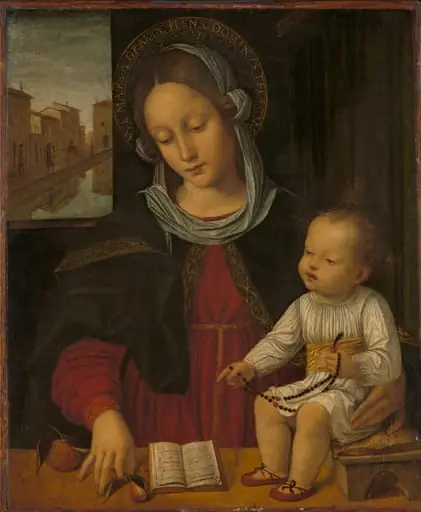
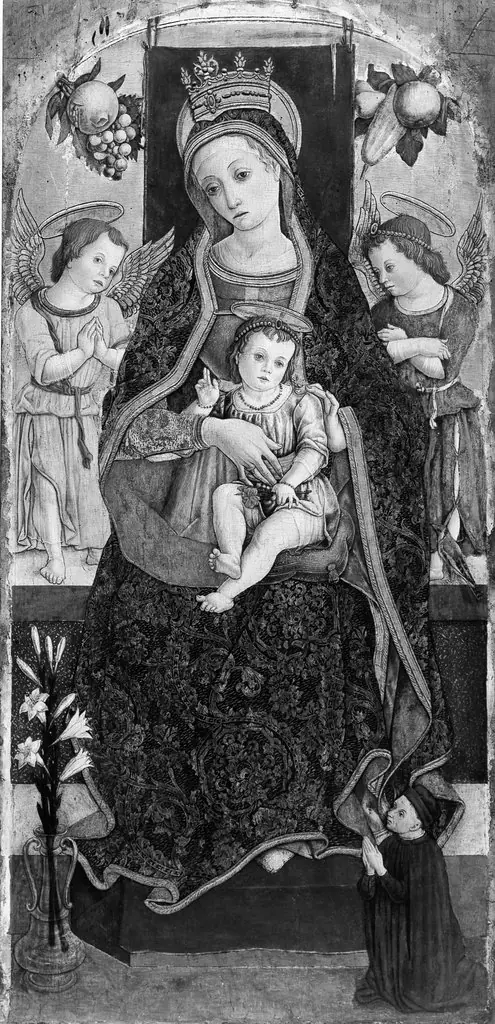
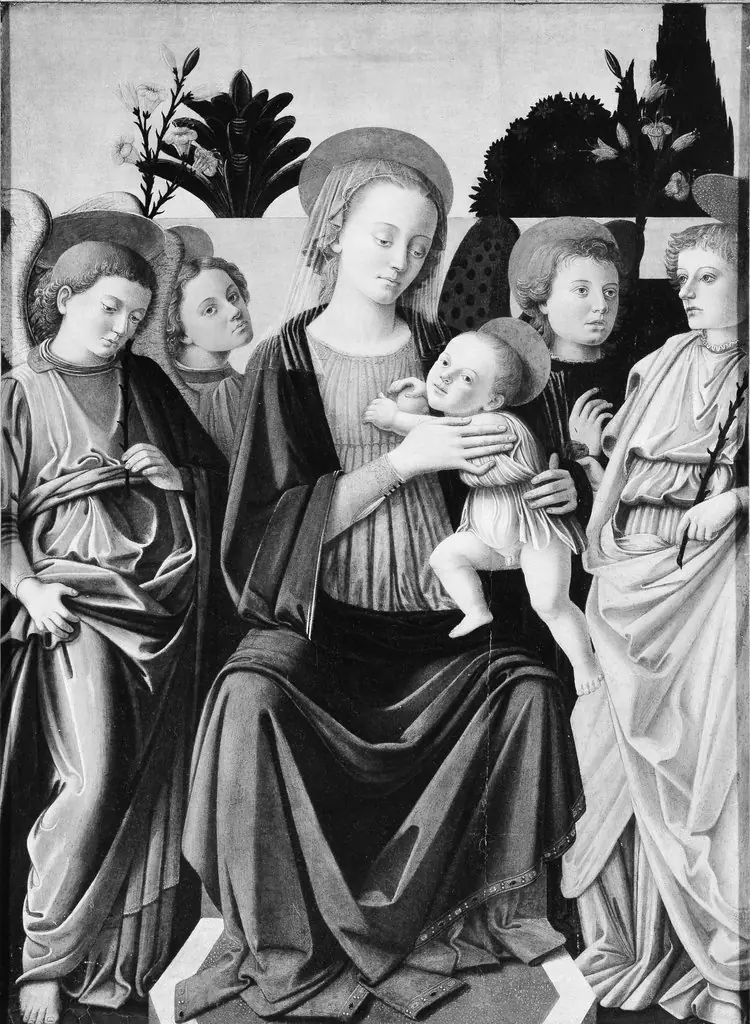
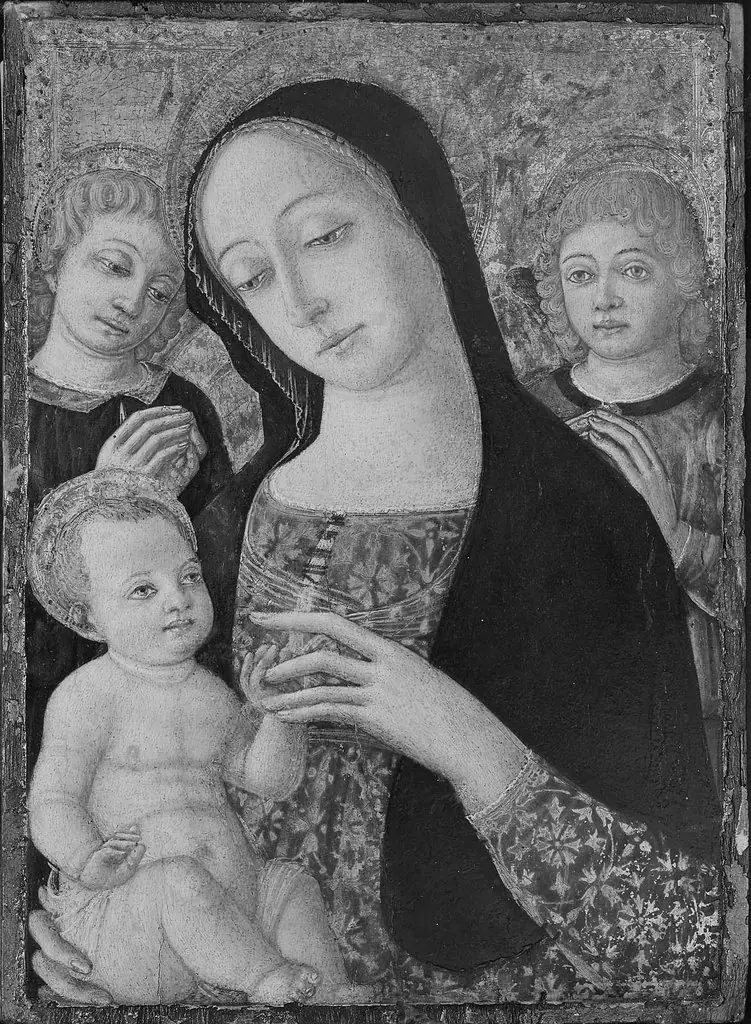
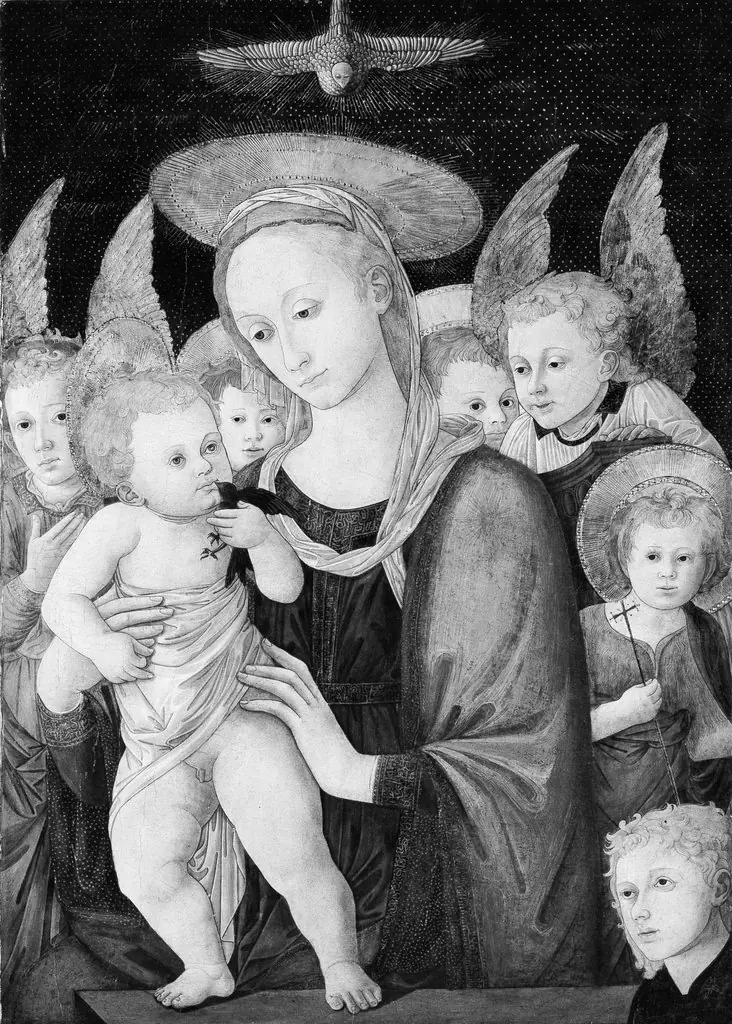
Mary enthroned with child
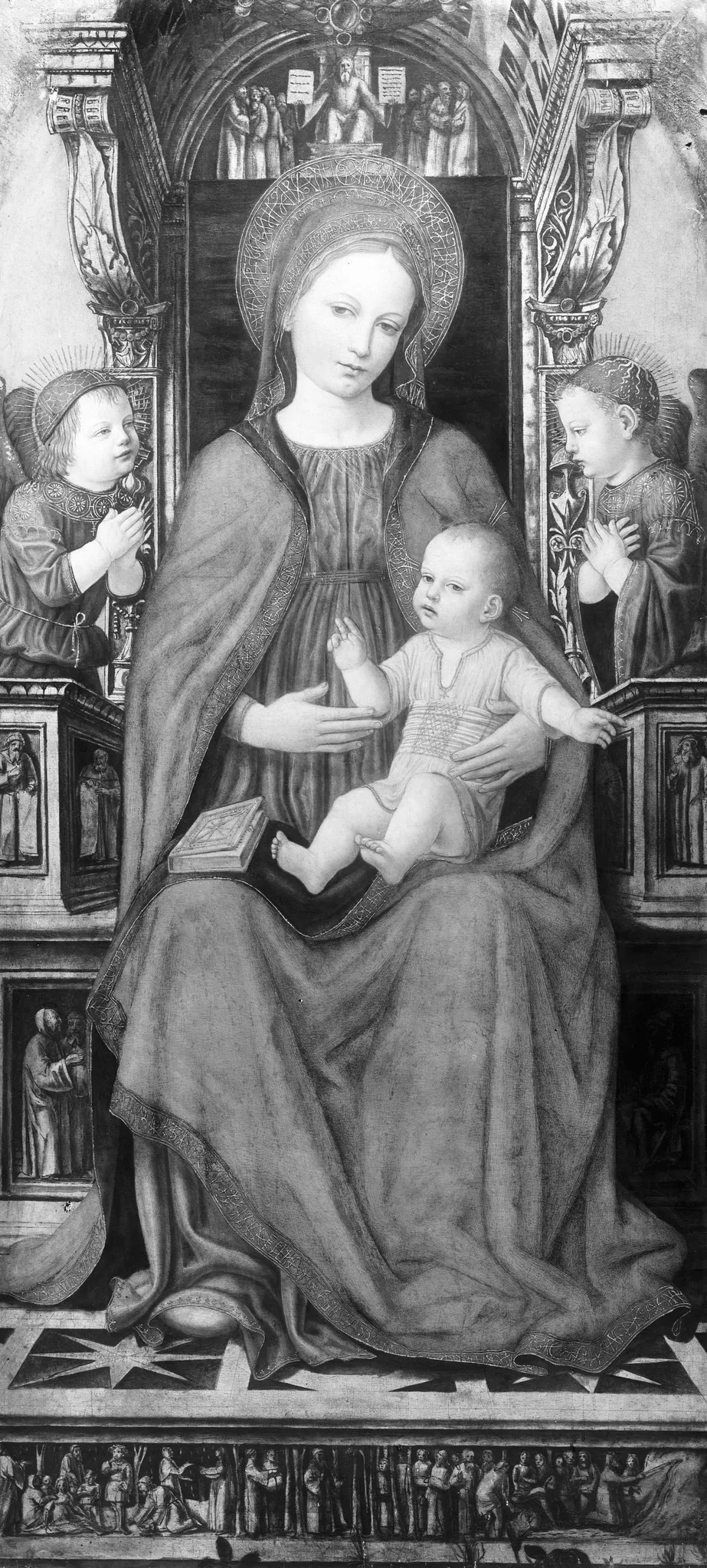
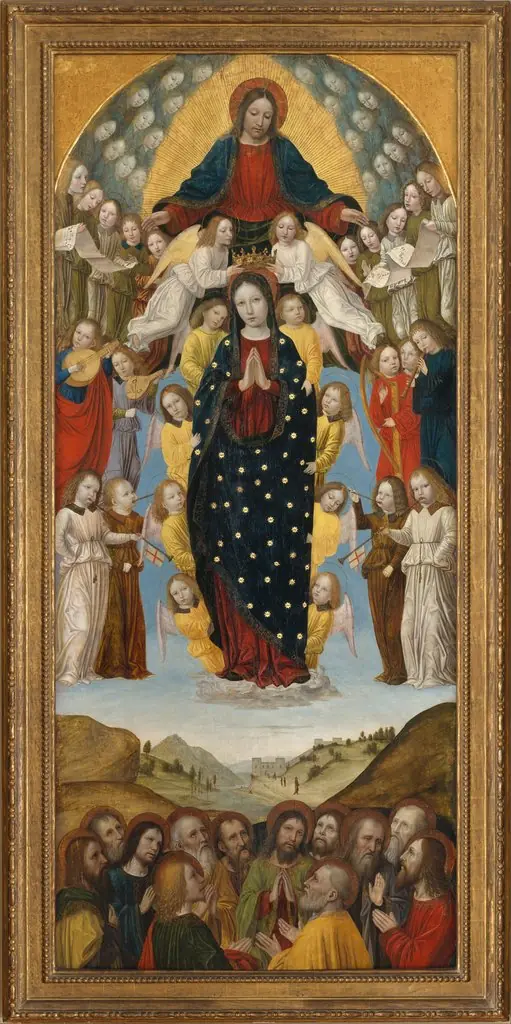
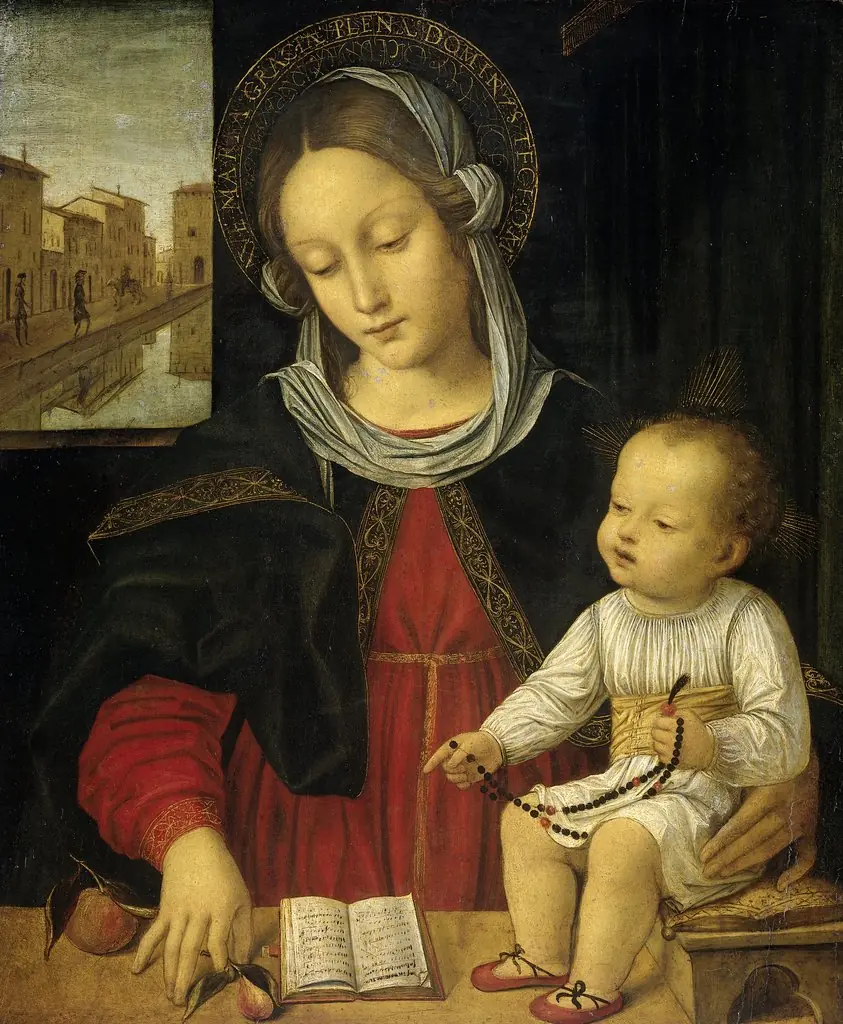
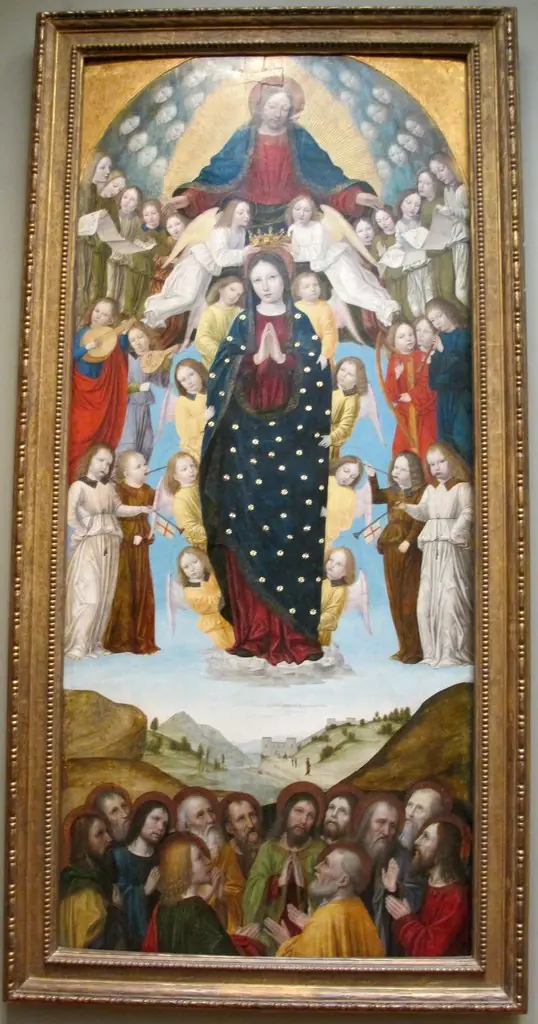
Mary enthroned with child is a paint painting by the Early Baroque Italian artist Ambrogio Bergognone. It dates from 1500 and is held in the collection of the Gemäldegalerie Berlin.
About this work
Overview
Ambrogio Bergognone, an Italian painter active around Milan at the turn of the 16th century, executed the work titled *Mary enthroned with child* in 1500.
Ambrogio Bergognone, an Italian painter active around Milan at the turn of the 16th century, executed the work titled *Mary enthroned with child* in 1500. Executed in oil on panel, the composition presents a devotional image of the Virgin and infant Christ. The painting is part of the Gemäldegalerie Berlin’s collection and exemplifies the transitional style between late Renaissance and early Baroque in northern Italy.
Subject & Meaning
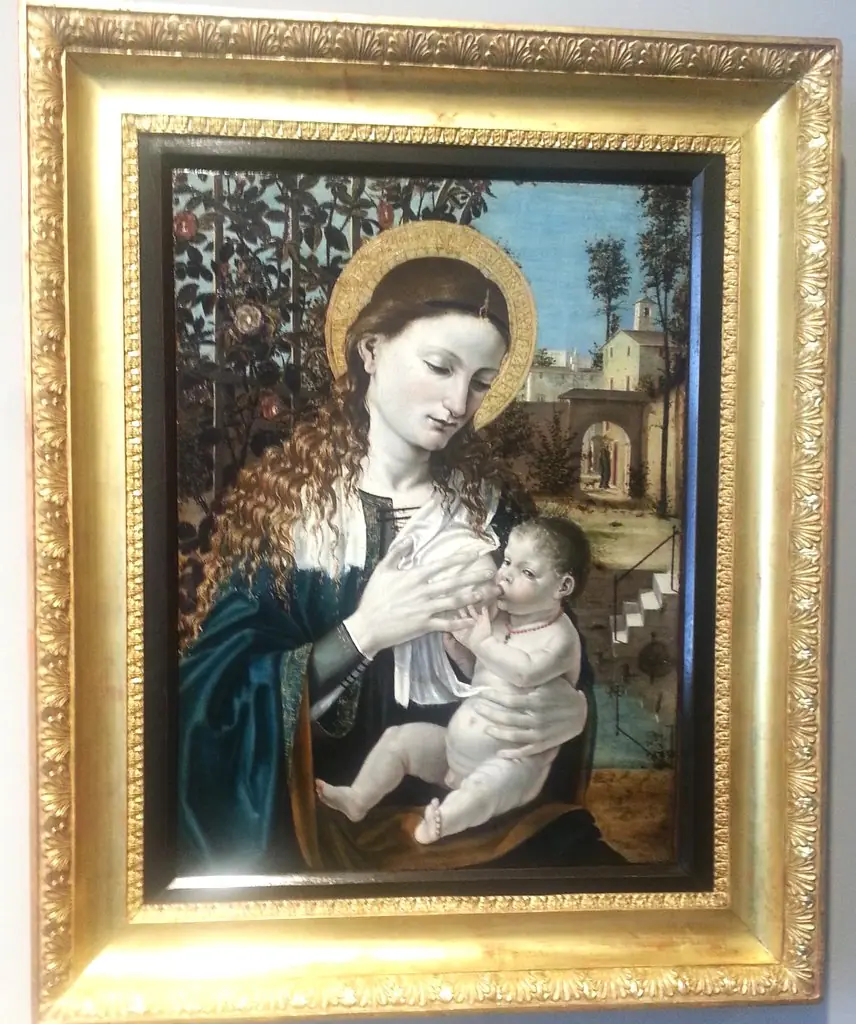
The central figure is the Virgin Mary seated on an elevated throne, cradling the infant Jesus on her lap. Mary is dressed in a flowing mantle and crowned, symbolizing her regal status, while the child wears a simple tunic, emphasizing his humanity. The intimate pose underscores themes of motherhood, divinity, and the protective role of the mother of God within Christian iconography.
Technique & Style
Bergognone employs a pronounced chiaroscuro, using deep shadows behind the figures to heighten the contrast with the illuminated flesh tones. This handling of light creates a three‑dimensional presence and adds a subtle dramatic tension to the scene. The palette is restrained, with the dark background serving to focus attention on the luminous figures and their delicate details.
History & Provenance
Created at the beginning of the 16th century, the painting entered the German museum sector in the 20th century, eventually becoming part of the Gemäldegalerie Berlin’s holdings. Its provenance reflects the broader movement of Italian Renaissance works into northern European collections during the period of increased art trade and museum acquisitions.
Context
The work reflects the devotional practices of northern Italian churches, where images of the Virgin and Child were central to liturgical and private worship. Bergognone’s approach combines the compositional clarity of the Lombard school with emerging Baroque sensibilities, situating the piece at a crossroads of artistic developments in the region.
Artist & collection
Artist
Ambrogio Bergognone (variously known as Ambrogio da Fossano, Ambrogio di Stefano da Fossano, Ambrogio Stefani da Fossano or as il Bergognone or Ambrogio Egogni, c.