Artwork
De H. Johannes de Doper
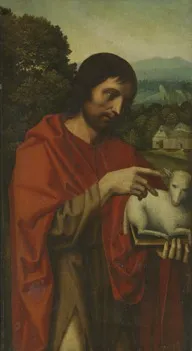
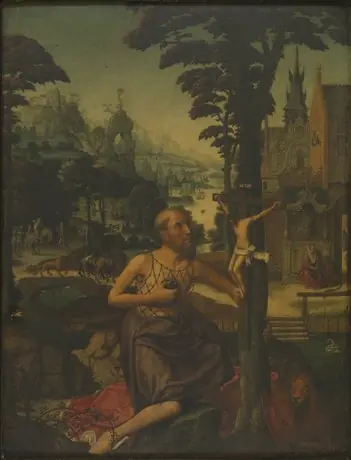
De H. Johannes de Doper is an oil painting by the Northern Renaissance artist Ambrosius Benson. It dates from 1522 and is held in the collection of the Royal Museums of Fine Arts of Belgium.
About this work
Overview
The painting is part of the Royal Museums of Fine Arts of Belgium’s collection, reflecting its significance in early 16th-century Northern European art.
Painted in 1522 by Ambrosius Benson, *De H. Johannes de Doper* is an oil-on-panel work depicting John the Baptist. Benson, a Flemish artist active in Bruges, specialized in religious imagery and portraiture, operating a productive workshop that supplied patrons across Europe. The painting is part of the Royal Museums of Fine Arts of Belgium’s collection, reflecting its significance in early 16th-century Northern European art.
Subject & Meaning
The figure of John the Baptist is shown in a contemplative pose, dressed in a red robe draped over one shoulder, pointing toward a white lamb resting on a book. The lamb symbolizes Christ’s sacrificial role, while the book may reference scripture or the Gospel. Benson presents the saint not as a desert prophet but as a serene, humanized figure within a domesticated landscape, aligning with contemporary devotional preferences of the period.
Technique & Style
Benson employs fine brushwork and subtle gradations of oil paint to render textures—fabric folds, fur, and distant foliage—with quiet precision. The background merges muted earth tones with delicate architectural elements, creating depth without dramatic perspective. His style blends Northern attention to detail with a restrained, almost intimate atmosphere, avoiding theatricality in favor of quiet reverence.
History & Provenance
The painting entered the Royal Museums of Fine Arts of Belgium’s holdings through established collections of Flemish art, likely acquired in the 19th century during broader efforts to preserve regional heritage. Its attribution to Benson has been consistently supported by stylistic analysis and workshop records, though its exact early ownership remains undocumented beyond its presence in Belgian institutional care.
Context
In early 16th-century Flanders, religious imagery remained central despite growing humanist influences. Benson’s adaptation of traditional iconography into calm, domestic settings catered to private devotion among urban elites. His international clientele, particularly in Spain, indicates a demand for devotional works that balanced familiarity with spiritual gravitas, avoiding the extremes of Reformation iconoclasm.
Legacy
Benson’s approach to religious subjects influenced later Flemish painters who favored intimate, humanized saints over grand altarpieces. *De H. Johannes de Doper* exemplifies a shift toward personal piety in Northern art, where quiet composition and refined technique replaced monumental drama. The work remains a reference for understanding how religious themes evolved in private, non-liturgical contexts during the Renaissance.
Artist & collection
Artist
Ambrosius Benson (c. 1495/1500 – 1550) was an Italian painter who became a part of the Northern Renaissance. While many surviving paintings have been attributed, there is very little known of him from records, and he…

Museum
Royal Museums of Fine Arts of Belgium
Continue through works from the same source collection.
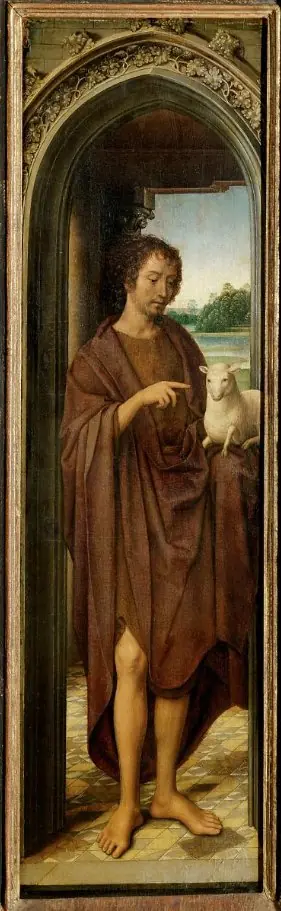 Innenflügel des Johannesaltärchen: Johannes der Täufer
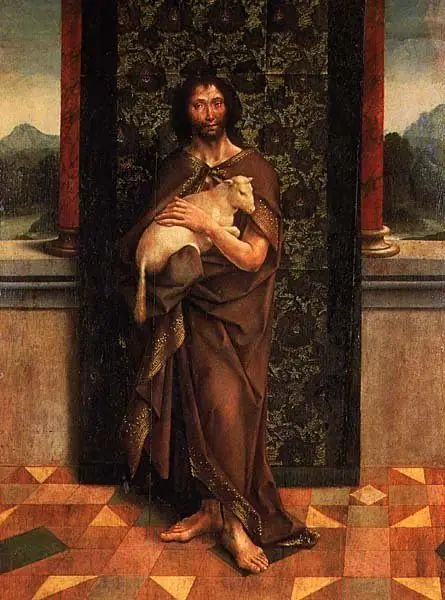 The Good Shepherd
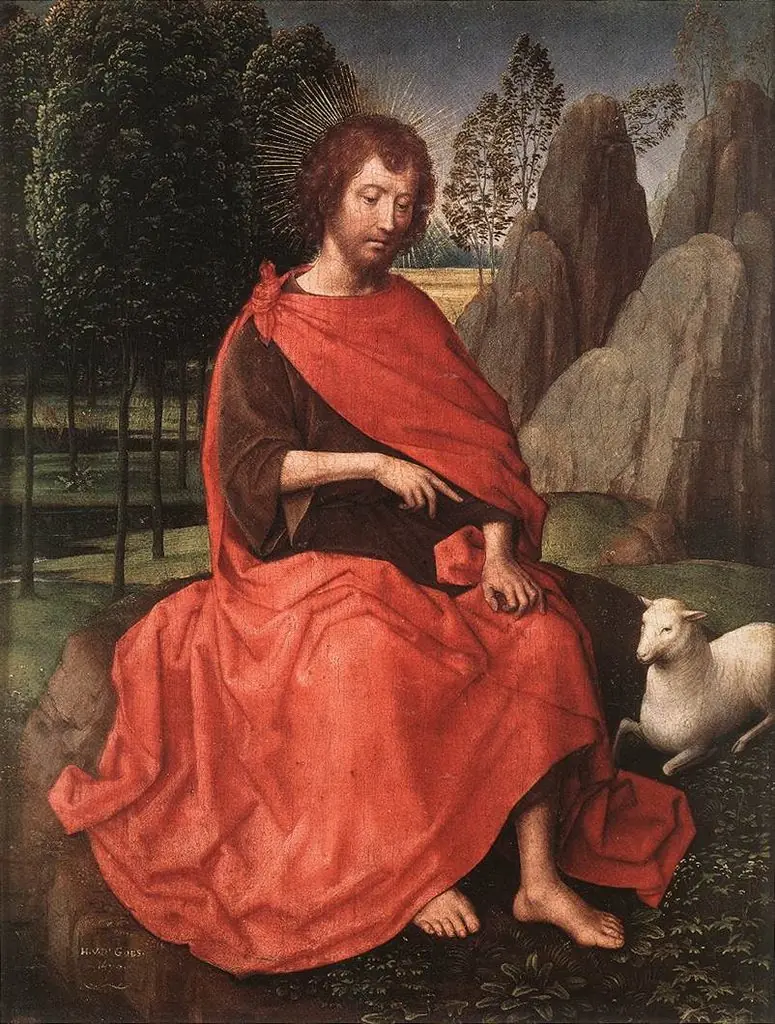 John de Baptist (recto); a skull (verso)
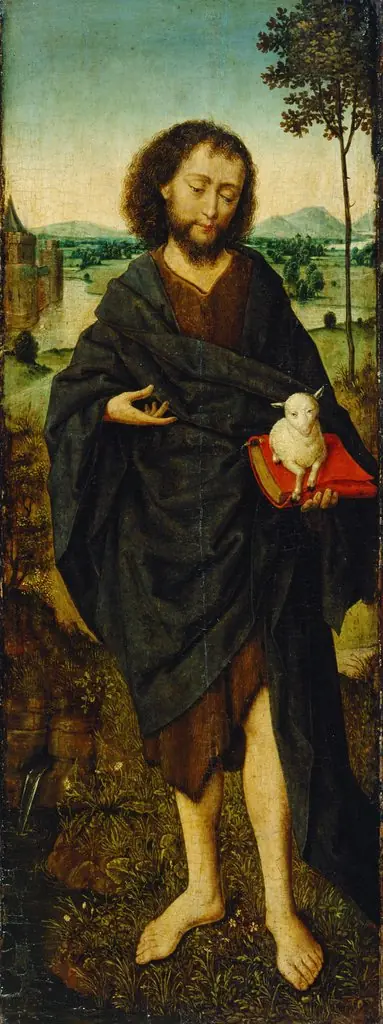 Johannes d. Täufer
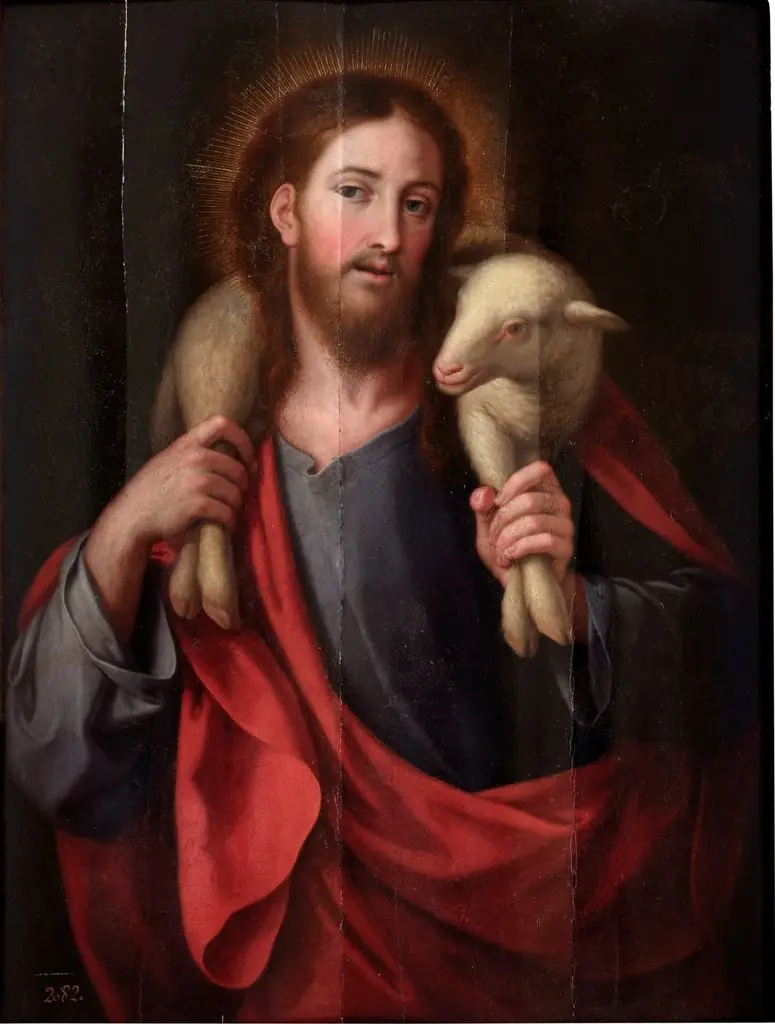 El Buen Pastor
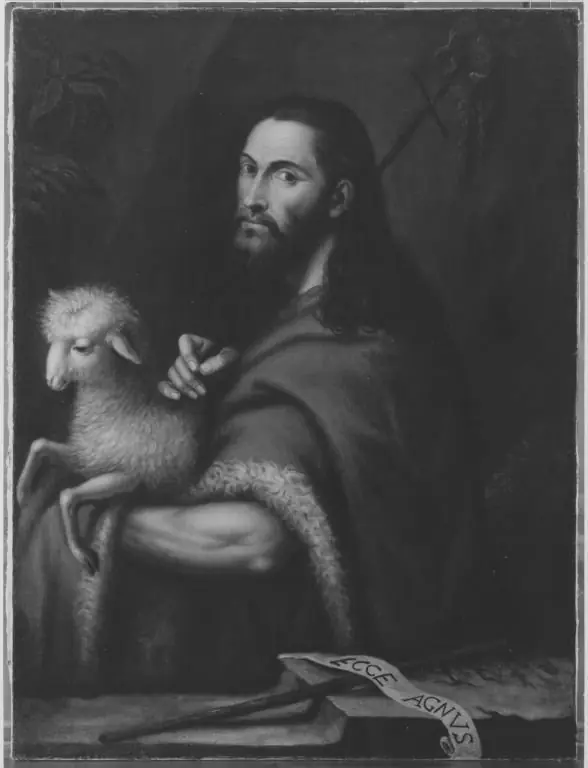 Johannes der Täufer
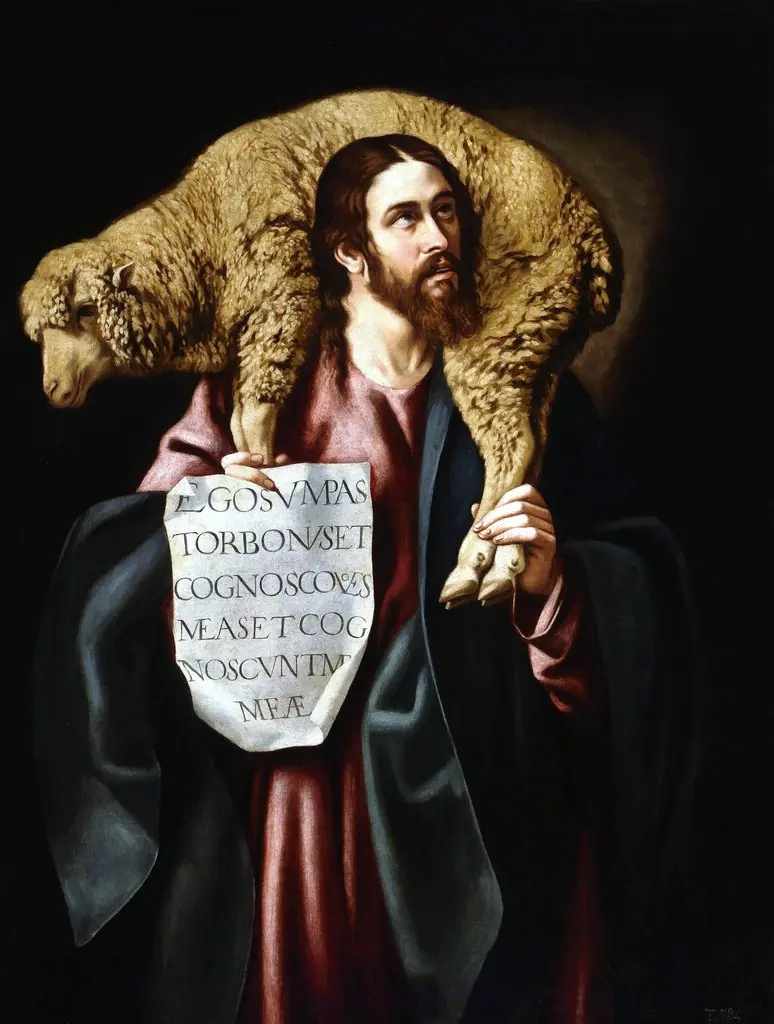 El Buen Pastor
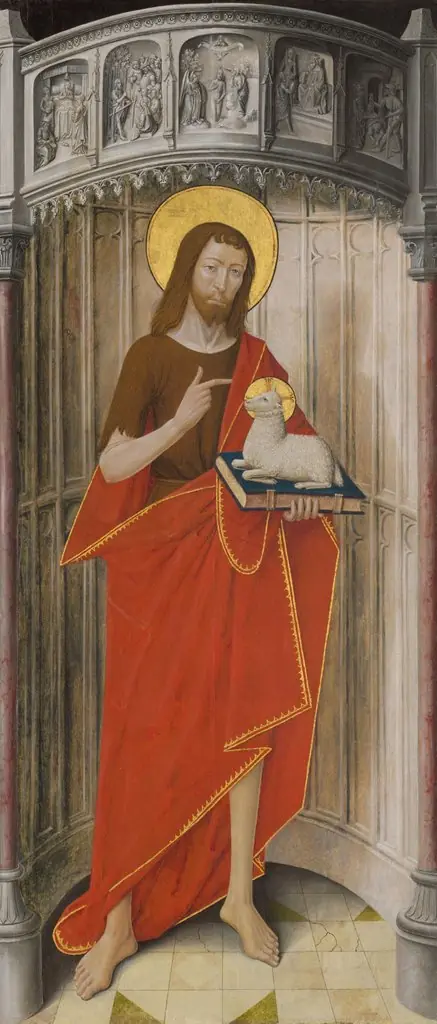 Panels from the High Altar of the Charterhouse of Saint-Honoré, Thuison-les-Abbeville: Saint John the Baptist
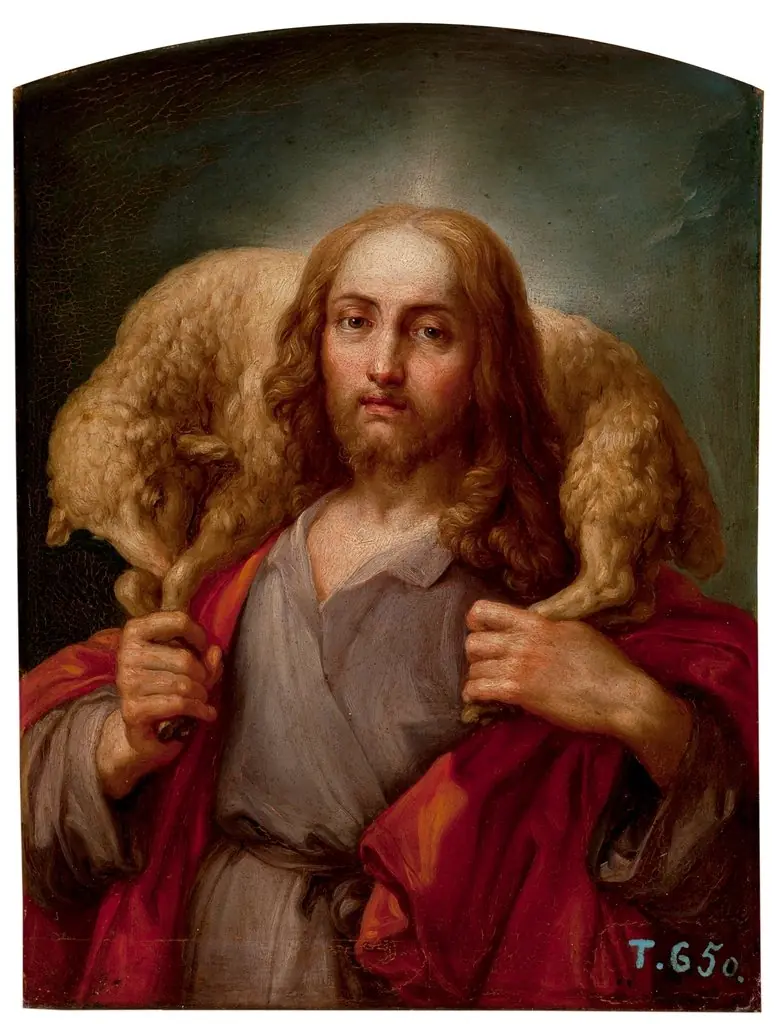 The Good Shepherd
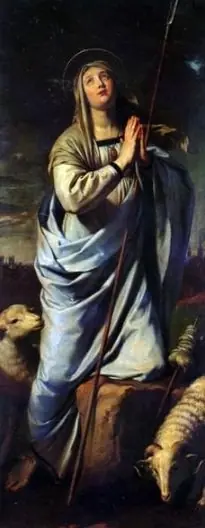 Saint Genoveva
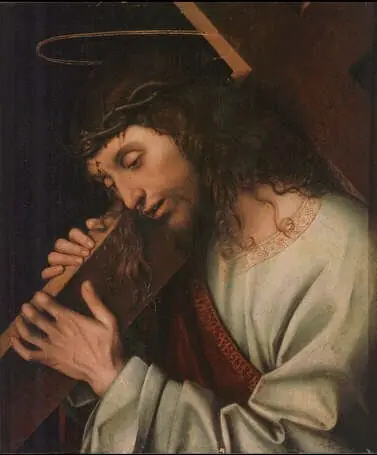 Christ carrying the cross
 De H. Hieronymus in de wildernis