Artwork
The Good Shepherd
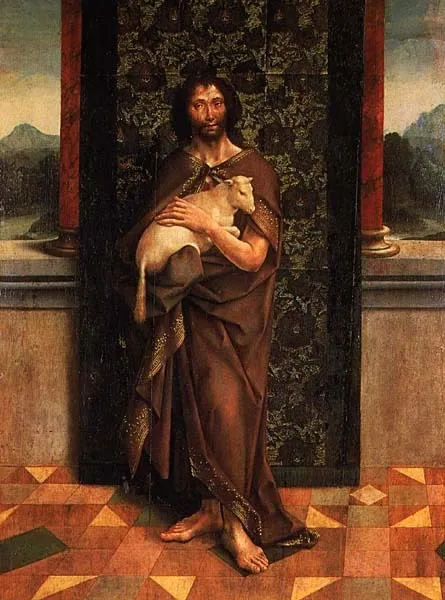
The Good Shepherd is an unspecified painting by the High Renaissance artist Frei Carlos. It dates from 1520 and is held in the collection of the National Museum of Ancient Art.
About this work
Overview
The figure stands alone in a modest interior, illuminated by natural light from a window, with a lamb cradled gently against his chest.
Painted in 1520 by Frei Carlos, this work presents a quiet, intimate portrayal of Christ as the Good Shepherd. Executed in oil on panel, it avoids dramatic spectacle in favor of stillness and contemplation. The figure stands alone in a modest interior, illuminated by natural light from a window, with a lamb cradled gently against his chest. The composition emphasizes serenity over grandeur, aligning with devotional practices of the period.
Subject & Meaning
The image draws from the Gospel of John, where Christ is described as the shepherd who cares for his flock. Here, the lamb’s posture—head nestled against the figure’s chest—suggests trust and protection. The bare feet and simple robe imply humility, reinforcing the spiritual theme of divine care. The absence of other figures or narrative elements focuses attention on the solitary bond between shepherd and lamb as a metaphor for divine guardianship.
Technique & Style
Frei Carlos employs a restrained palette of earth tones, with subtle gold detailing along the robe to denote sacredness without ostentation. The tiled floor and wall hanging display careful attention to pattern and texture, grounding the scene in tangible space. Light falls naturally from the window, modeling the figure and lamb with soft gradations. The background mountains, rendered in muted blues and greens, recede gently, enhancing the sense of quiet enclosure.
History & Provenance
The painting has been part of the National Museum of Ancient Art’s collection since its early institutional formation. It was likely created for private devotion within a monastic context, given the artist’s identity as a friar. No records of earlier ownership or commission survive, but its preservation suggests it was valued within religious circles. Its survival through centuries reflects its enduring role in Portuguese devotional culture.
Context
Created during the early 16th century, the work reflects the transition from late Gothic to Renaissance sensibilities in Portugal. While retaining medieval devotional themes, it incorporates emerging naturalism in its spatial treatment and figure modeling. The interior setting, uncommon in earlier shepherd imagery, signals a shift toward intimate, personal spirituality. This aligns with broader trends in Iberian religious art emphasizing quiet contemplation over public spectacle.
Legacy
Though not widely reproduced or celebrated beyond regional circles, the painting remains a significant example of Portuguese devotional art from the early Renaissance. Its understated composition and emotional restraint offer insight into the spiritual priorities of monastic communities. It continues to serve as a reference point for scholars studying the evolution of religious imagery in Portugal during a period of cultural consolidation.
Artist & collection

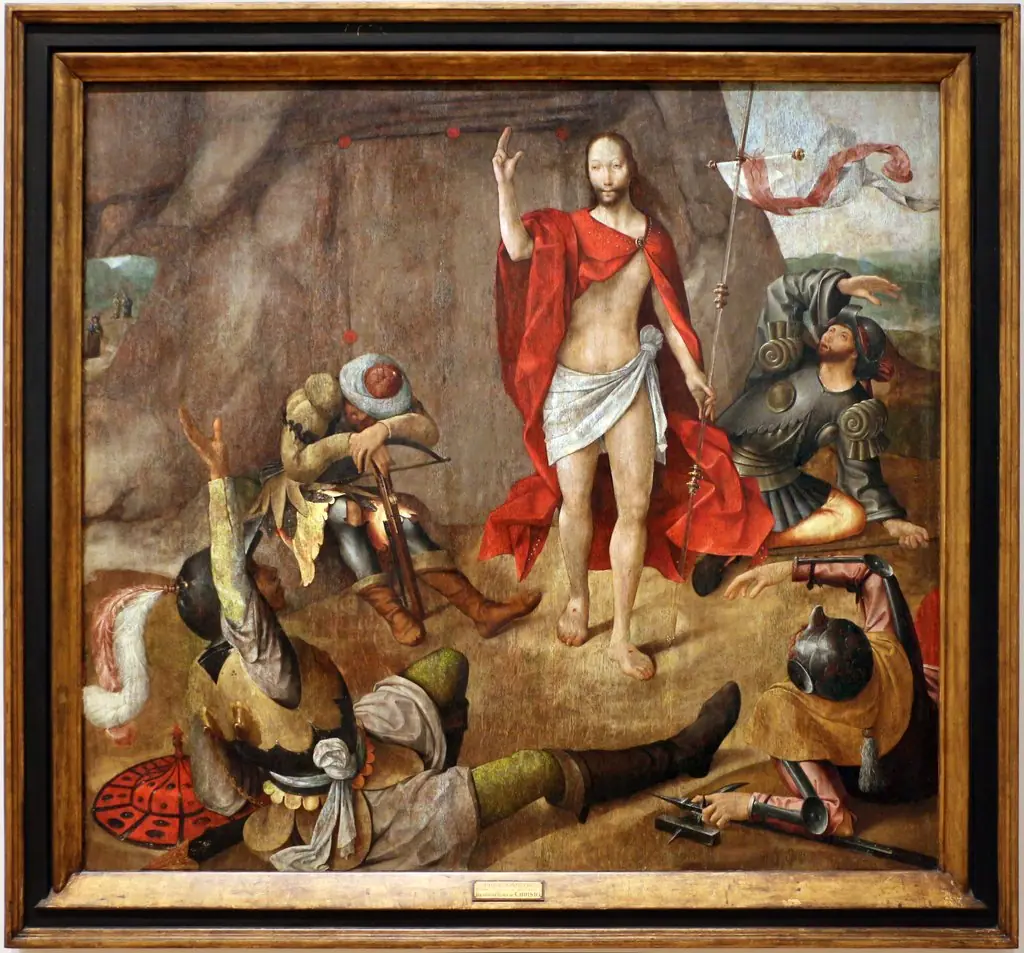
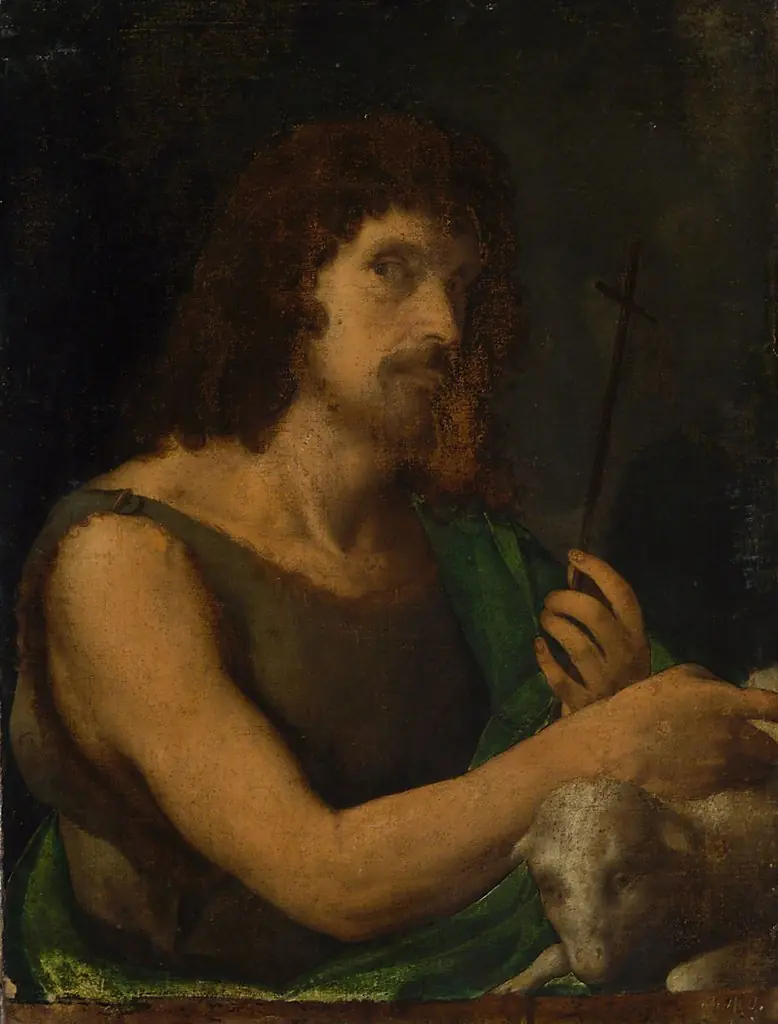 Johannes der Täufer
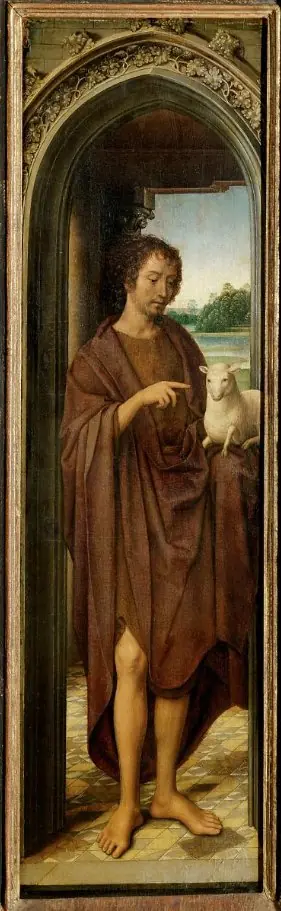 Innenflügel des Johannesaltärchen: Johannes der Täufer
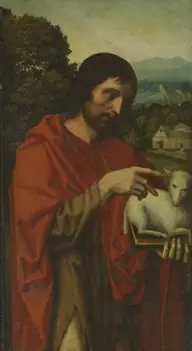 De H. Johannes de Doper
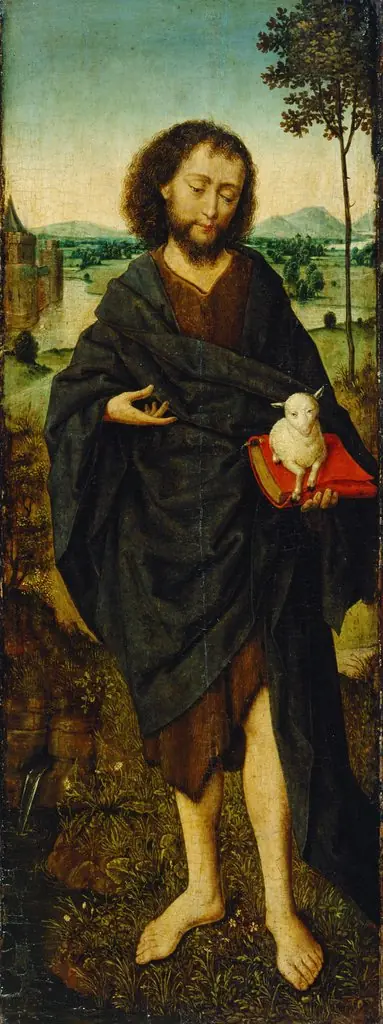 Johannes d. Täufer
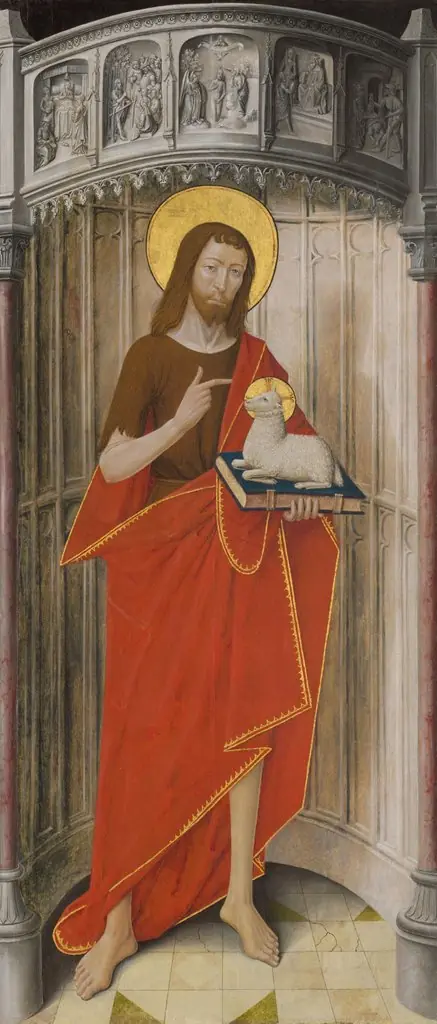 Panels from the High Altar of the Charterhouse of Saint-Honoré, Thuison-les-Abbeville: Saint John the Baptist
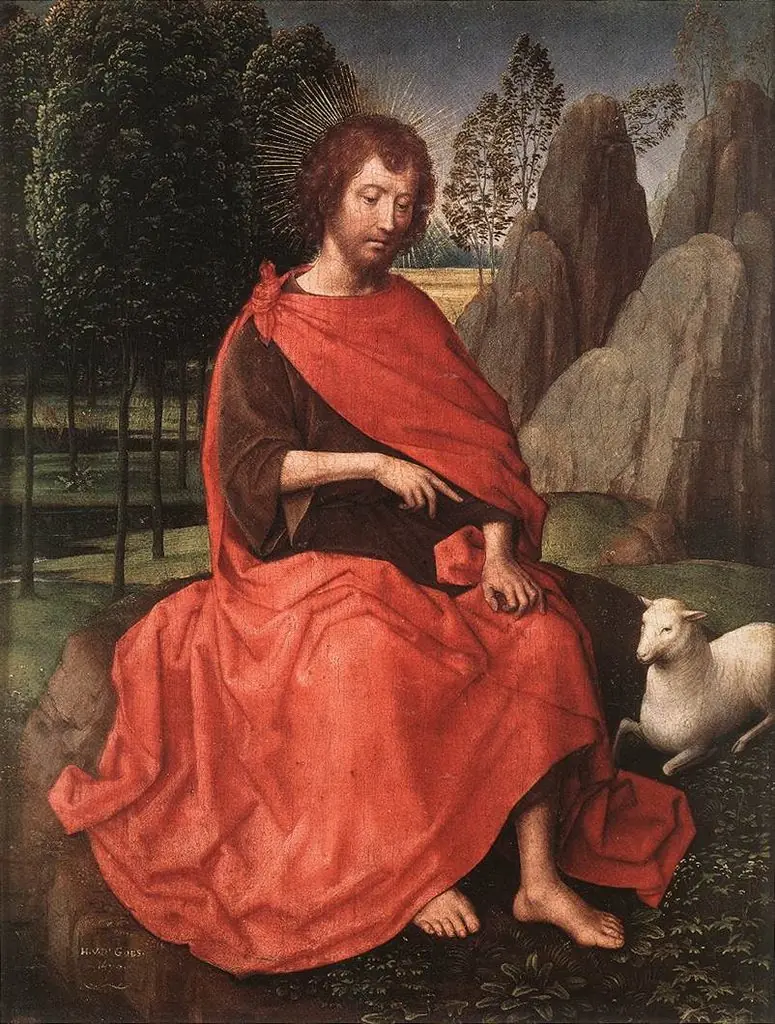 John de Baptist (recto); a skull (verso)
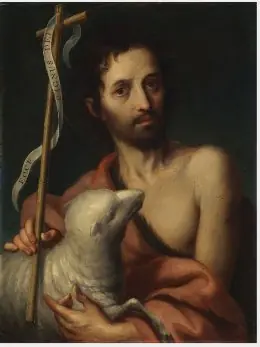 Saint John and the Lamb
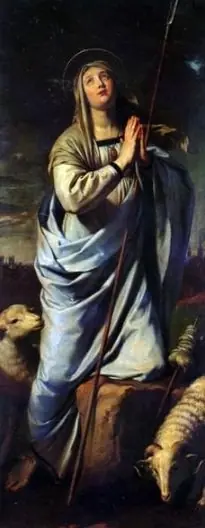 Saint Genoveva
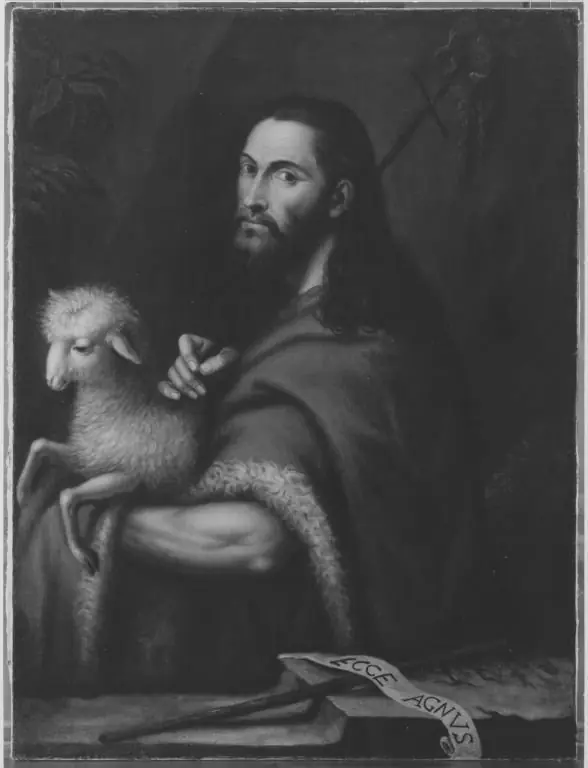 Johannes der Täufer
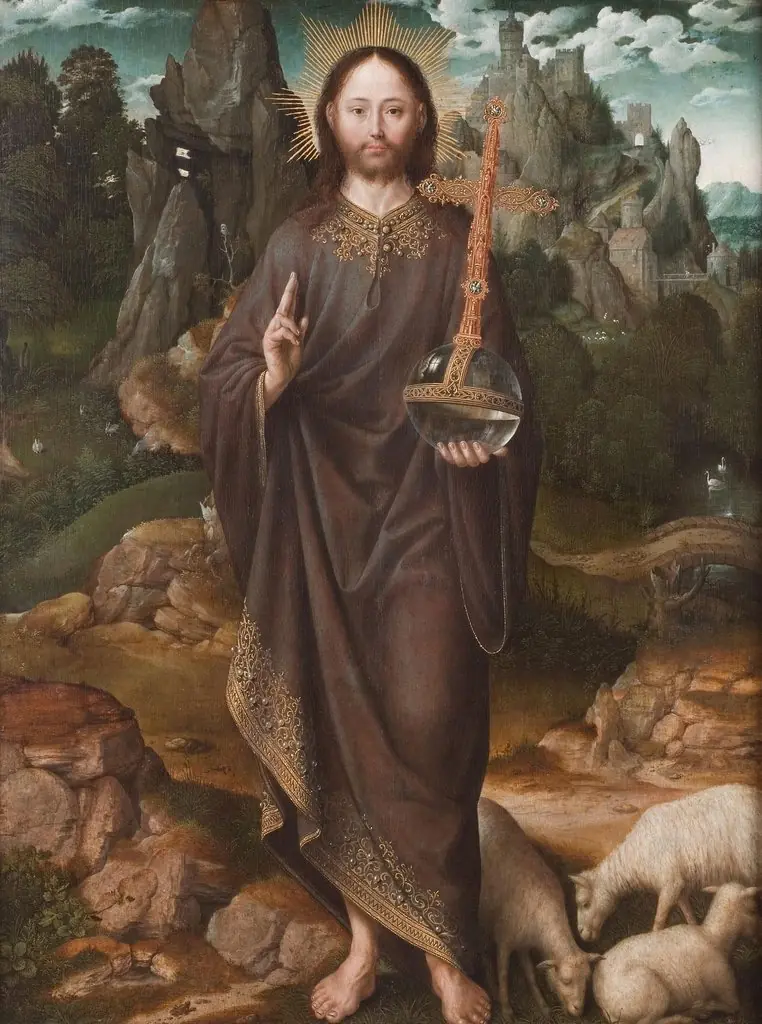 Salvator Mundi in a Landscape