Artwork
Family Party Playing at Fox and Geese
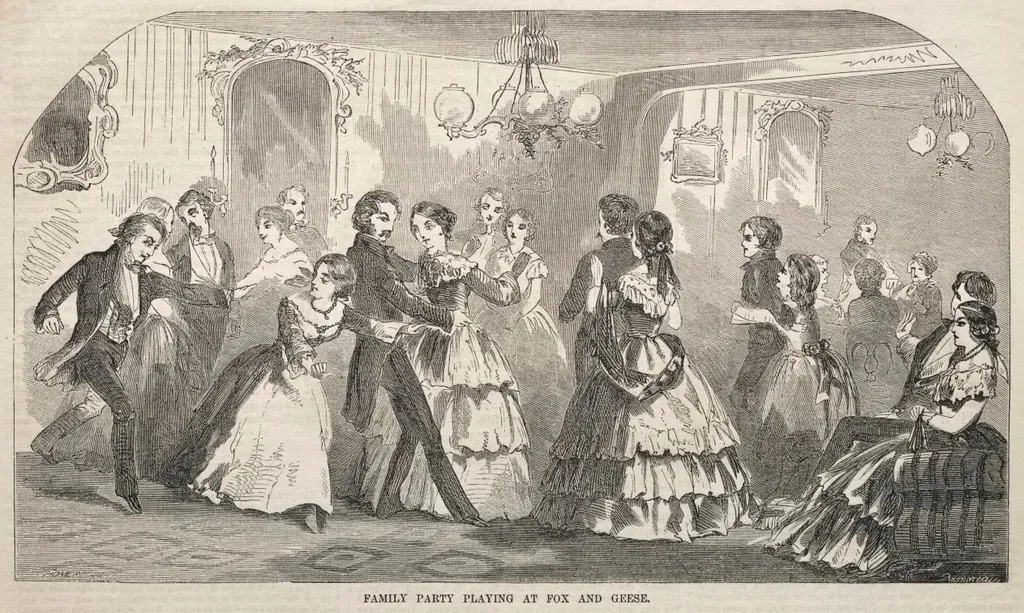
Family Party Playing at Fox and Geese is a print by the Impressionist artist Winslow Homer. It dates from 1857 and is held in the collection of the Cleveland Museum of Art.
About this work
Overview
Created in 1857 when Winslow Homer was twenty-one, this print captures a quiet winter moment in a rural American household.
Created in 1857 when Winslow Homer was twenty-one, this print captures a quiet winter moment in a rural American household. Though best known later for seascapes, Homer’s early work focused on domestic scenes drawn from everyday life. This piece stands as one of his earliest surviving depictions of ordinary people engaged in leisure, made before he fully transitioned from illustration to fine art.
Subject & Meaning
The scene portrays a group of children and adults gathered outdoors in snow, playing a traditional parlor game called Fox and Geese. One child slides a wooden block along grooves in the snow while others lean in, intently watching its path. The composition emphasizes quiet concentration and familial interaction, suggesting themes of childhood play, seasonal rhythm, and communal ritual in mid-19th-century America.
Technique & Style
Homer rendered the scene with restrained detail and soft tonal contrasts, using the snow’s brightness to unify the composition. Figures are simplified but expressive, their postures conveying focus and stillness. The lack of sharp outlines and the muted palette reflect his illustrative training, where clarity and narrative immediacy took precedence over elaborate finish.
History & Provenance
This work originates from Homer’s formative years as a commercial artist, before he gained recognition for oil and watercolor paintings. It was produced as a print, likely for reproduction in periodicals, aligning with his early livelihood. Few such early domestic scenes by Homer survive, making this a rare document of his artistic development and interest in American vernacular life.
Context
In the 1850s, American art increasingly turned toward scenes of daily life, influenced by European realism and a growing national identity. Homer’s depiction of a winter game reflects this trend, capturing a pastime common in rural communities. Unlike formal portraits, this image values ordinary moments, signaling a shift in subject matter that would later define American genre painting.
Legacy
Though overshadowed by Homer’s later marine works, this print reveals the foundations of his artistic vision: attention to quiet human behavior, sensitivity to environment, and a preference for unidealized subjects. It remains a significant early example of how American artists began to find meaning in the mundane, paving the way for a distinctly national visual language.
Artist & collection
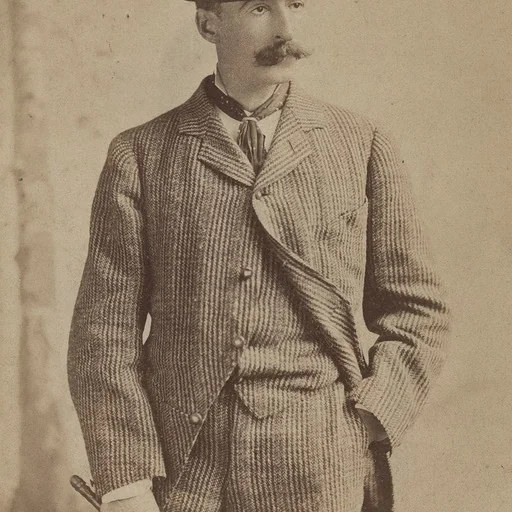
Artist
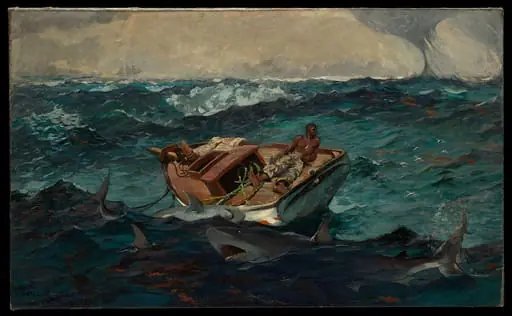
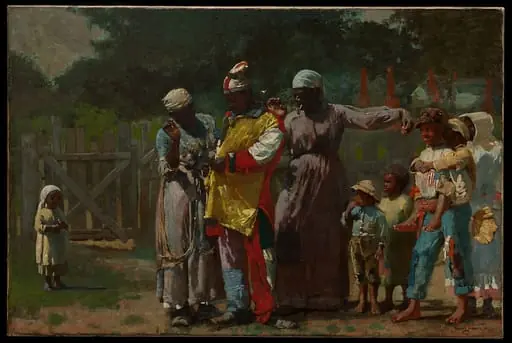
Winslow Homer (February 24, 1836 – September 29, 1910) was an American landscape painter and illustrator, best known for his marine subjects.

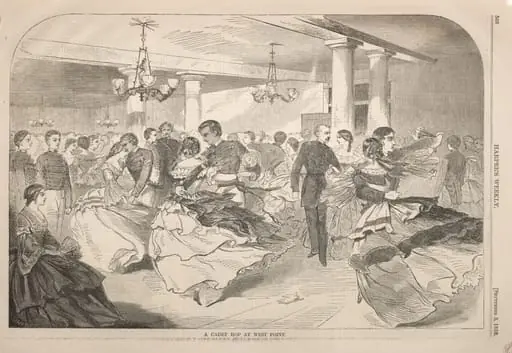 A Cadet Hop at West Point
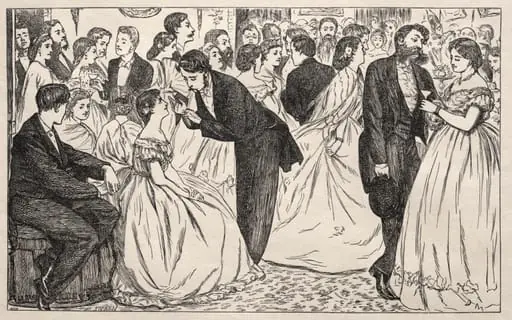 A Little Hop in Harley Street
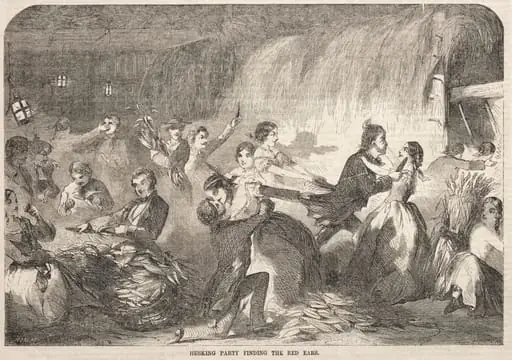 Husking Party Finding the Red Ears
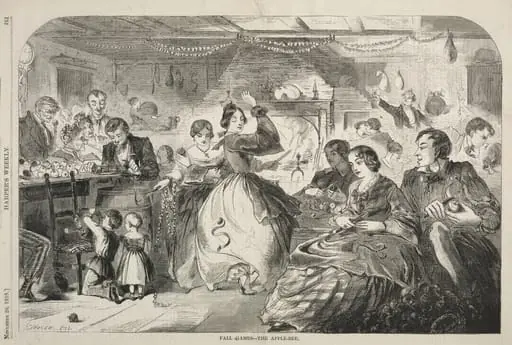 Fall Games - The Apple Bee
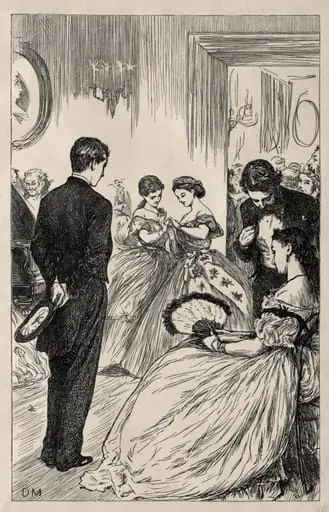 Coelebs in Search of a Mulready Envelope
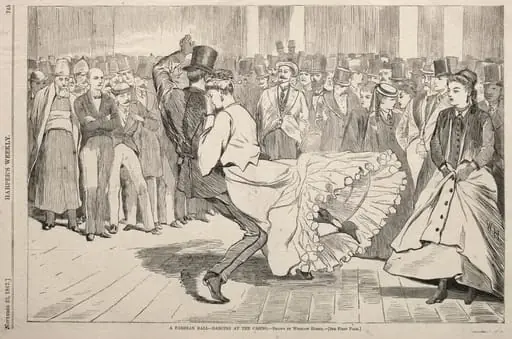 A Parisian Ball - Dancing at the Casino
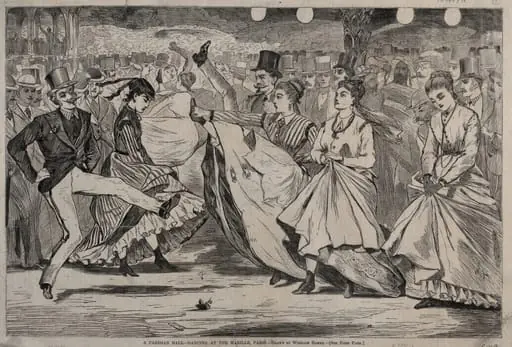 A Parisian Ball - Dancing at the Mabille, Paris
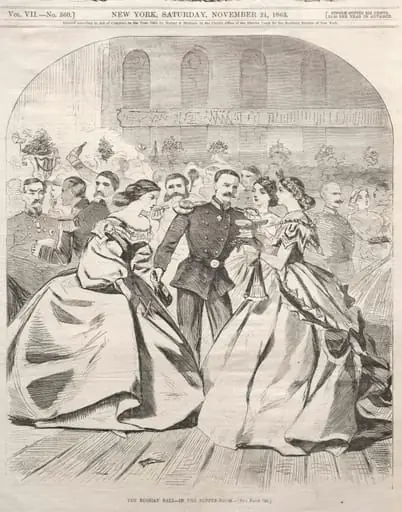 The Russian Ball - In the Supper Room
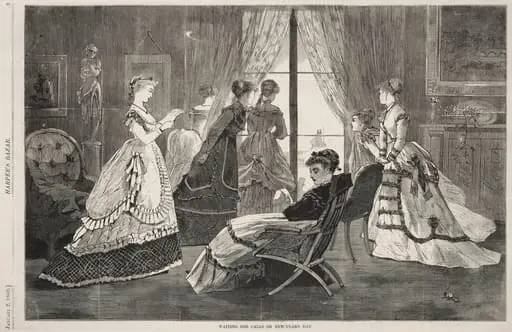 Waiting for Calls on New Year's Day
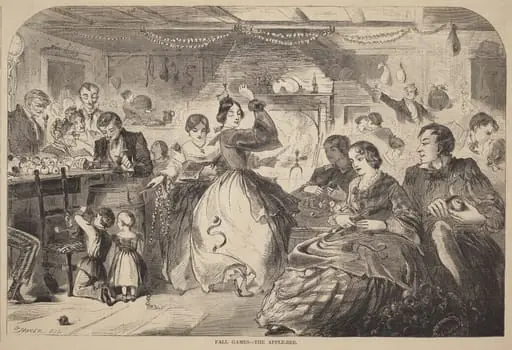 Fall Games - The Apple-Bee
 Print Collection
 The Buds