Artwork
Trompe l'Oeil: A Full House with Chips, $2 and $5 Bills
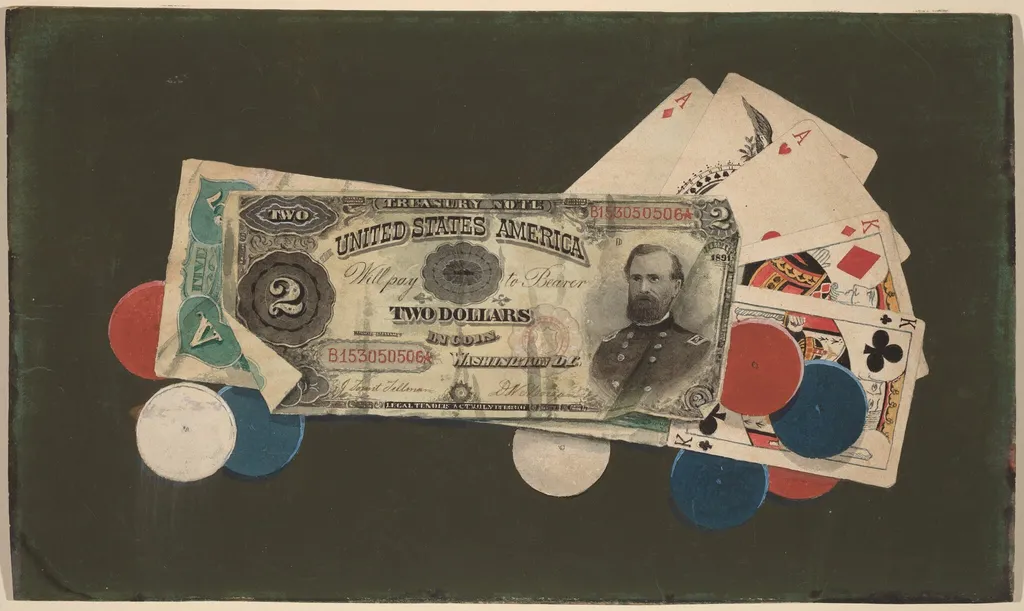
Trompe l'Oeil: A Full House with Chips, $2 and $5 Bills is a watercolor drawing by the Impressionist artist American 19th Century. It dates from 1895 and is held in the collection of the National Gallery of Art. The work is a watercolor drawing executed over a graphite underdrawing and mounted on cardboard.
About this work
The painting is a great example of American 19th Century art, and it would be interesting to learn more about the artist who created it.
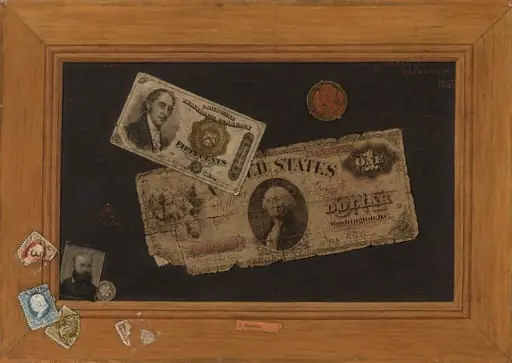
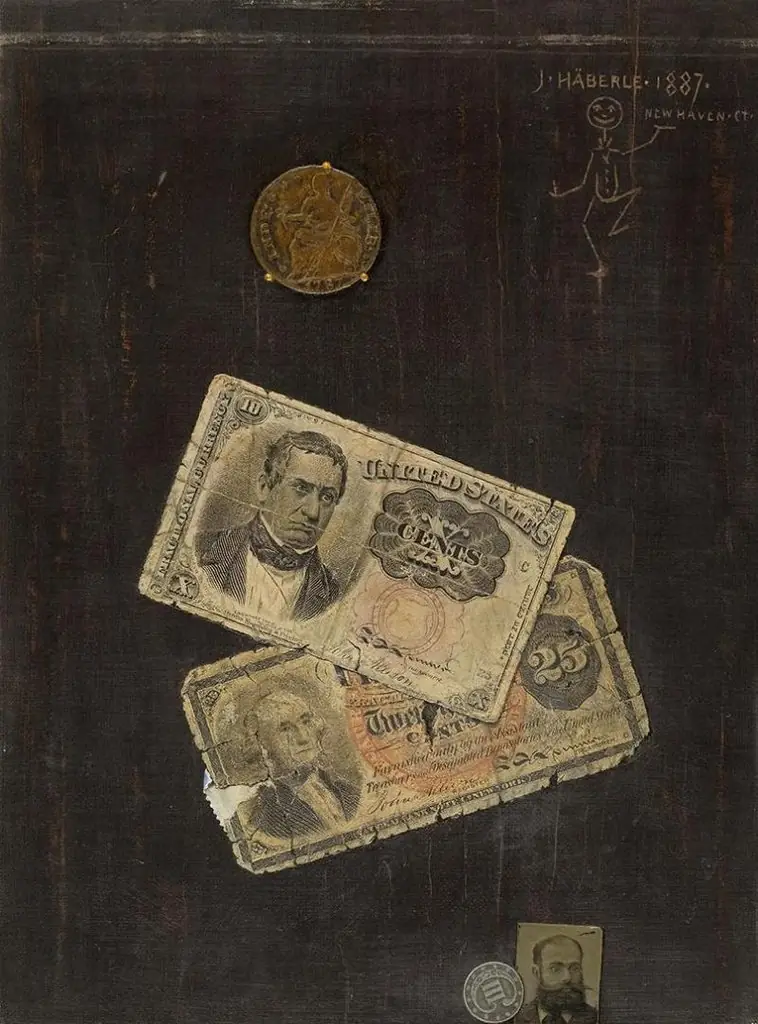
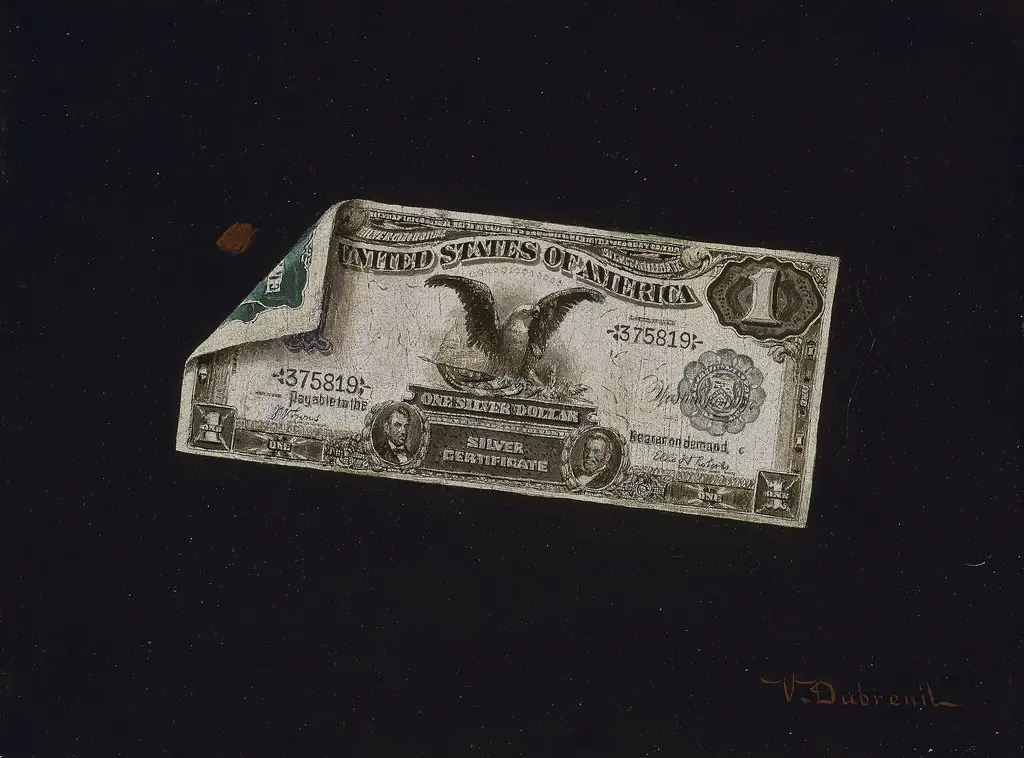
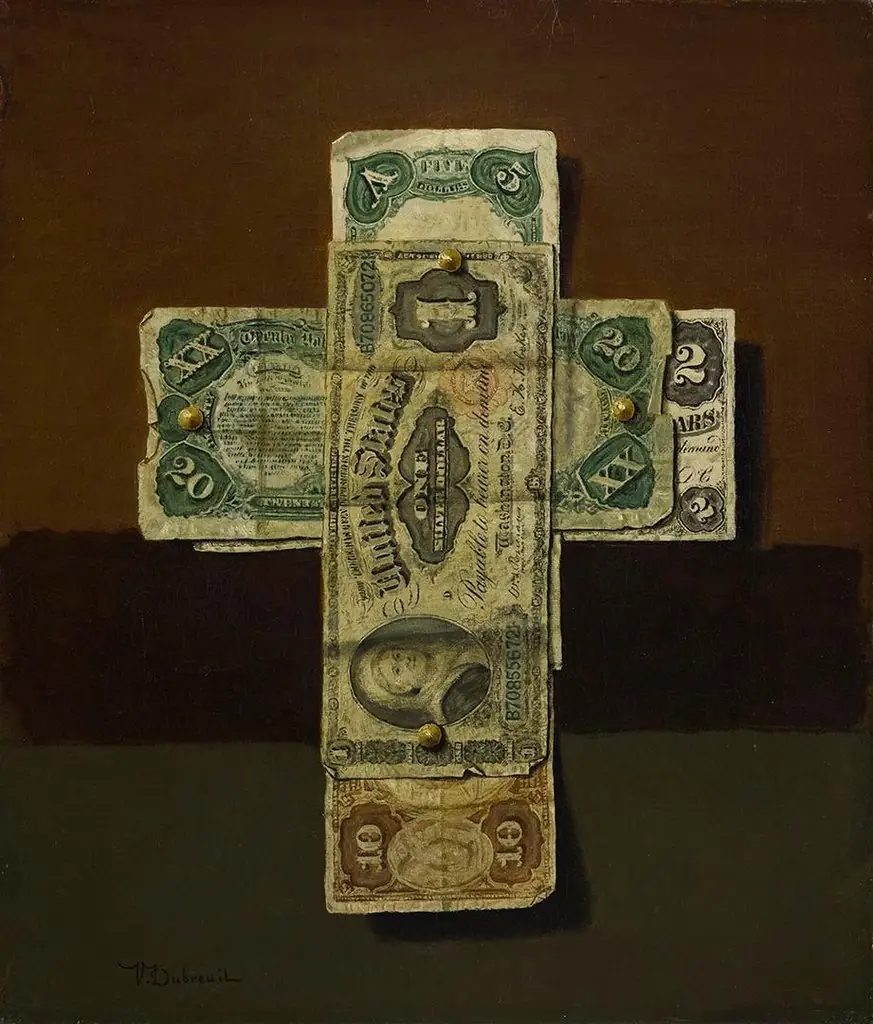
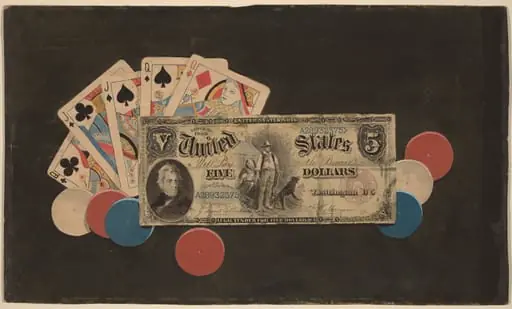
This painting is a still life of playing cards and money. The cards are fanned out, with the top card facing up. They are arranged on top of a $2 bill, which is placed on top of a $5 bill. The cards and bills are surrounded by poker chips in red, white, and blue.
The painting is done in a realistic style, with attention to detail and texture. The cards and bills appear worn and used, giving the impression that they have been handled many times. The poker chips are also depicted in a realistic way, with subtle variations in color and texture.
The painting is a great example of American 19th Century art, and it would be interesting to learn more about the artist who created it.
Overview
The work is a watercolor drawing executed over a graphite underdrawing and mounted on cardboard. It depicts a still‑life arrangement of playing cards, United States currency, and poker chips, rendered with a high degree of realism that emphasizes the worn surfaces of the objects.
Subject & Meaning
The composition centers on a fanned spread of playing cards, the top card turned face up, positioned atop a two‑dollar bill which rests on a five‑dollar bill. Surrounding these are red, white and blue poker chips, suggesting a gambling scene and evoking themes of chance, value, and the material culture of 19th‑century America.
Technique & Style
The artist employed watercolor washes to model light and shadow, while the underlying graphite sketch provides precise line work. Textural details—such as the creases in the bills and the subtle color shifts in the chips—are rendered with careful brushwork, creating a tactile illusion characteristic of trompe‑l’oeil.
History & Provenance
Created in the United States during the nineteenth century, the piece exemplifies the period’s interest in realistic representation of everyday objects. Specific information about the artist and the work’s ownership trail remains undocumented.
Context
During the 1800s American artists often explored domestic and commercial subjects, using trompe‑l’oeil to challenge viewers’ perception of reality. This drawing aligns with that tradition, reflecting contemporary fascination with games of chance and the visual language of money.
Artist & collection

Artist
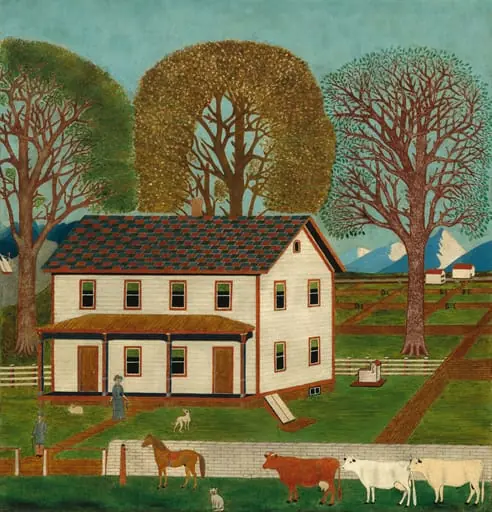
This artist painted everyday American life in the 1800s. Look at *Farmhouse in Mahantango Valley*—a quiet, sunlit scene of rural Pennsylvania. *Boy and Girl* shows two children standing close, their faces turned toward…