Artwork
War Sketches in the Capital
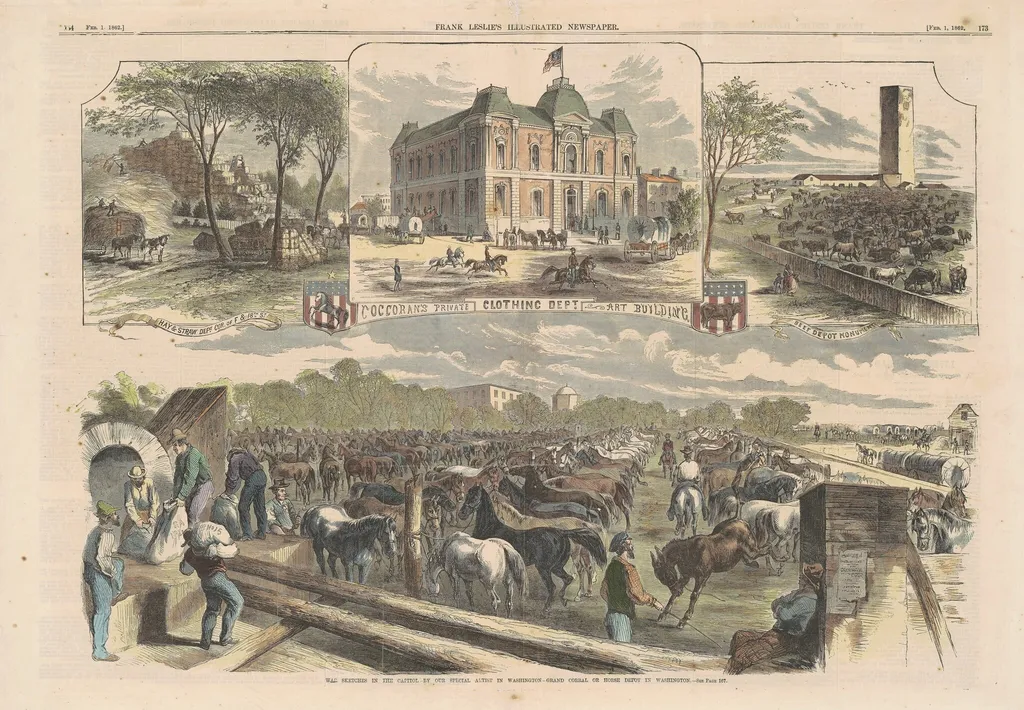
War Sketches in the Capital is an ink print by the Impressionist artist American 19th Century. It dates from 1862 and is held in the collection of the National Gallery of Art.
About this work
Overview
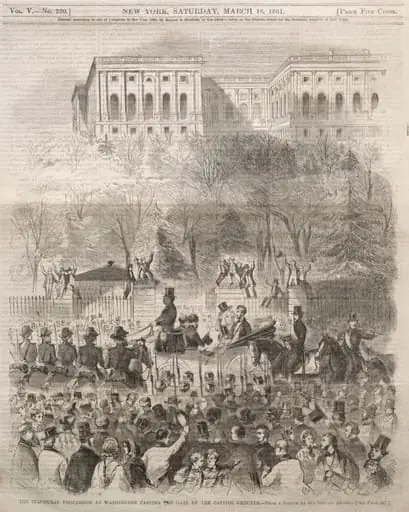
The scene portrays a mix of civilian and military figures—riders, carriages, and pedestrians—moving through a compact urban compound.
Created in 1862, 'War Sketches in the Capital' is a hand-colored wood engraving on wove paper that captures daily activity near a military-support building in Washington, D.C. The scene portrays a mix of civilian and military figures—riders, carriages, and pedestrians—moving through a compact urban compound. Its detailed composition reflects the integration of war logistics into the fabric of the capital’s daily life during the Civil War.
Subject & Meaning
The central building, labeled 'Cocoran's Private Clothing Dept. and Art Building,' served as a supply hub for Union uniforms and equipment. The surrounding activity—horses, wagons, and figures in transit—illustrates the convergence of commerce, administration, and military needs. The image suggests that war effort was not confined to battlefields but permeated civilian spaces, turning the capital into a dynamic center of wartime infrastructure.
Technique & Style
The image was produced using hand-colored wood engraving, a labor-intensive print method where lines were carved into hardwood blocks and inked for impression. Subtle tonal variations and delicate line work define the figures and architecture, while hand-applied watercolor adds realism to uniforms and vehicles. The precision of the engraving supports documentary intent, balancing detail with compositional clarity.
History & Provenance
The print emerged during the height of the Civil War, likely produced for distribution to Northern audiences seeking visual accounts of the war’s home front. It was probably created by an artist or illustrator embedded with Union forces or working in Washington’s growing print industry. Its survival in institutional collections indicates early recognition of its value as a historical record.
Context
In 1862, Washington, D.C., was transformed by the war: thousands of soldiers passed through, supply depots multiplied, and civilian businesses adapted to military demand. Cocoran’s establishment was one of many private contractors supporting the Union Army. This print captures a moment when the capital functioned as both government seat and logistical nerve center, blurring lines between public service and private enterprise.
Legacy
As a rare visual record of wartime civilian-military interaction, the engraving contributes to understanding how the Civil War reshaped urban life. It stands as an example of 19th-century print journalism’s role in shaping public perception. Though not widely known today, it remains a valuable artifact for historians studying the material culture and daily rhythms of the Union capital during conflict.
Artist & collection

Artist
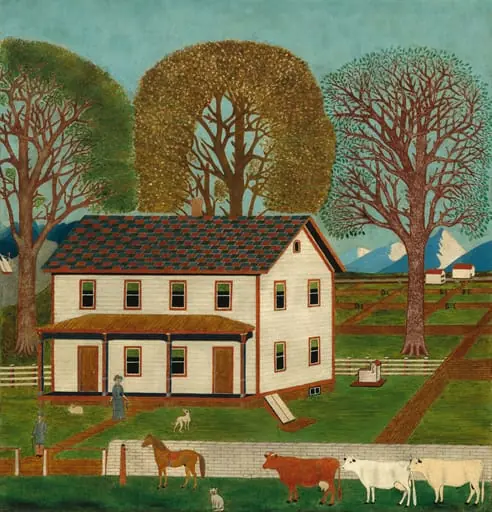
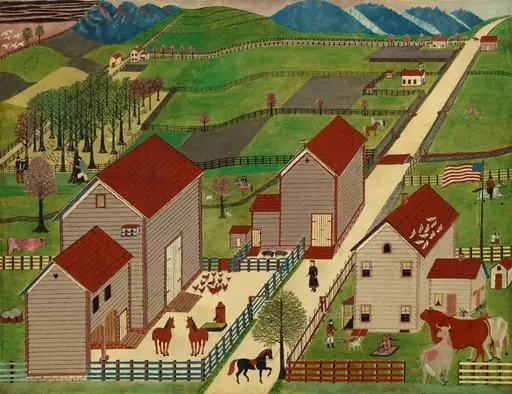
This artist painted everyday American life in the 1800s. Look at *Farmhouse in Mahantango Valley*—a quiet, sunlit scene of rural Pennsylvania. *Boy and Girl* shows two children standing close, their faces turned toward…

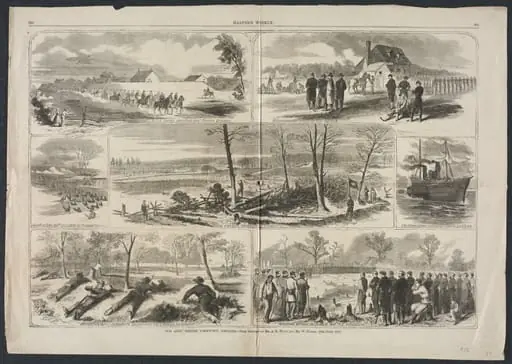 Our Army before Yorktown, Virginia
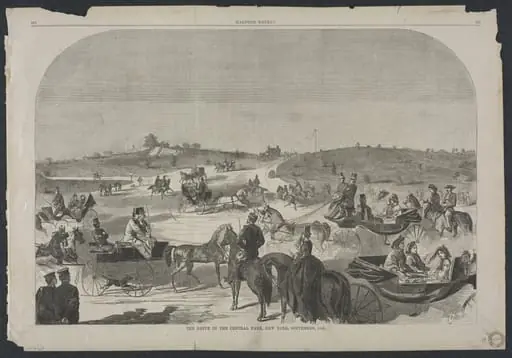 The Drive in Central Park, New York, September, 1860
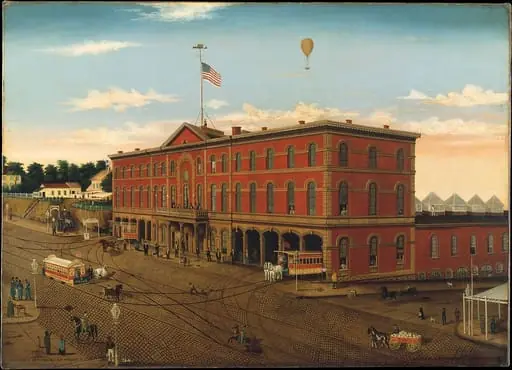 The Third Avenue Railroad Depot
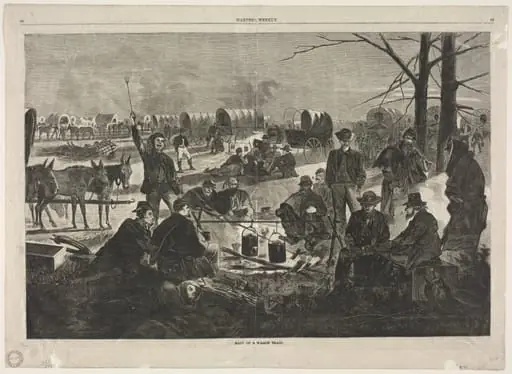 Halt of the Wagon Train
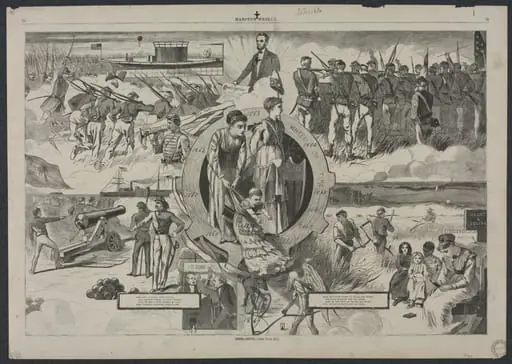 1860 - 1870
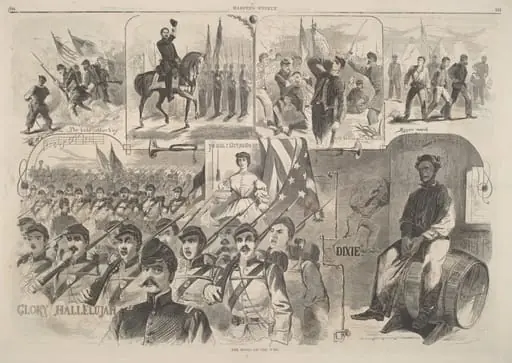 The Songs of War
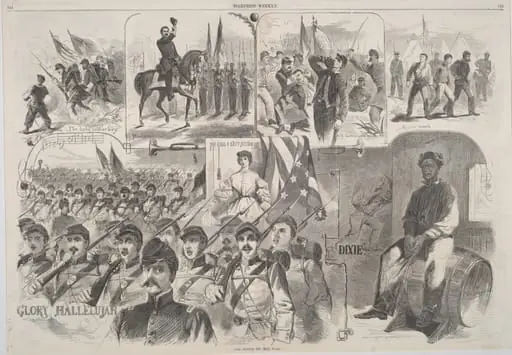 The Songs of War
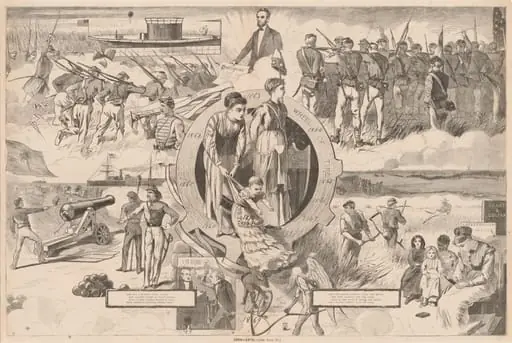 1860-1870
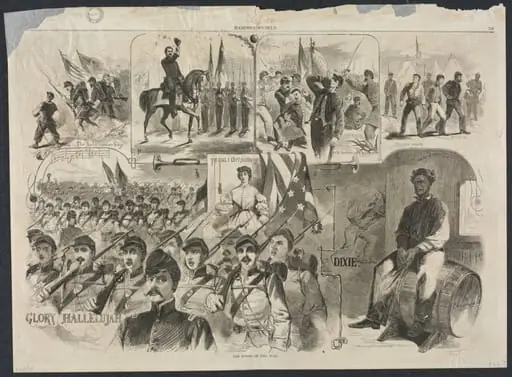 The Songs of the War
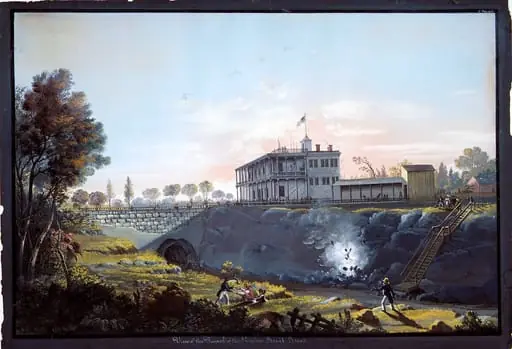 View of the Tunnel of the Harlem Railroad
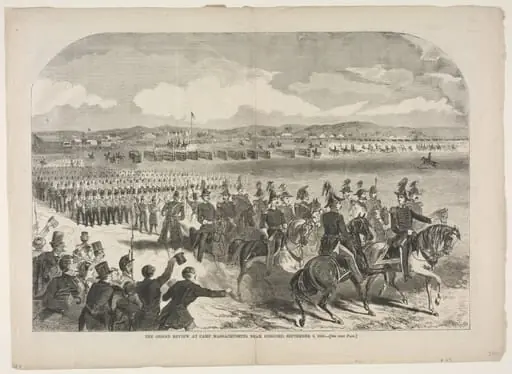 The Grand Review at Camp Massachusetts, near Concord, September 9, 1859
 The Inaugural Procession at Washington Passing the Gate of the Capital Grounds