Artwork
Our Army before Yorktown, Virginia
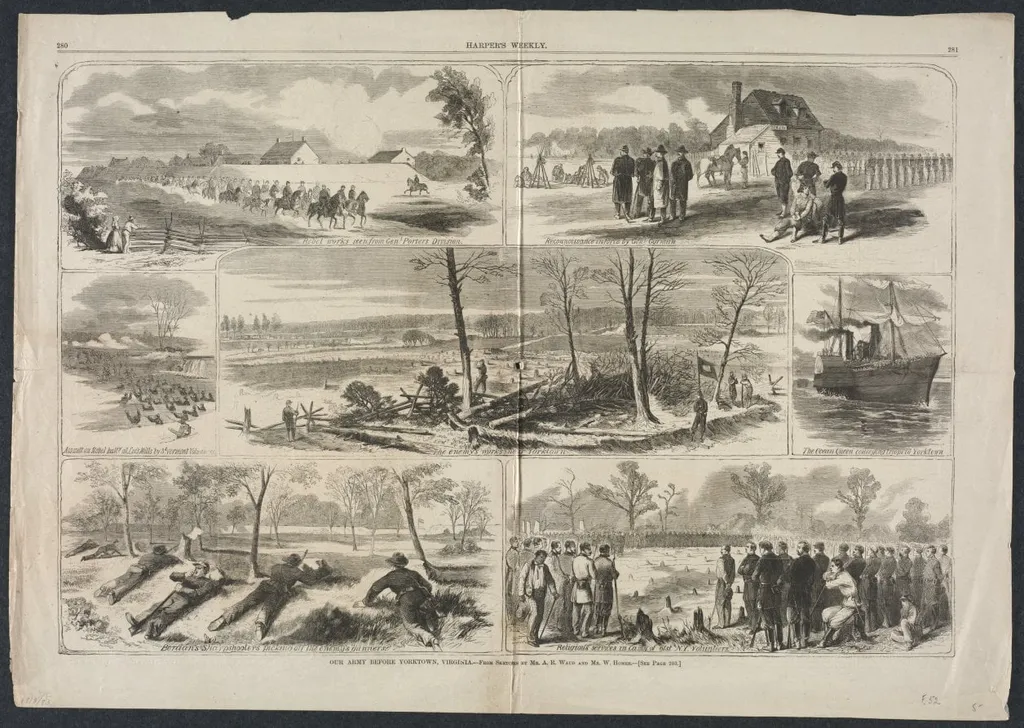
Our Army before Yorktown, Virginia is a print by the Impressionist artist Winslow Homer. It dates from 1862 and is held in the collection of the Cleveland Museum of Art.
About this work
Overview
Though executed in monochrome, the drawings convey a sense of depth and movement through careful shading and compositional layering.
Created in 1862, *Our Army before Yorktown, Virginia* is a series of six ink-on-paper sketches by Winslow Homer, produced during his early years as a visual chronicler of the Civil War. Though executed in monochrome, the drawings convey a sense of depth and movement through careful shading and compositional layering. This work marks Homer’s shift from commercial illustration toward more personal, observational art, capturing the quiet rhythms of military life rather than battle heroics.
Subject & Meaning
The sketches depict everyday moments in a Union encampment near Yorktown: soldiers marching, loading a boat, resting near a dwelling, and tending to camp duties. No grand events are shown—only the mundane routines of war. Civilians appear alongside troops, suggesting the war’s intrusion into civilian spaces. The absence of conflict emphasizes endurance and routine, framing the army not as a fighting force but as a transient community in a landscape shaped by occupation.
Technique & Style
Homer uses fine ink lines and controlled hatching to model form and suggest volume without color. The small scale of each scene invites close viewing, revealing details like folded uniforms, boat rigging, and tree branches rendered with precision. The compositions are tightly framed, avoiding wide vistas to focus on human activity. Shading creates spatial depth, and overlapping figures imply crowded, lived-in spaces, demonstrating Homer’s emerging skill in narrative economy.
History & Provenance
Made during Homer’s assignment as a war artist for *Harper’s Weekly*, the sketches were likely field studies later used as reference for published engravings. They remained in private hands after the war, undocumented until the 20th century. The work’s survival as a set of original drawings is rare; most of Homer’s wartime sketches were lost or destroyed. This group is now held in a major American museum collection.
Context
In 1862, the Union Army was entrenched near Yorktown during the Peninsula Campaign, a prolonged stalemate that tested morale. Homer’s focus on camp life, rather than combat, mirrored the public’s growing interest in the soldier’s daily experience. His approach contrasted with romanticized war imagery, offering instead a grounded, unsentimental view of military existence—a perspective that would define his later work in both painting and print.
Legacy
These sketches represent a critical step in Homer’s artistic evolution, bridging his illustration career with his mature style. They reveal his early commitment to observing ordinary life with clarity and restraint. While less known than his marine paintings, this body of work laid the foundation for his later narrative depth and attention to environmental detail, influencing generations of American realists who followed.
Artist & collection
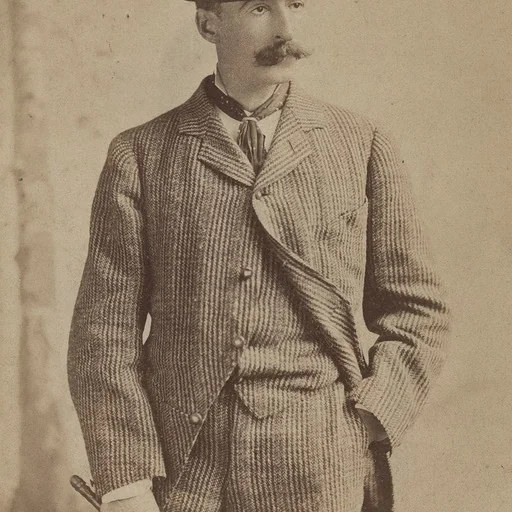
Artist
Winslow Homer (February 24, 1836 – September 29, 1910) was an American landscape painter and illustrator, best known for his marine subjects.

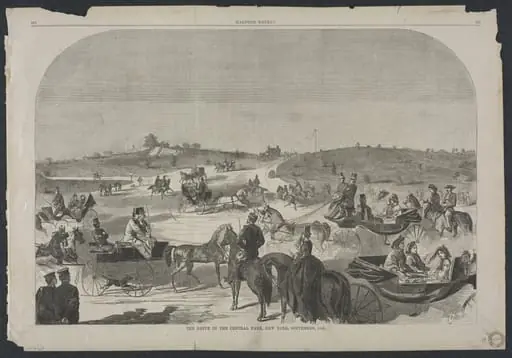 The Drive in Central Park, New York, September, 1860
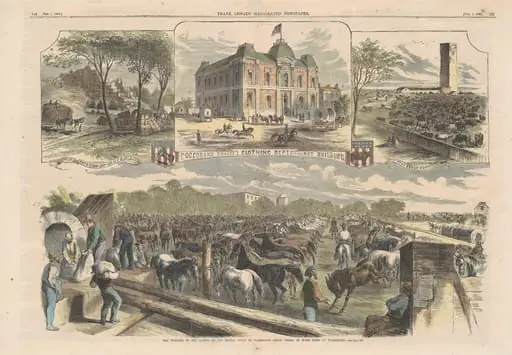 War Sketches in the Capital
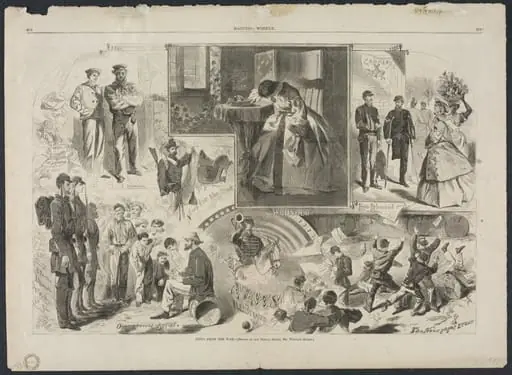 News from the War
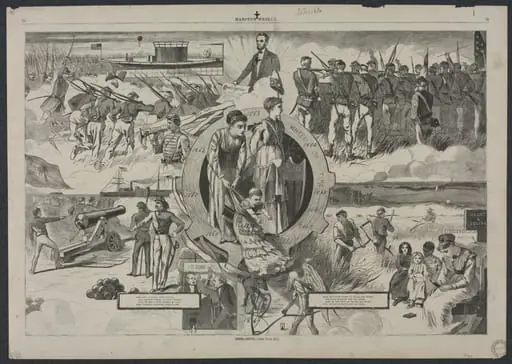 1860 - 1870
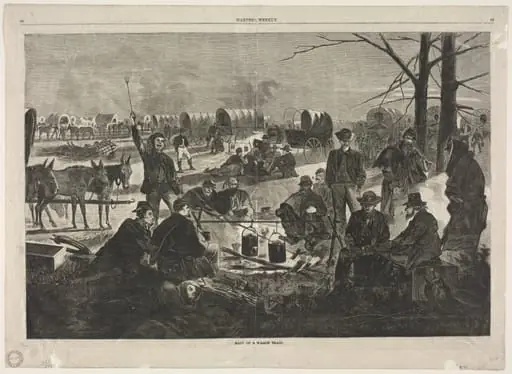 Halt of the Wagon Train
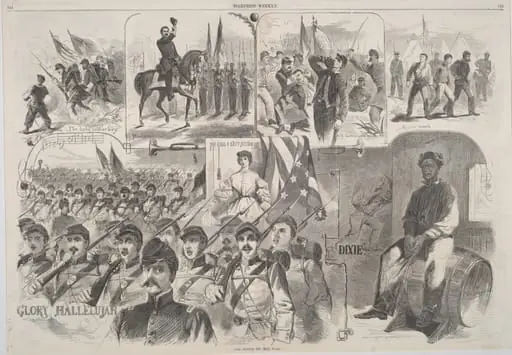 The Songs of War
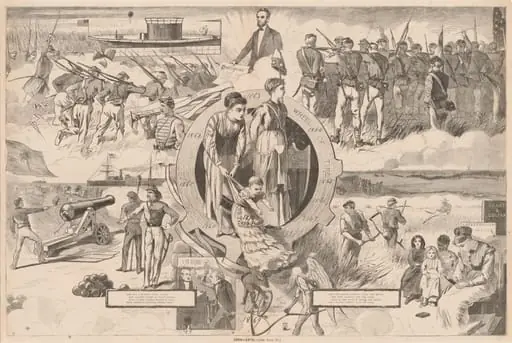 1860-1870
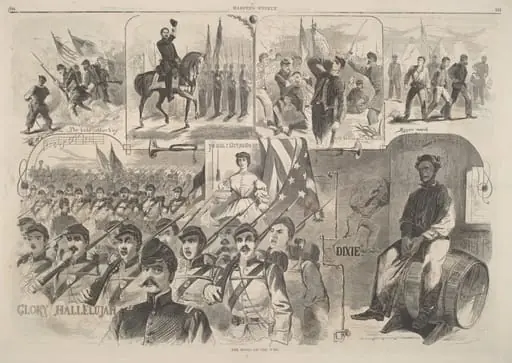 The Songs of War
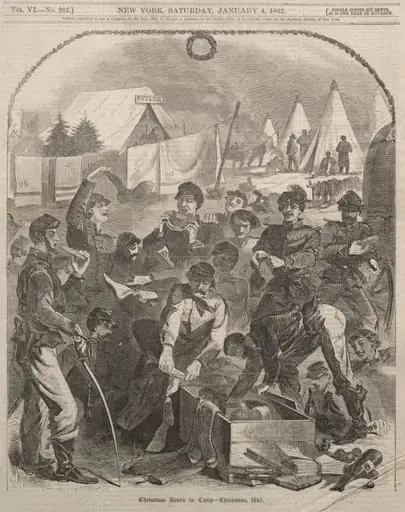 Christmas Boxes in Camp - Christmas, 1861
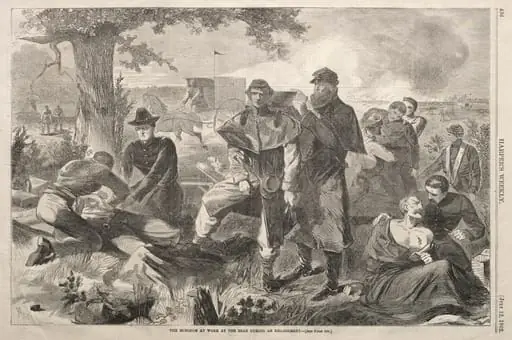 The Surgeon at Work at the Rear during an Engagement
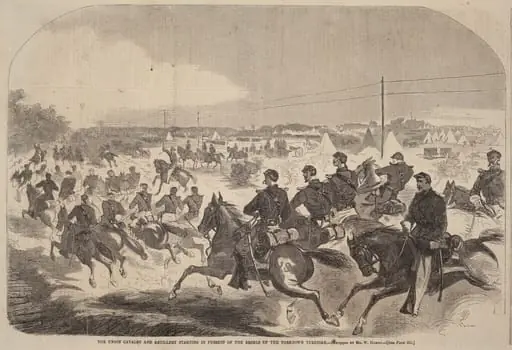 The Union Cavalry and Artillery Starting in Pursuit of the Rebels up the Yorktown Turnpike
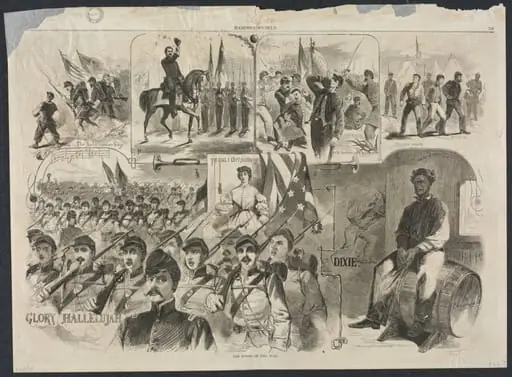 The Songs of the War