Artwork
Untitled
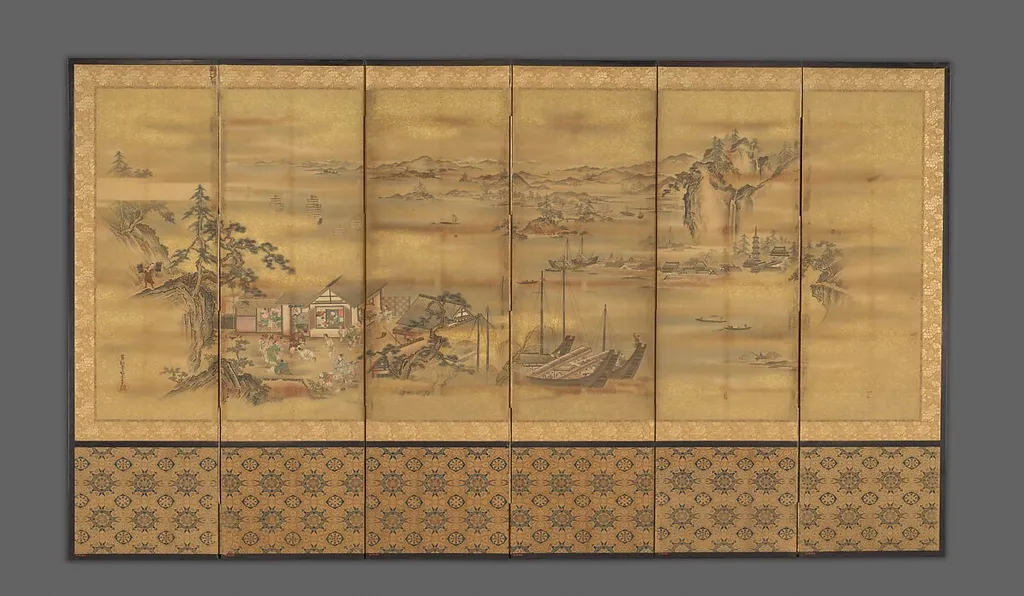
Untitled is a paint painting by the Nihonga artist Andō Baiho. It dates from 1850 and is held in the collection of the Metropolitan Museum of Art.
About this work
Overview
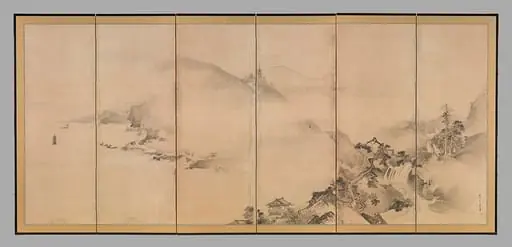
Executed in delicate pigments on silk, it presents a serene natural scene with a small boat and figures along a shoreline.
This six-panel silk folding screen, dated to around 1850, is a landscape composition by the Japanese artist Andō Baiho. Executed in delicate pigments on silk, it presents a serene natural scene with a small boat and figures along a shoreline. The work is part of the collection at The Metropolitan Museum of Art, representing a quiet moment in 19th-century Japanese painting that emphasizes atmosphere over narrative.
Subject & Meaning
The scene depicts a tranquil riverside with figures near a boat, suggesting quiet human presence within nature. Rather than illustrating a specific event, the composition invites contemplation. The subdued activity and open space convey a mood of stillness, aligning with aesthetic values that prioritize emotional resonance over literal storytelling.
Technique & Style
Baiho employed soft, layered washes of color on silk to achieve a luminous, atmospheric effect. Brushwork is restrained, with subtle gradations in tone and minimal detail, allowing forms to emerge gently from the background. The screen format invites gradual viewing, enhancing the meditative quality of the landscape as the viewer moves across its panels.
History & Provenance
Created in the mid-19th century, the screen was likely made for private domestic or scholarly use, common among literati patrons who valued introspective art. It entered The Metropolitan Museum of Art’s collection through documented acquisition, preserving its original structure and materials without significant restoration.
Context
Baiho worked during a period when Japanese artists engaged with both traditional ink-wash conventions and emerging regional styles. While not formally part of Western Romanticism, his work shares an emphasis on mood and emotional response to nature, reflecting broader East Asian traditions that valued harmony, solitude, and the transient beauty of the natural world.
Legacy
Andō Baiho’s screen exemplifies the quiet sophistication of Edo-period secular painting. Though not widely known outside specialist circles, his approach influenced later artists who sought to express inner feeling through restrained composition and refined materiality, contributing to the enduring appeal of Japanese landscape screens in global collections.
Artist & collection
Artist
Andō Baiho painted delicate six-panel folding screens in 19th-century Kyoto, using silk and mineral colors to capture nature scenes.

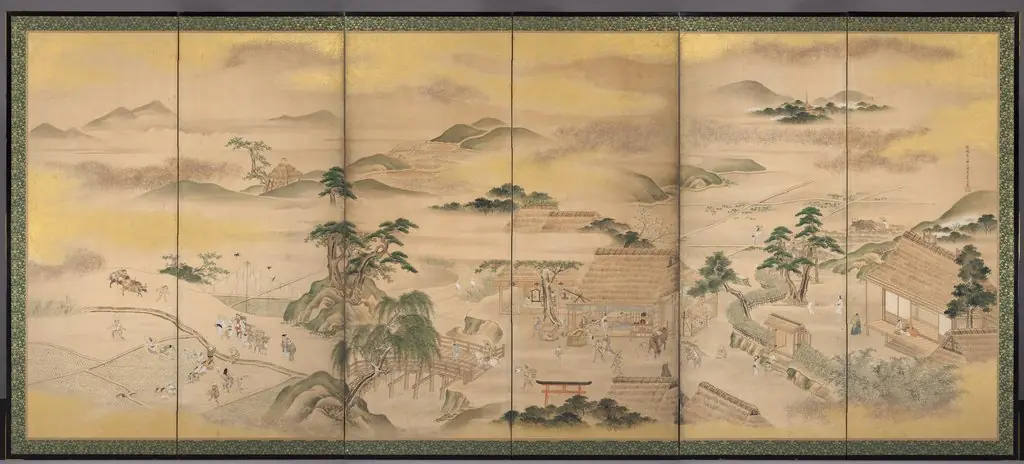 Spring and Autumn Farming (Spring)
 Spring and Autumn Farming (Spring)
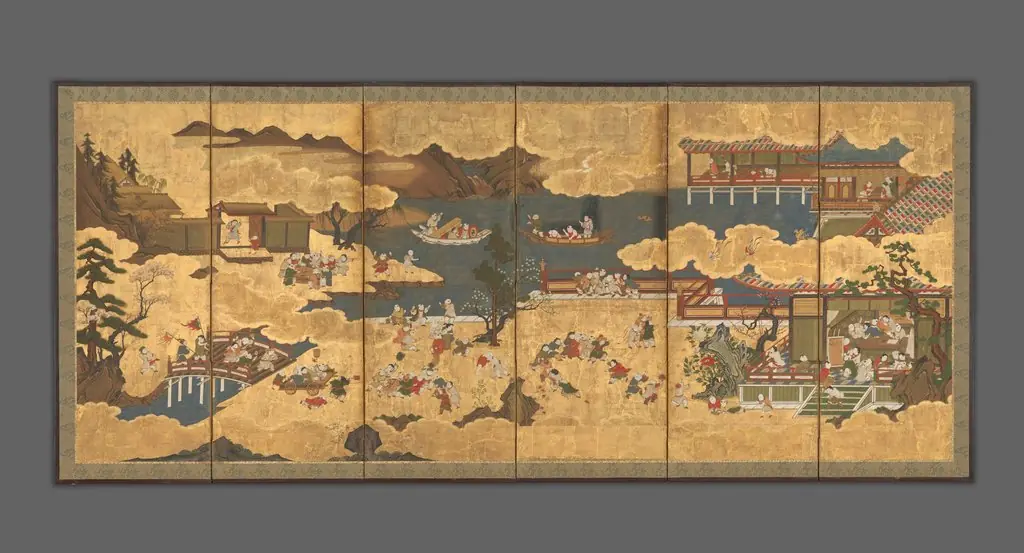 One Hundred Chinese Boys
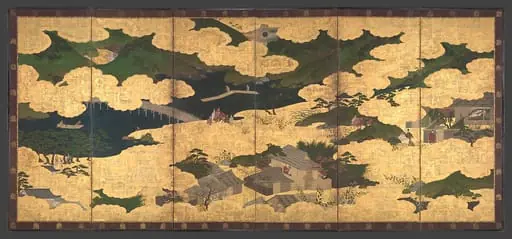 平家物語図屏風 「小督」 「大原御幸」|"Kogō" and "The Imperial Procession to Ōhara", from The Tale of the Heike (Heike monogatari)
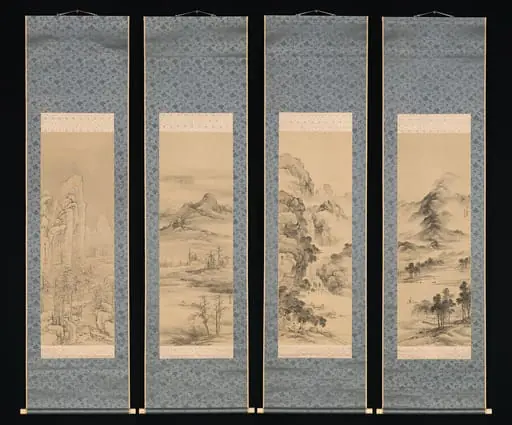 山本梅逸筆 四季山水図|Landscapes of the Four Seasons
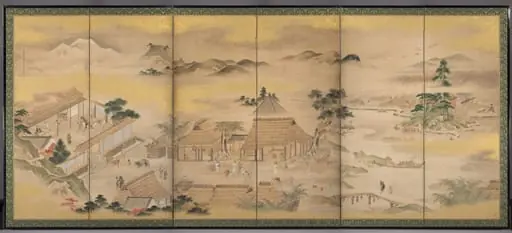 Spring and Autumn Farming (Autumn)
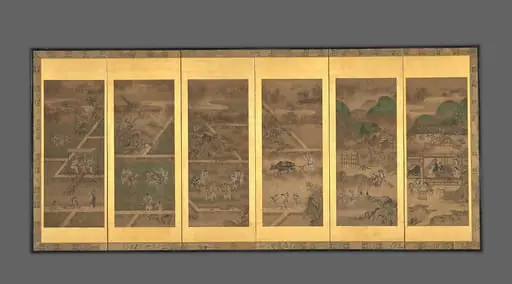 農耕作月次図屏風|Farmers' Lives in the Twelve Months
 Scenes from the Tales of Ise
 桜梅柳図屏風|Cherry, Plum and Willow Trees
 Spring and Autumn Farming (Autumn)
 Mountains and Rivers in Autumn
 四季山水図屏風|Landscapes of the Four Seasons