Artwork
Mrs Abby Marion Deering Howe
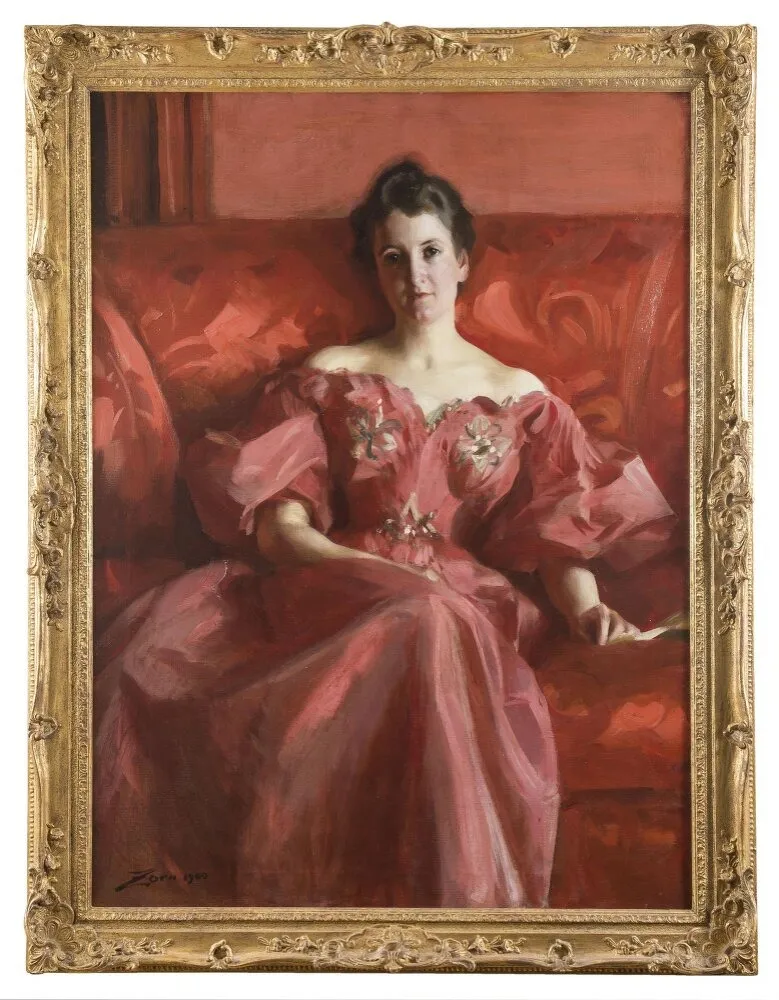
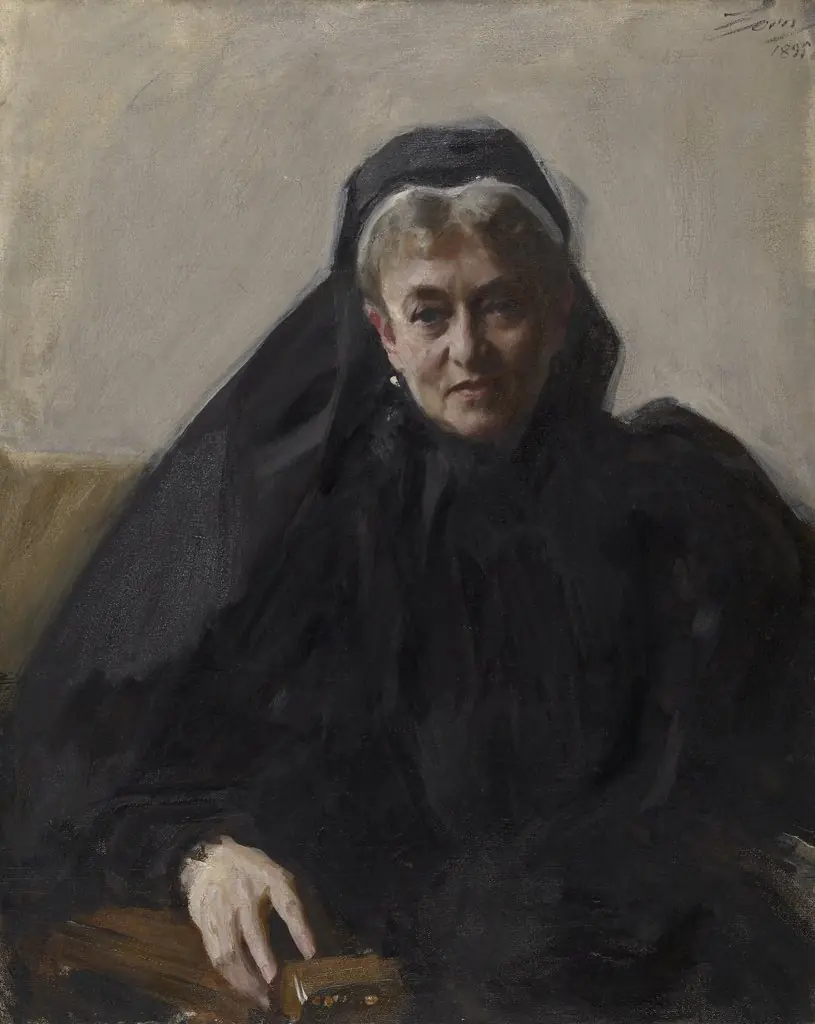
Mrs Abby Marion Deering Howe is an oil painting by the Impressionist artist Anders Zorn. It dates from 1900 and is held in the collection of the Nationalmuseum.
About this work
Overview
Painted in 1900 by Anders Zorn, this oil portrait captures Mrs. Abby Marion Deering Howe, an American social figure. The work resides in the Nationalmuseum in Stockholm, reflecting Zorn’s international clientele and his skill in rendering domestic elegance. The composition centers on the sitter’s presence, framed by rich color and subtle lighting that emphasizes her poise without overt sentiment.
Subject & Meaning
The subject, Mrs. Howe, is depicted seated in a red armchair, gazing directly at the viewer with calm detachment. Her attire—a patterned red dress with full sleeves—signals wealth and refined taste, while her composed expression resists theatricality. The portrait conveys quiet dignity rather than narrative, aligning with early 20th-century portraiture that valued presence over storytelling.
Technique & Style
Zorn employs chiaroscuro to model the sitter’s face and hands, isolating them against a muted red background that enhances depth. The dress’s fabric is rendered with loose, confident brushwork that suggests texture without overdetailing. Color harmonies between dress and background unify the composition, while the absence of extraneous elements focuses attention on the figure’s quiet authority.
History & Provenance
Commissioned during Zorn’s time in the United States, the portrait was completed in 1900 and later entered the Nationalmuseum’s collection. Mrs. Howe, wife of a prominent Bostonian, was part of a transatlantic circle of patrons who sought Zorn’s portraiture. The painting’s journey to Sweden reflects the artist’s growing reputation beyond Scandinavia and the mobility of elite cultural networks.
Context
Zorn painted this work amid a period when European artists were increasingly commissioned by American elites. His ability to blend realism with atmospheric tone appealed to patrons seeking modernity without formality. The portrait reflects a shift from stiff Victorian conventions toward more intimate, psychologically grounded depictions of individuals in domestic settings.
Legacy
The portrait remains a key example of Zorn’s mature style, illustrating his command of light, color, and psychological subtlety. While not widely exhibited outside Sweden, it continues to inform studies of transatlantic portraiture and the role of women in early modern visual culture. Its restrained elegance distinguishes it from more ornate contemporaneous works.
Artist & collection

Artist
Anders Leonard Zorn was born in February 1860 in Mora, Dalarna, the illegitimate son of a Bavarian brewer and a Swedish farmer's daughter; his mother died shortly after his birth, and his grandparents raised him.

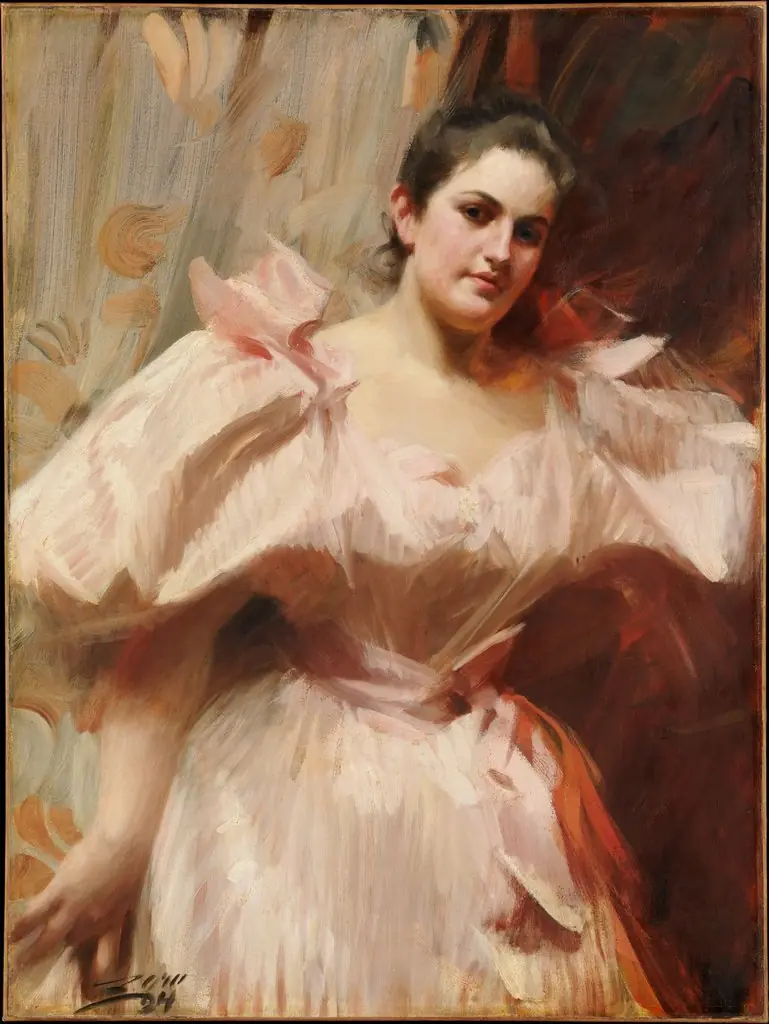
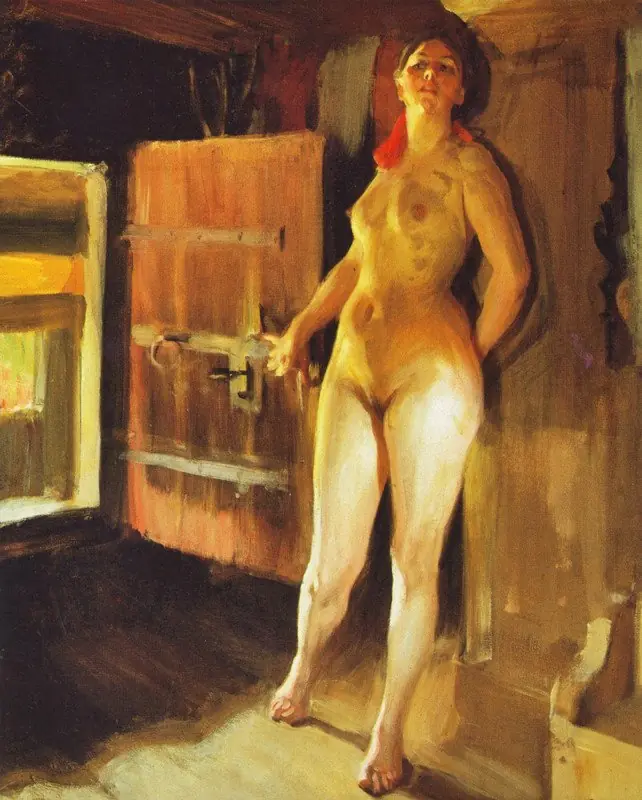
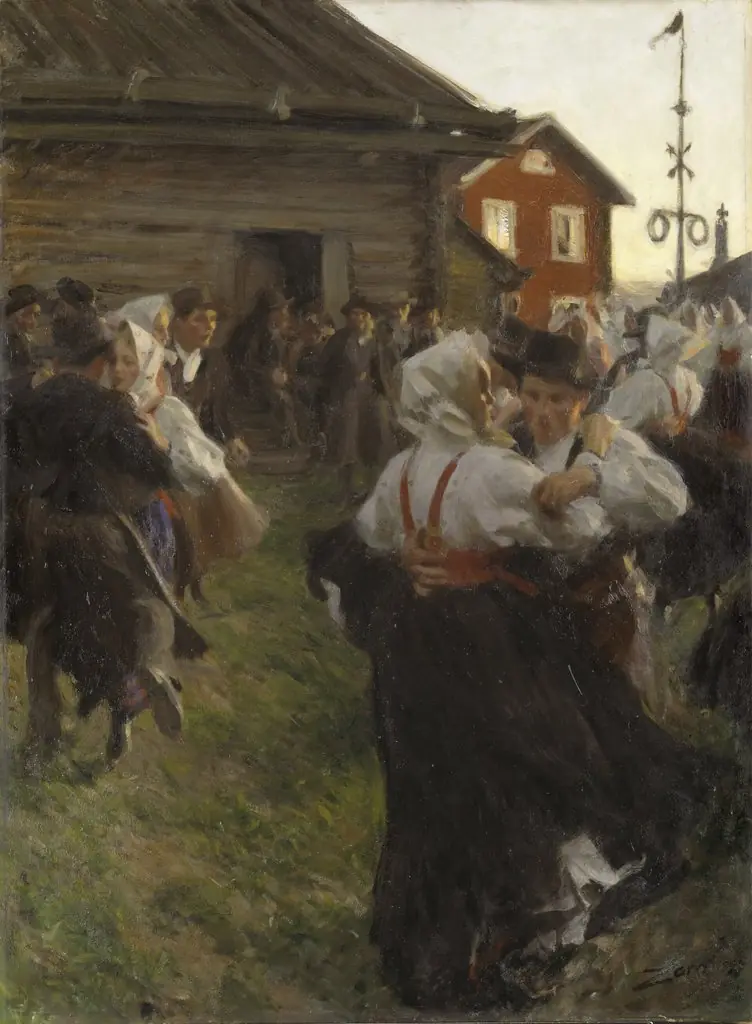
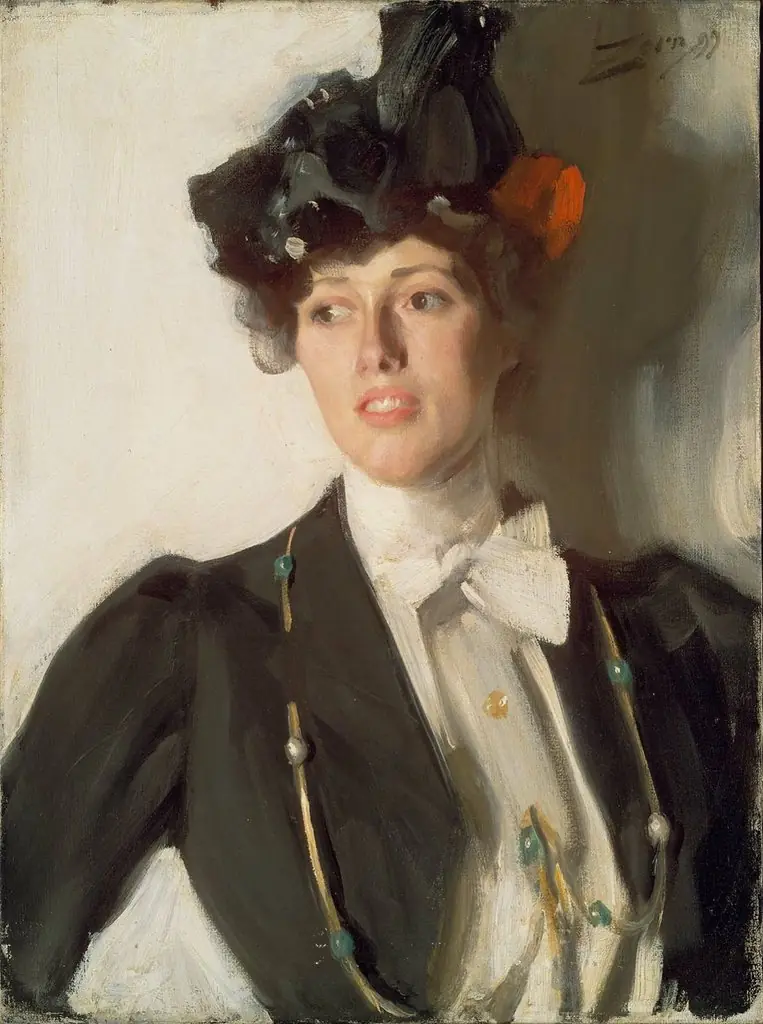
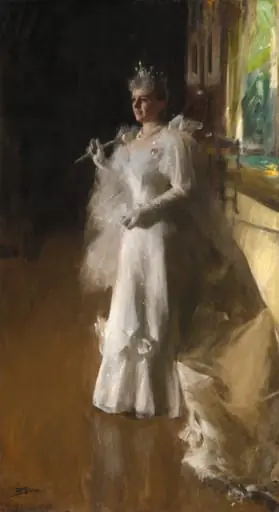 Mrs. Potter Palmer
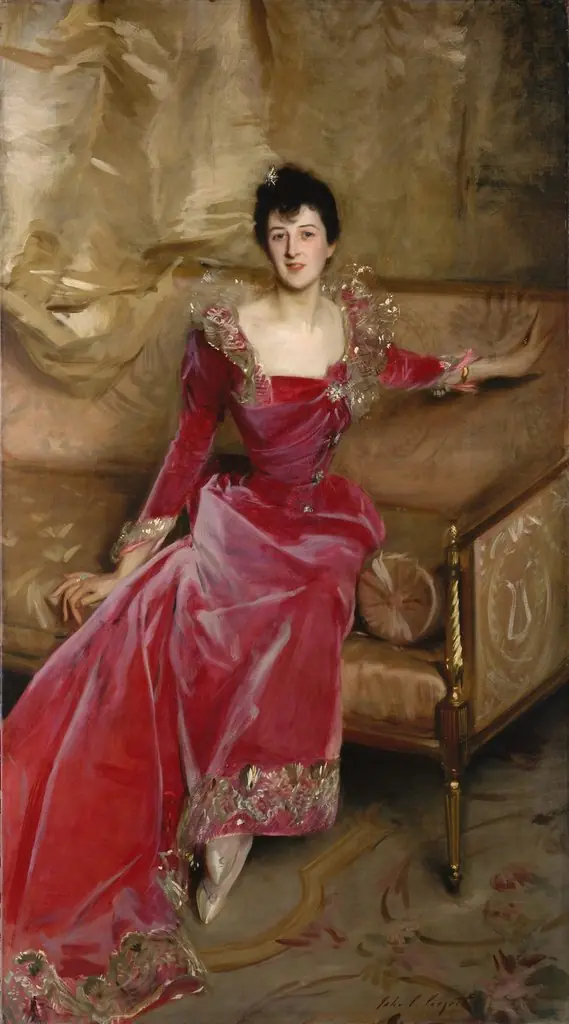 Mrs. Hugh Hammersley
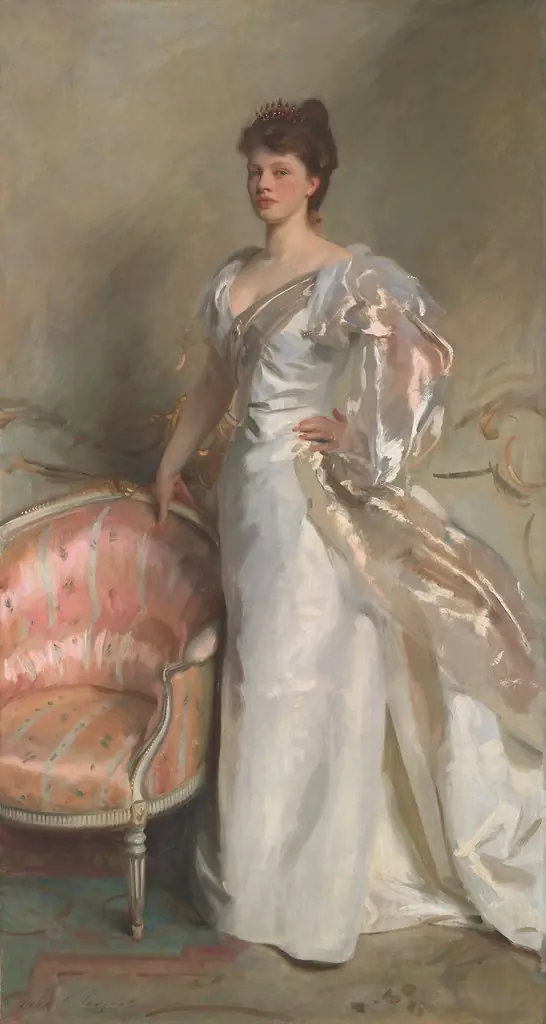 Mrs. George Swinton (Elizabeth Ebsworth)
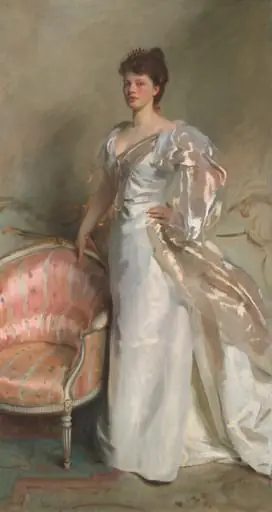 Mrs. George Swinton (Elizabeth Ebsworth)
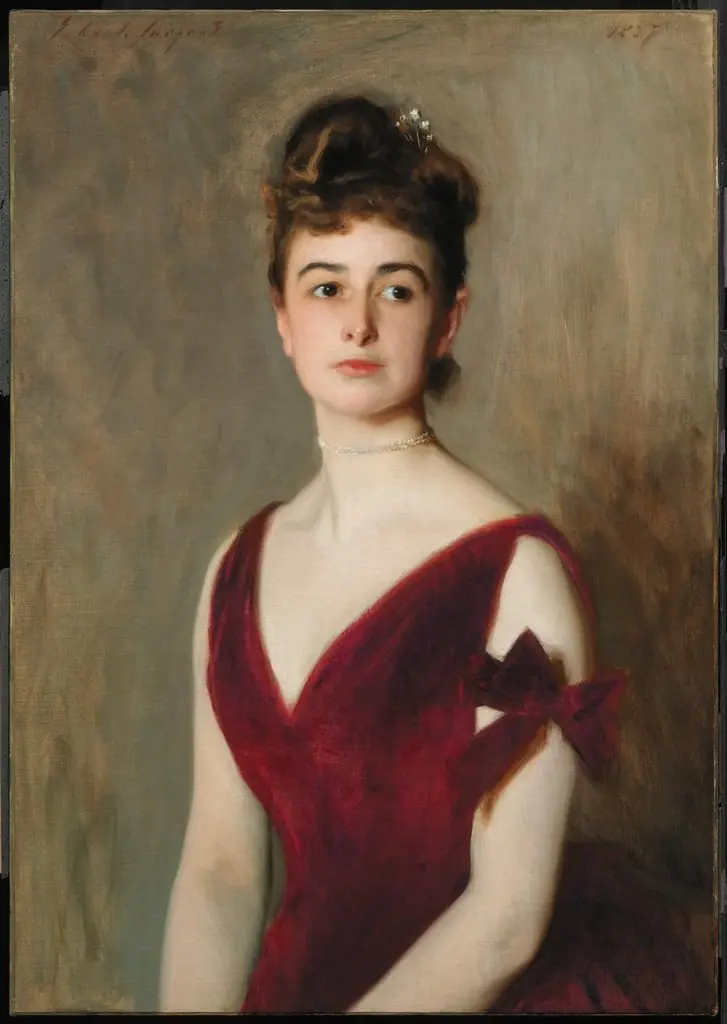 Mrs. Charles E. Inches (Louise Pomeroy)
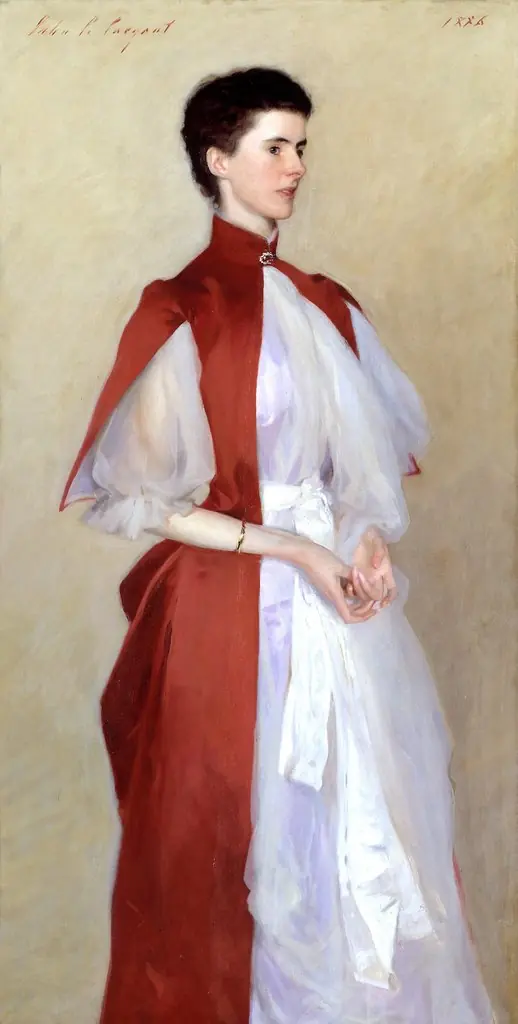 Mrs Robert Harrison
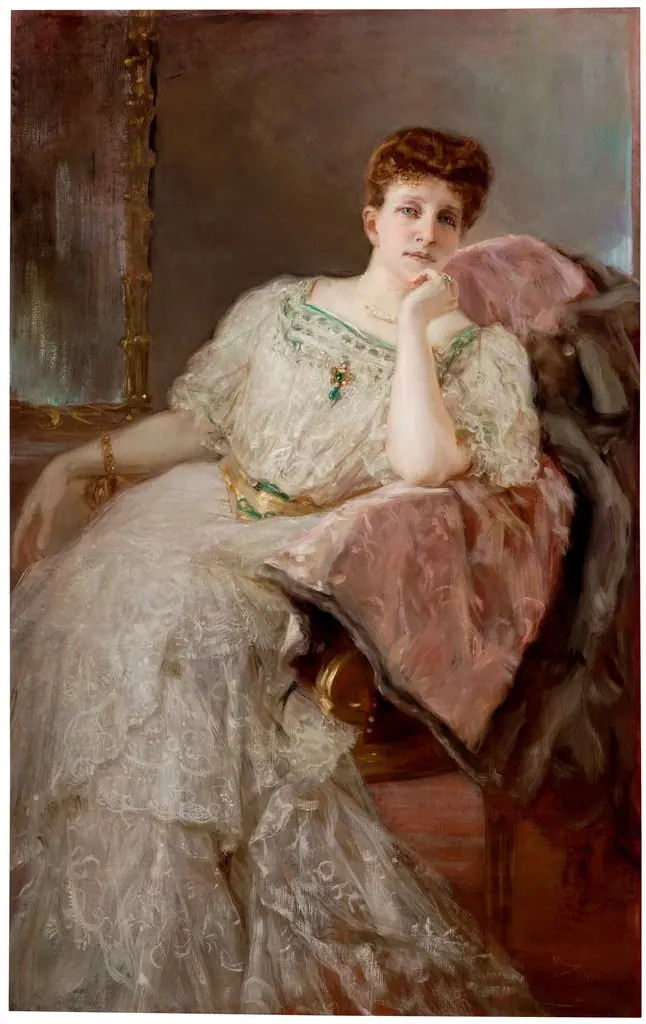 Matilde Noever de Vogel
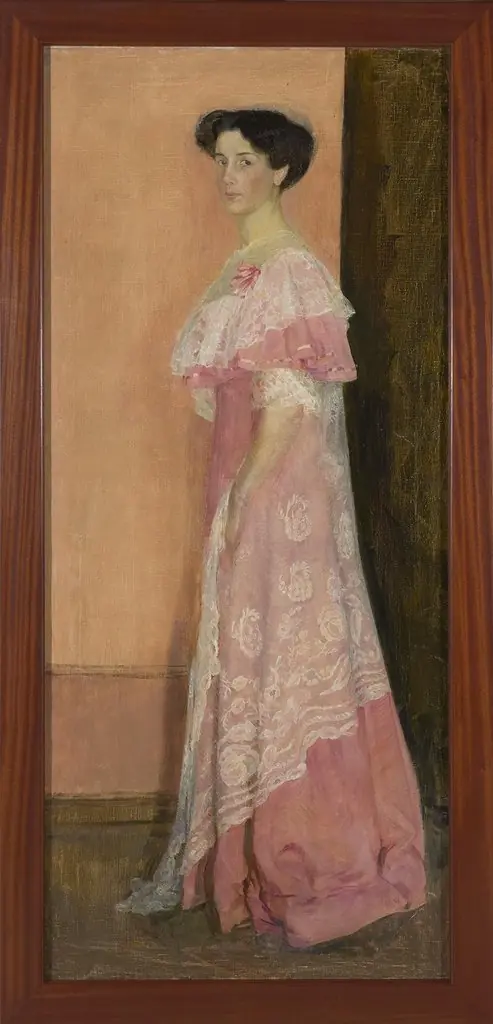 Society in the Restaurant. Revers: Study of a Lady in Pink
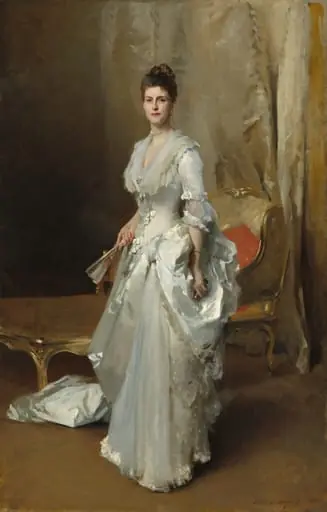 Margaret Stuyvesant Rutherfurd White (Mrs. Henry White)
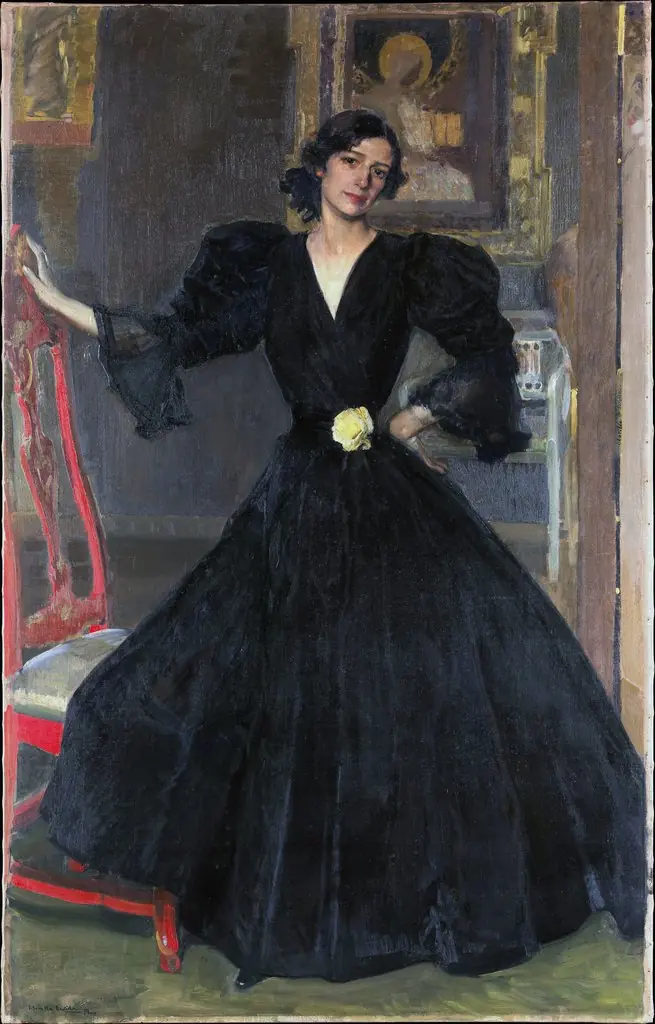 Señora de Sorolla (Clotilde García del Castillo, 1865–1929) in Black
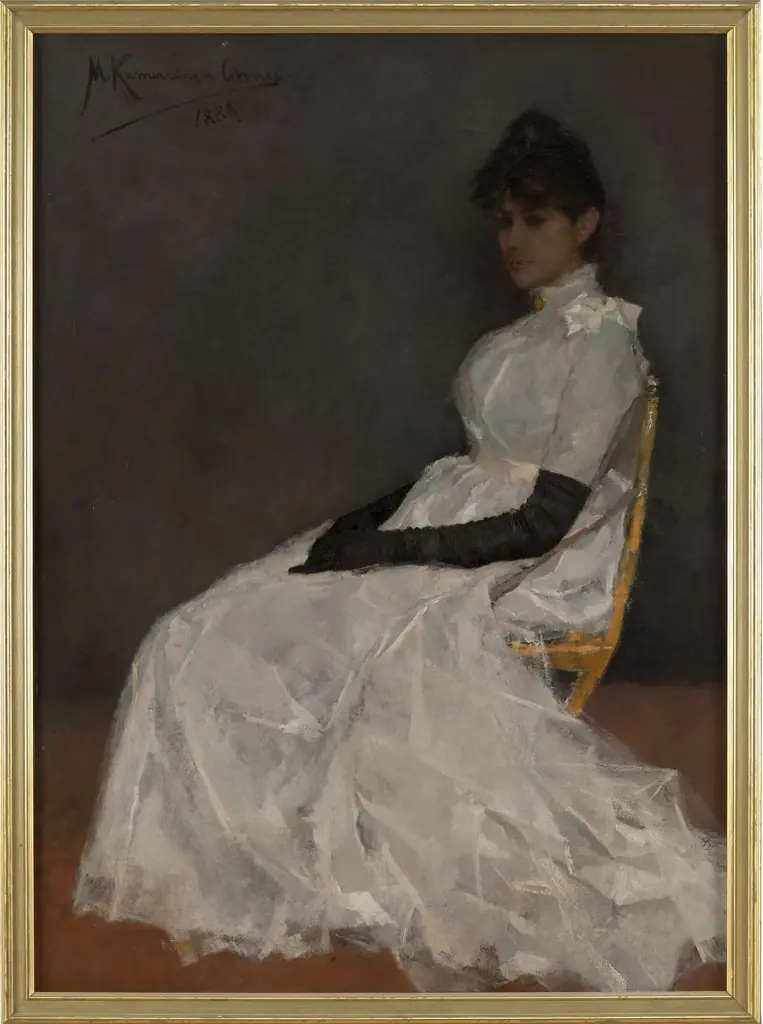 Portrait of Jenny Kamerlingh Onnes