Artwork
Mestolino
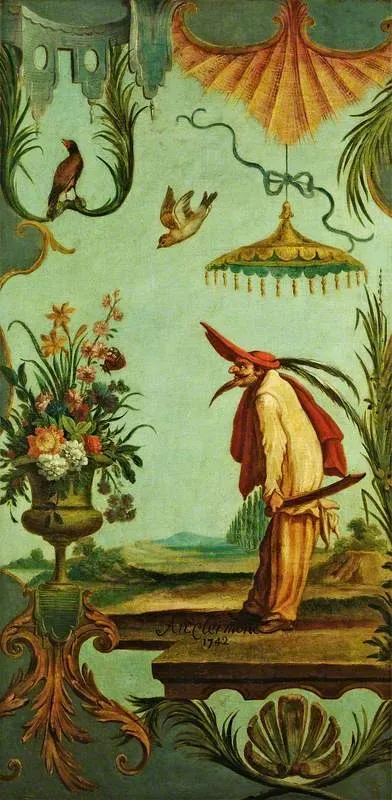
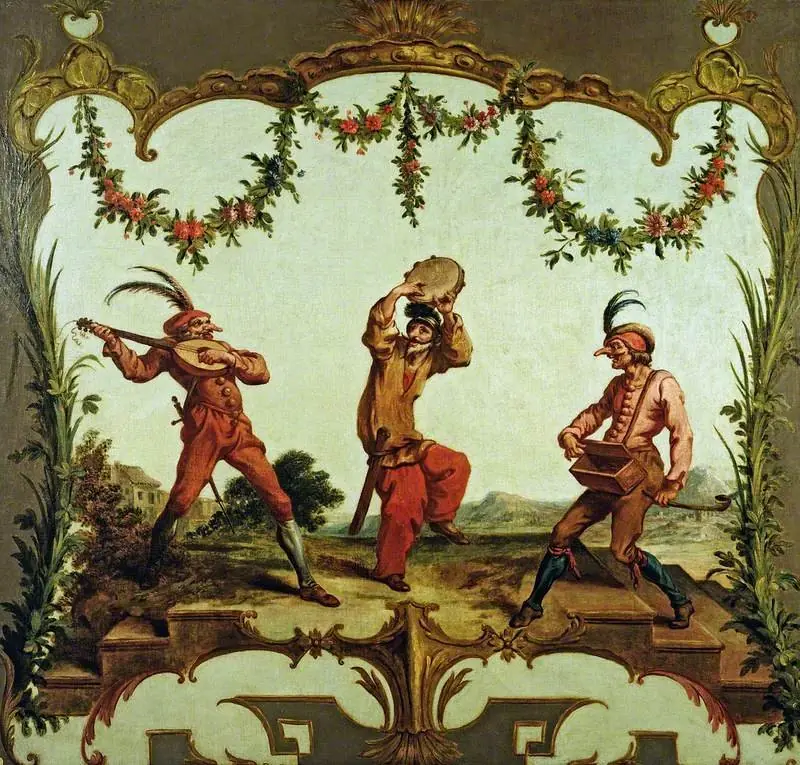
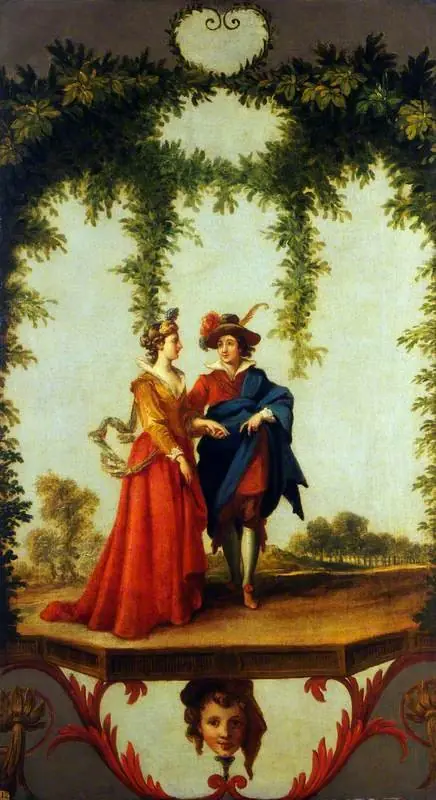
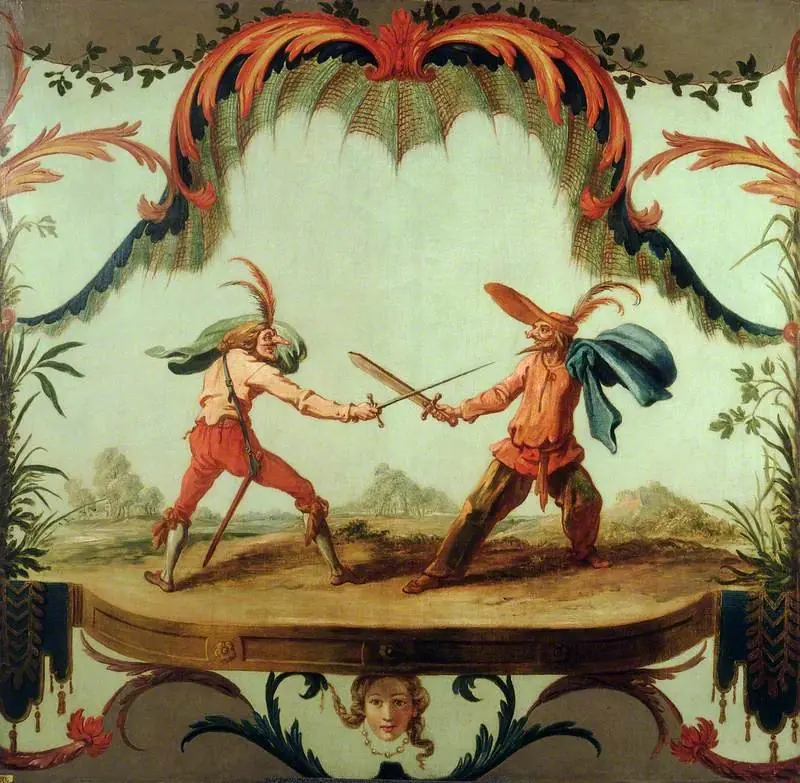
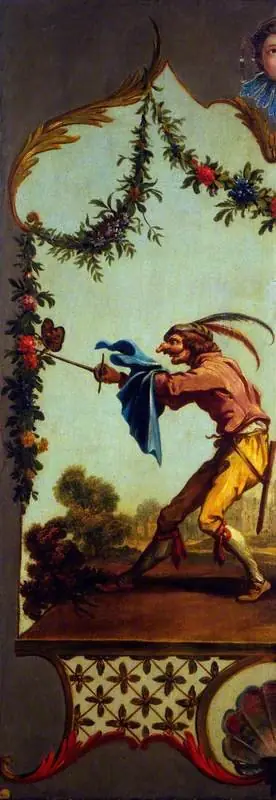
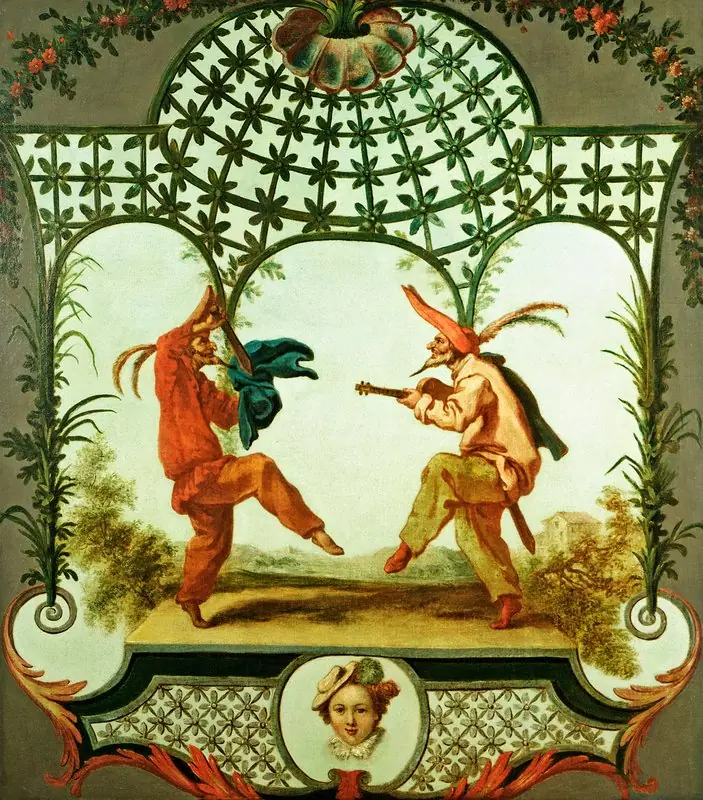
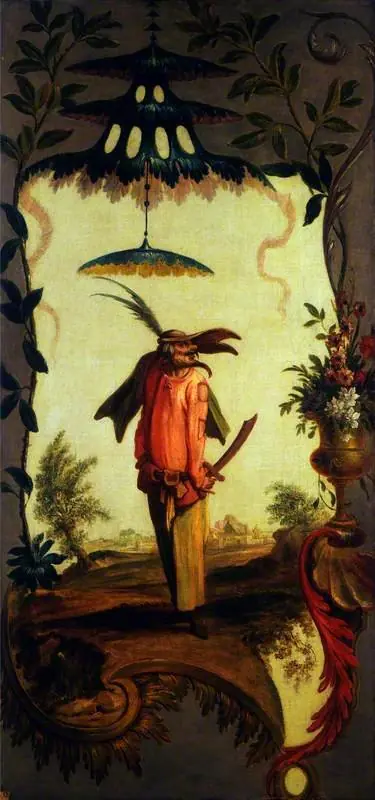
Mestolino is an oil painting by the Rococo painting artist Andien de Clermont. It dates from 1742 and is held in the collection of the Victoria and Albert Museum.
About this work
Overview
The painting combines figural representation with ornamental detail, reflecting the Rococo taste for elegance and theatricality in domestic settings.
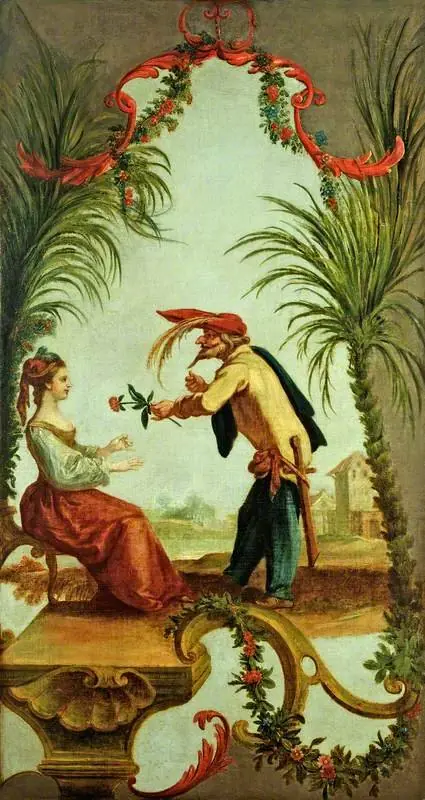
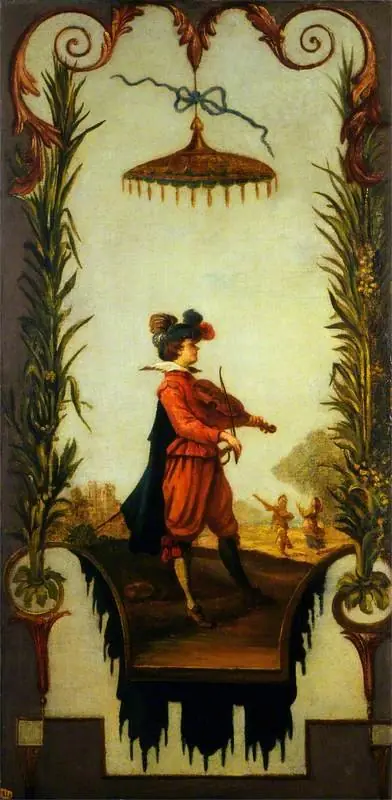
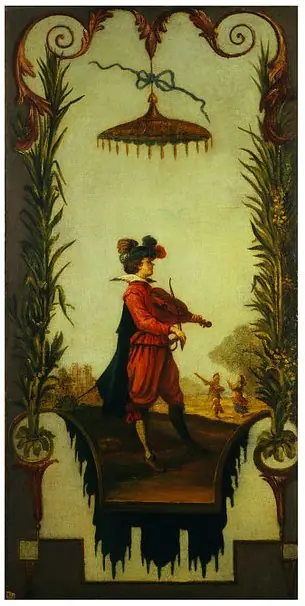
Painted in 1742 by French artist Andien de Clermont, *Mestolino* is an oil on canvas work created during his time in England. Clermont, known for decorative subjects and exotic motifs, produced this piece as part of his broader engagement with interior design schemes for aristocratic homes. The painting combines figural representation with ornamental detail, reflecting the Rococo taste for elegance and theatricality in domestic settings.
Subject & Meaning
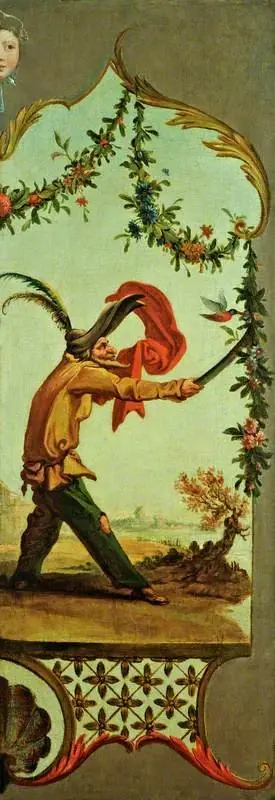
The central figure is a man in a red cloak and hat, carrying a scythe, suggesting a pastoral or allegorical role. His attire, though stylized, evokes rustic imagery, yet the presence of a flower vase and ornamental lamp introduces artificiality. The birds and landscape backdrop may symbolize nature’s harmony, but the composition leans toward decorative fantasy rather than narrative realism, aligning with Rococo’s preference for idealized, whimsical scenes.
Technique & Style
Clermont employs chiaroscuro to model the figure with subtle light and shadow, enhancing three-dimensionality without dramatic intensity. The palette contrasts warm reds and earth tones against cooler greens and blues in the landscape. Flowers in the vase are rendered with delicate brushwork, echoing his expertise in floral decoration. The scene’s composition is asymmetrical, typical of Rococo, with elements arranged to guide the eye fluidly across the surface.
History & Provenance
Created during Clermont’s active years in England, the painting likely originated as part of a decorative ensemble for a country estate. It entered the Victoria and Albert Museum’s collection as part of its broader holdings in 18th-century decorative arts. No documented ownership before the museum acquisition is recorded, though its style suggests it was commissioned for private interiors rather than public display.
Context
In early 18th-century Britain, French artists like Clermont were sought after for their ability to blend French Rococo elegance with English tastes. His work, including *Mestolino*, contributed to the vogue for chinoiserie and turquerie in interior decoration. Such paintings were not standalone artworks but components of larger decorative programs, designed to enhance architectural spaces with refined, exoticized imagery.
Legacy
Though Clermont’s reputation has faded, *Mestolino* remains a representative example of the hybrid decorative painting tradition in Georgian England. It illustrates how foreign artists adapted continental styles to British aristocratic interiors, merging figural elements with ornamental flourishes. The painting’s survival in a major museum underscores its value as a cultural artifact of transnational artistic exchange in the 1740s.
Artist & collection
Artist
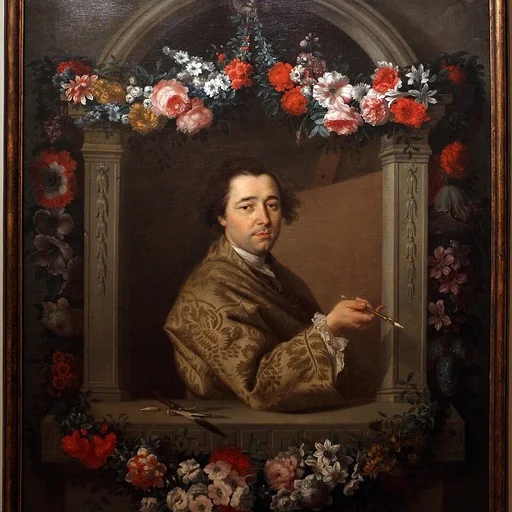
Andien de Clermont (died 1783) was a French artist who worked in England in the 18th century (c.1716–1756).