Artwork
Benemia, Bernoualla and Cucurucu
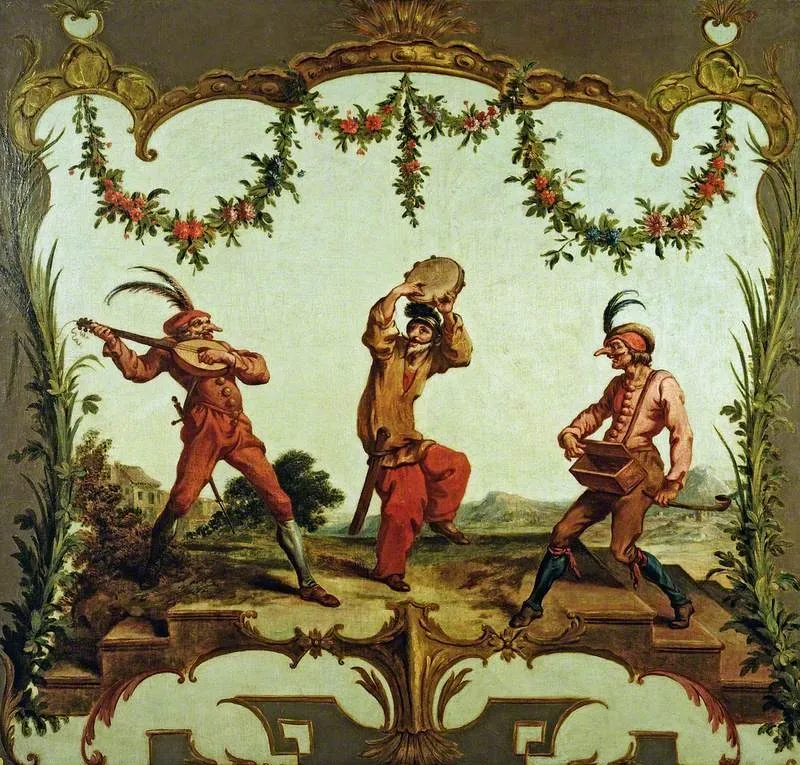
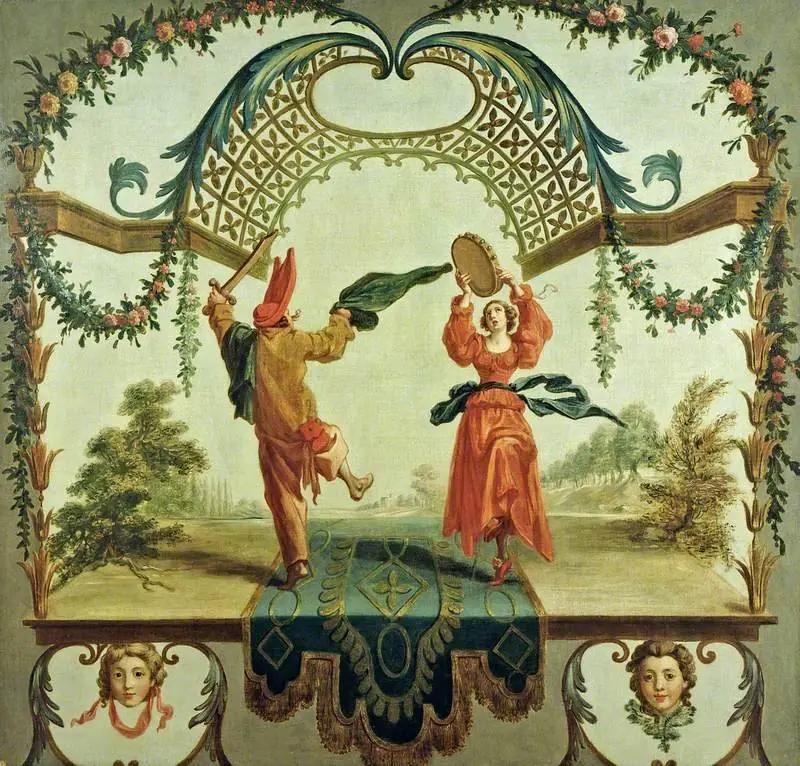
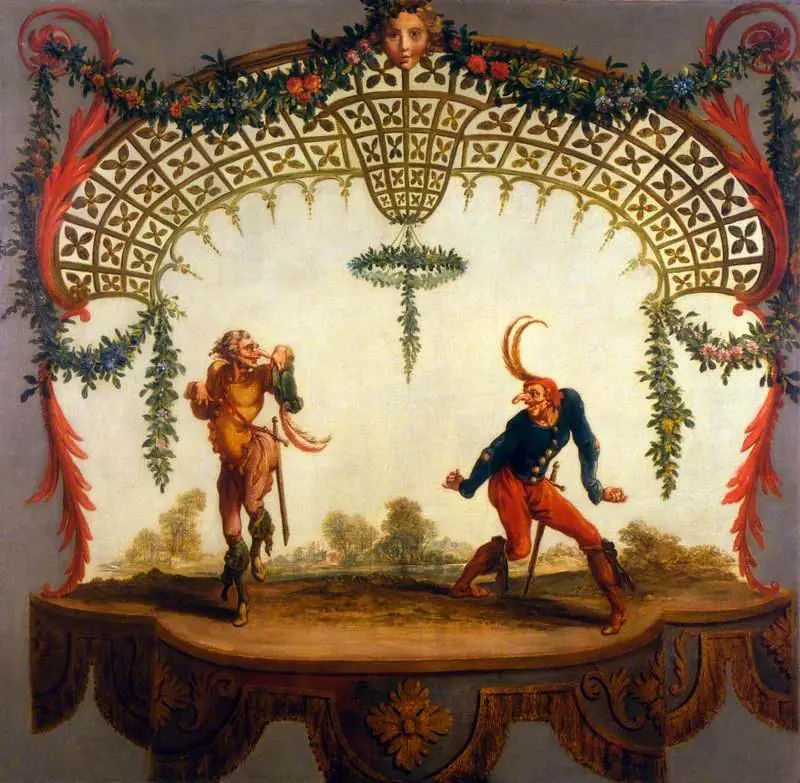
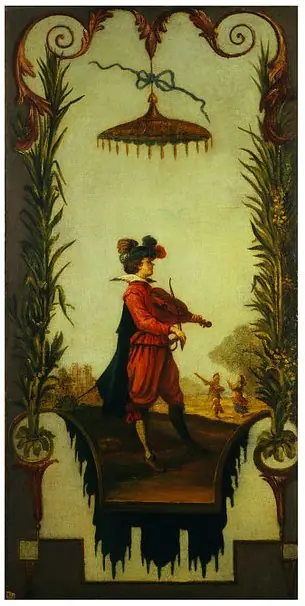
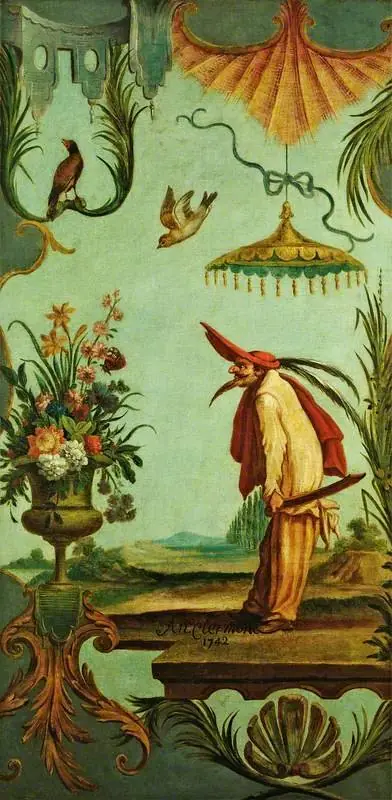
Benemia, Bernoualla and Cucurucu is an oil painting by the Rococo painting artist Andien de Clermont. It dates from 1742 and is held in the collection of the Victoria and Albert Museum.
About this work
Overview
Painted in 1742 by French artist Andien de Clermont, *Benemia, Bernoualla and Cucurucu* is an oil-on-canvas work created during his time in England.
Painted in 1742 by French artist Andien de Clermont, *Benemia, Bernoualla and Cucurucu* is an oil-on-canvas work created during his time in England. It belongs to a series of decorative pieces designed for elite interiors, reflecting the Rococo taste for whimsy and exoticism. The painting is now part of the Victoria and Albert Museum’s collection, where it exemplifies Clermont’s niche in ornamental genre scenes.
Subject & Meaning
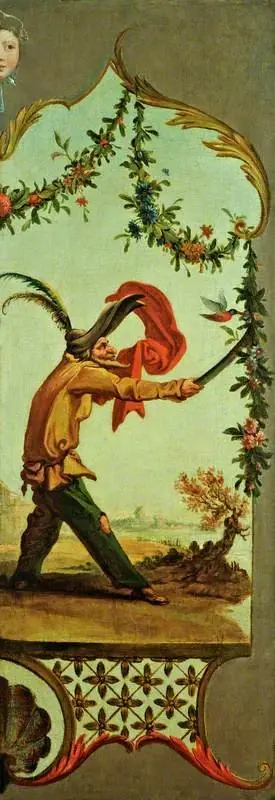
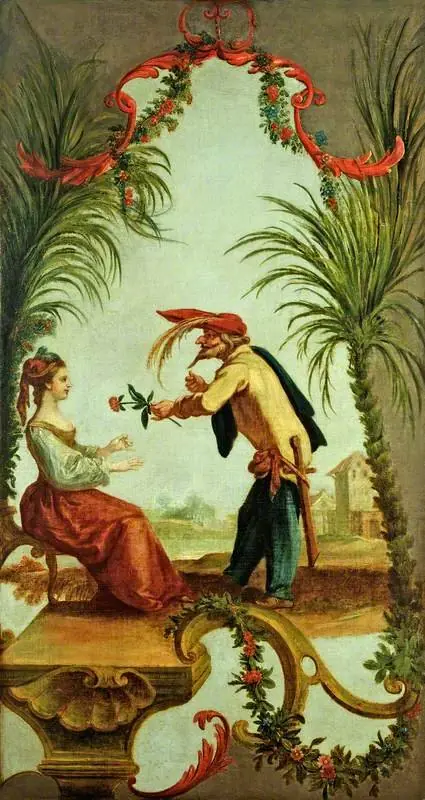
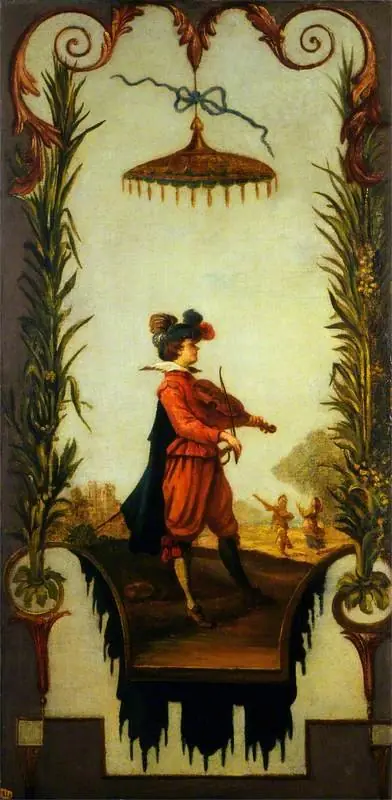
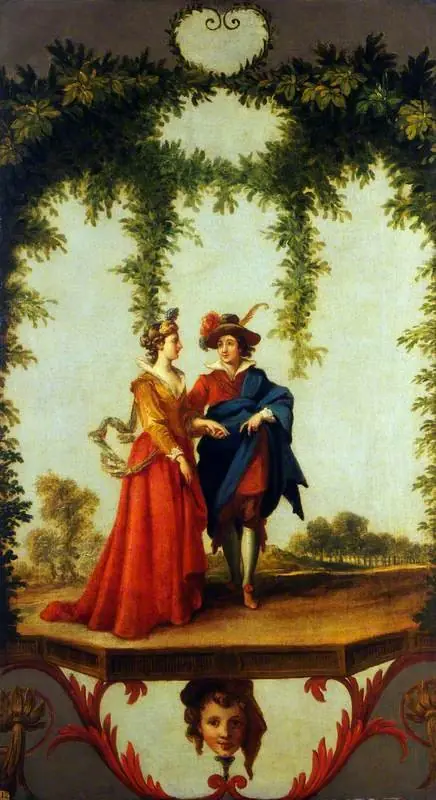
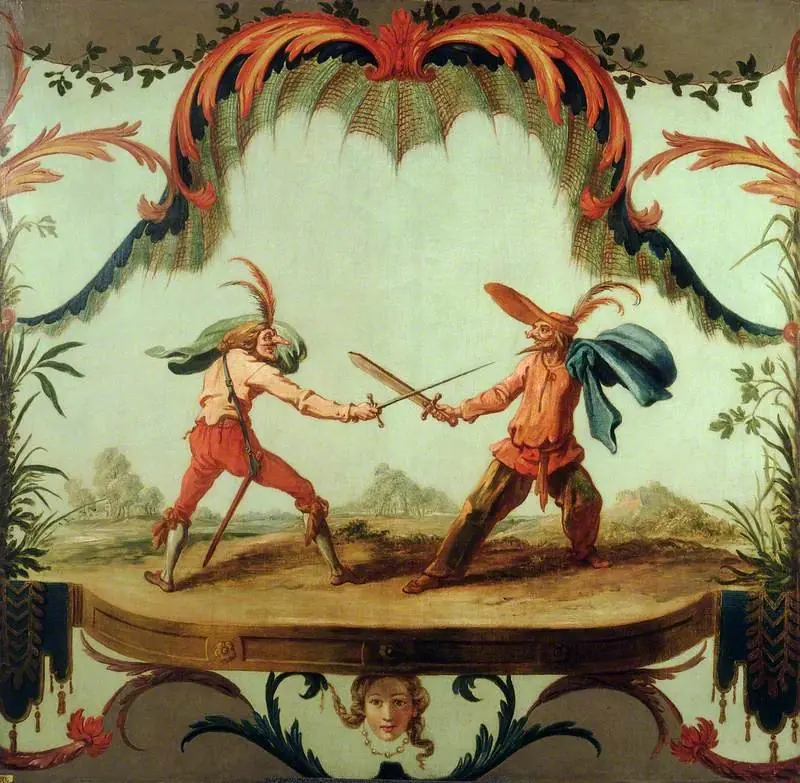
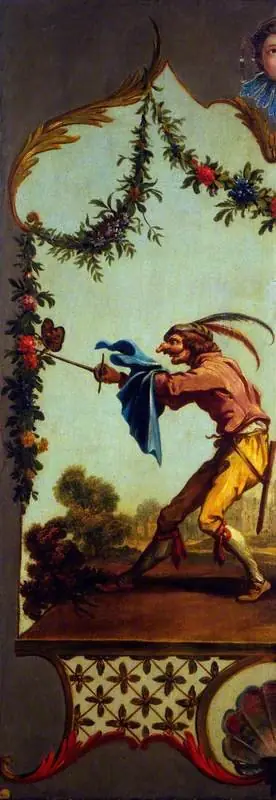
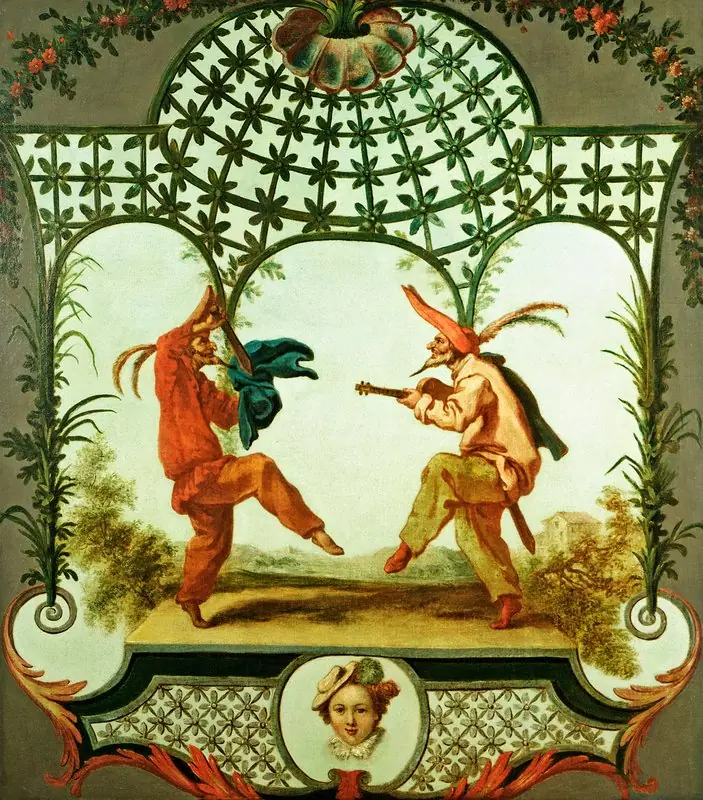
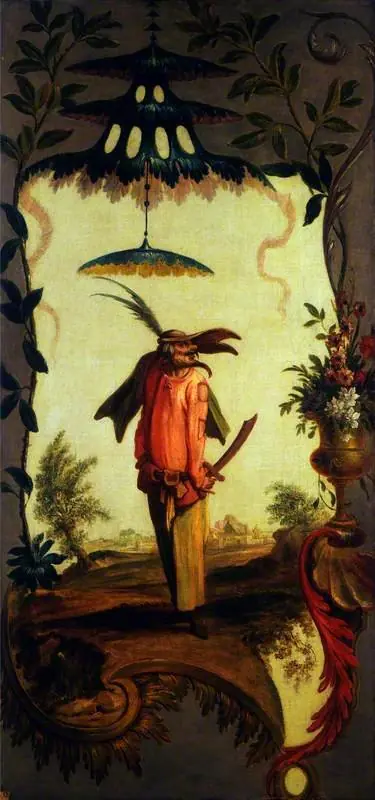
The painting depicts three figures in fanciful, anachronistic attire, engaged in a lighthearted, choreographed moment: one plays a stringed instrument, another balances a large jug, and the third dances with a small box. Their names suggest invented or satirical identities, typical of Clermont’s singeries and turqueries. The scene evokes theatrical fantasy rather than narrative, inviting amusement through absurdity rather than storytelling.
Technique & Style
Clermont employs soft, muted backgrounds to isolate the vividly dressed figures, enhancing their theatrical presence. Brushwork is fluid and precise, with attention to textile textures and subtle highlights that suggest movement. The composition is asymmetrical yet balanced, guiding the eye across the trio’s gestures. Color is used expressively, not naturalistically, reinforcing the playful, stylized tone of Rococo decorative art.
History & Provenance
Commissioned as part of interior decoration for a British country house, the painting reflects the 18th-century fashion for exotic-themed ornamentation. It remained in private collections before entering the Victoria and Albert Museum, where it is preserved as an example of French artists’ contributions to British decorative culture. Its survival offers insight into the transient nature of such decorative commissions.
Context
In mid-18th-century England, French artists like Clermont catered to aristocratic tastes for chinoiseries, turqueries, and singeries—stylized fantasies drawing on imagined Eastern or non-European cultures. These works adorned salons and libraries as symbols of cosmopolitan refinement. *Benemia, Bernoualla and Cucurucu* fits within this trend, blending European Rococo elegance with invented exoticism to entertain rather than inform.
Legacy
Though Clermont is not widely known today, his works remain important for understanding the role of decorative painting in aristocratic interiors. *Benemia, Bernoualla and Cucurucu* illustrates how artists navigated the boundary between fine art and ornament, prioritizing charm and novelty over historical or moral depth. It continues to be studied as a representative example of Rococo’s playful, theatrical sensibility.
Artist & collection
Artist
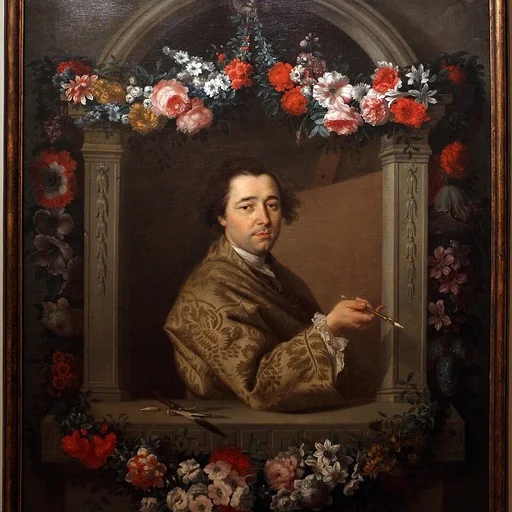
Andien de Clermont (died 1783) was a French artist who worked in England in the 18th century (c.1716–1756).