Artwork
Untitled
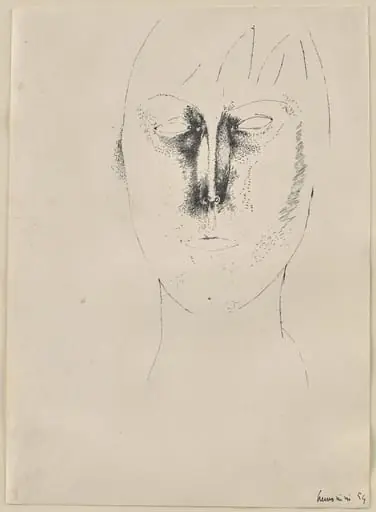
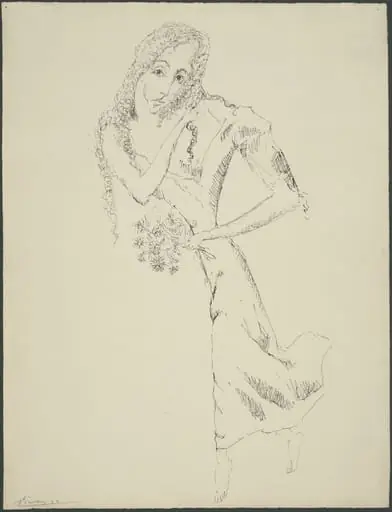
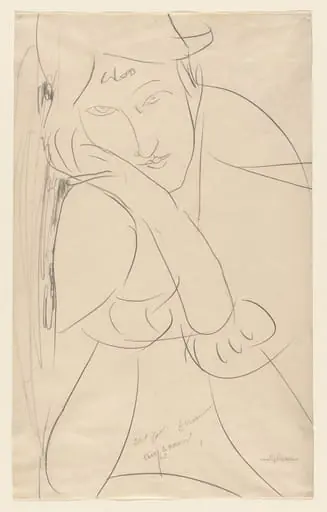
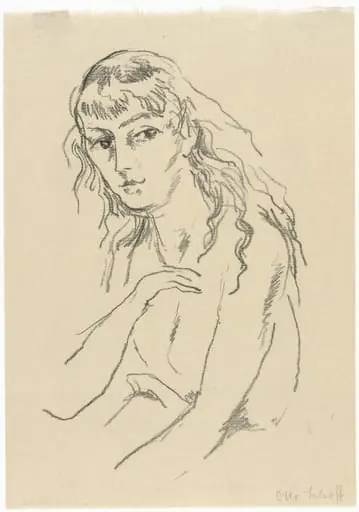
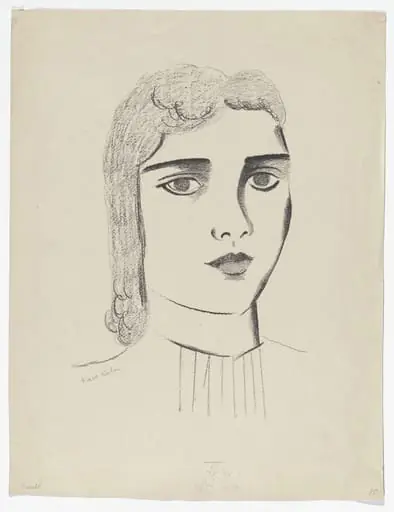
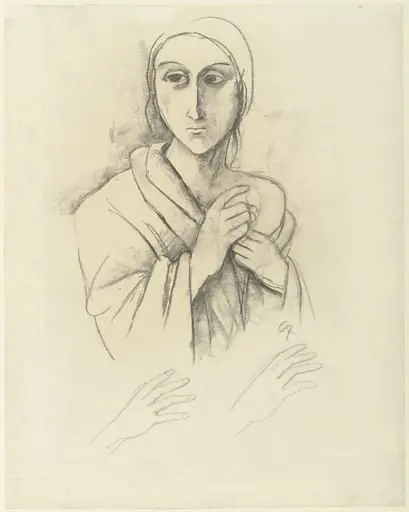
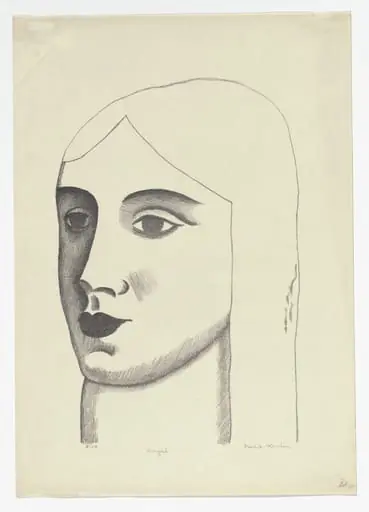
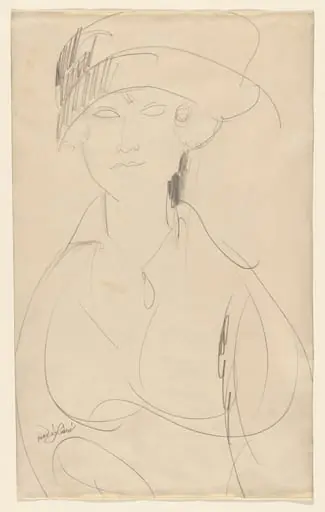
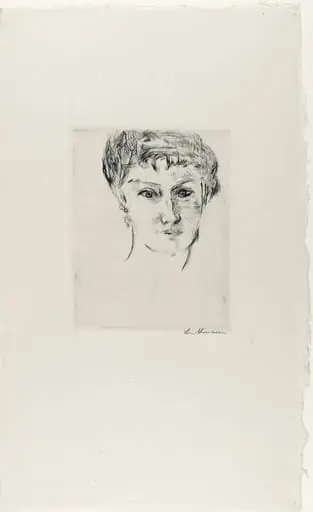
Untitled is an ink print by André Derain. It dates from 1927 and is held in the collection of the Museum of Modern Art.
About this work
Overview
The work reflects Derain’s continued engagement with figuration during a period when many of his contemporaries were moving toward abstraction.
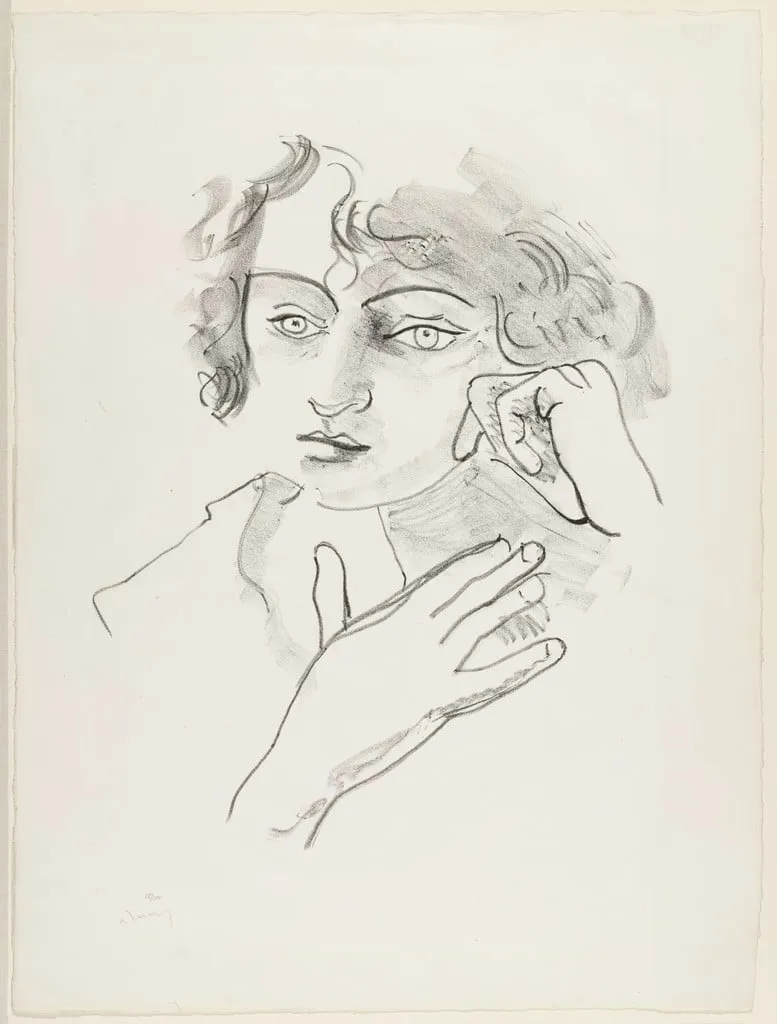
Created in 1927, this lithograph by André Derain is part of The Museum of Modern Art’s collection. It presents a portrait of a woman rendered in monochrome, emphasizing line and tonal variation characteristic of the lithographic process. The image avoids color entirely, relying on ink density and texture to convey form and mood. The work reflects Derain’s continued engagement with figuration during a period when many of his contemporaries were moving toward abstraction.
Subject & Meaning
The subject is a woman with short, curly hair, her right hand gently touching her face, fingers curled as if in quiet reflection. Her gaze, directed slightly away from the viewer, suggests introspection rather than engagement. There is no narrative context provided, and the absence of background or detail focuses attention on her expression and gesture. The stillness of the pose and the restrained composition evoke a sense of private contemplation.
Technique & Style
Derain employed lithography to achieve a range of tonal gradations through controlled ink application on stone. The image is built with deliberate, fluid lines and areas of dense shading that model the face and hair without relying on outline. The texture of the print reveals the grain of the stone and the hand-drawn quality of the medium. This technique allows for both precision and spontaneity, aligning with Derain’s interest in capturing psychological presence through direct mark-making.
History & Provenance
The work entered The Museum of Modern Art’s collection in the mid-20th century, likely through a donation or acquisition focused on European modernist prints. Its provenance prior to the museum is not publicly documented, but it aligns with Derain’s output during the 1920s, a period when he produced numerous graphic works alongside his paintings. The lithograph was likely printed in a small edition, consistent with the artist’s practice at the time.
Context
In the late 1920s, Derain was transitioning from his earlier Fauvist style toward a more classical, introspective approach. This portrait reflects his interest in traditional portraiture, influenced by Renaissance and Old Master studies, yet filtered through modern printmaking techniques. While Parisian avant-garde circles favored radical experimentation, Derain pursued a quieter, more personal form of expression, often returning to the human figure as a subject of enduring interest.
Legacy
This lithograph contributes to the broader understanding of Derain’s graphic work, which is less widely known than his paintings. It demonstrates his technical fluency in printmaking and his ability to convey emotional nuance through minimal means. As part of MoMA’s collection, it remains a reference point for scholars studying the intersection of modernist figuration and print media in interwar Europe.
Artist & collection

Artist
André Derain was a French artist, painter, sculptor and co-founder, with Henri Matisse, of Fauvism.