Artwork
Untitled
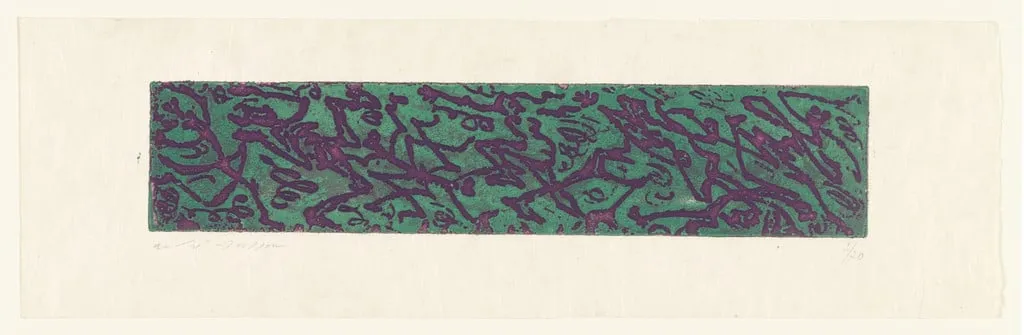
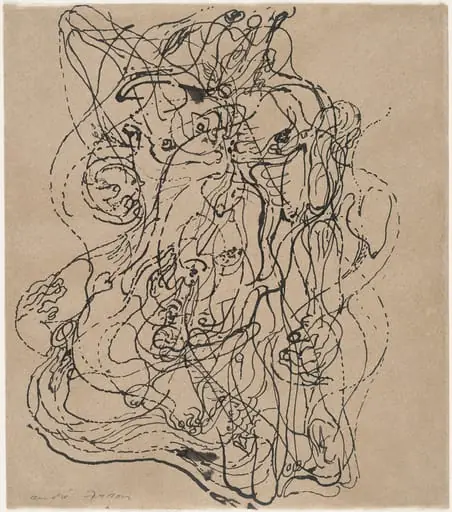
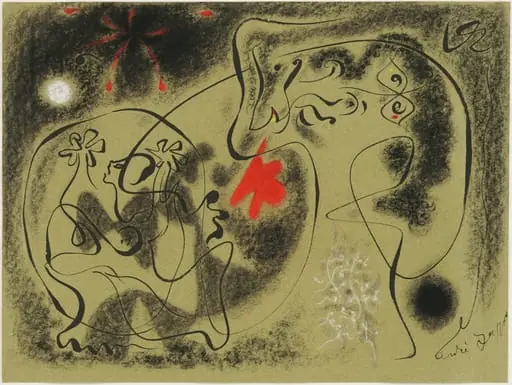
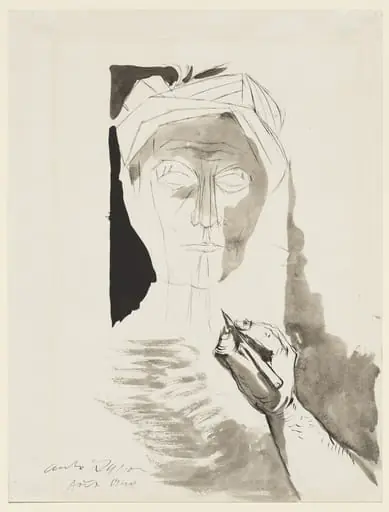
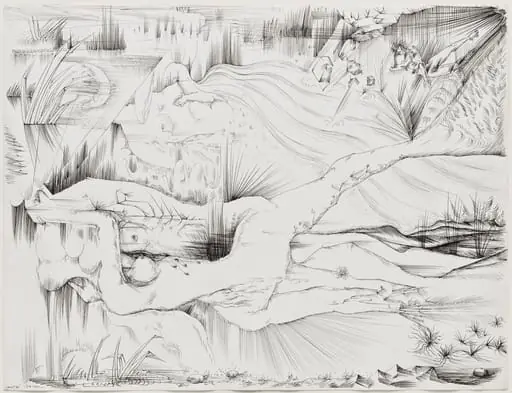
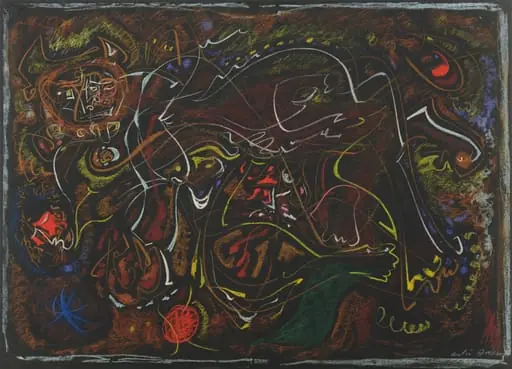
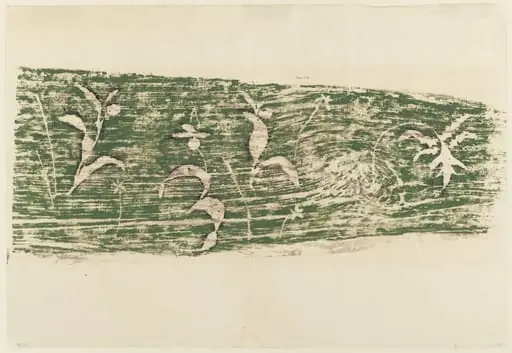
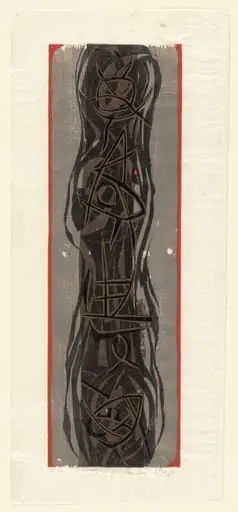
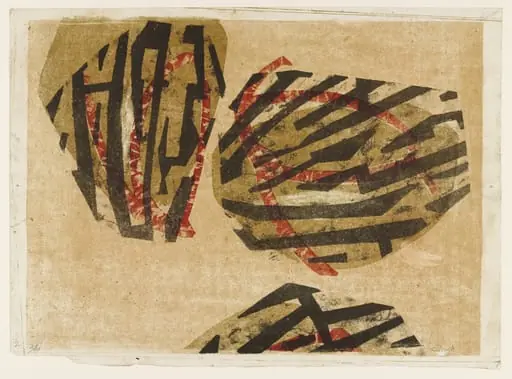
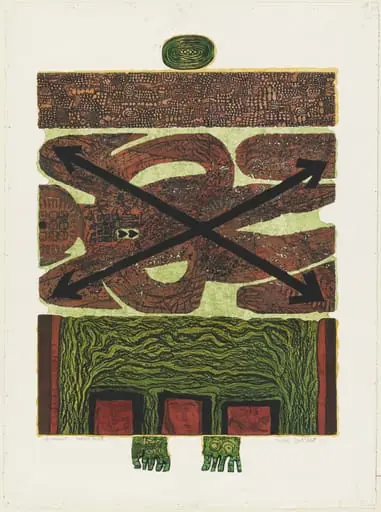
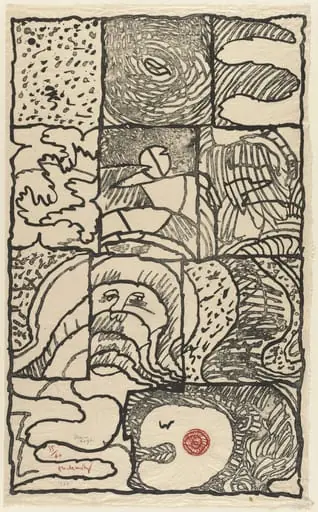
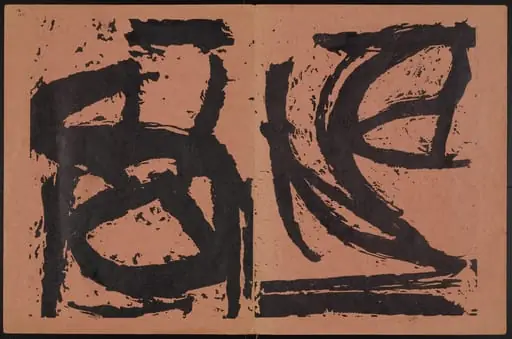
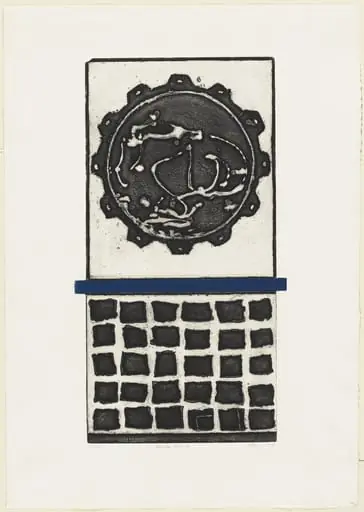
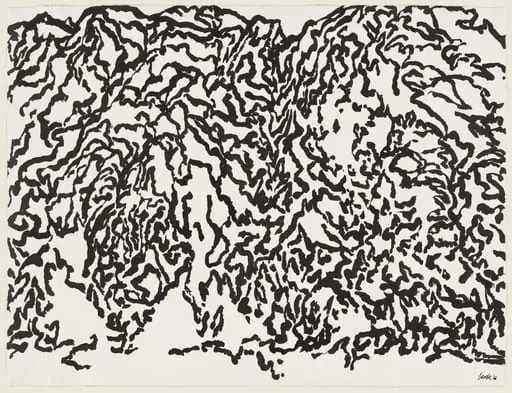
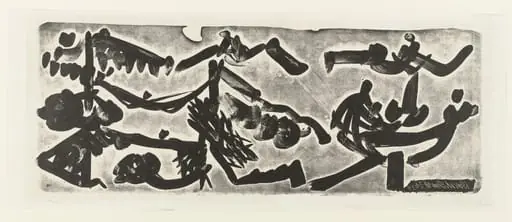
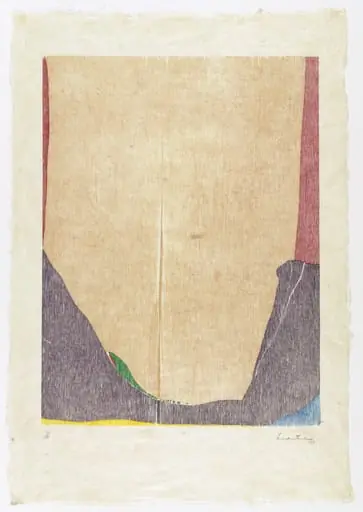
Untitled is an ink print by André Masson. It dates from 1955 and is held in the collection of the Museum of Modern Art.
About this work
Overview
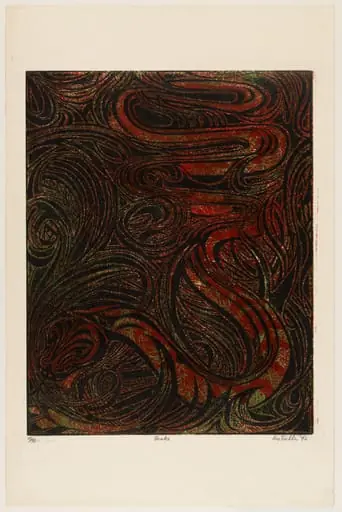
Created in 1955, this etching by André Masson is a vertical composition of dense, interwoven lines.
Created in 1955, this etching by André Masson is a vertical composition of dense, interwoven lines. Executed using traditional intaglio methods, the image emerges from ink pressed into incised grooves on a metal plate, transferring onto paper with a soft, blurred edge. The work belongs to The Museum of Modern Art’s print collection and reflects Masson’s sustained engagement with automatism and gestural abstraction during his postwar period.
Subject & Meaning
The image resists literal interpretation, presenting a field of organic, fluid forms that suggest biological growth or chaotic motion. Without identifiable figures or symbols, it aligns with Surrealist automatism—prioritizing unconscious expression over narrative. The swirling patterns evoke internal states or unseen forces, consistent with Masson’s interest in psychological depth and the subconscious as artistic sources.
Technique & Style
Masson employed etching to achieve fine, controlled line work with a tactile, slightly blurred quality. The ink’s slight diffusion at the edges of each line enhances the sense of movement and instability. Dark green and deep purple dominate, accented by faint pink and white, creating a muted, atmospheric tone. The composition’s narrow format intensifies the vertical flow of marks, guiding the eye along a continuous, rhythmic path.
History & Provenance
Masson produced this work during his later years in France, following his years in the United States during World War II. Though he had been discharged from the French Army after wartime injuries, his artistic practice remained deeply informed by trauma and displacement. The etching entered The Museum of Modern Art’s collection as part of its broader effort to document transatlantic modernist developments in printmaking.
Context
In the mid-1950s, Masson was transitioning from Surrealist roots toward more abstract, gestural forms, paralleling developments among American Abstract Expressionists. His earlier experiments with automatic drawing influenced artists like Jackson Pollock. This etching reflects a broader postwar shift in European art toward non-representational expression, even as it retains the psychological undercurrents of his Surrealist origins.
Legacy
This work contributes to Masson’s reputation as a bridge between European Surrealism and American postwar abstraction. Its emphasis on spontaneous mark-making and material texture informed later generations of printmakers exploring process over representation. Though not widely exhibited, its presence in MoMA’s collection anchors it within the institutional narrative of 20th-century experimental printmaking.
Artist & collection
Artist
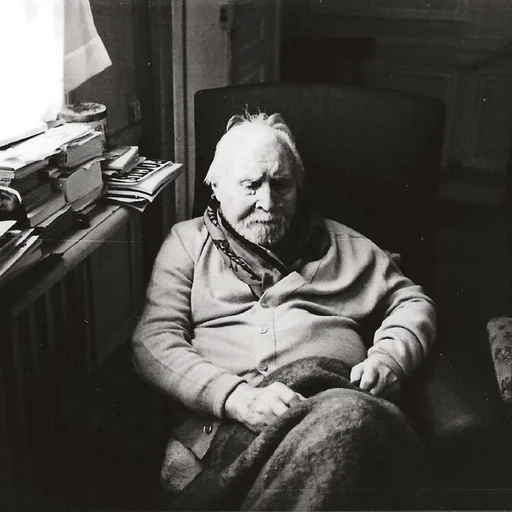
André-Aimé-René Masson (French: ; 4 January 1896 – 28 October 1987) was a French artist.