Artwork
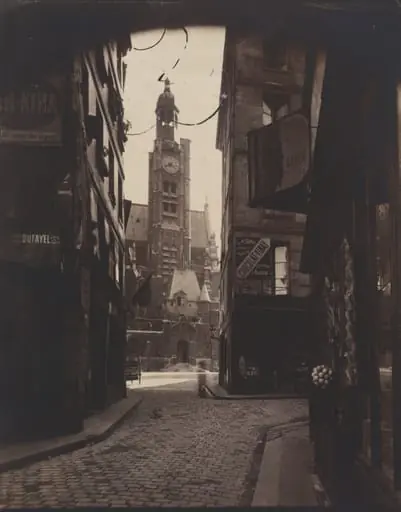
Clamart (Vielle Rue)
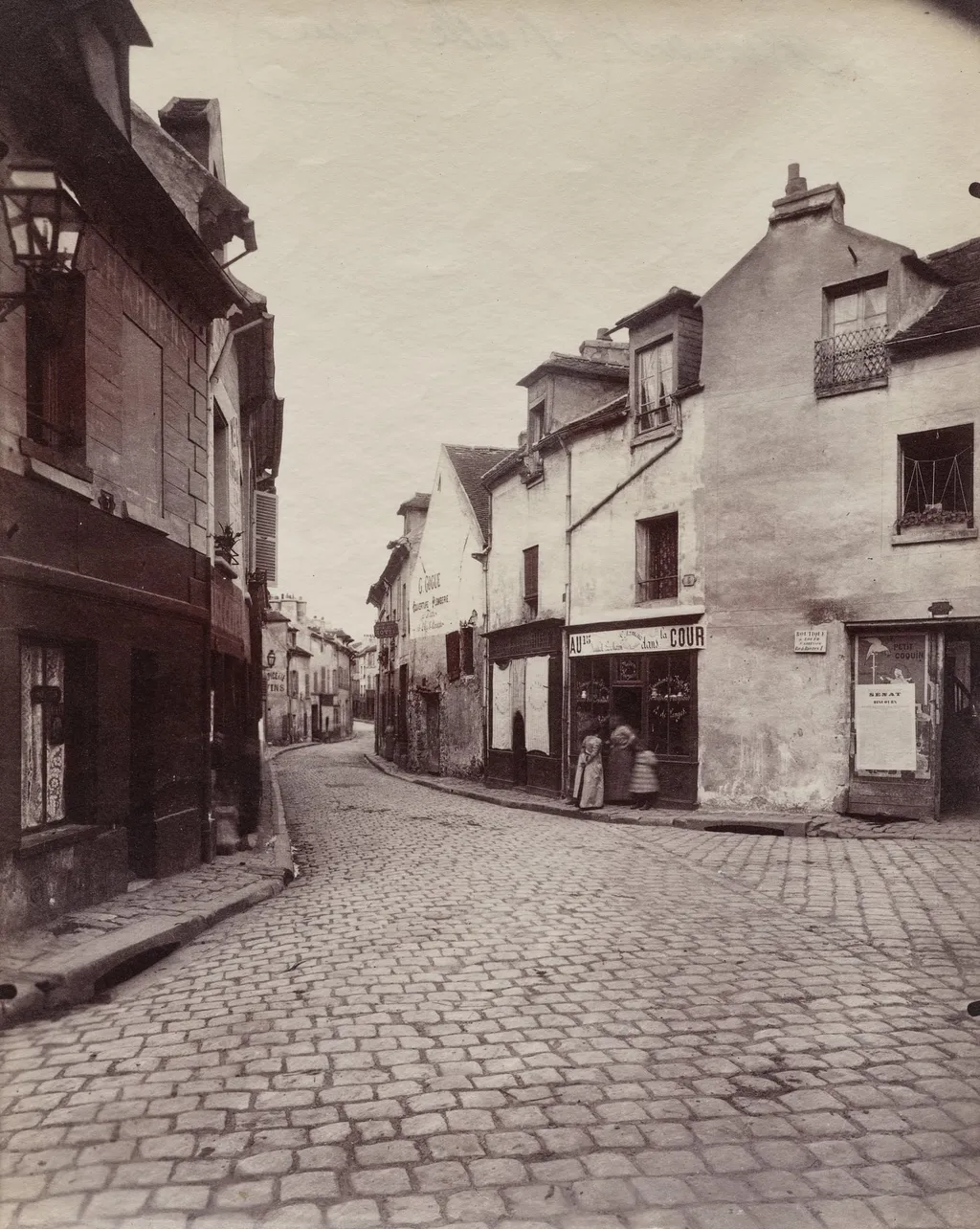
Clamart (Vielle Rue) is a photography by Eugène Atget. It dates from 1914 and is held in the collection of the Cleveland Museum of Art.
About this work
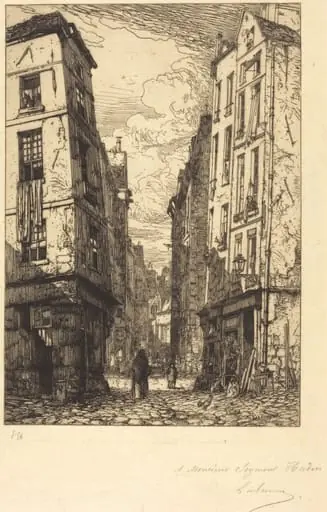
This painting shows a quiet street scene.
The artist took this photo before 1914, and it's interesting because it shows a simple, everyday scene from a long time ago. Atget was trying to document old Paris, and this is one of those photos.
You can learn more about this style by looking at the work of artist: Eugène Atget (French, 1857–1927).
Overview
Eugène Atget’s photograph Clamart (Vielle Rue) dates from 1914 and is part of the collection of the Cleveland Museum of Art. The image records a modest, unadorned street in the Parisian suburb of Clamart, offering a glimpse of everyday urban life at the turn of the twentieth century.
Subject & Meaning
The picture captures a tranquil thoroughfare flanked by modest buildings, devoid of pedestrians or traffic. By focusing on an ordinary scene, Attrue emphasizes the quiet continuity of the city’s fabric, preserving a moment that might otherwise have been overlooked.
Technique & Style
Taken with a large-format camera, the photograph exhibits Attrue’s characteristic sharp focus and careful composition. The tonal range is restrained, with muted grays that highlight architectural details while maintaining an overall sense of stillness.
History & Provenance
Created in the final years of Attrue’s career, the work entered the Cleveland Museum of Art’s holdings through acquisition (date of acquisition not specified). It remains an example of his systematic visual survey of Paris before the city’s rapid modernization.
Context
Attrue devoted much of his later work to documenting the disappearing streets, shops, and neighborhoods of Paris. This image fits within his broader project to archive the city’s historic environment, a task he pursued from the 1890s until his death in 1927.
Artist & collection

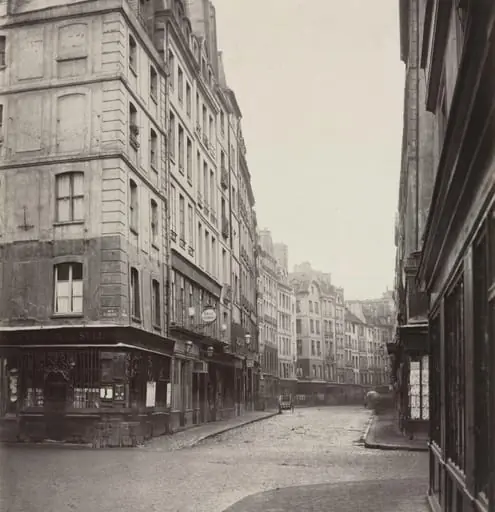 Rue de la Ferronnerie
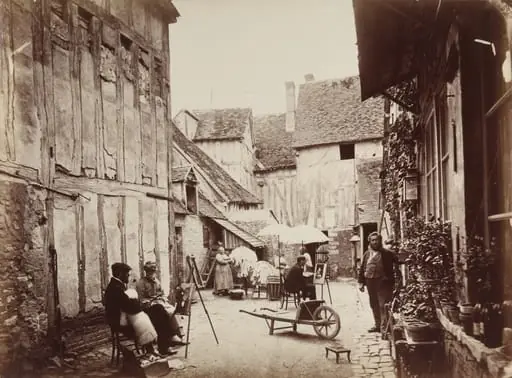 Courtyard with Painters
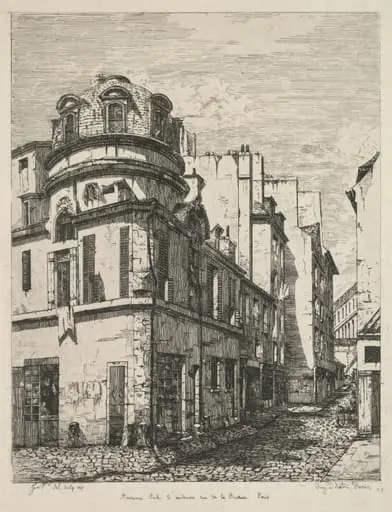 Eaux-Fortes sur le Vieux Paris: Ancienne école de médecine rue de la Bûcherie (Etchings of Old Paris: Former Medical School, rue de la Bucherie)
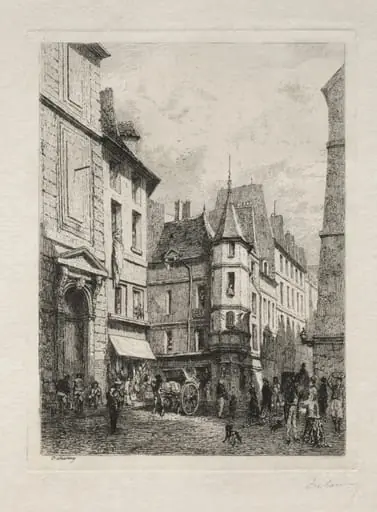 Tourelle en Fontaine Rue d'Ecole de Medicines demolies en 1877
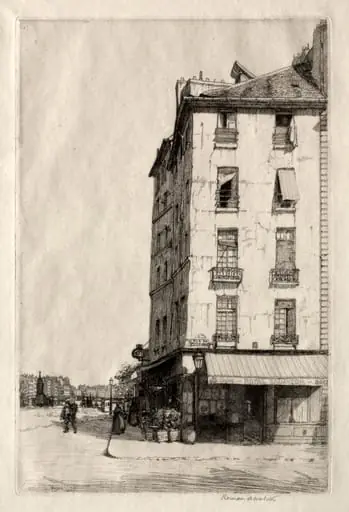 Quay Montebello
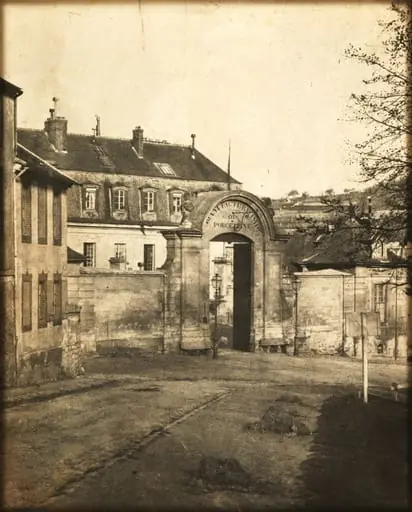 Doorway to Sèvres Factory
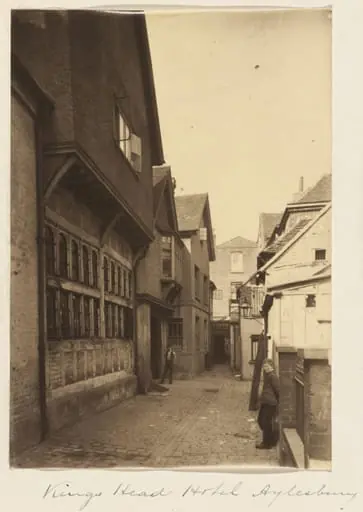 National Photographic Record and Survey
 Gateway to Borwick Hall, Lancashire
 Rue Jean-de-Beauvais. Vue prise de la rue des Écoles vers la boulevard Saint-Germain, en travaux
 Voyages pittoresques et romantiques dans l'ancienne France. Bretagne: Morlaix
 Farmyard
 Rue des Marmousets (Quartier de la cite, vieux Paris)