Artwork
Doorway to Sèvres Factory
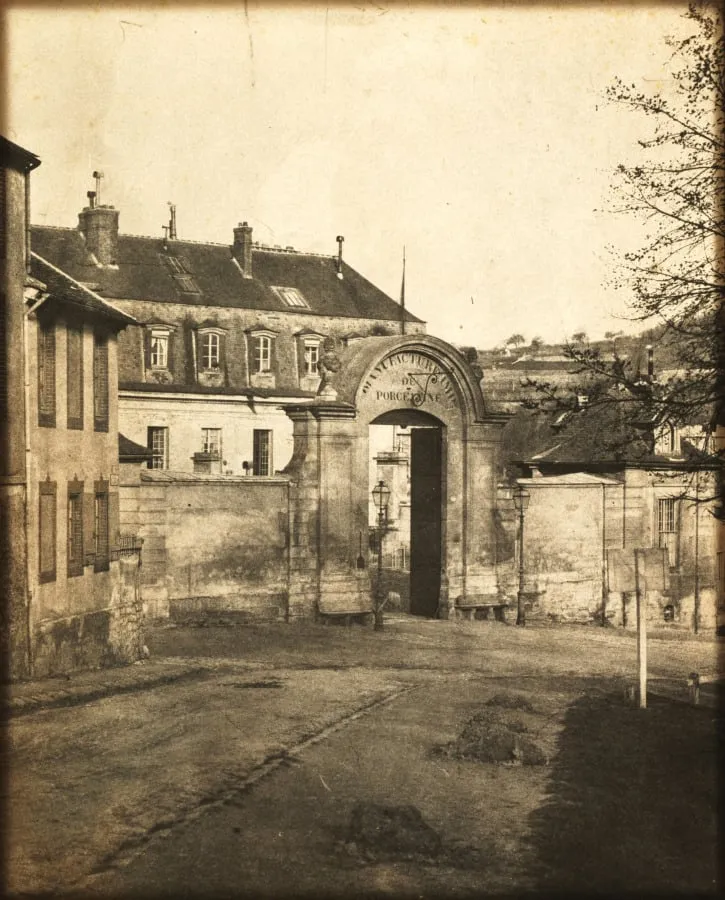
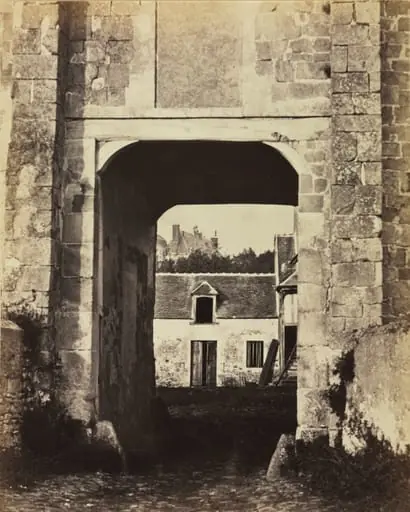
Doorway to Sèvres Factory is a photography by the Romanticist artist Louis-Rémy Robert. It dates from 1852 and is held in the collection of the Cleveland Museum of Art.
About this work
Overview
The image is notable not only for its subject but for preserving its original waxed paper negative—a rare survival from the medium’s early years.
This photograph captures the entrance to the Sèvres porcelain factory, taken by Louis-Rémy Robert, who spent over two decades overseeing its painting and gilding studio. The image is notable not only for its subject but for preserving its original waxed paper negative—a rare survival from the medium’s early years. Robert’s dual expertise in decorative arts and photography informed his precise, atmospheric rendering of the site.
Subject & Meaning
The gateway to the Sèvres factory is portrayed without human figures, emphasizing structure and quietude. The archway and surrounding walls suggest institutional permanence, while the play of light and shadow underscores the building’s materiality. For Robert, this was more than documentation—it was a personal meditation on the place where his artistic labor and technical mastery converged.
Technique & Style
Robert employed the waxed paper negative process, which allowed for subtle tonal gradations and fine detail. His background in porcelain painting informed his sensitivity to surface texture and composition, translating the discipline of decorative design into photographic form. The image avoids theatricality, favoring balance, restraint, and a muted palette that reflects the factory’s utilitarian elegance.
History & Provenance
Robert joined the Sèvres factory in 1848 as head of the painting studio and later became its director. His photographic work was likely produced during his tenure, serving both archival and personal purposes. The survival of the original negative is exceptional; most early paper negatives were discarded after printing. This print retains its original support, offering insight into the material practices of mid-19th-century French photography.
Context
In the mid-1800s, photography was increasingly used by industrial and artistic institutions to record processes and architecture. Robert’s work aligns with this trend but stands apart through his intimate connection to Sèvres. His training in artisanal crafts distinguished his approach from that of professional photographers, blending technical precision with a maker’s understanding of the site’s function and history.
Legacy
Robert’s photographs remain significant as rare visual records of a major European ceramics center during its 19th-century peak. His integration of craft-based training into photographic practice highlights the fluid boundaries between art, industry, and documentation in this period. The survival of the original negative ensures that his method and intent are accessible to modern study.
Artist & collection

 Rural Estate Seen Through Archway
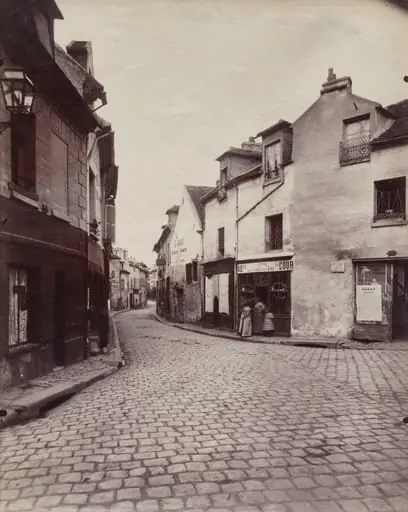 Clamart (Vielle Rue)
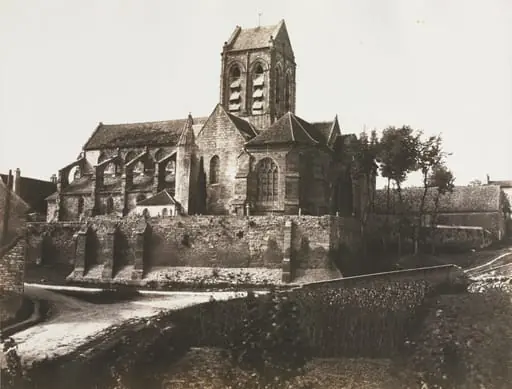 Church at Auvers
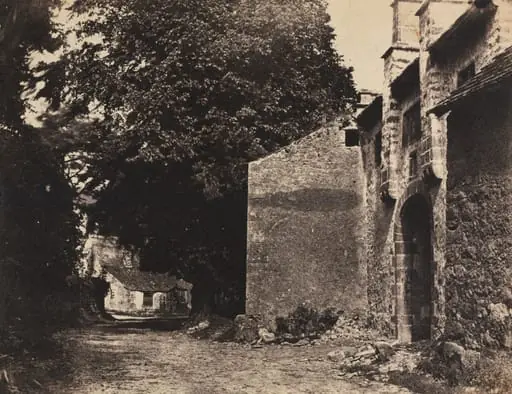 Gateway to Borwick Hall, Lancashire
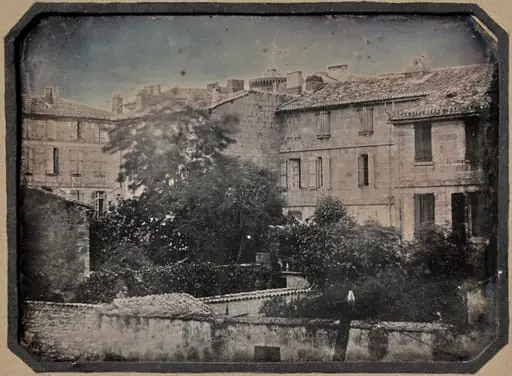 View of Angoulême
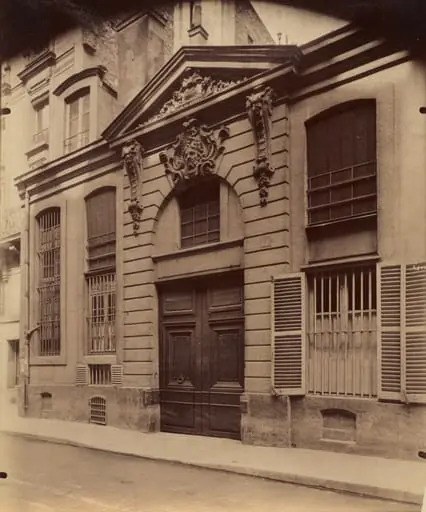 Rue du Regard
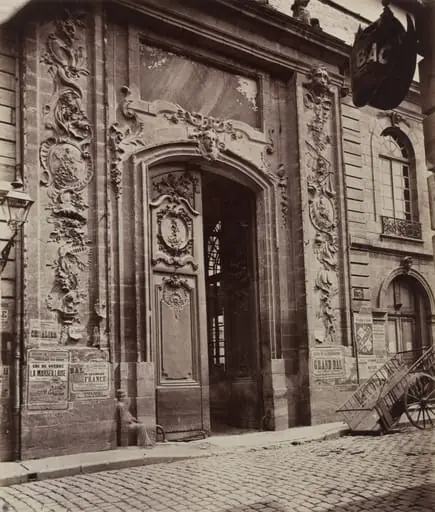 Street in Dijon
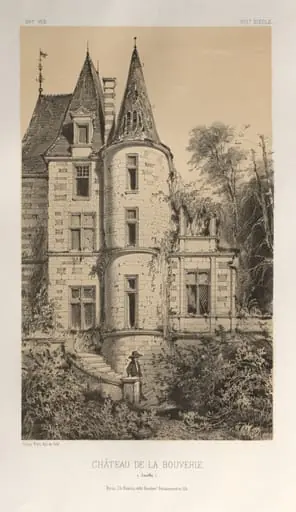 Architecture Pittoresque ou Monuments des xveme. Et xvieme. Siecles: Chateaux De France des XV et XVI Siecles: Pl. 29, Chateau De La Bouverie (Sarthe)
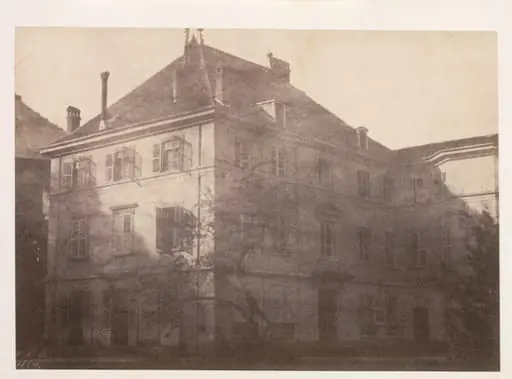 House in Pau
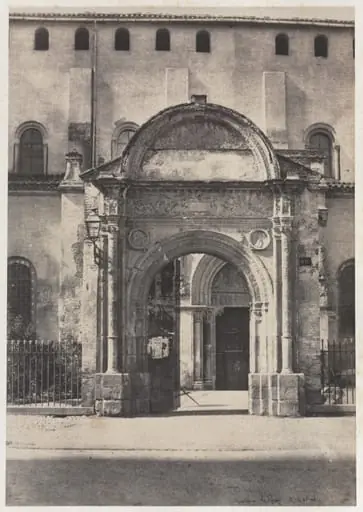 Porte Bachelier, Eglise Saint-Sernin, Toulouse (Haute-Garonne)
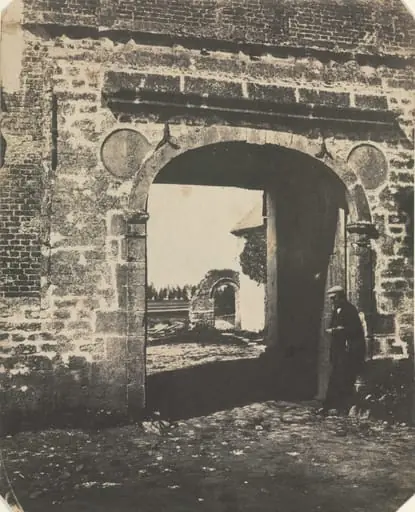 Arch in Farmyard, Swansea
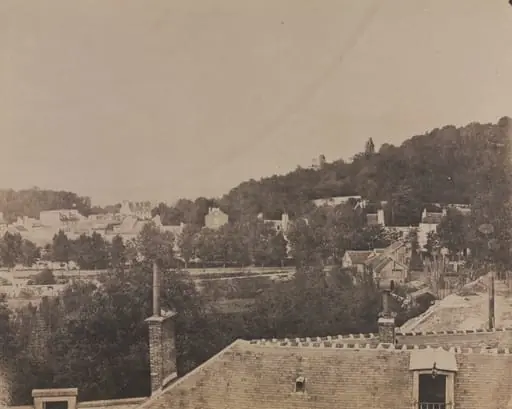 The Royal Porcelain Factory at Sèvres