Artwork
Domenico da Gambassi
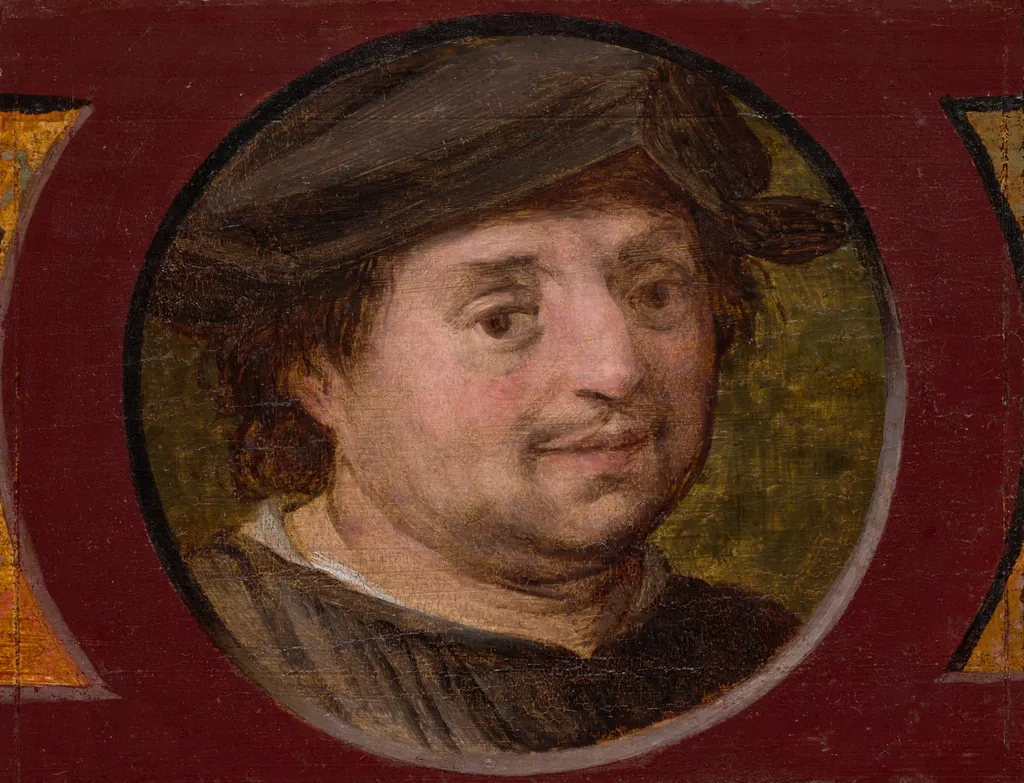
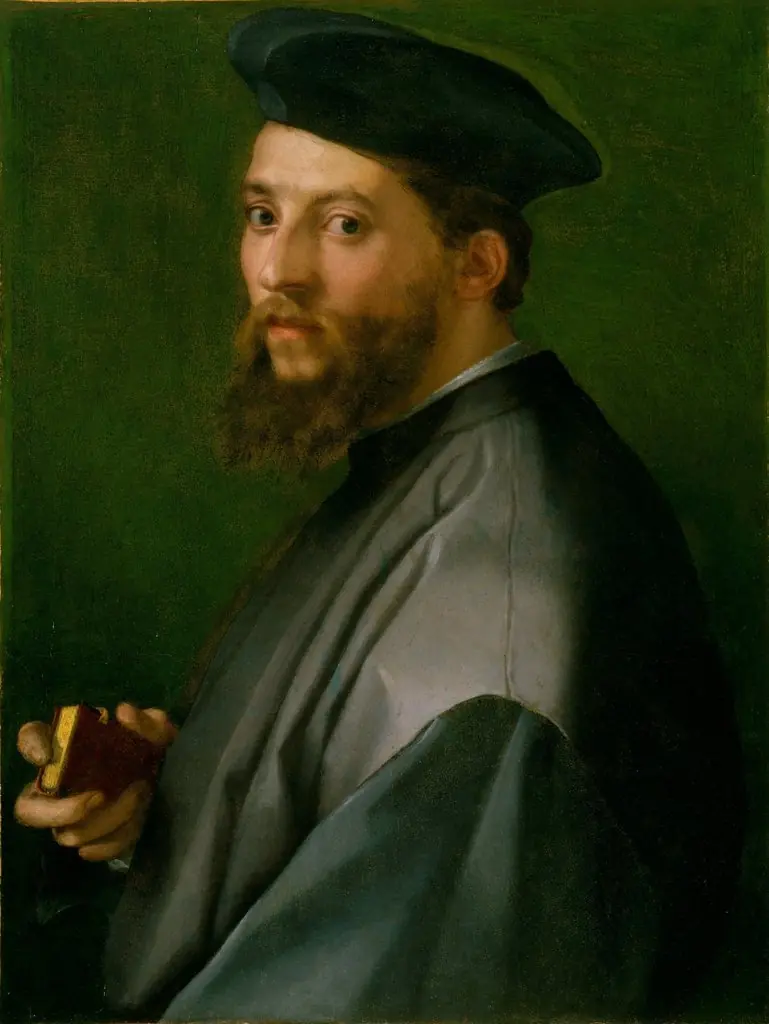
Domenico da Gambassi is an oil painting by the High Renaissance artist Andrea del Sarto. It dates from 1526 and is held in the collection of the Art Institute of Chicago.
About this work
Overview
It was designed as part of a cohesive decorative scheme, not as an independent work.
This oil-on-panel portrait of Domenico da Gambassi was originally one of two side panels in the predella of a multi-panel altarpiece commissioned for a church in Gambassi, near Florence. It was designed as part of a cohesive decorative scheme, not as an independent work. The panel’s intimate scale and informal posture reflect its function within a larger religious composition, where secular figures were integrated into sacred contexts.
Subject & Meaning
Domenico da Gambassi, a local patron, is depicted in quiet repose, his gaze directed outward as if engaging with worshippers. His inclusion alongside his wife, Lucrezia, in the predella suggests a devotional purpose—perhaps as intercessors or donors. Their presence anchors the altarpiece in the earthly realm, bridging the spiritual narratives above with the community below.
Technique & Style
Andrea del Sarto employed subtle modeling and soft transitions to render Domenico’s features with naturalism. Delicate highlights at the base of the panel simulate ambient church light, enhancing the illusion that the portraits are set within a sculpted frame. The surrounding strapwork, revealed during conservation, was part of an intricate, continuous border meant to unify the predella’s panels visually and spatially.
History & Provenance
The altarpiece was dismantled over time, leaving only a few surviving panels. Domenico’s portrait remained in the region, its original context obscured until modern conservation uncovered the decorative strapwork and its connection to the larger structure. Its survival offers rare insight into how Florentine altarpieces integrated donor imagery into their architectural framework.
Context
In early 16th-century Florence, it was common for wealthy patrons to commission portraits within religious altarpieces as acts of piety and social affirmation. The predella, typically placed below the main scene, often featured narrative or donor images. Domenico’s portrait aligns with this tradition, reflecting the blending of personal devotion and communal worship in Renaissance religious practice.
Legacy
The rediscovery of the strapwork and its integration with the portrait has reshaped understanding of how predella panels were conceived as unified compositions. This work now serves as a key example of how donor portraits were not merely appended but structurally and aesthetically woven into the architecture of altarpieces, revealing the collaborative nature of Renaissance workshop practice.
Artist & collection
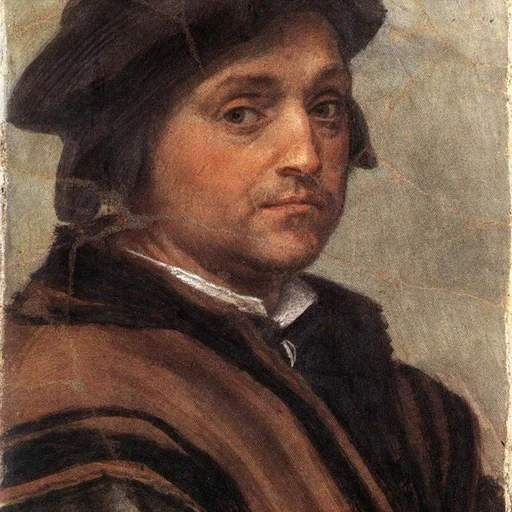
Artist
Andrea del Sarto was an Italian painter from Florence, whose career flourished during the High Renaissance and early Mannerism.

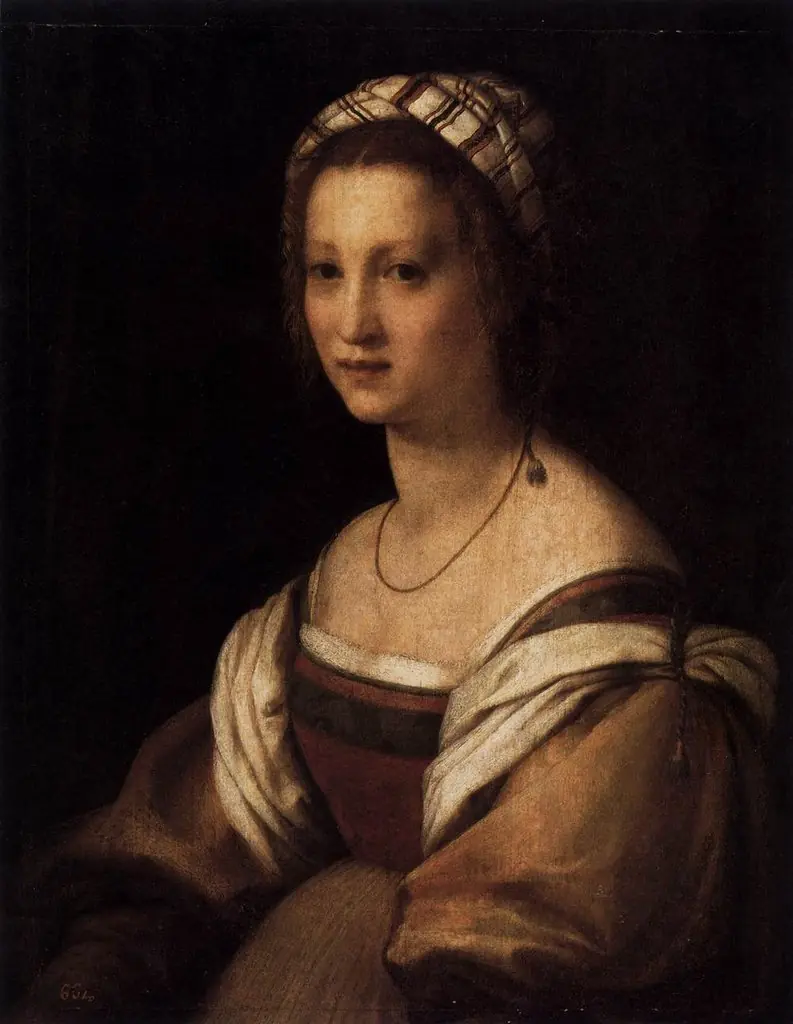
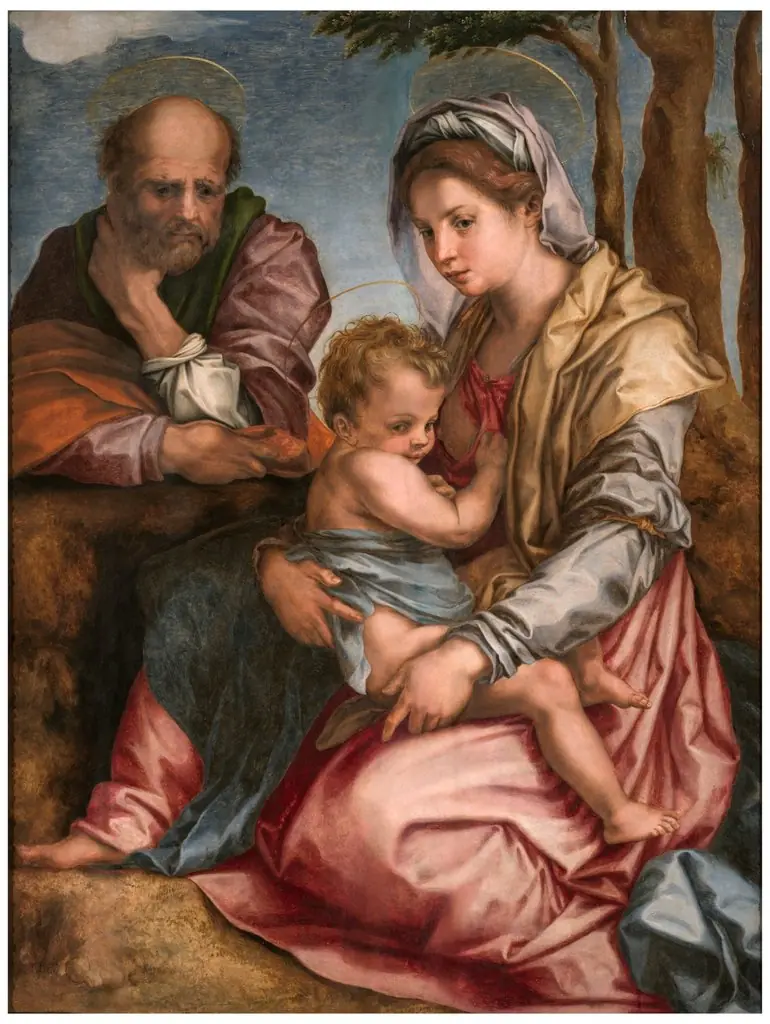
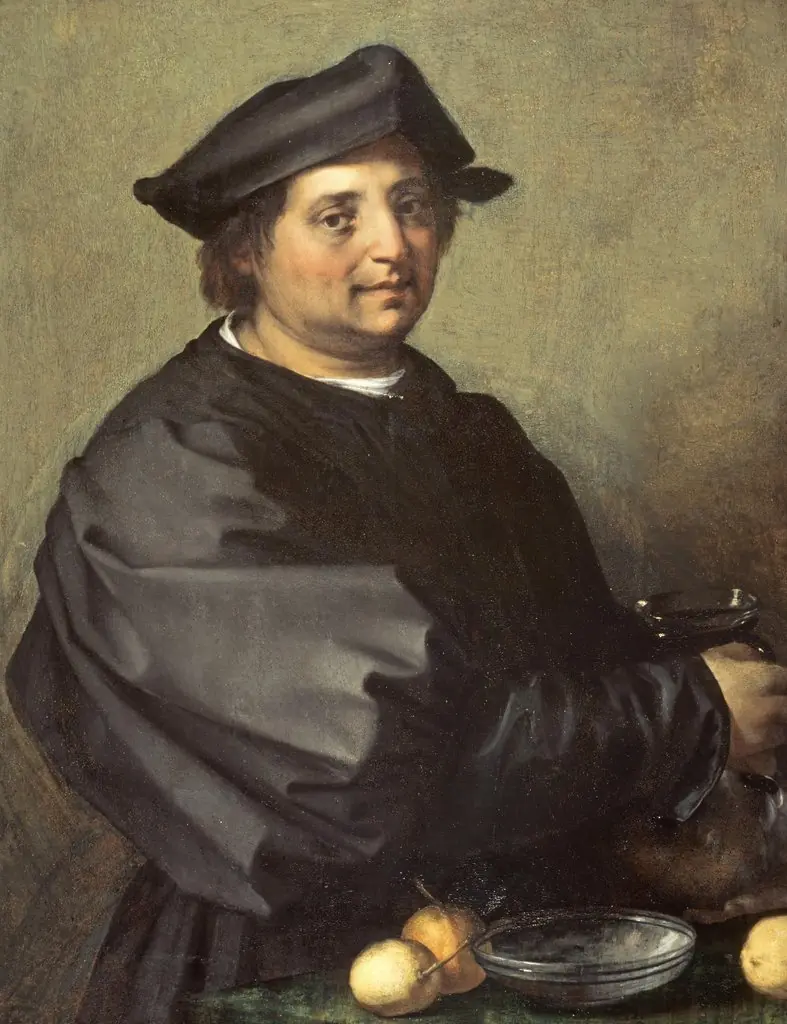 Domenico di Jacopo di Matteo, called 'Becuccio Bicchieraio'
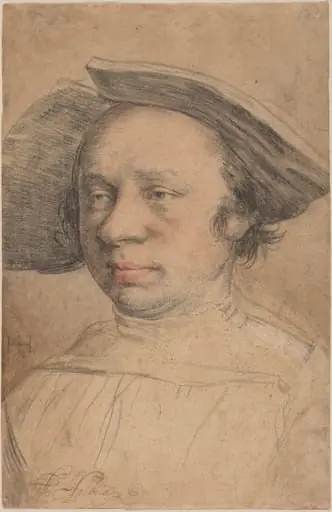 Portrait of a Man in a Broad-Brimmed Hat
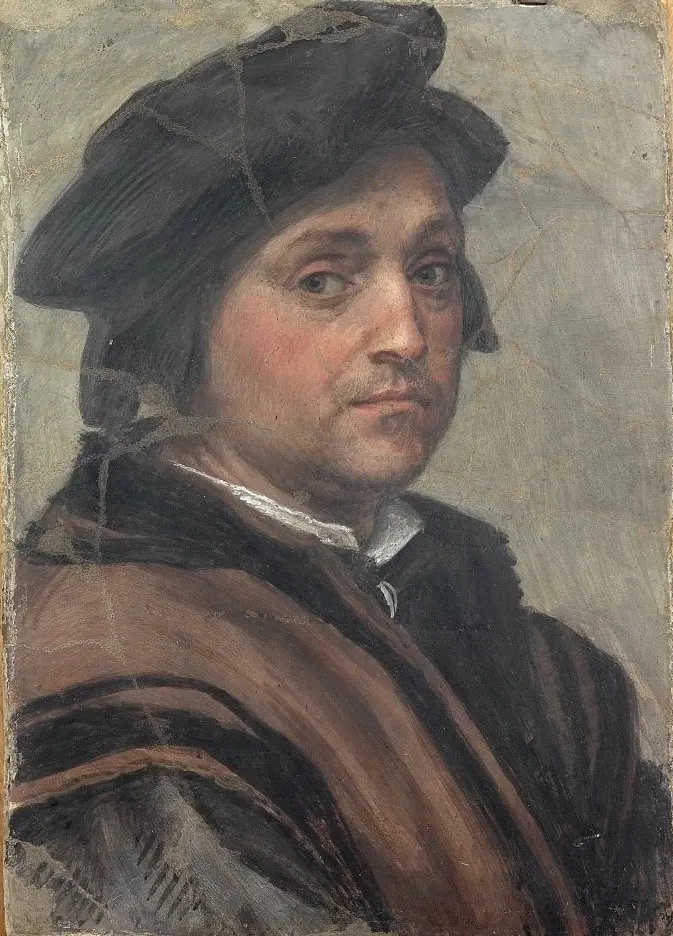 Self-portrait
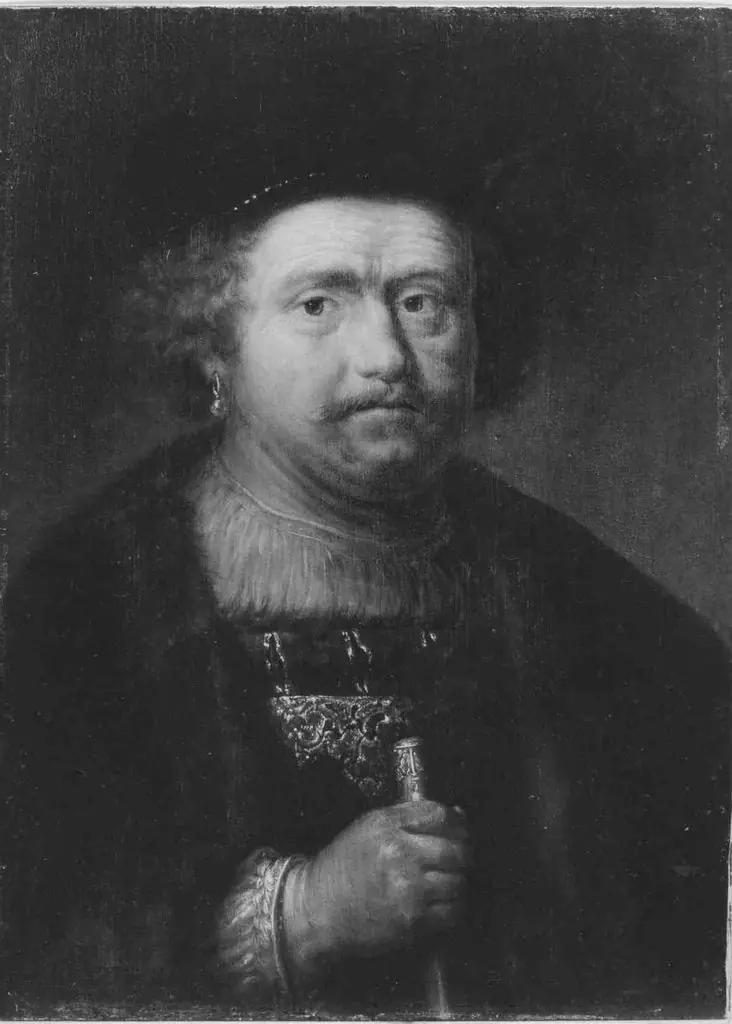 Bildnis eines alten Mannes (?)
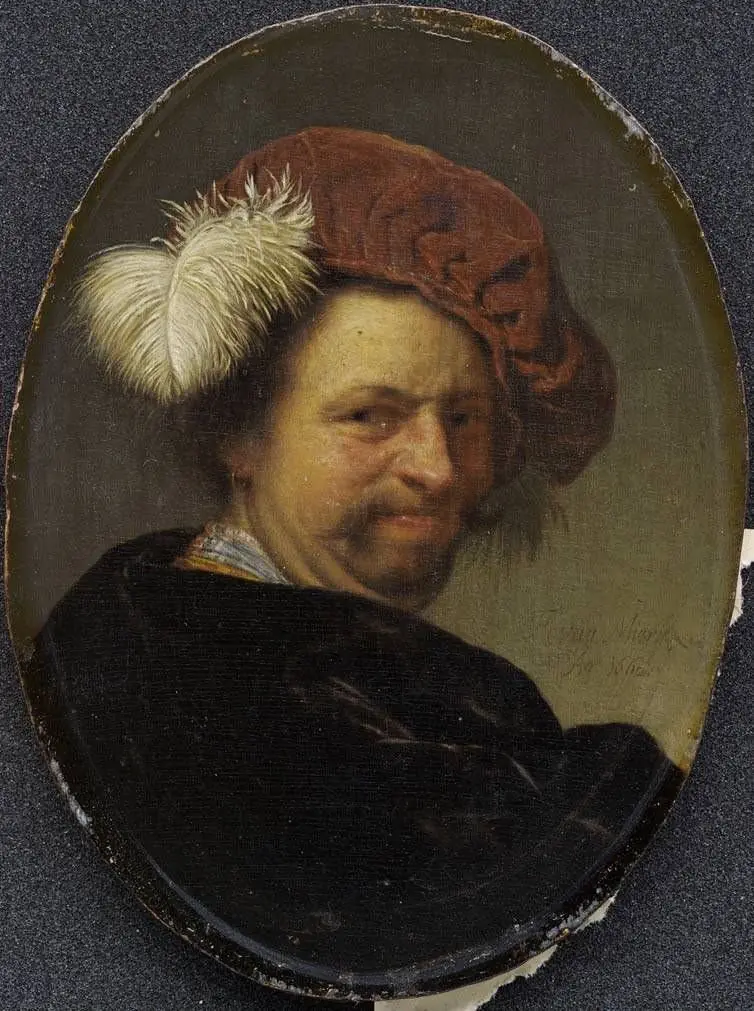 Self portrait
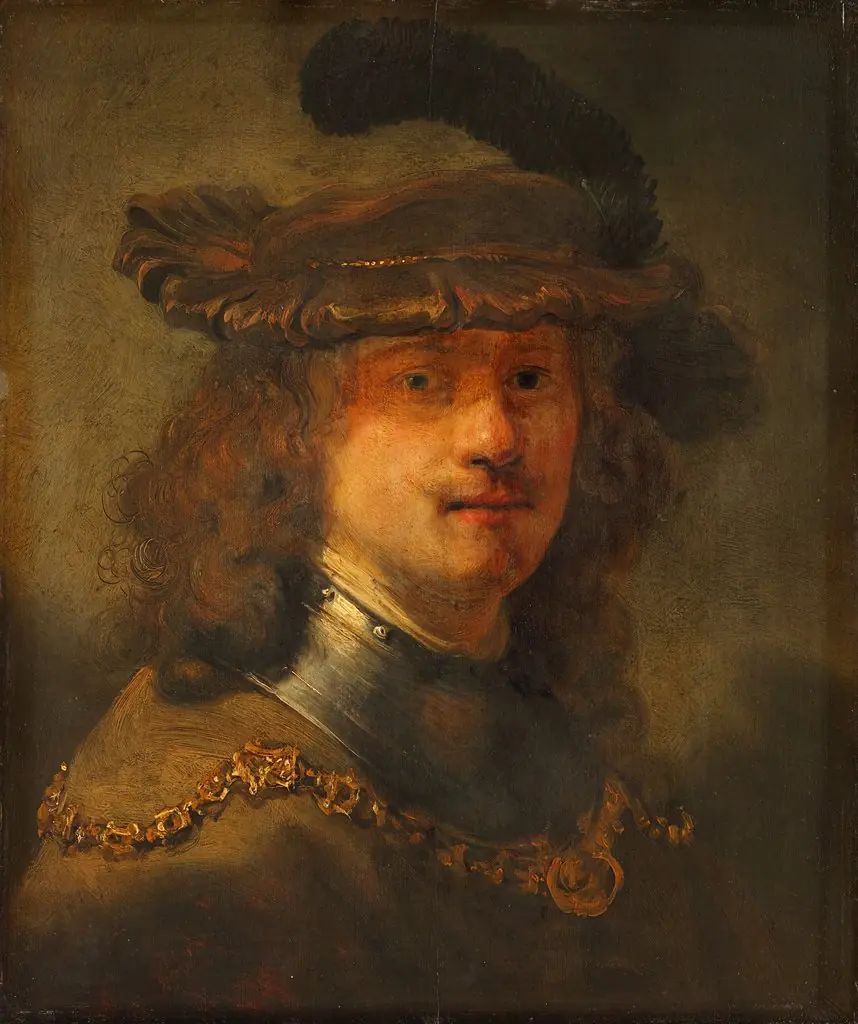 Self portrait with a velvet beret and gold chain
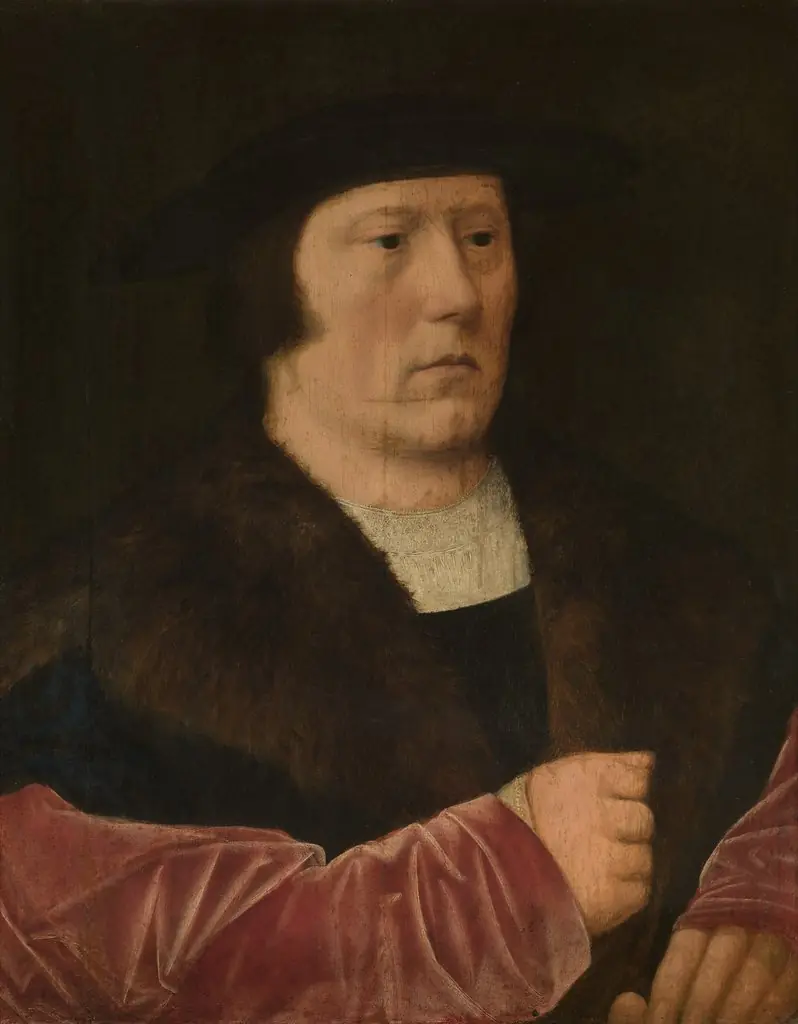 Portrait of a Man
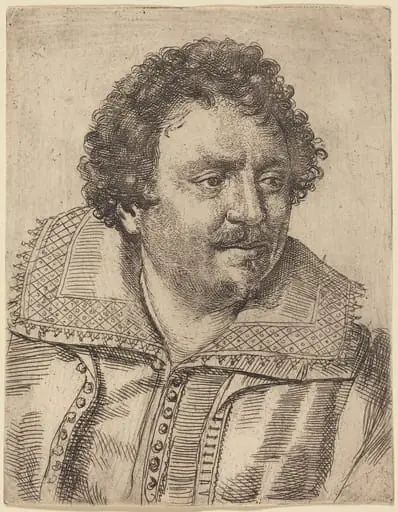 A Man with a Moustache and Goatee, Facing Right
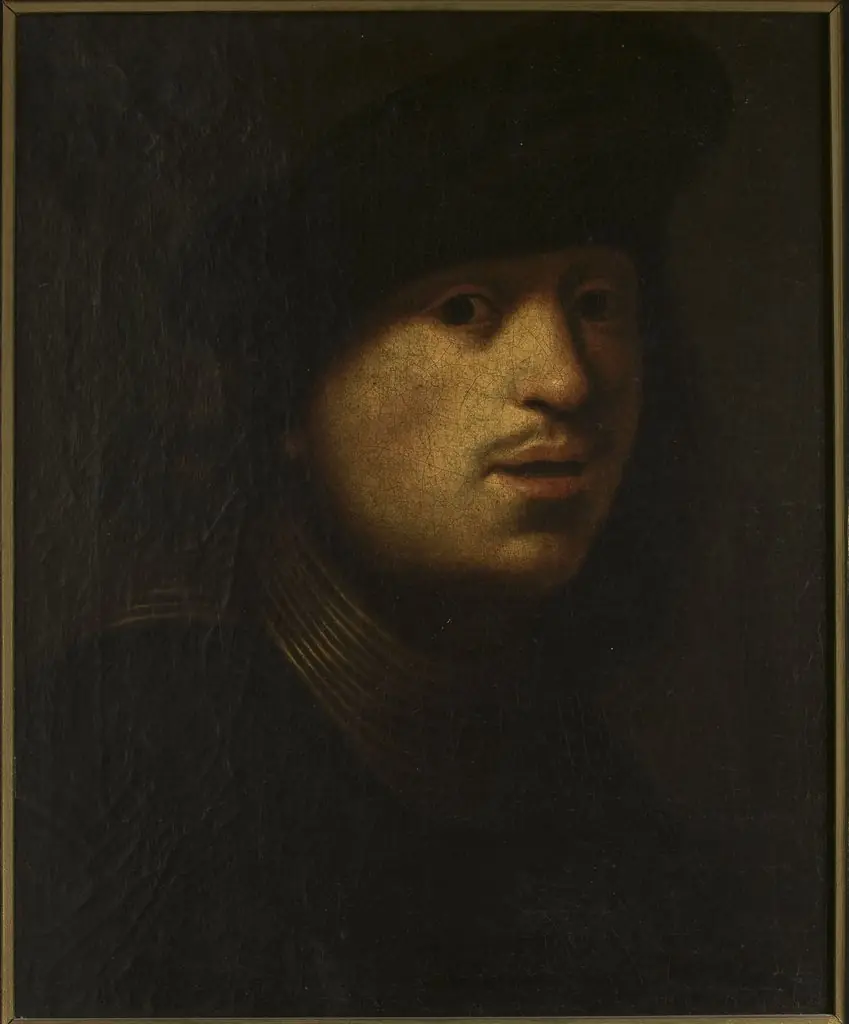 Self-portrait
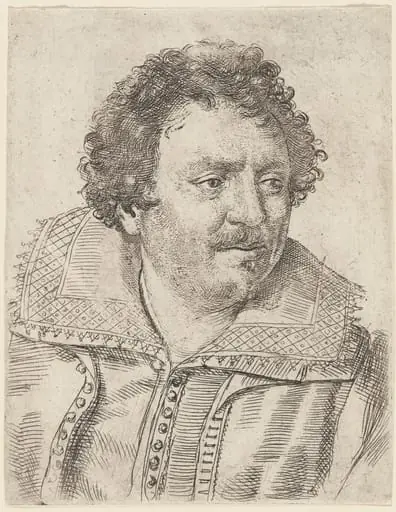 Giacomo Antonio Mannini