Artwork
Self-portrait
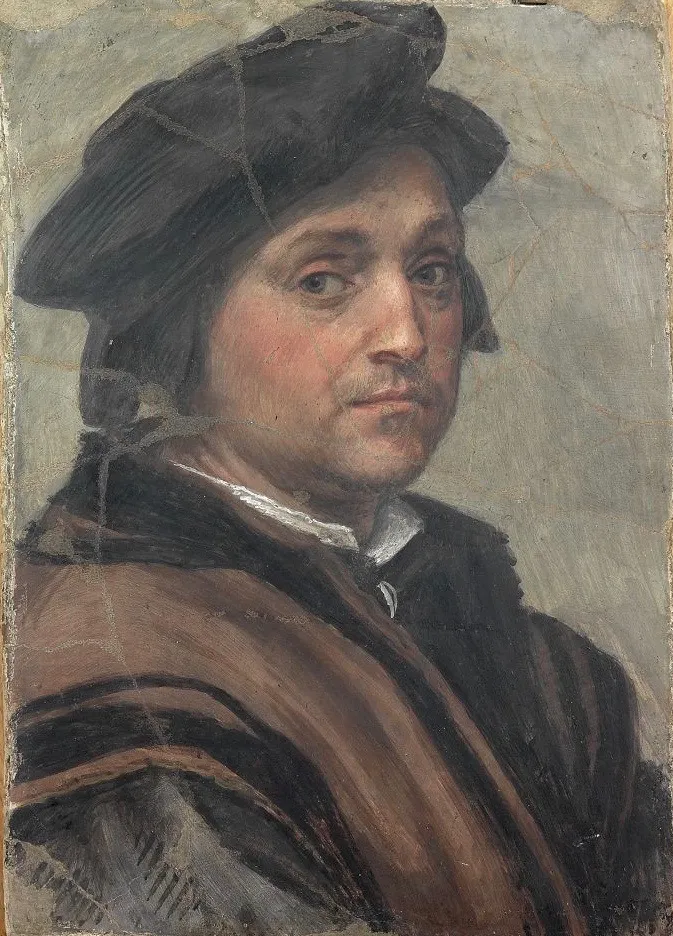
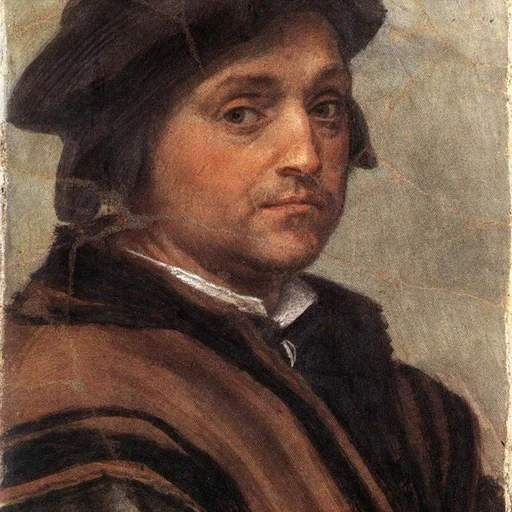
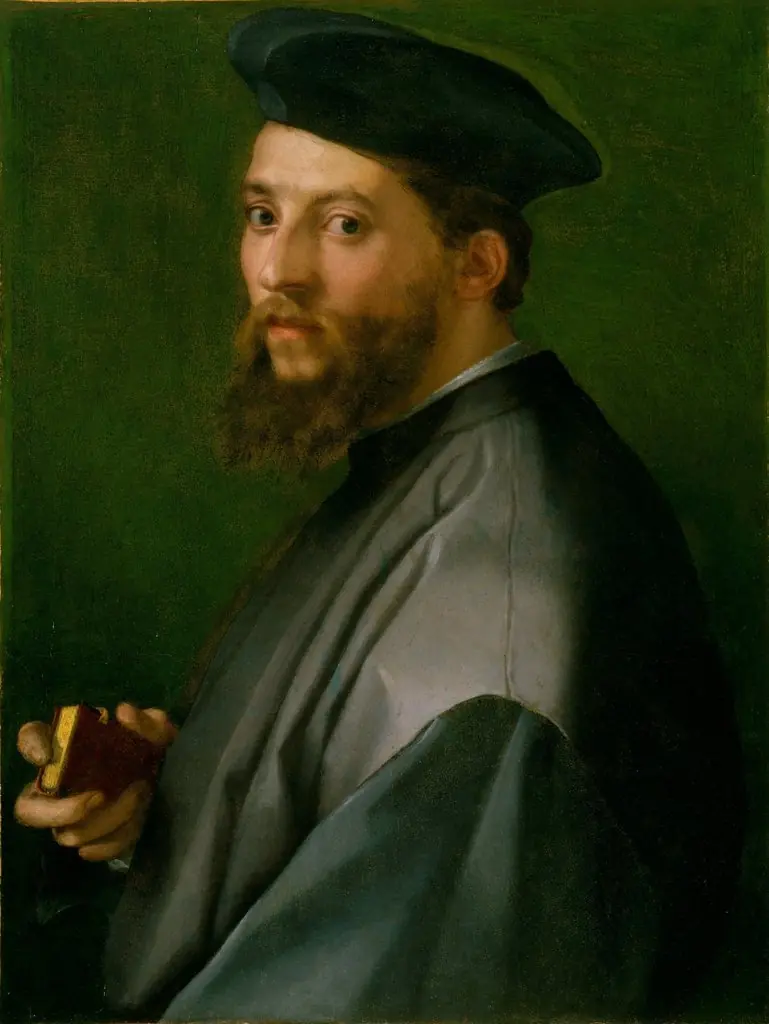
Self-portrait is a fresco painting by the High Renaissance artist Andrea del Sarto. It dates from 1528 and is held in the collection of the Uffizi Gallery.
About this work
Overview
Created in 1528, this self-portrait by Andrea del Sarto presents the artist in a three‑quarter view against a muted gray backdrop. The work is executed in oil on panel and now belongs to the Uffizi Gallery’s collection, representing a personal statement from one of the High Renaissance’s leading painters.
Subject & Meaning
The portrait shows del Sarto himself, dressed in a dark hat, a brown robe with black stripes, and a white collar. His gaze meets the viewer directly, his expression neutral, suggesting a measured self‑presentation that balances confidence with modesty, typical of Renaissance artists asserting their professional identity.
Technique & Style
Rendered with meticulous attention to facial detail, the painting employs chiaroscuro to model the features and give depth to the drapery. The subtle gradations of light across the skin and fabric create a realistic three‑dimensional effect, while the restrained palette underscores the work’s sober tone.
History & Provenance
The portrait entered the Uffizi’s holdings during the 18th century, after passing through private Florentine collections. Its attribution to del Sarto has been confirmed by stylistic analysis and archival records, linking the work to the artist’s late career.
Context
Produced at the height of the High Renaissance, the self‑portrait reflects the period’s emphasis on individual achievement and the growing status of artists as intellectuals. Del Sarto’s choice to depict himself in modest attire aligns with contemporary conventions of humility despite his reputation as a master of composition.
Artist & collection
Artist
Andrea del Sarto was an Italian painter from Florence, whose career flourished during the High Renaissance and early Mannerism.

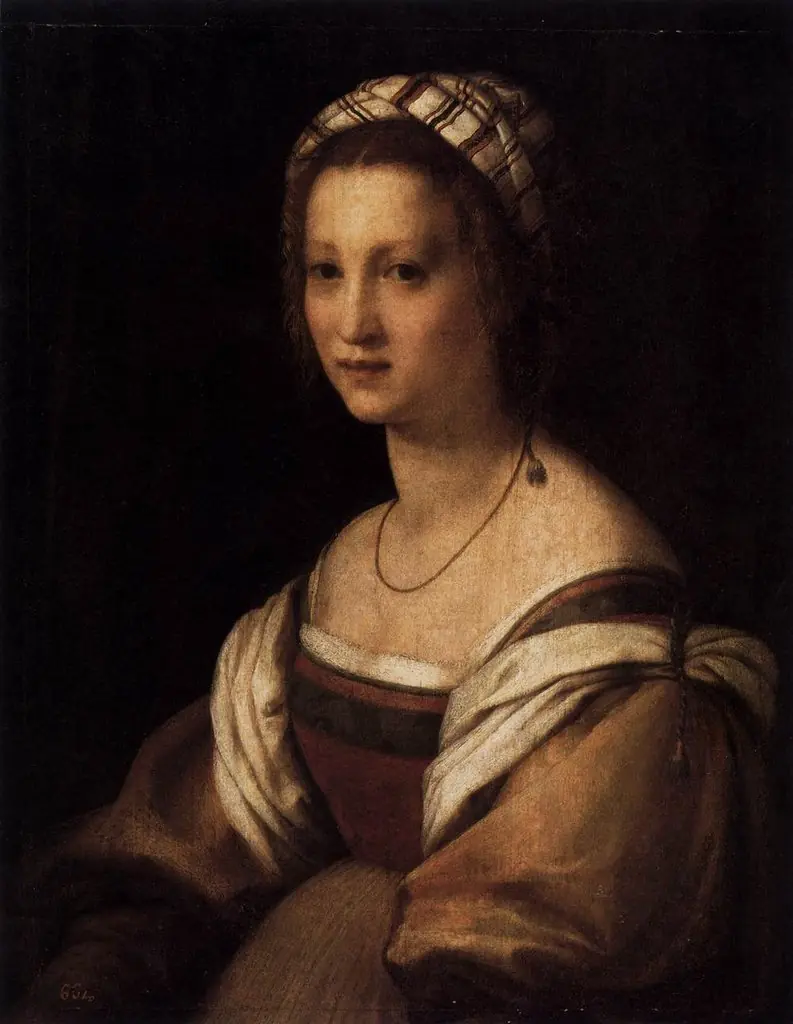
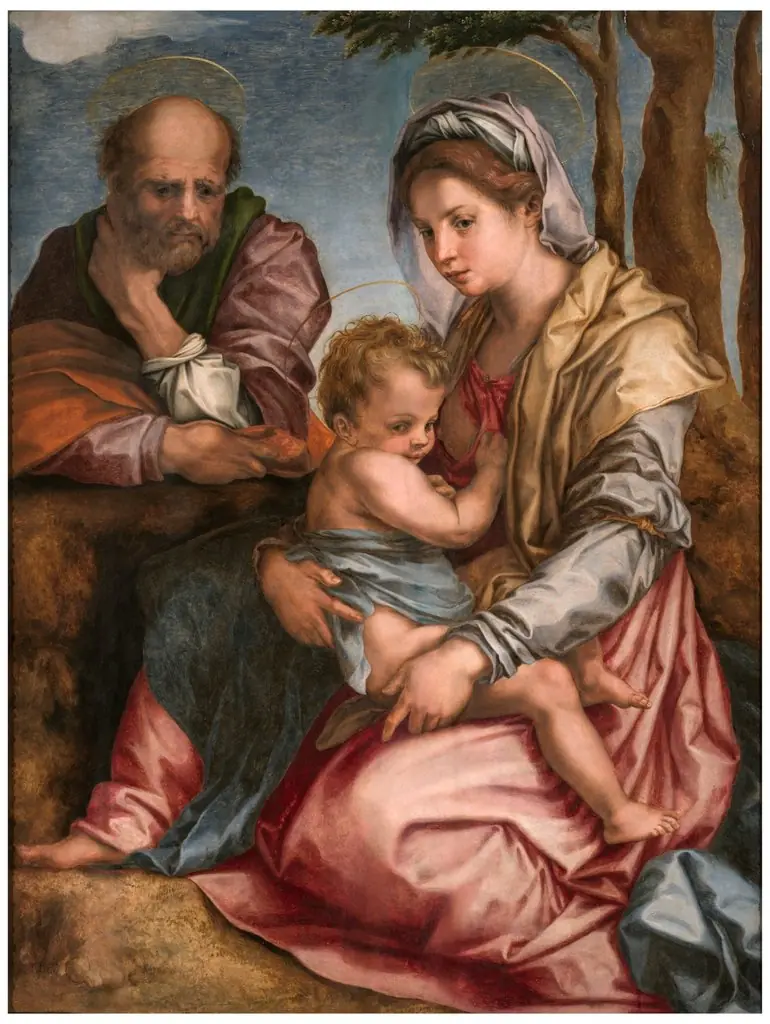
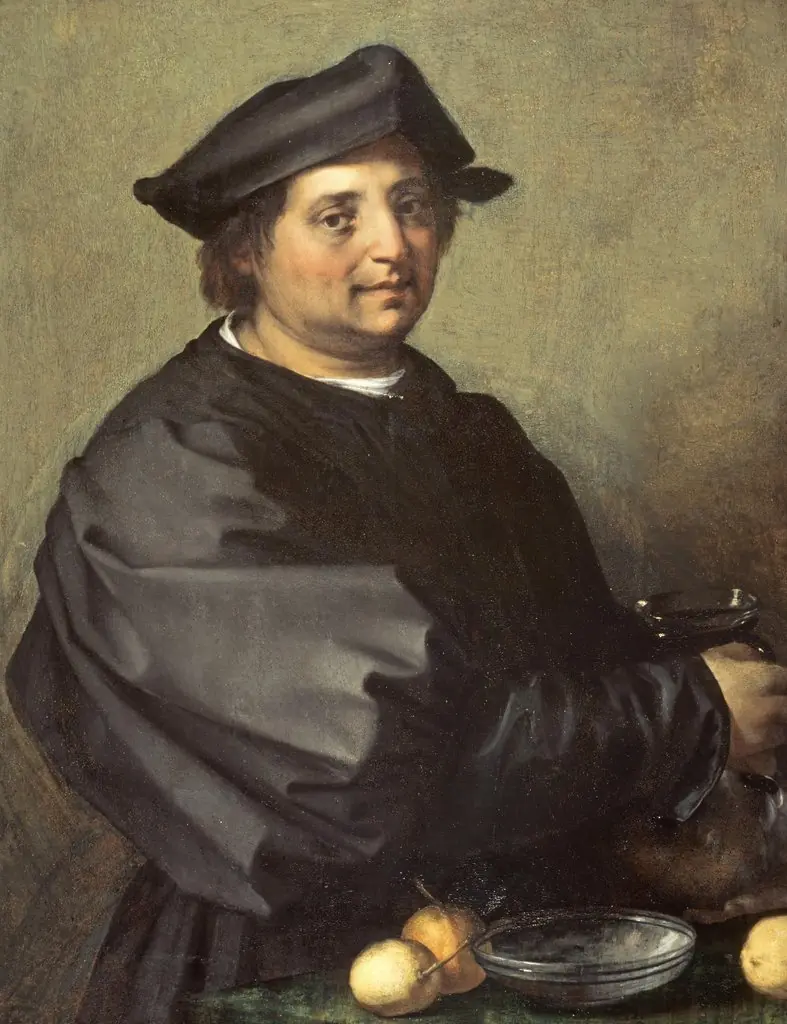 Domenico di Jacopo di Matteo, called 'Becuccio Bicchieraio'
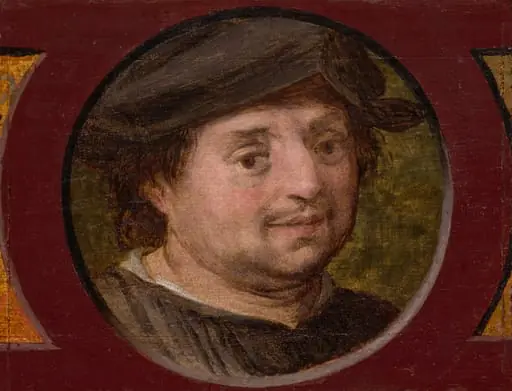 Domenico da Gambassi
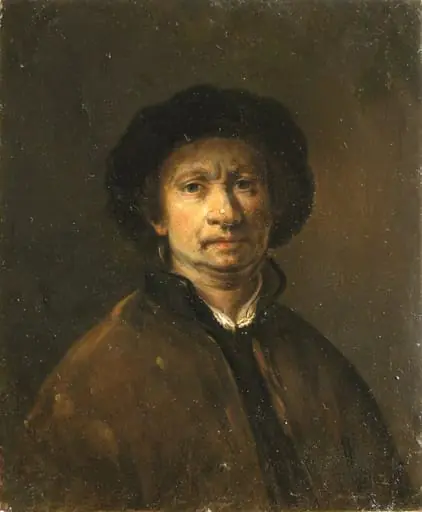 Autoportret
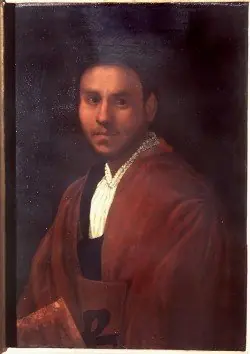 autoportrait of Giovanni Antonio Lappoli
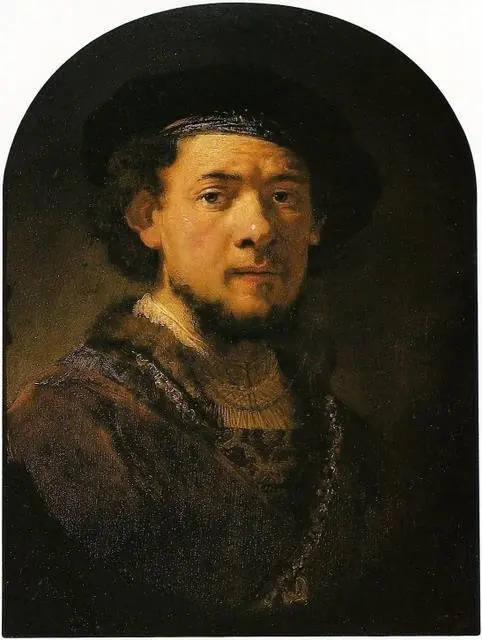 Portrait of a Young Man with a Golden Chain
 Portrait of a Young Man
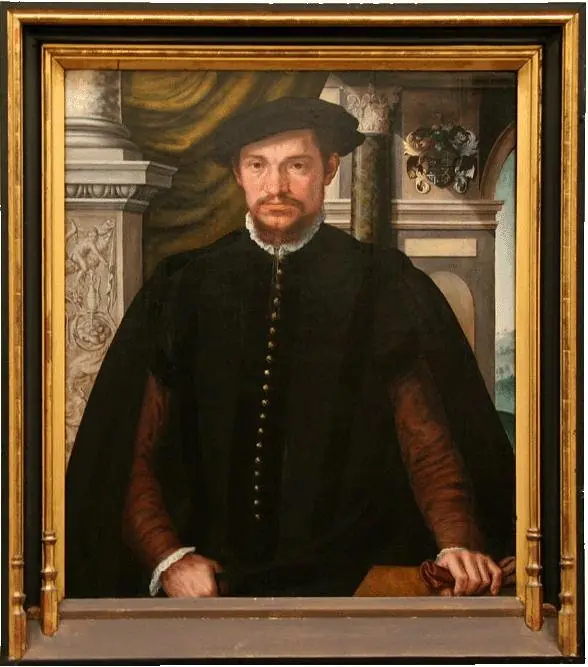 Portrait of Guillaume de Norman (de Jonge) (?)
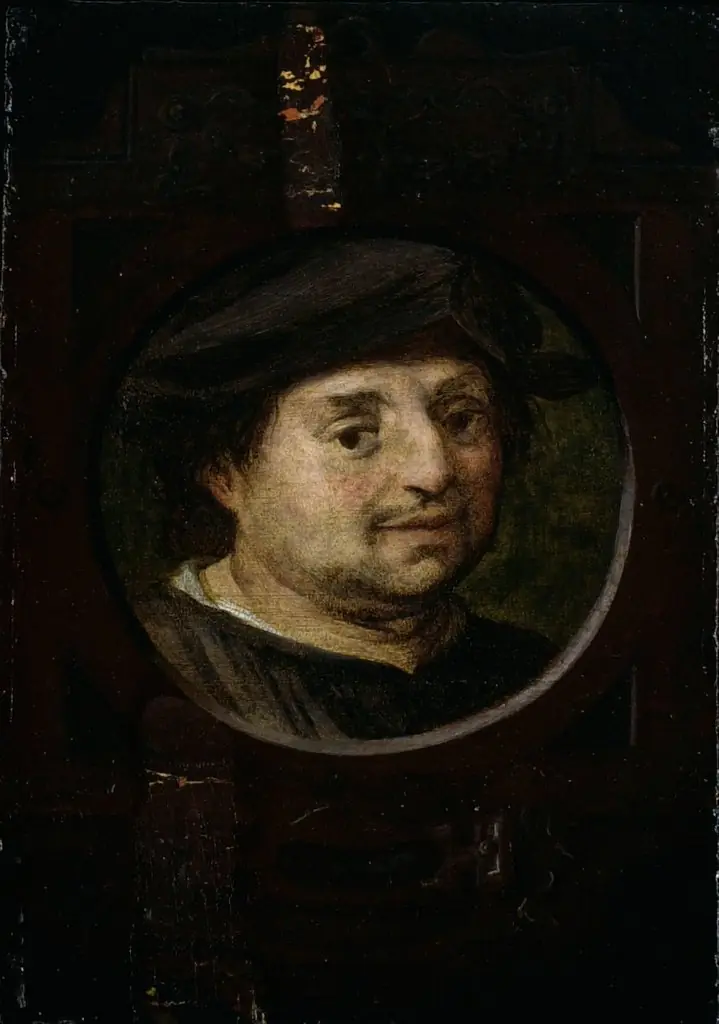 Domenico da Gambassi
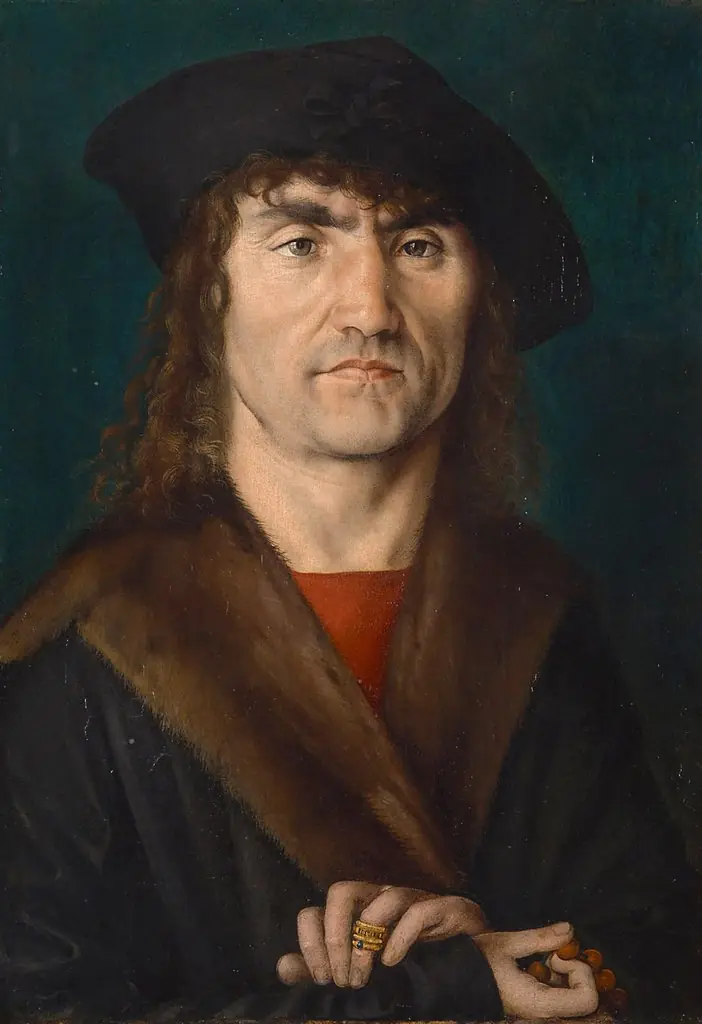 Bildnis eines Mannes mit Rosenkranz
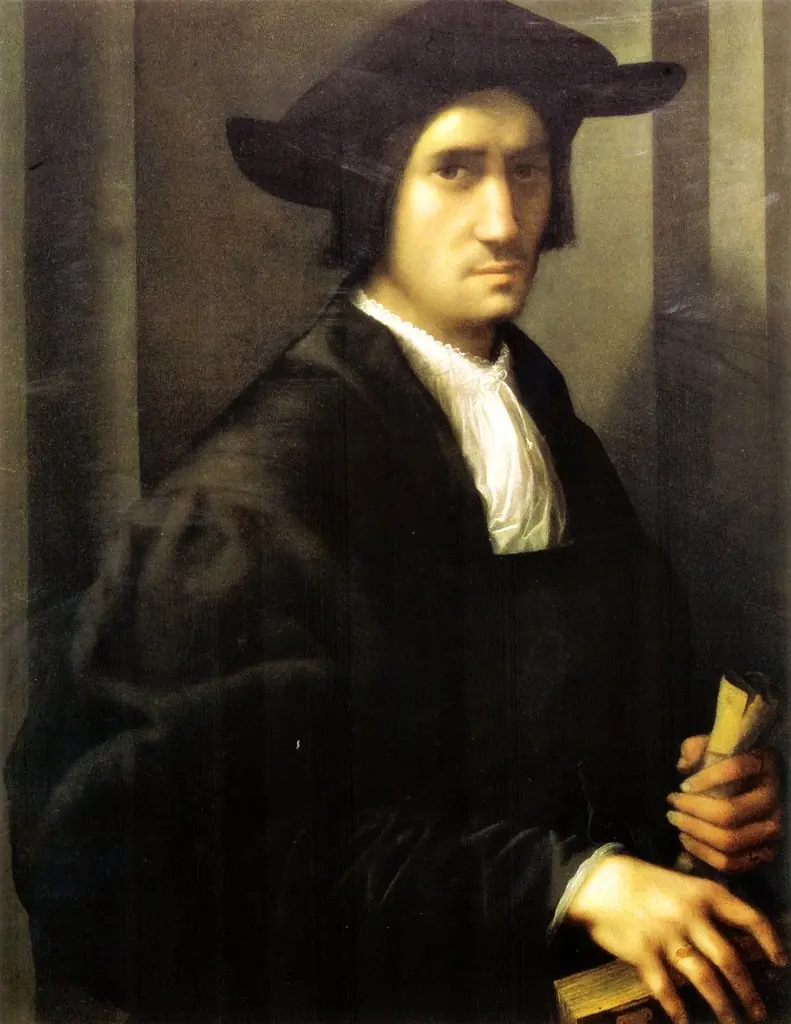 Portrait of a Young Man in Black
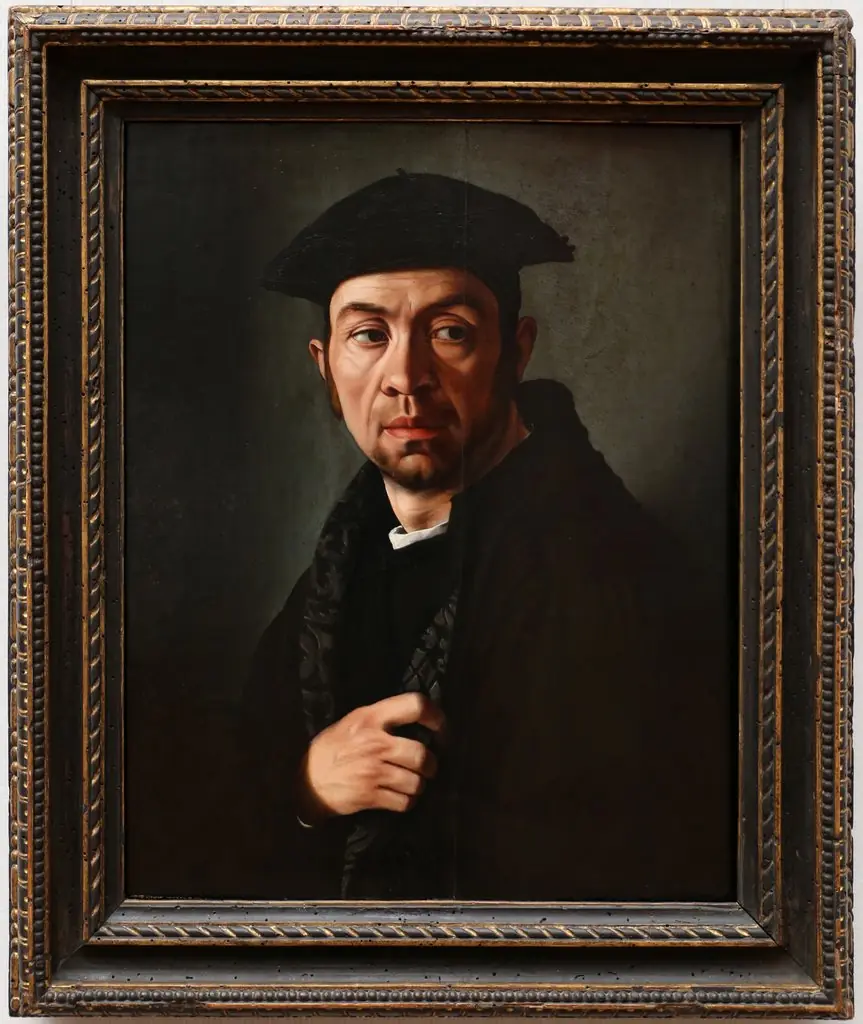 Portrait of a Man
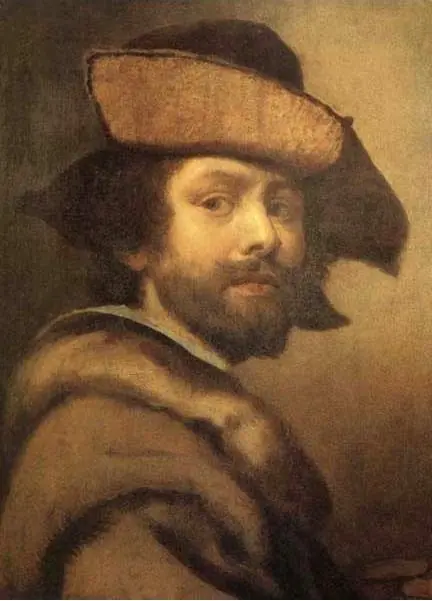 Self-portrait