Artwork
Giacomo Antonio Mannini
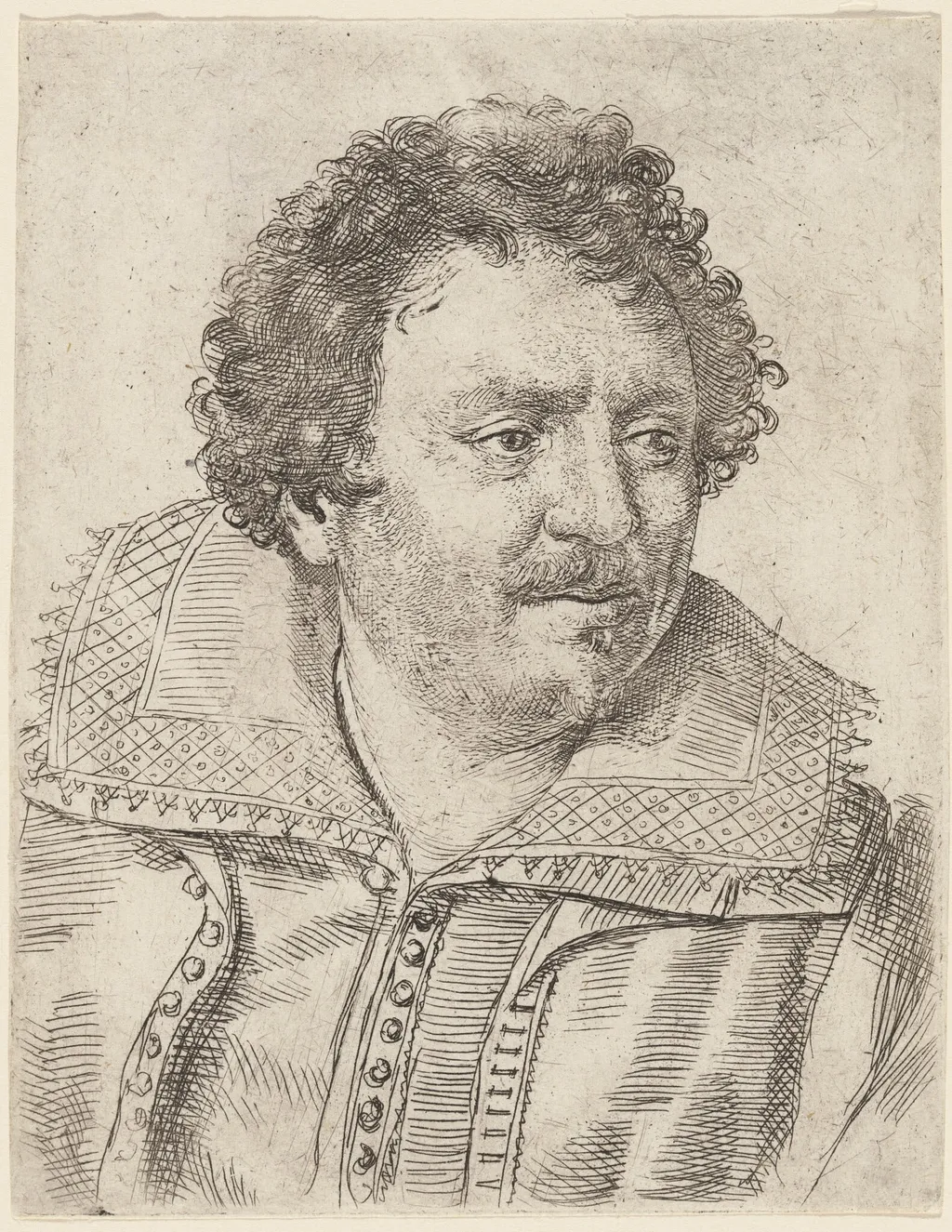
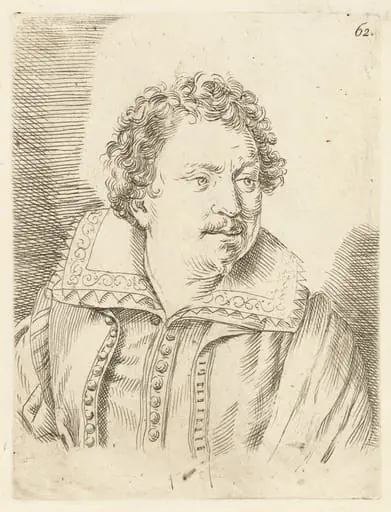
Giacomo Antonio Mannini is an ink print by the Renaissance artist Ottavio Leoni. It dates from 1604 and is held in the collection of the National Gallery of Art.
About this work
Overview
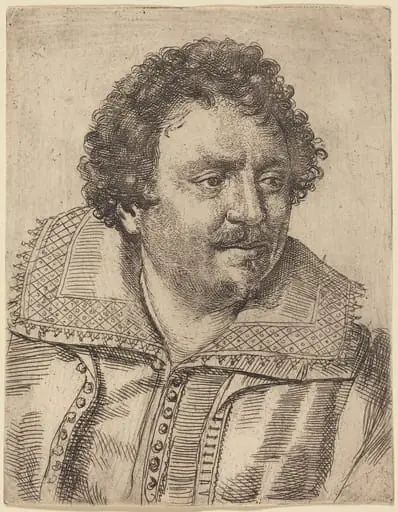
This 1604 etching by Ottavio Leoni depicts Giacomo Antonio Mannini, a subject rendered with meticulous attention to physiognomic detail. Part of the early Baroque period in Rome, the work exemplifies the artist’s shift toward printmaking as a medium for portraiture, offering a precise yet expressive likeness through incised lines rather than painted strokes.
Subject & Meaning
The portrait presents a man with a composed demeanor, his neatly trimmed beard and curly hair suggesting a figure of refinement. The high-collared shirt with lace detailing reinforces a sense of formality, likely indicative of the subject’s social standing. Such portraits served not only as personal records but also as vehicles for asserting identity within elite circles of the time.
Technique & Style
By incising lines into a metal plate, he created grooves that held ink, producing fine, textured marks reminiscent of drawing.
Leoni employed etching to achieve a delicate balance between precision and spontaneity. By incising lines into a metal plate, he created grooves that held ink, producing fine, textured marks reminiscent of drawing. The technique allowed for controlled detail while retaining an immediacy that distinguishes the work from more polished engravings, aligning it with Renaissance traditions of portraiture.
History & Provenance
Created in Rome during the early 17th century, this print reflects the city’s vibrant artistic milieu, where printmaking gained prominence alongside painting. While its early ownership remains undocumented, the work’s survival underscores its role in disseminating likenesses of notable individuals, a practice increasingly valued during the period.
Context
Etchings like this emerged as an efficient means of reproducing portraits, catering to a growing demand for affordable yet refined imagery. Leoni’s engagement with the medium coincided with Rome’s status as a center of artistic innovation, where printmakers expanded the possibilities of visual representation beyond painted canvases.
Legacy
The portrait contributes to the broader narrative of early Baroque printmaking, illustrating how etching bridged the gap between drawing and reproduction. Its technical and stylistic qualities influenced later portraitists, reinforcing the medium’s capacity to convey both likeness and character with economy and elegance.
Artist & collection
Artist
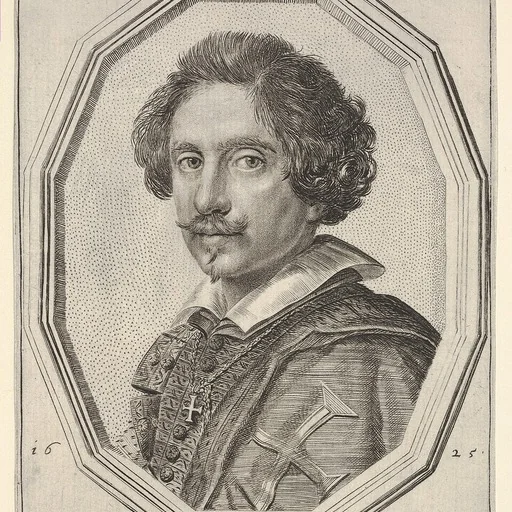
Ottavio Leoni (1578 – 4 September 1630) was an Italian painter and printmaker of the early-Baroque, active mainly in Rome.

 A Man with a Moustache and Goatee, Facing Right
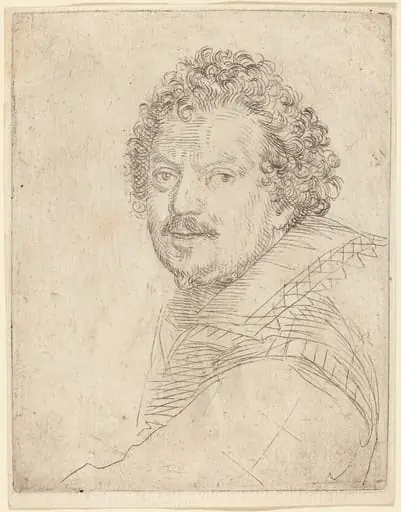 A Man with a Moustache and Goatee, Facing Forward
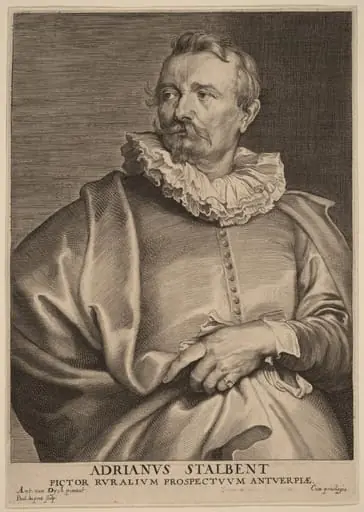 Adriaen van Stalbemt
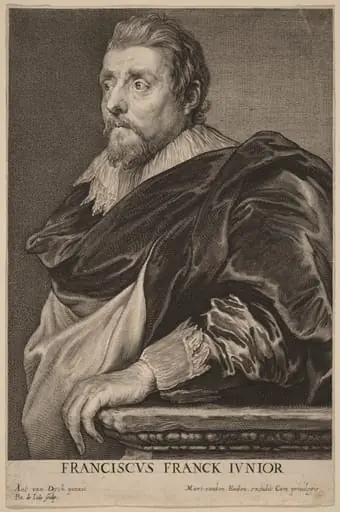 Frans Francken II
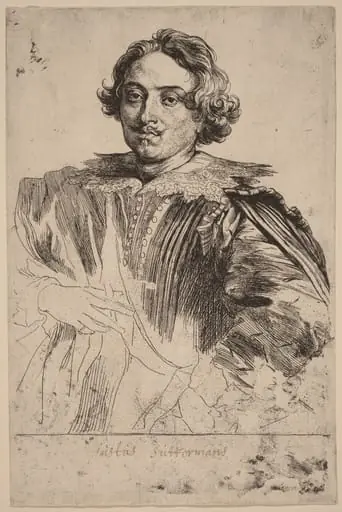 Justus Suttermans
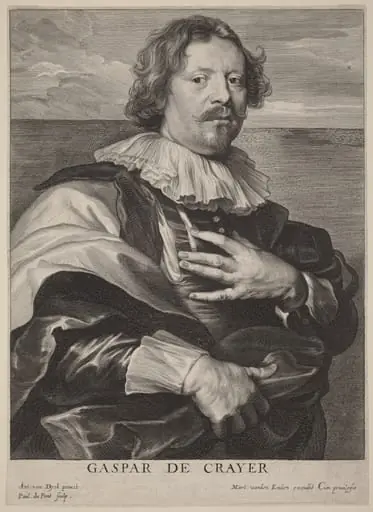 Gaspar de Crayer
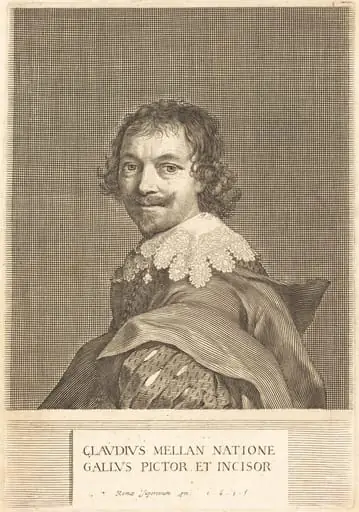 Self-Portrait
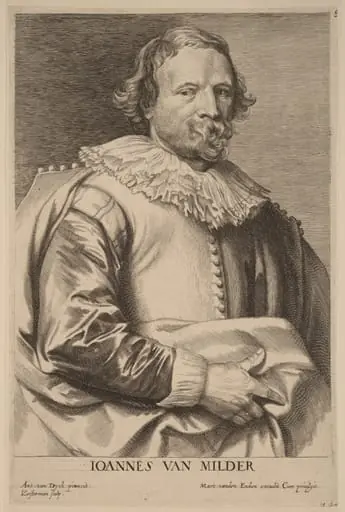 Jan van Mildert
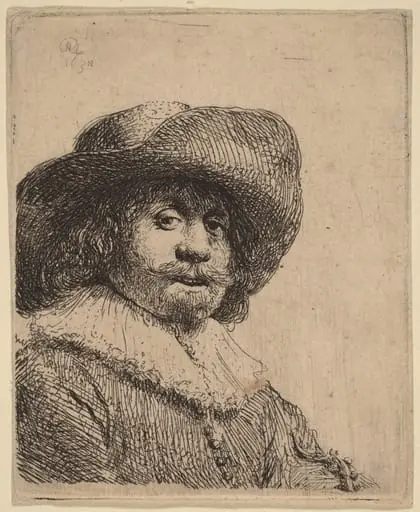 Man in a Broad-Brimmed Hat
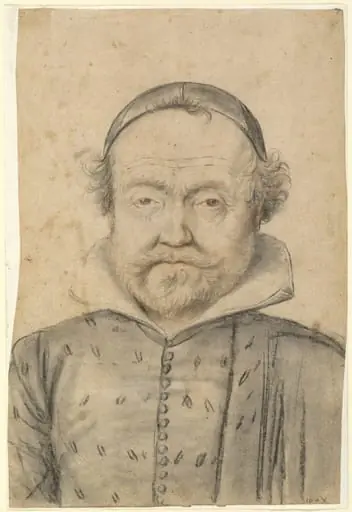 Portrait of a Bearded Man in a Doublet and Skull Cap
 Simon de Vos
 Giacomo Antonio Mannini