Artwork
The Sacrifice of Isaac
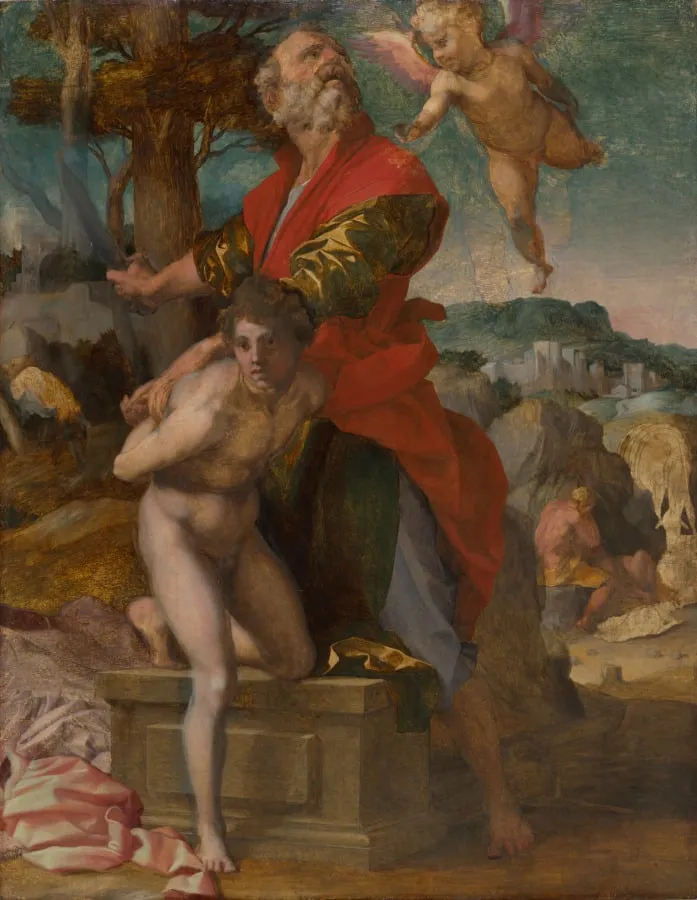
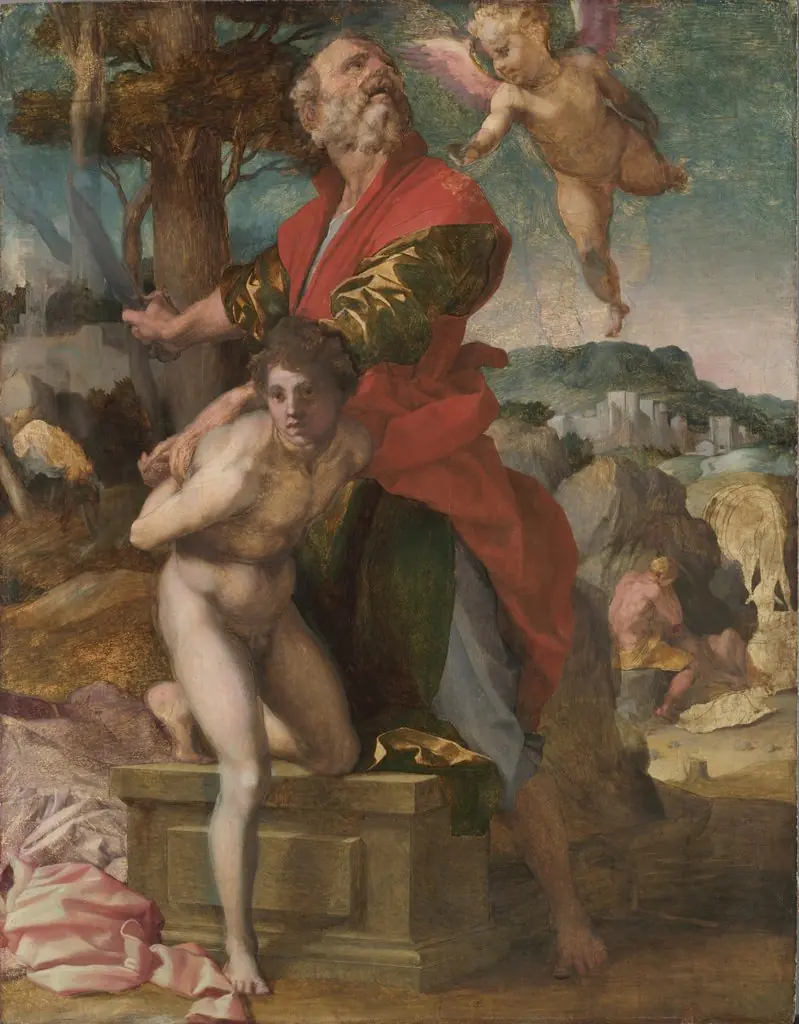
The Sacrifice of Isaac is an unspecified painting by the High Renaissance artist Andrea del Sarto. It dates from 1527 and is held in the collection of the Cleveland Museum of Art. The painting depicts the biblical episode in Genesis where Abraham, obeying a divine command, lifts a knife to sacrifice his son Isaac.
About this work
The tension in their bodies feels real, like ancient statues come to life.
You see Abraham gripping a knife above his bound son, Isaac. His face twists between sorrow and faith. An angel’s hand stops the blade mid-air.
Andrea del Sarto shows every emotion in one moment. The tension in their bodies feels real, like ancient statues come to life.
The angel’s sudden appearance makes this dramatic. It’s unfinished, so you see the artist’s pencil lines under the paint.
Check out Andrea del Sarto (Italian, 1486–1530) for more.
Overview
The painting depicts the biblical episode in Genesis where Abraham, obeying a divine command, lifts a knife to sacrifice his son Isaac. At the decisive moment an angel intervenes, halting the act. The composition captures the intense emotional exchange between father and son, while the angel’s sudden presence adds a dramatic interruption to the scene.
Subject & Meaning
The work explores themes of faith, obedience, and divine mercy. Abraham’s expression blends sorrow with resolute devotion, whereas Isaac’s bound figure conveys vulnerability and trust. The angel’s gesture of restraint symbolizes the ultimate rejection of human sacrifice, emphasizing the moral lesson that true devotion does not require bloodshed.
Technique & Style
Andrea del Sarto transferred a preparatory drawing onto the panel, reinforcing the chalk outline with painted lines—a detail visible in the donkey at the right edge. He then applied thin, brushy veils of color across the surface, allowing continual re‑composition. This method is evident in the evolving forms of the angel, Isaac’s torso, and Abraham’s head, and it reveals the artist’s process through visible underdrawings.
History & Provenance
The canvas remained unfinished at the artist’s death in 1530, offering a rare glimpse into del Sarto’s working stages. The unfinished state preserves the underlying sketchwork alongside the painted layers, providing scholars with direct evidence of his technique. The painting has been attributed to del Sarto throughout its documented history and is now part of a public collection.
Artist & collection
Artist
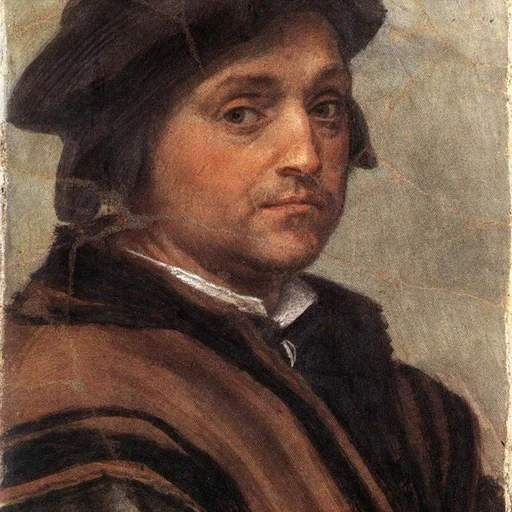
Andrea del Sarto was an Italian painter from Florence, whose career flourished during the High Renaissance and early Mannerism.