Artwork
Meeting between Esau and Jacob
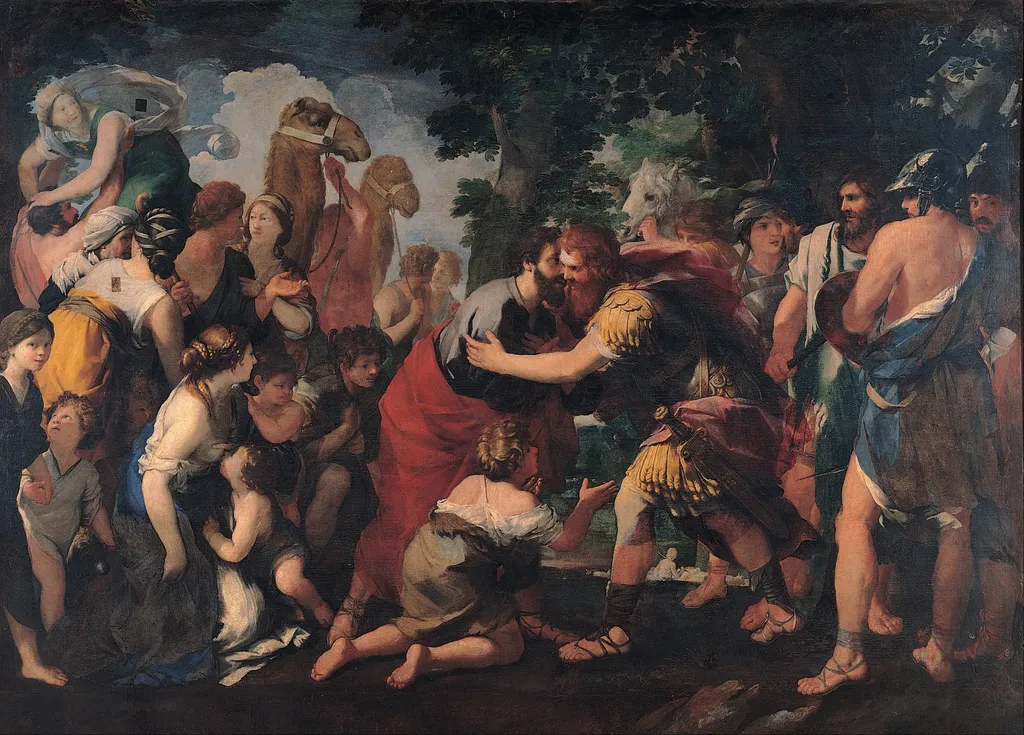
Meeting between Esau and Jacob is an oil painting by the Early Baroque Italian artist Giovanni Maria Bottala. It dates from 1638 and is held in the collection of the Capitoline Museums.
About this work
Overview
Giovanni Maria Bottala, an Italian painter active in the early 17th century, completed this oil-on-canvas work in 1638.
Giovanni Maria Bottala, an Italian painter active in the early 17th century, completed this oil-on-canvas work in 1638. Trained in Rome under Pietro da Cortona, he worked in several major Italian cities before settling in Milan. The painting was commissioned by Cardinal Giulio Sacchetti and is now part of the Capitoline Museums’ collection, reflecting the ecclesiastical patronage common in Baroque Italy.
Subject & Meaning
The scene illustrates the biblical reconciliation between Esau and Jacob, brothers whose relationship was marked by deception and rivalry. Depicted in a wooded landscape, the two men embrace amid a retinue of family and servants. The moment captures forgiveness after years of estrangement, emphasizing emotional resolution over conflict, a theme resonant with Counter-Reformation ideals of mercy and familial unity.
Technique & Style
Bottala employs chiaroscuro to model figures with strong light-dark contrasts, enhancing volume and emotional intensity. The composition is dynamically arranged, with figures grouped to guide the viewer’s eye toward the central embrace. Earth tones dominate the palette, balanced by cooler blues in the sky and garments, creating a naturalistic yet theatrical atmosphere consistent with Roman Baroque conventions.
History & Provenance
Commissioned by Cardinal Giulio Sacchetti, the painting likely originated in a private chapel or palace before entering the Capitoline collection. Bottala’s movements between Rome, Naples, and Genoa suggest the work may have been painted during one of his stays in central Italy. Its preservation in a public museum since at least the 19th century underscores its recognized significance within regional Baroque output.
Context
Created during the height of the Baroque period, the painting reflects the Catholic Church’s use of visual narrative to convey moral and theological messages. The emphasis on emotional reconciliation aligns with Counter-Reformation priorities, while the naturalistic setting and detailed figures show the influence of Roman academic training. Bottala’s work, though less known today, was part of a broader network of artists serving ecclesiastical patrons.
Legacy
Bottala’s oeuvre remains relatively understudied, with few works securely attributed. This painting stands as one of his documented commissions and offers insight into the regional dissemination of Roman Baroque styles beyond Rome. Its presence in the Capitoline Museums ensures continued scholarly access, contributing to a fuller understanding of lesser-known Baroque painters in early modern Italy.
Own this work as a print
Artist & collection
Artist
Giovanni Maria Bottala (1613–1644) was an Italian painter active in the Baroque period.

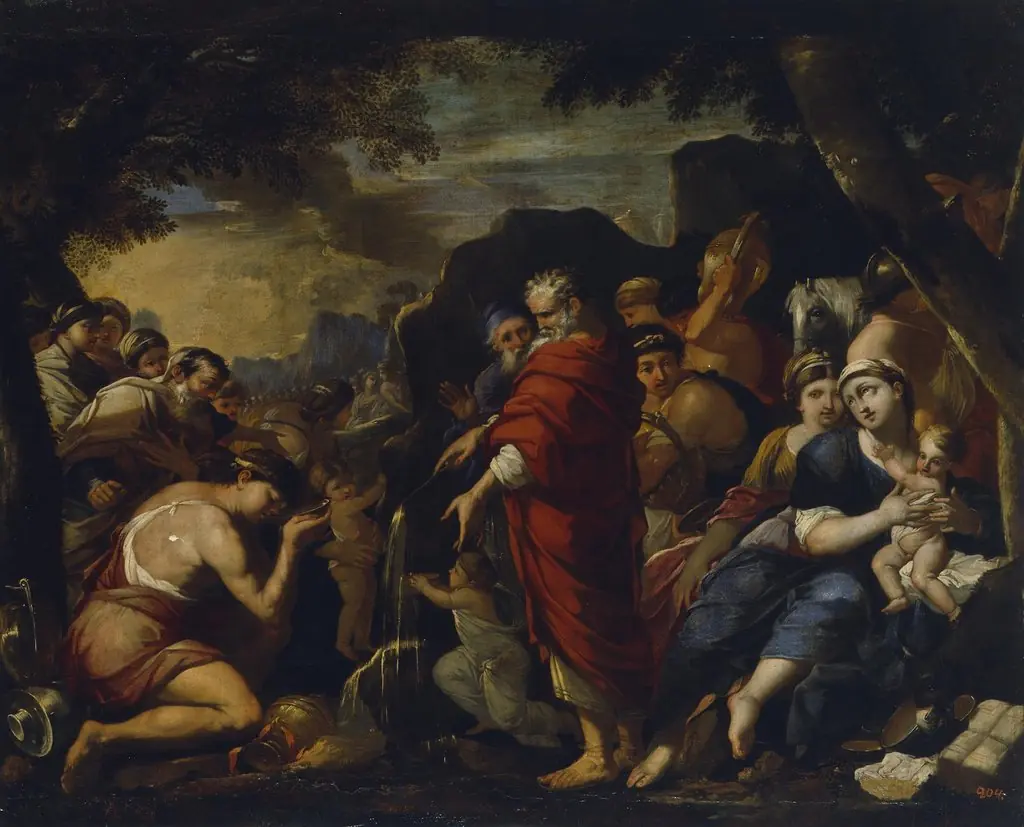
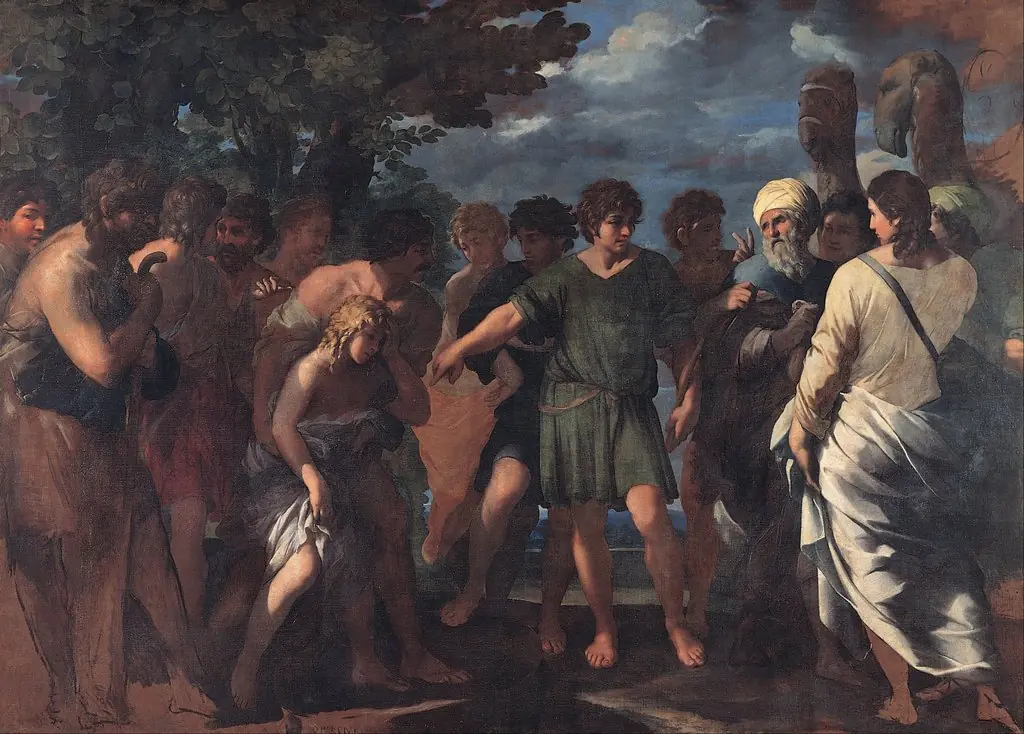
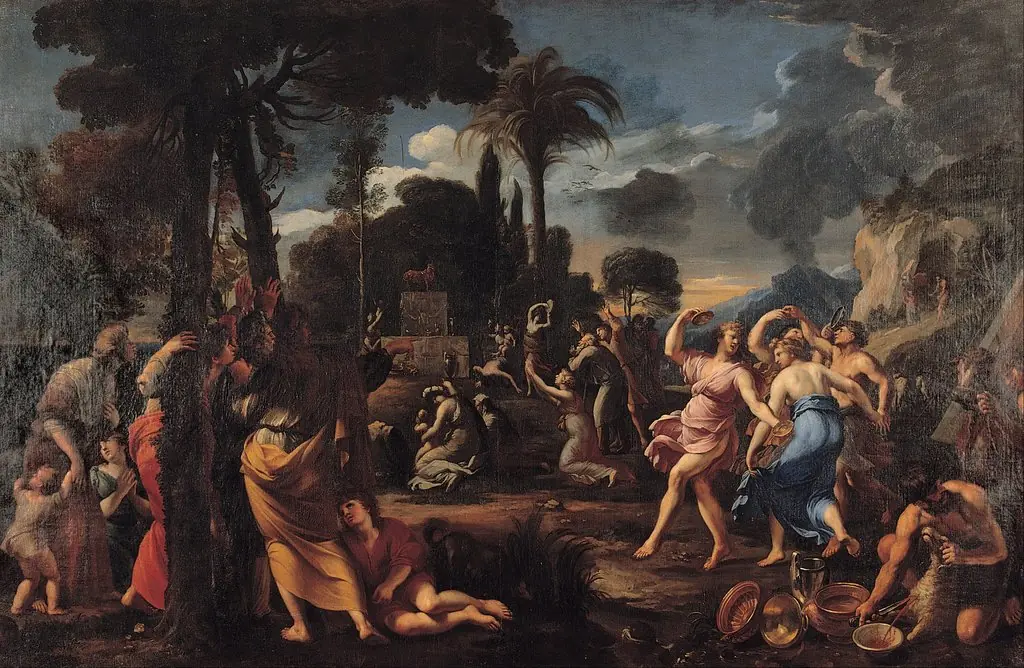 Adoration of the Golden Calf
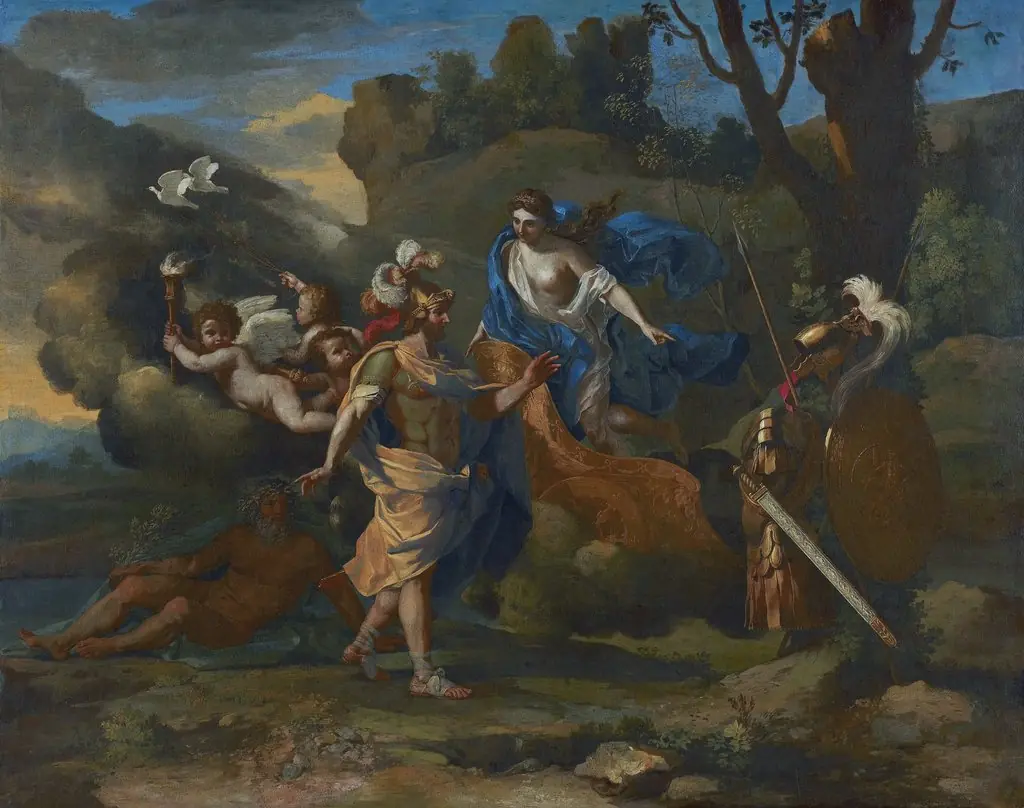 Venus, Mother of Aeneas, presenting him with Arms forged by Vulcan"
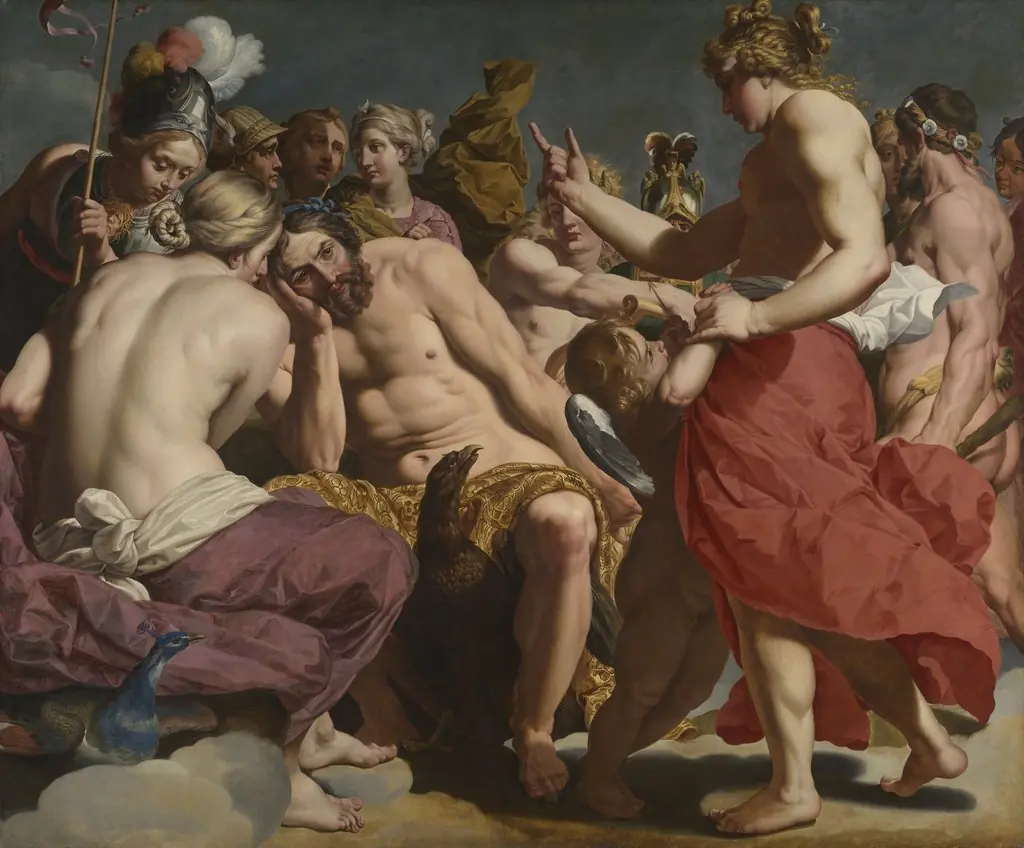 Jupiter Rebuked by Venus
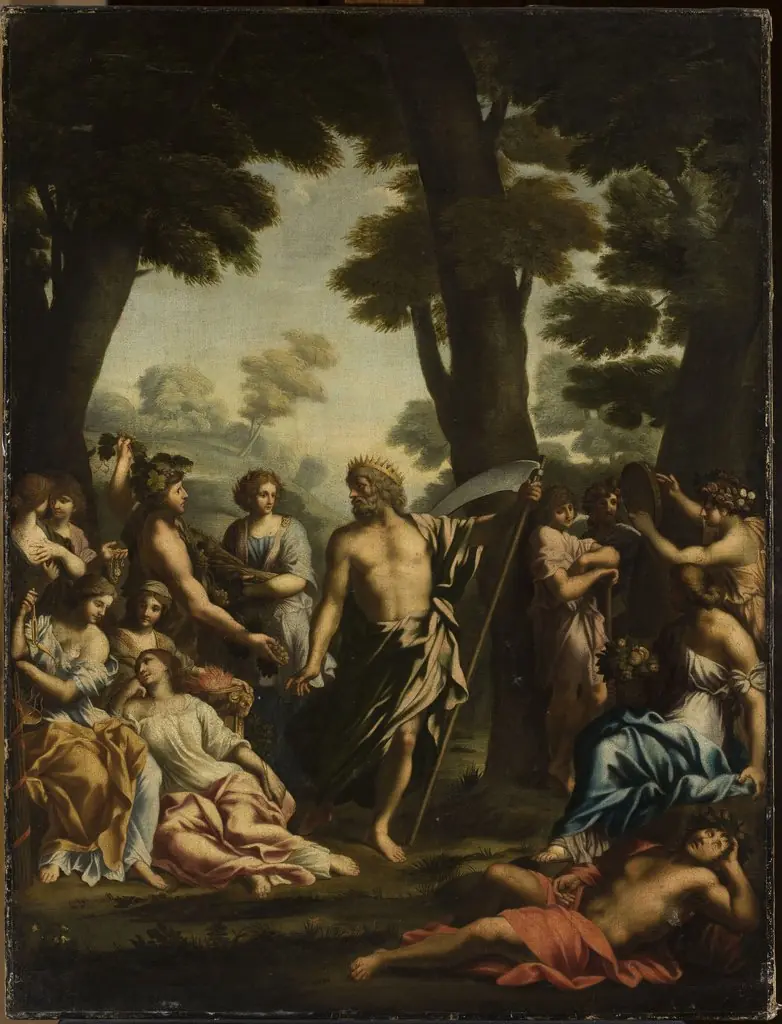 Saturn and muses
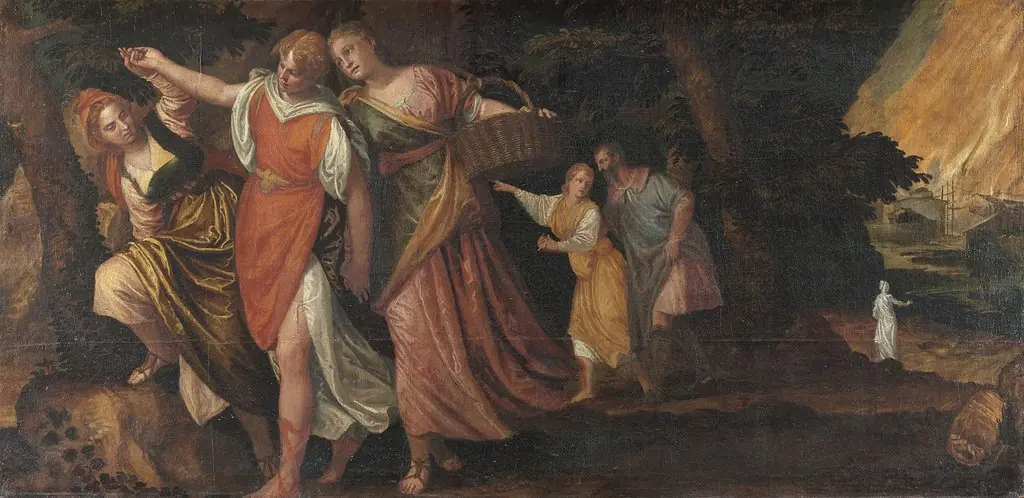 Lot flees Sodom
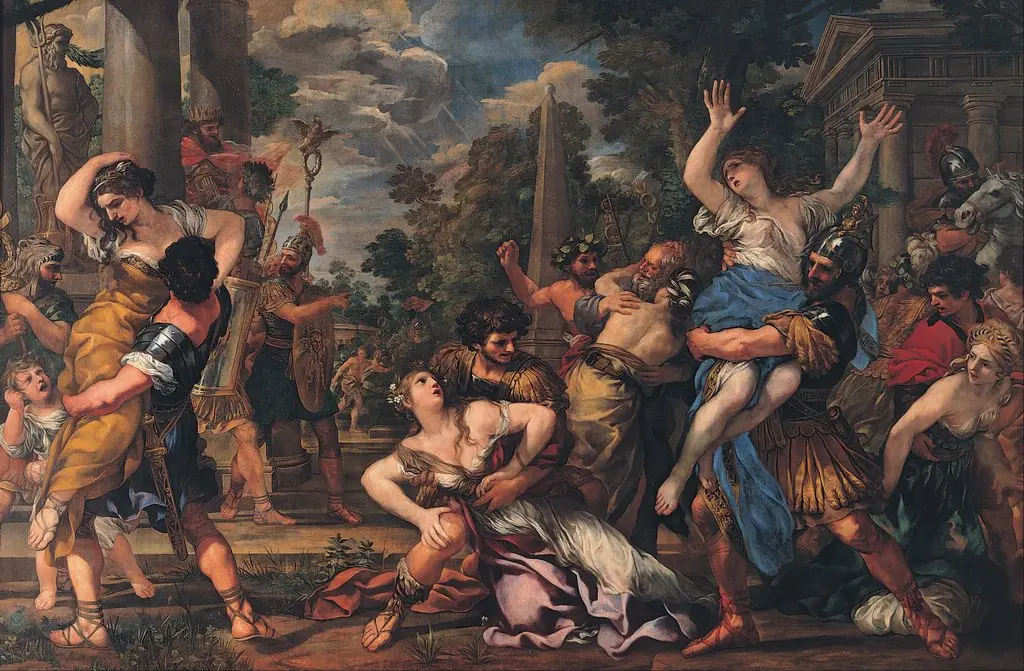 Rape of the Sabines
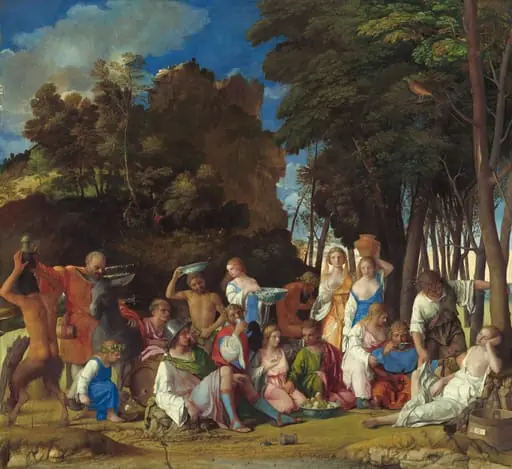 The Feast of the Gods
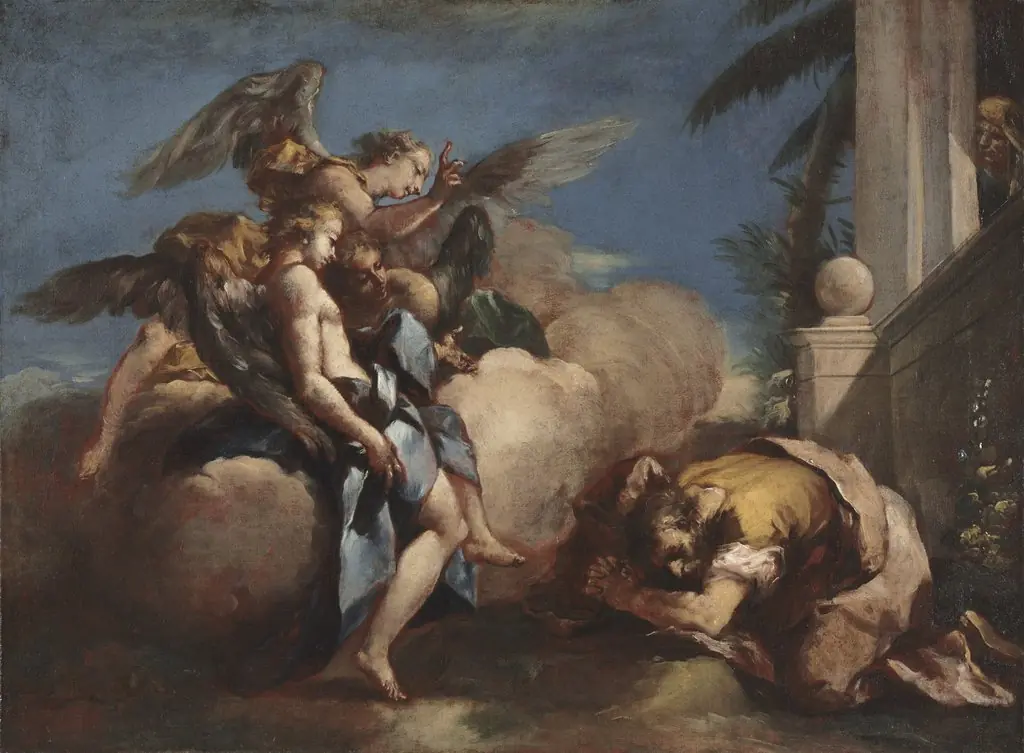 The Angels Appearing to Abraham
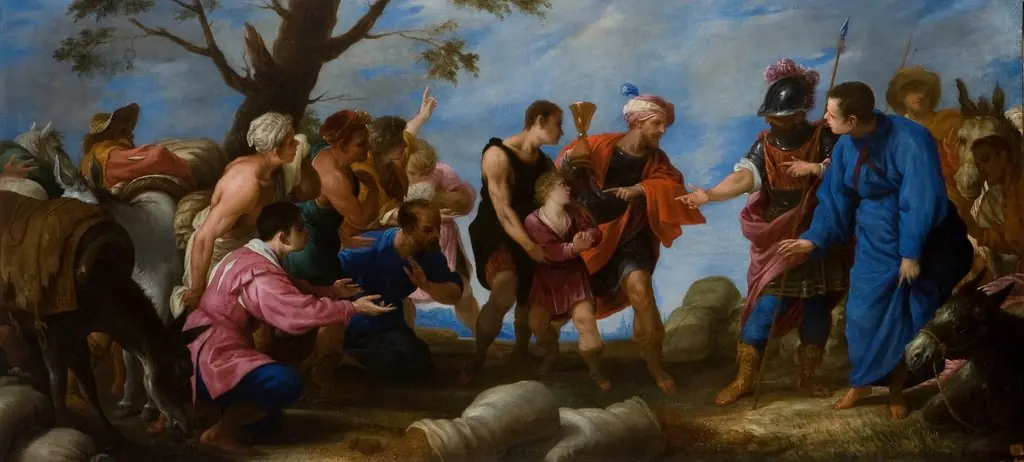 La copa en el saco de Benjamín
 Battle Between the Lapiths and Centaurs
 The Meeting of Abraham and Melchizedek