Artwork
Saint Agatha
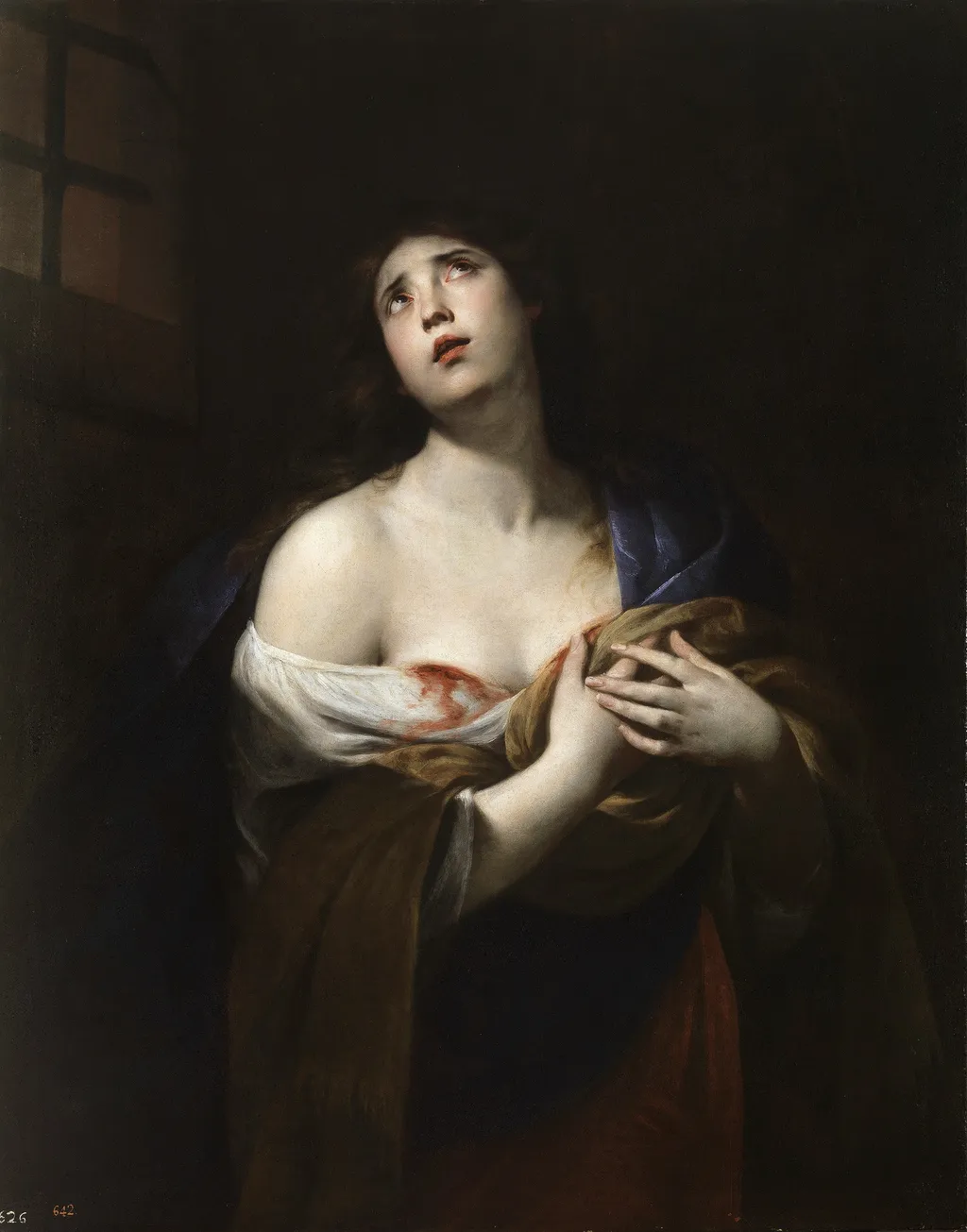
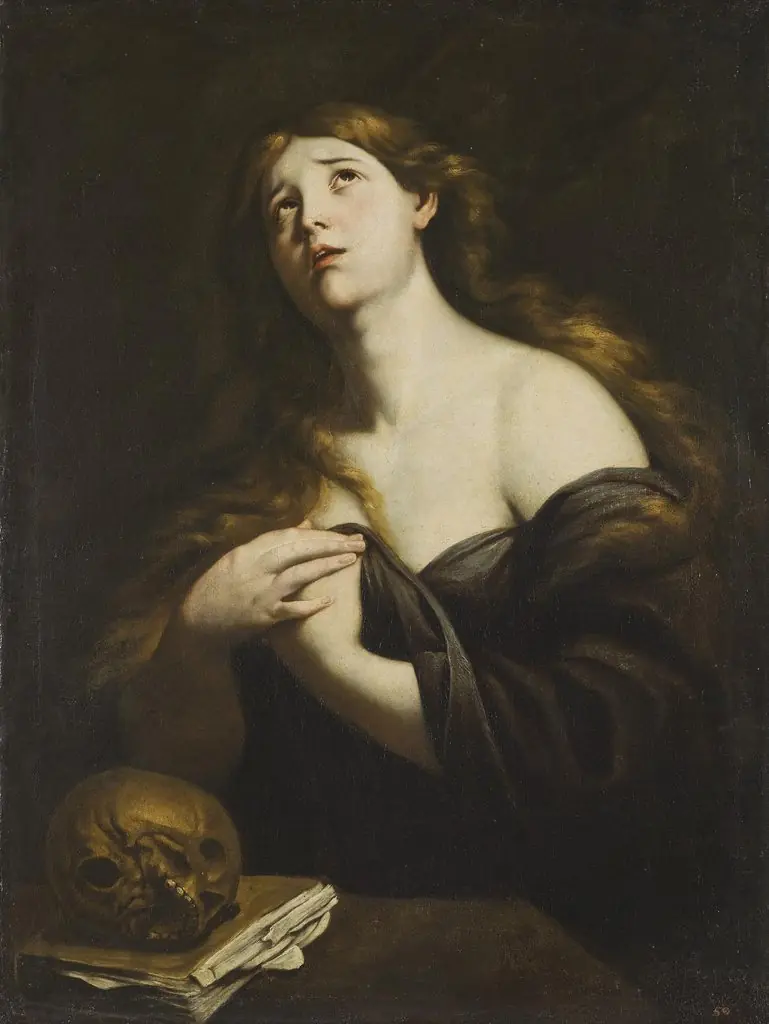
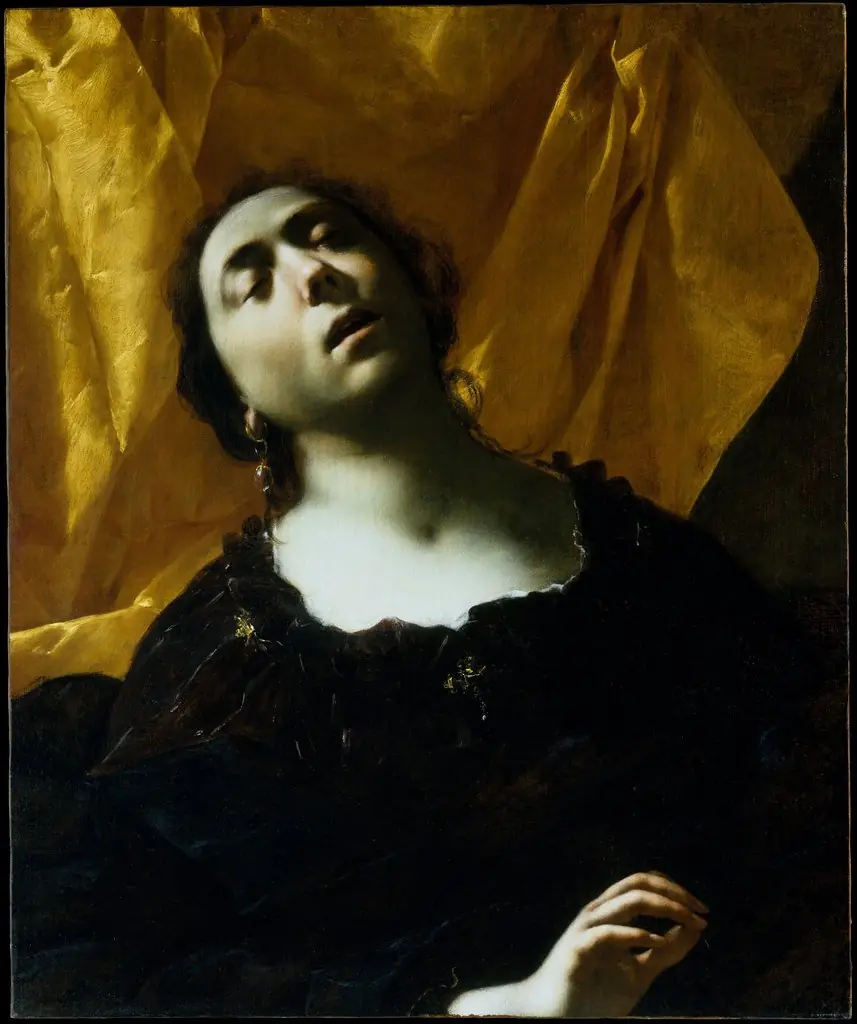
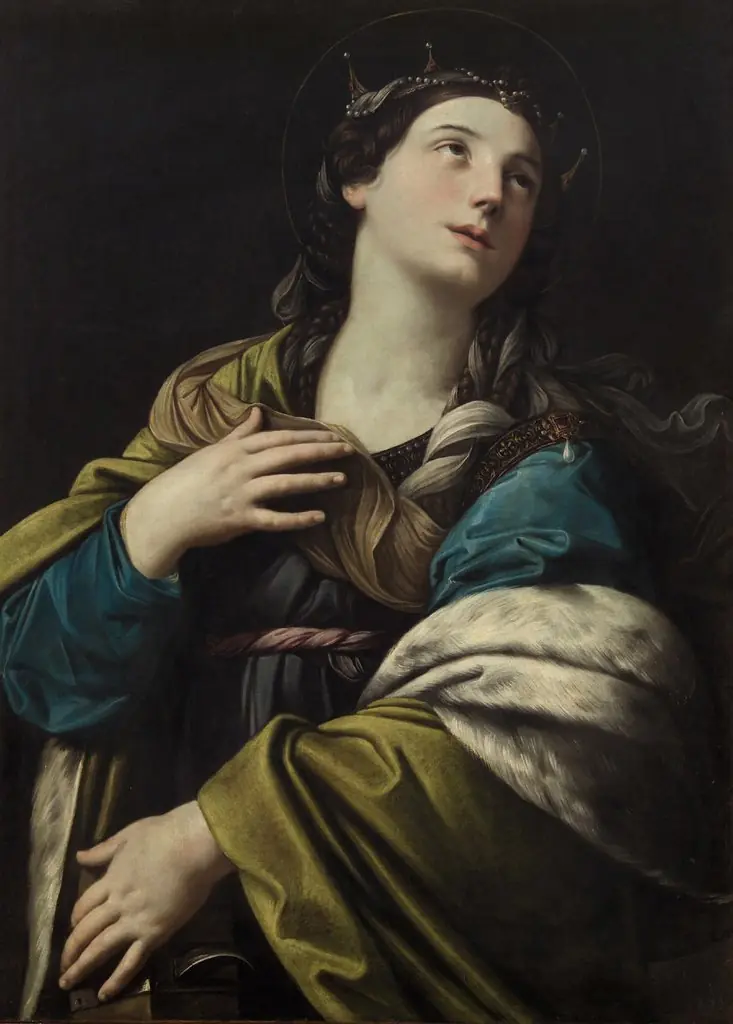
Saint Agatha is an oil painting by the Early Baroque Italian artist Andrea Vaccaro. It dates from 1635 and is held in the collection of the Museo del Prado.
About this work
Overview
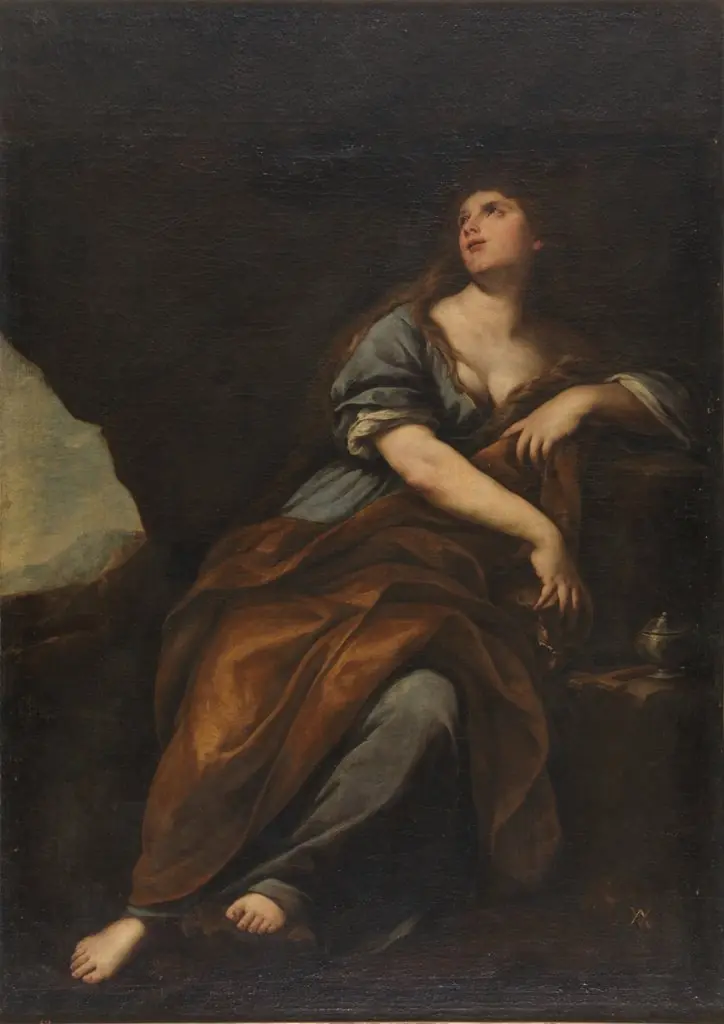
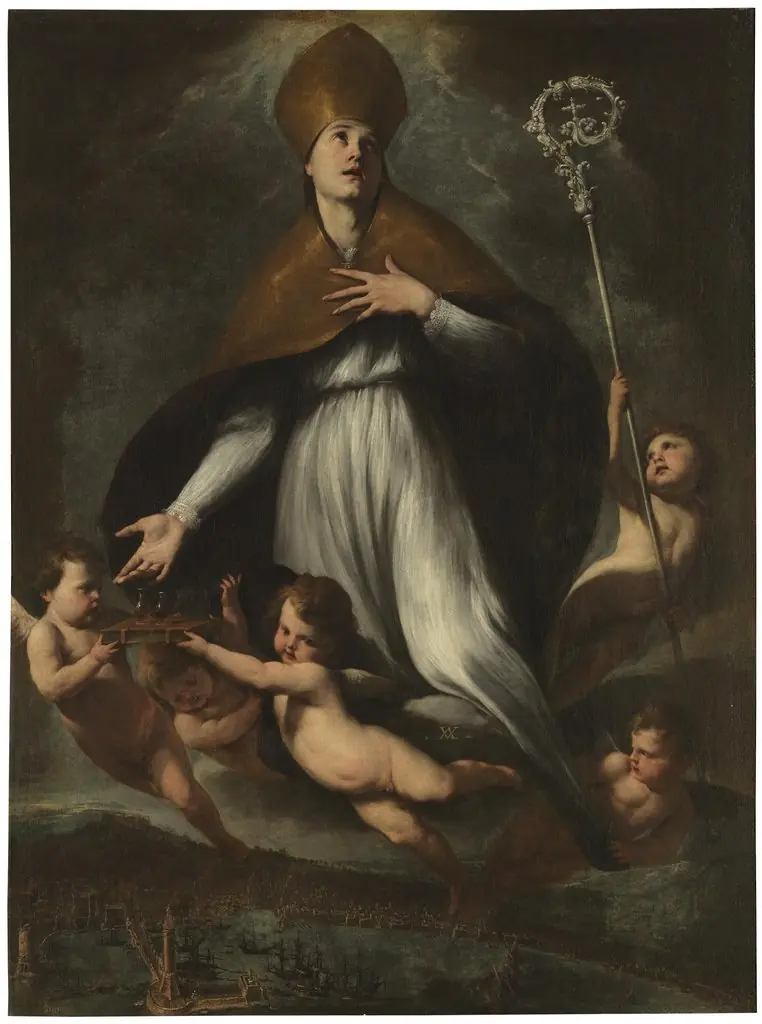
Andrea Vaccaro’s *Saint Agatha* (1635) is an oil painting that presents the Sicilian martyr in a restrained, contemplative pose. Executed in the early Baroque period, the work is part of the Prado Museum’s collection and exemplifies the Neapolitan artist’s engagement with religious subjects for both local and Spanish patrons.
Subject & Meaning
The figure is identified as Saint Agatha, a third‑century martyr from Sicily. She is shown with long dark hair, a white drape across her torso, and a dark blue mantle covering her left shoulder. A subtle red mark on her chest alludes to the saint’s legendary torture, while her upward gaze suggests a spiritual focus.
Technique & Style
Vaccaro employs strong chiaroscuro, casting the saint against a deep, shadowed background that isolates her form. The lighting highlights the texture of the fabrics and the flesh, creating a naturalistic rendering typical of Caravaggist influence. The composition balances dramatic contrast with a calm, introspective mood.
History & Provenance
Created in Naples while the city was under Spanish rule, the painting reflects the artist’s prolific output for ecclesiastical and Spanish commissions. It entered the Museo del Prado’s holdings in the 20th century, where it remains on display as part of the museum’s Baroque collection.
Context
Vaccaro worked in a period when Neapolitan art was heavily shaped by Caravaggio’s tenebrism and by the Counter‑Reformation’s demand for emotionally resonant religious imagery. *Saint Agatha* illustrates how these trends merged with local devotional practices, presenting a saint’s suffering in a dignified, accessible manner.
Own this work as a print
Artist & collection
Artist
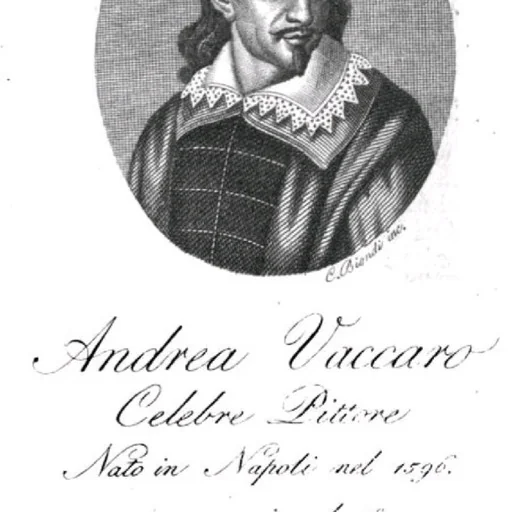
Andrea Vaccaro (baptised on 8 May 1604 – 18 January 1670) was an Italian painter of the Baroque period.