Artwork
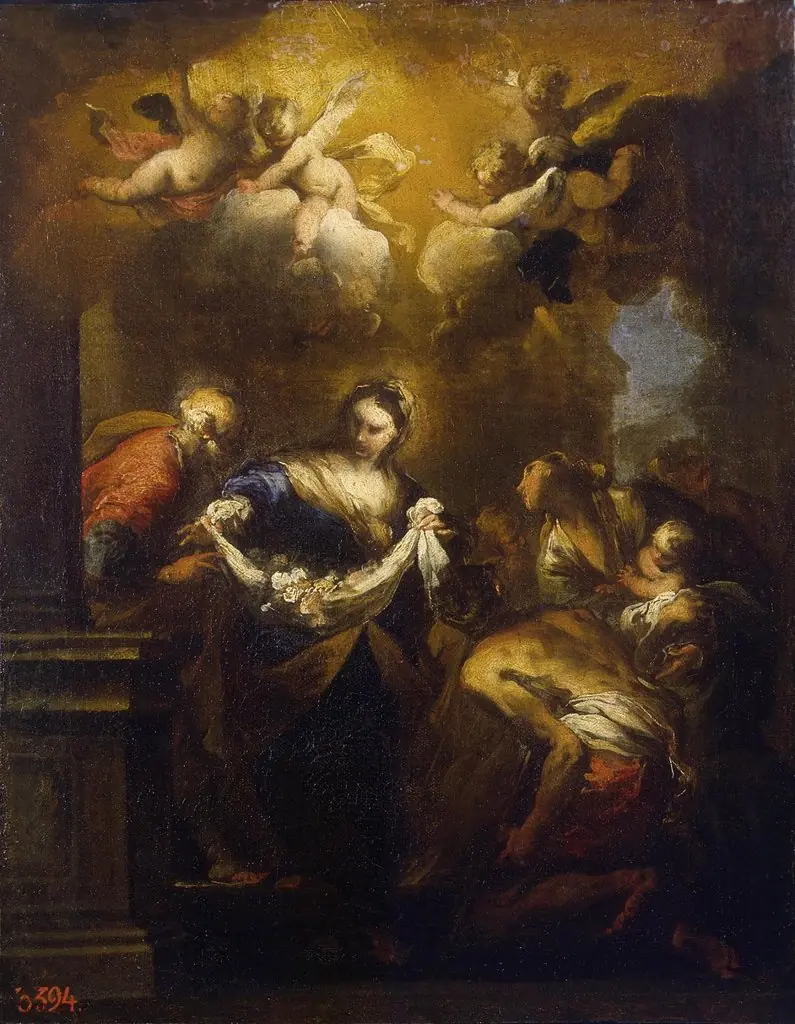
St Cajetan offered to the Virgin by his mother
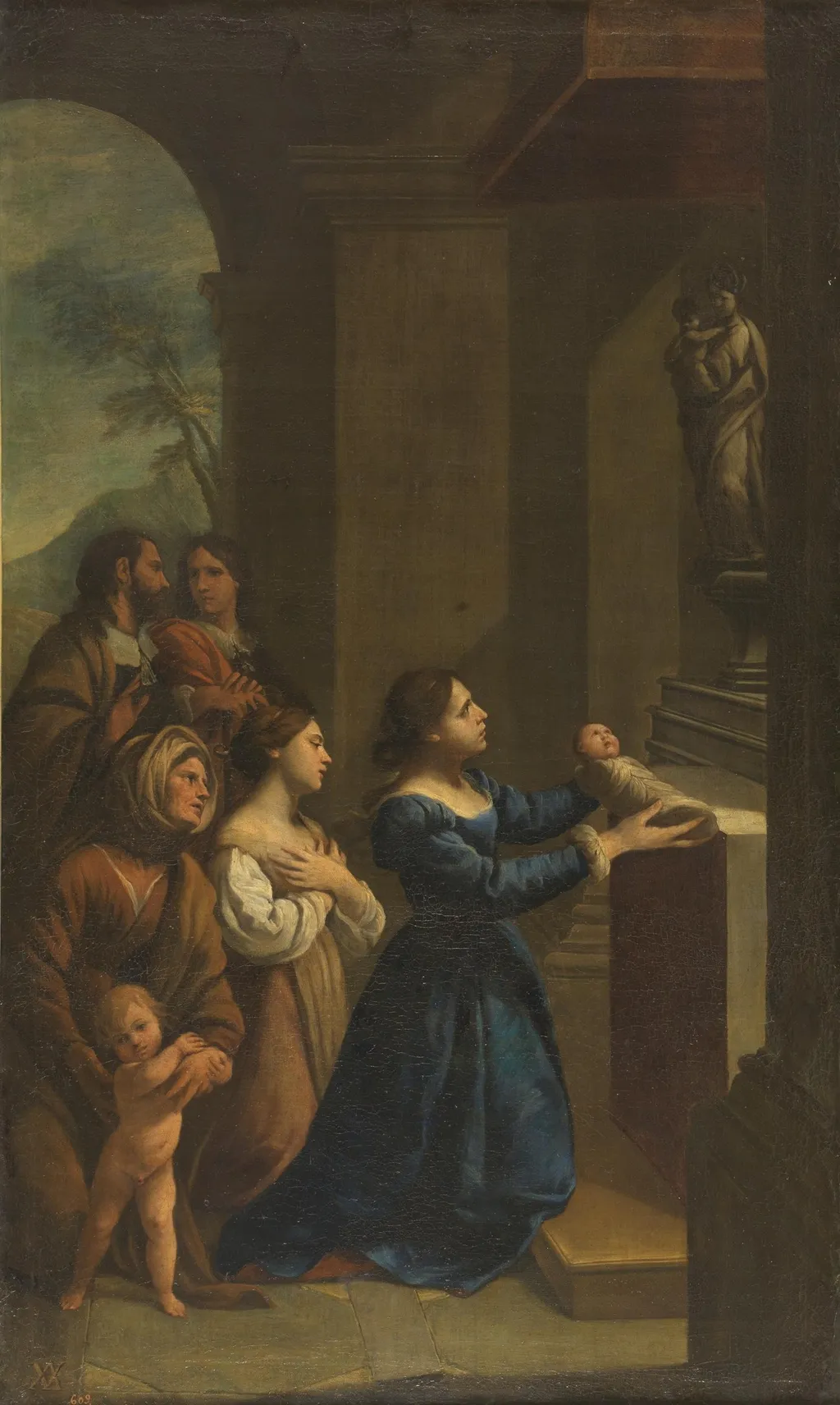
St Cajetan offered to the Virgin by his mother is an oil painting by the Early Baroque Italian artist Andrea Vaccaro. It dates from 1601 and is held in the collection of the Museo del Prado.
About this work
Overview
St Cajetan offered to the Virgin by his mother is a 1601 oil painting by Andrea Vaccaro, a Neapolitan artist prominent during the mid-17th century under Spanish rule in Naples. The work is characteristic of early Baroque Italian painting.
Subject & Meaning
The painting depicts a devotional scene where St Cajetan's mother kneels to offer her infant son to a statue of the Virgin Mary, conveying a moment of reverence and maternal devotion. Figures in the background, including a woman with a baby, subtly contextualize the scene within a broader, possibly familial or sacred, environment.
Technique & Style
Vaccaro's early work shows the influence of Caravaggio, notably in its use of chiaroscuro, which creates deep shadows and highlights, enhancing the emotional intensity of the scene. The lifelike rendering of figures further emphasizes the painting's emotional and devotional themes.
History & Provenance
Created in 1601, the painting is part of the collection at the Museo del Prado, reflecting its significance within the broader context of early Baroque art and Vaccaro's oeuvre.
Context
Painted under Spanish rule in Naples, the work caters to both local Neapolitan and Spanish patrons, blending religious themes with the artistic innovations of the early Baroque period.
Legacy
While specific lasting impacts of this piece on the art world are not broadly highlighted, it remains a notable example of Vaccaro's style and the early Baroque's emphasis on emotional depth and lighting techniques.
Own this work as a print
Artist & collection
Artist
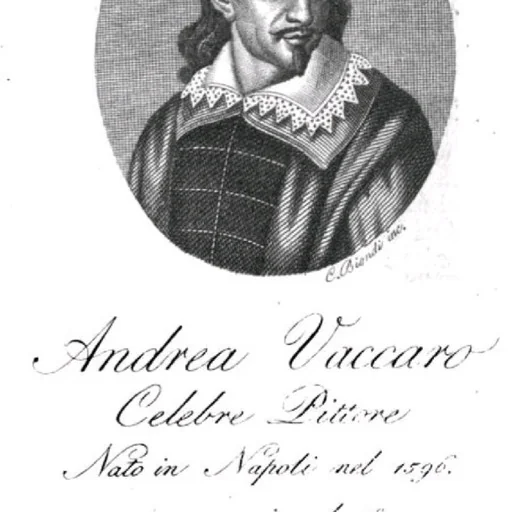
Andrea Vaccaro (baptised on 8 May 1604 – 18 January 1670) was an Italian painter of the Baroque period.

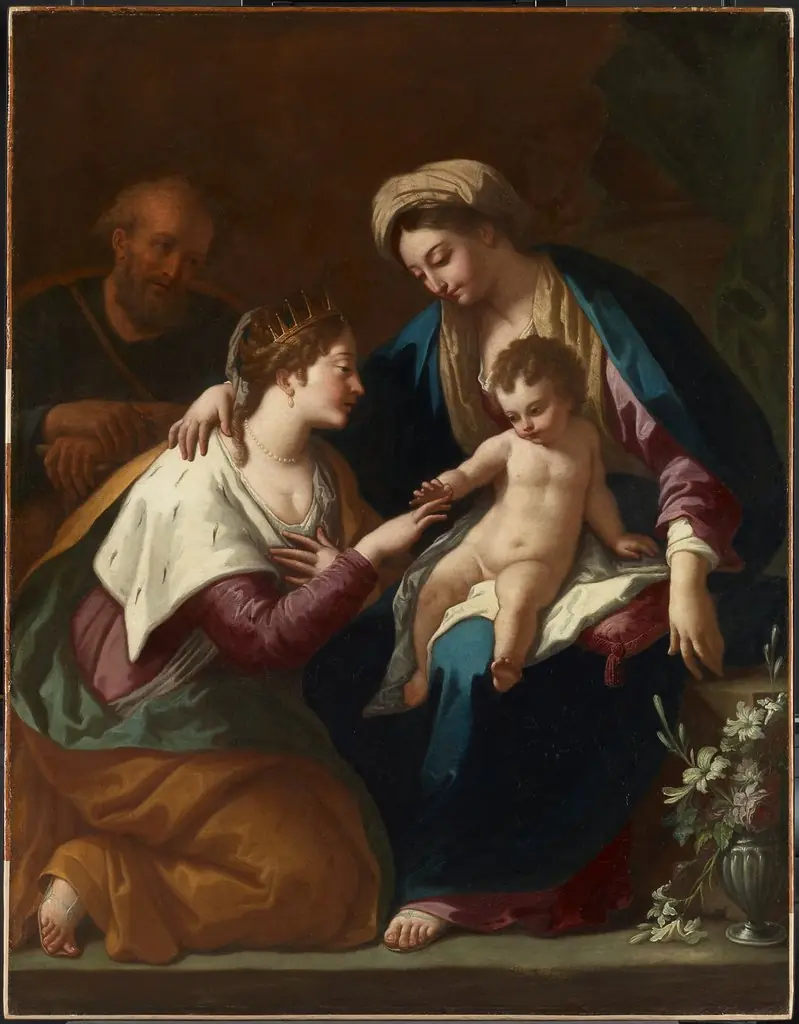 Mystical Marriage of St Catharine
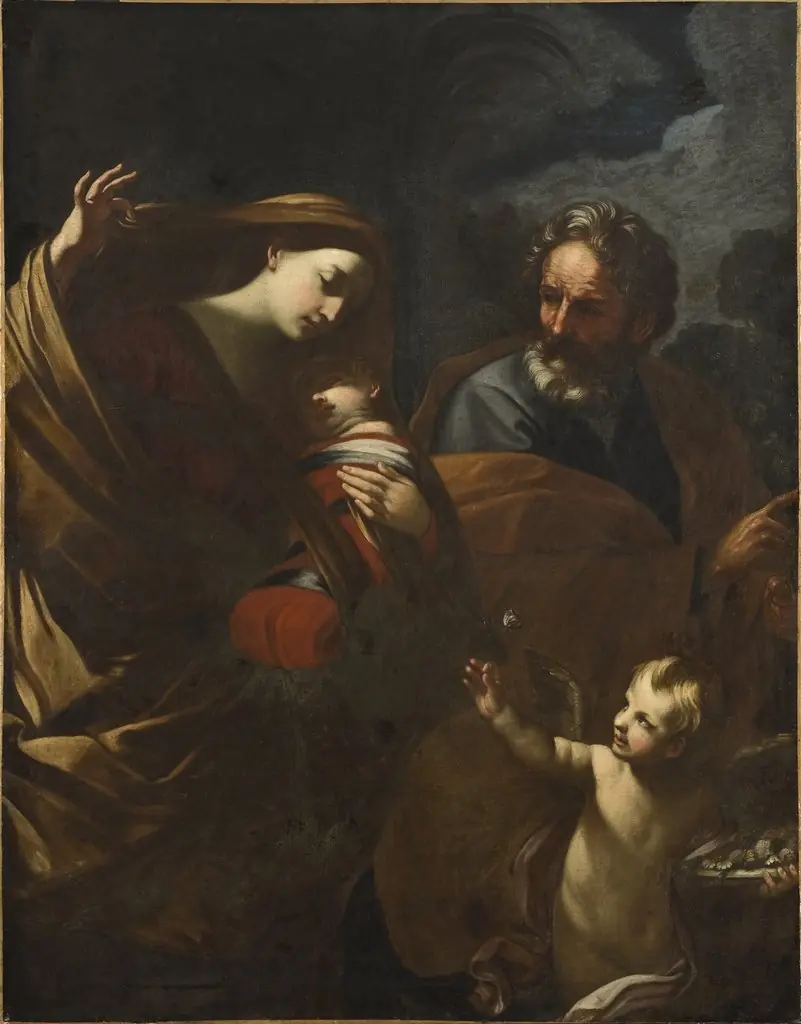 The Flight into Egypt
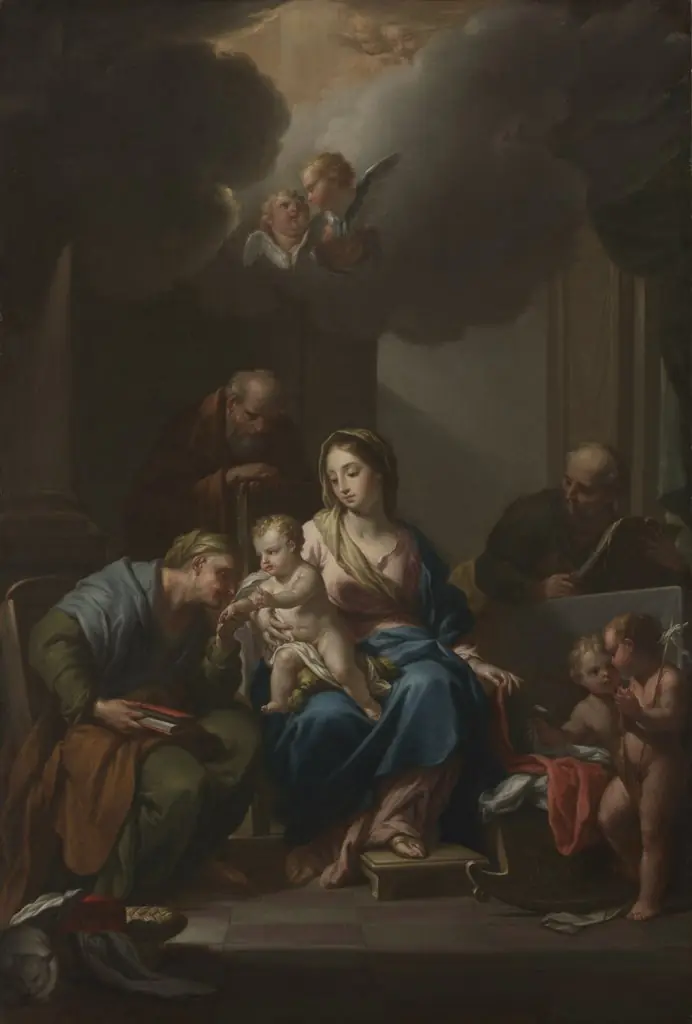 Presentation Sketch for "The Holy Family with Saints Anne, Joachim, and John the Baptist" (for Santa Maria in Via Lata, Roma)
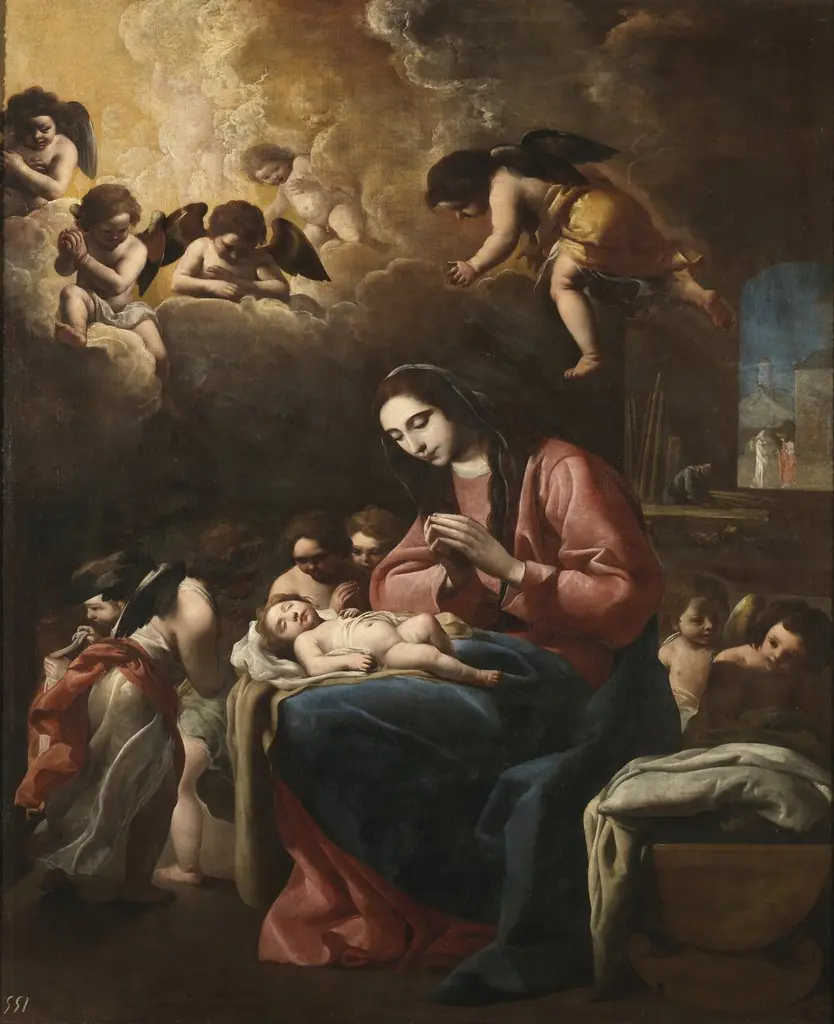 The Virgin and Child with Angels
 Presentation Sketch for "The Holy Family with Saints Anne, Joachim, and John the Baptist" (for Santa Maria in Via Lata, Roma)
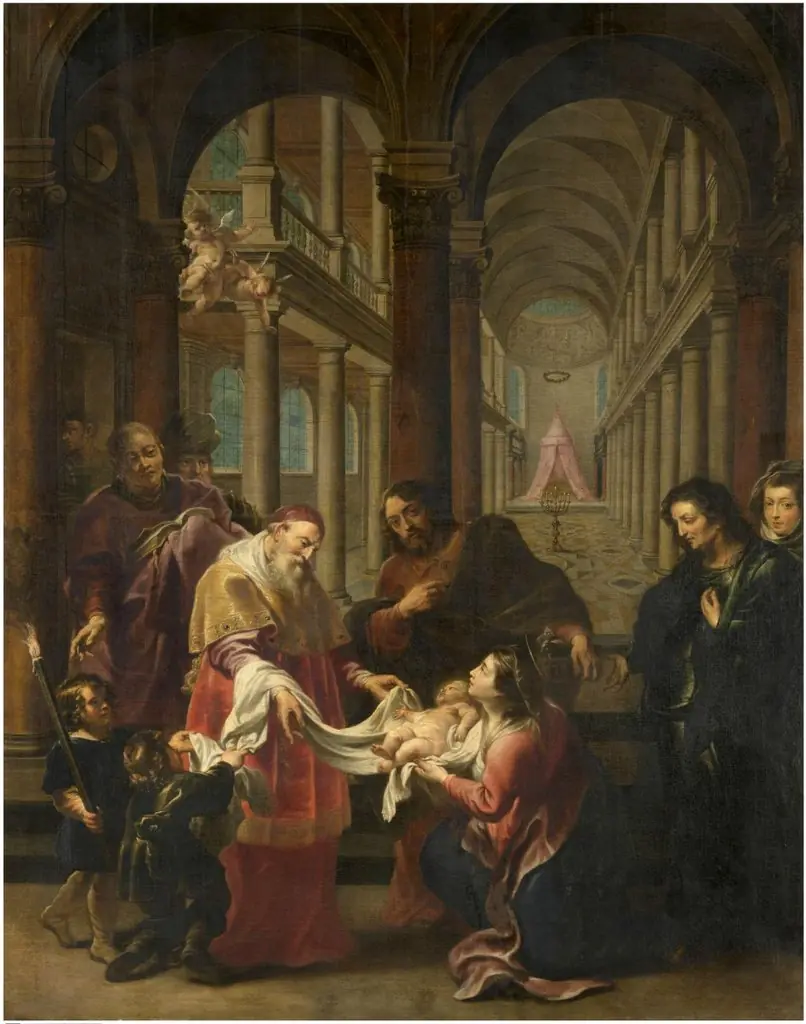 The purification of the holy virgin
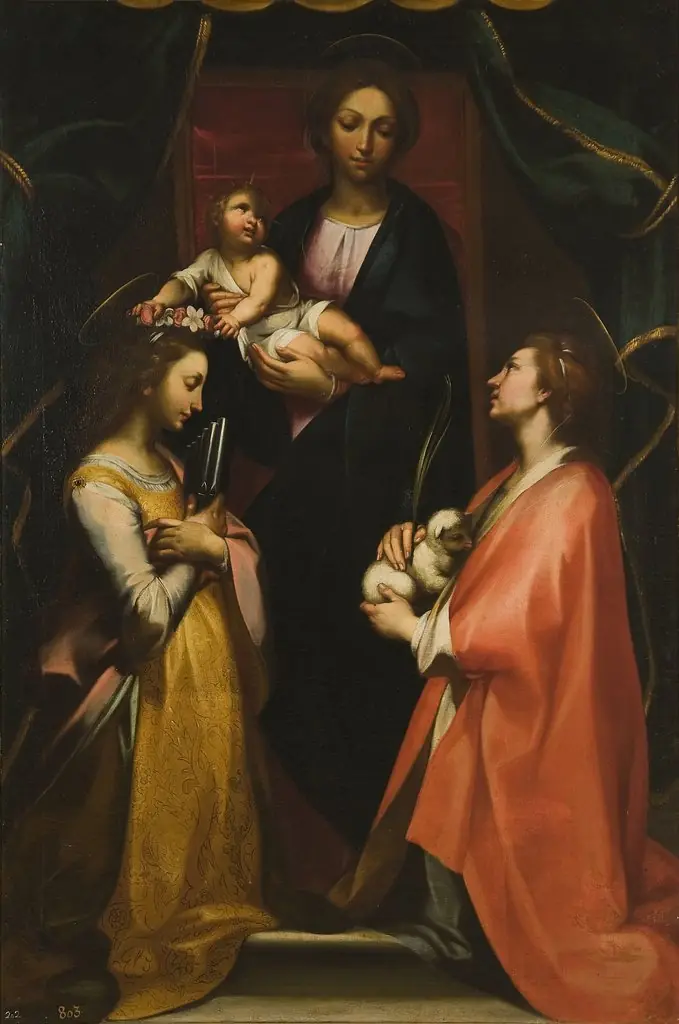 The Virgin and Child with Saints Cecilia and Inez
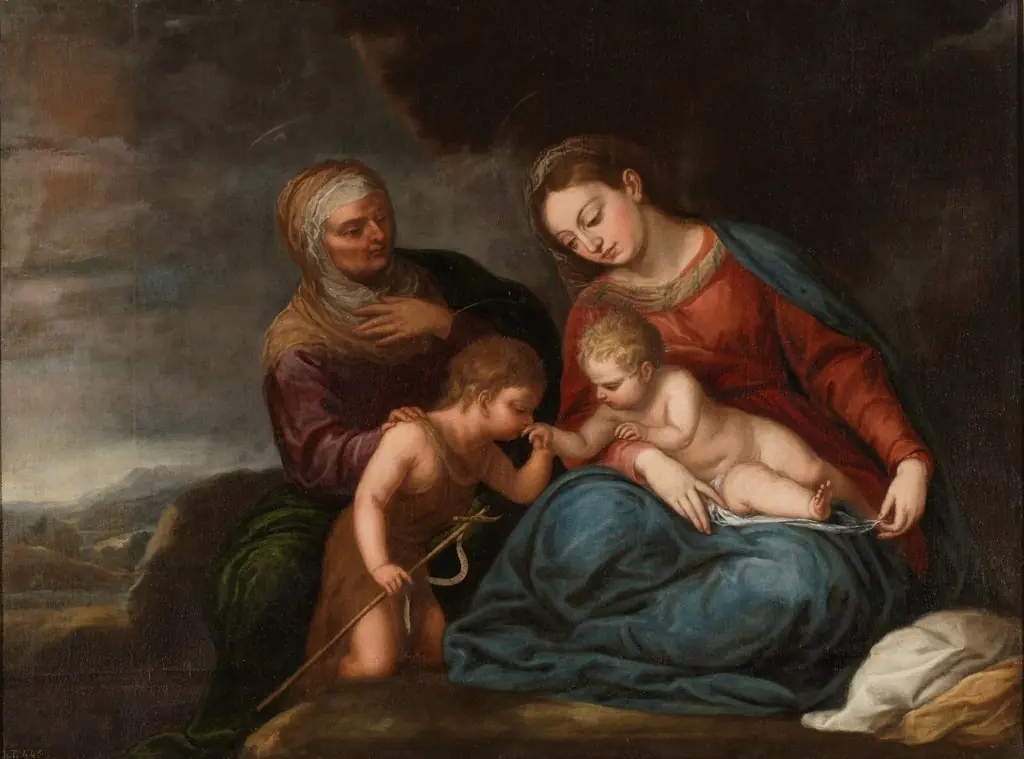 The Virgin and Child with Saints Elizabeth and John
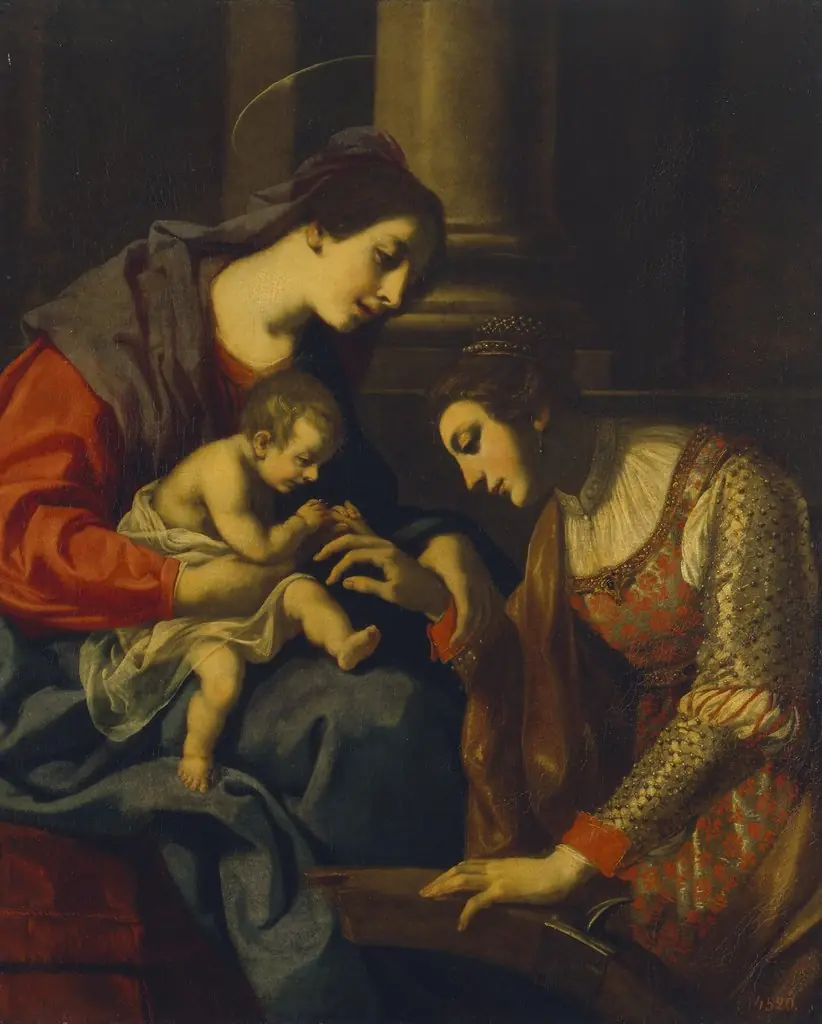 Mystic Marriage of St Catherine
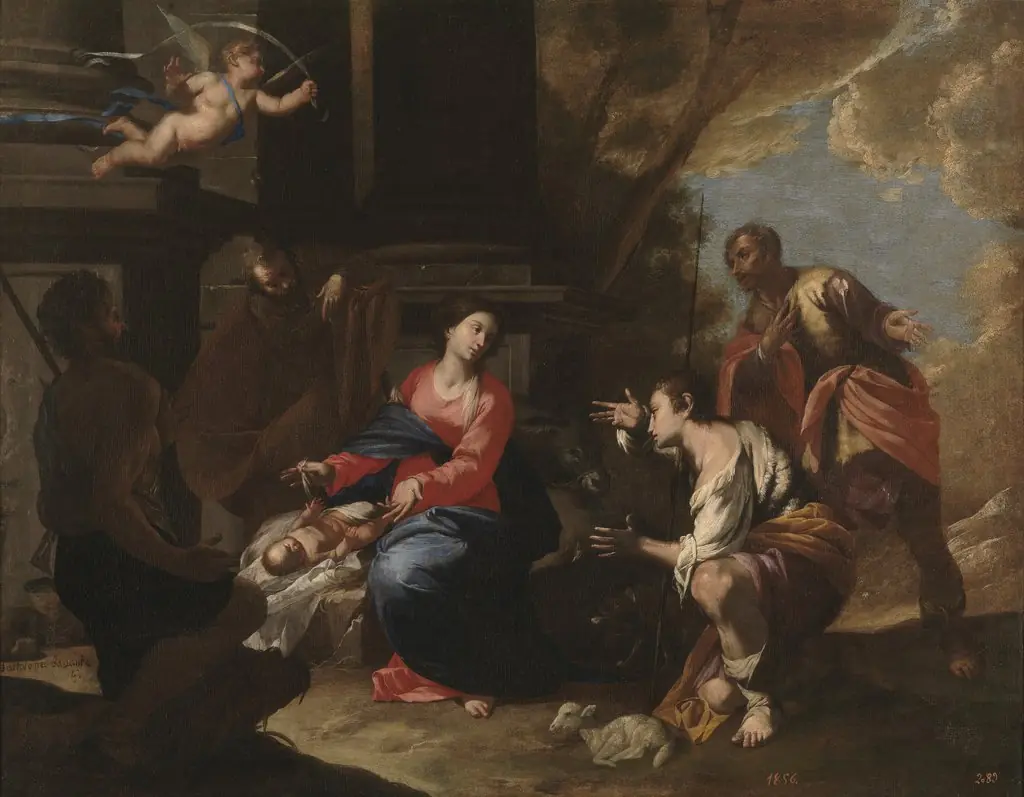 The Adoration of the Shepherds
 The Miracle of Roses (The Miracle of St Cita)
 The Mystic Marriage of St Catherine