Artwork
Vânat
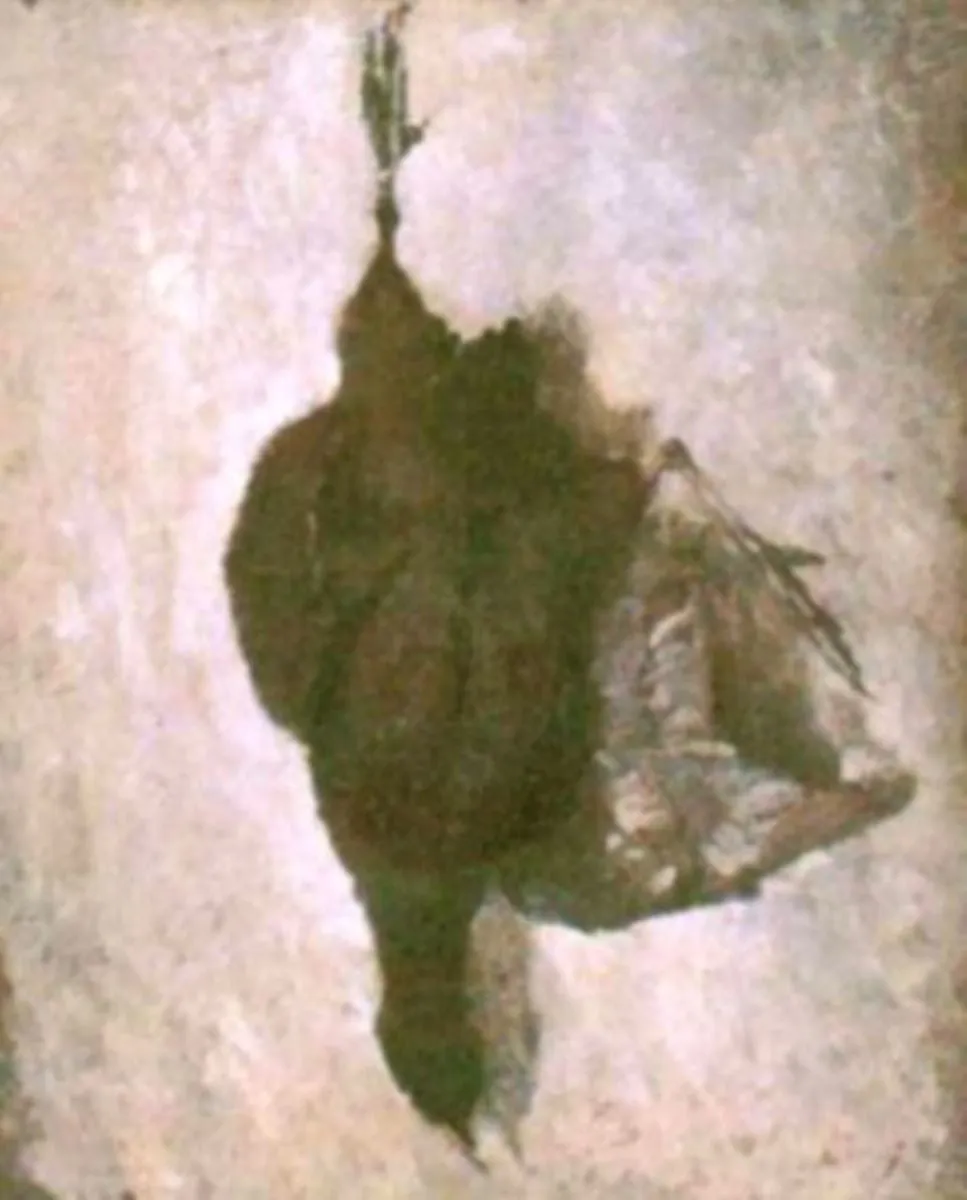
Vânat is an unspecified painting by Ion Andreescu. It dates from 1850 and is held in the collection of the National Museum of Art of Romania.
About this work
Overview
The figure’s anonymity and the subdued environment suggest a contemplative or transient moment, characteristic of early Romanian Romanticism.
Vânat is a mid-19th-century painting by Romanian artist Ion Andreescu, executed around 1850. It presents a solitary, enigmatic figure in a dimly lit outdoor setting. The composition emphasizes mood over narrative, using stark contrasts between shadow and light to evoke introspection. The figure’s anonymity and the subdued environment suggest a contemplative or transient moment, characteristic of early Romanian Romanticism.
Subject & Meaning
The central figure, cloaked in a dark hooded coat, faces away from the viewer, their identity obscured. This deliberate concealment invites interpretation as a symbol of solitude, mystery, or inner reflection. The faint landscape behind—rolling hills and a quiet stretch of water—enhances the sense of isolation, positioning the figure as a silent witness to an unspoken natural rhythm rather than an active participant.
Technique & Style
Andreescu employs chiaroscuro to model form and depth, with areas of the figure and background emerging from near-total darkness into faint illumination. The textured background suggests atmospheric perspective, while the figure’s edges dissolve into shadow, blurring the boundary between person and environment. Brushwork is restrained, favoring tonal gradation over detail, reinforcing the painting’s somber, meditative tone.
History & Provenance
Created during Andreescu’s formative years, Vânat reflects his early engagement with European Romantic traditions, likely influenced by his studies abroad. The work remained in Romanian collections after his death, and while it was not widely exhibited during his lifetime, it later gained recognition as one of the earliest examples of psychological depth in Romanian landscape painting.
Context
In the 1850s, Romanian art was transitioning from academic conventions toward more personal, emotionally resonant expression. Vânat aligns with this shift, echoing broader European trends in Romanticism that favored mood and atmosphere over historical or mythological subjects. Its quiet intensity distinguishes it from more overtly dramatic works of the period, reflecting a uniquely introspective national sensibility.
Legacy
Vânat is now regarded as a pivotal early work in Romanian painting for its emotional restraint and innovative use of light. It influenced subsequent generations of artists who sought to convey inner states through landscape and silhouette. Though modest in scale, its quiet power helped establish a visual language for psychological depth in Romanian art that endured beyond the 19th century.
Artist & collection



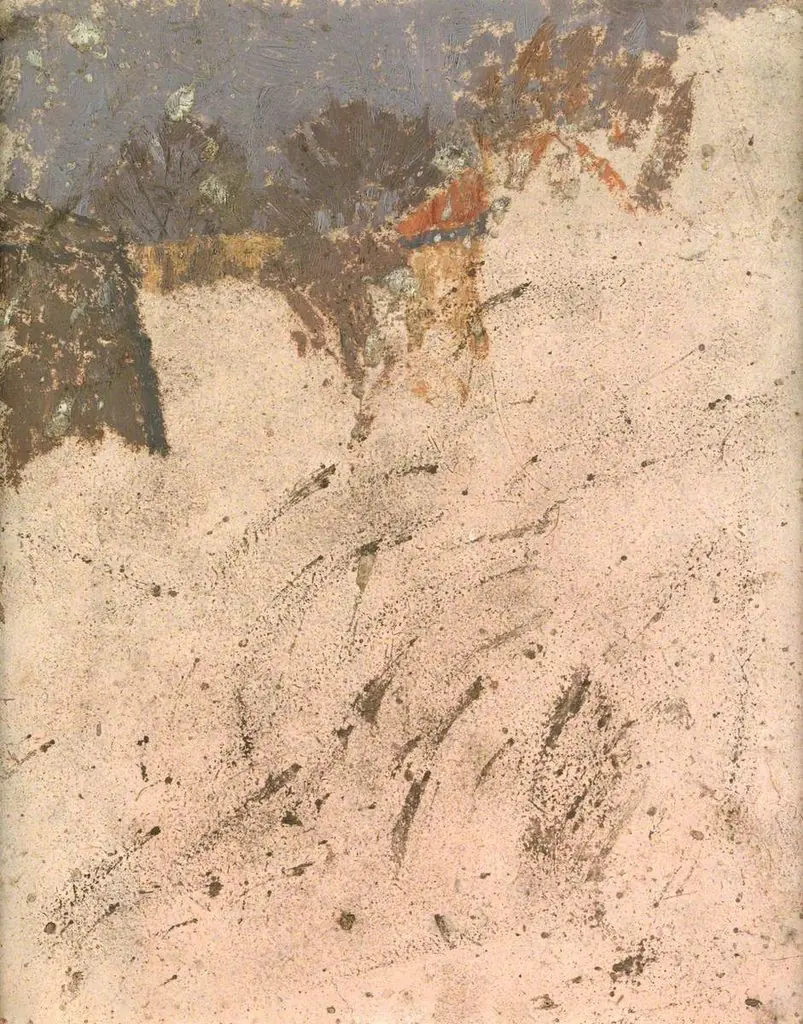 Hut with Sky and Trees: View from the Artist's Studio
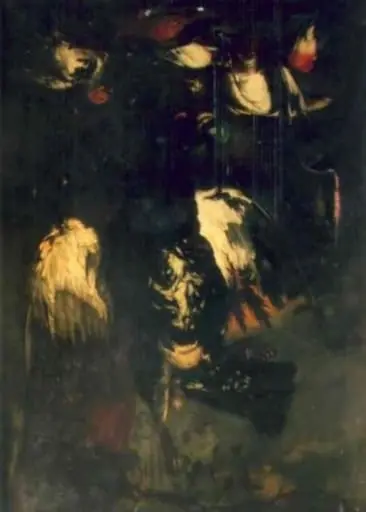 Păsări moarte cu cocoș de munte; pandant; Păsări și iepure mort
 Abstract Composition
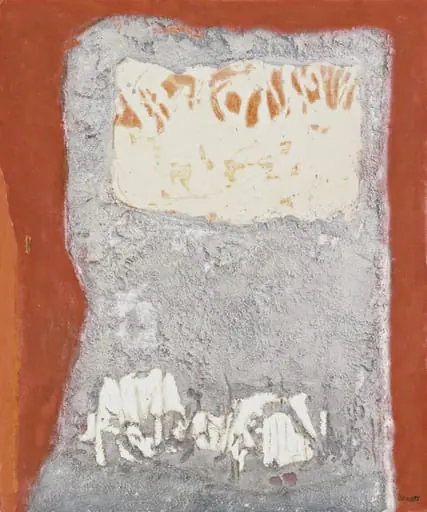 Untitled
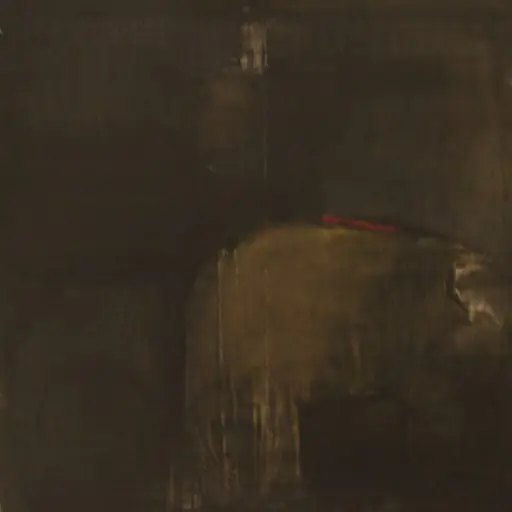 Χωρίς Τίτλο
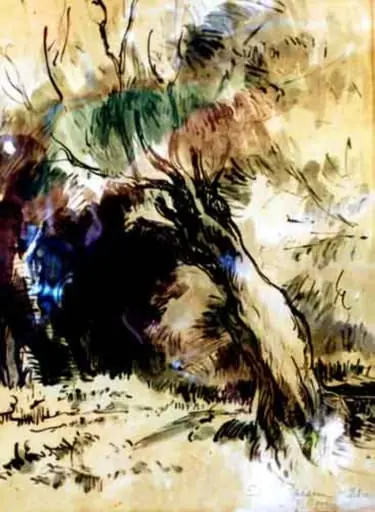 Peisaj din Filipoiu
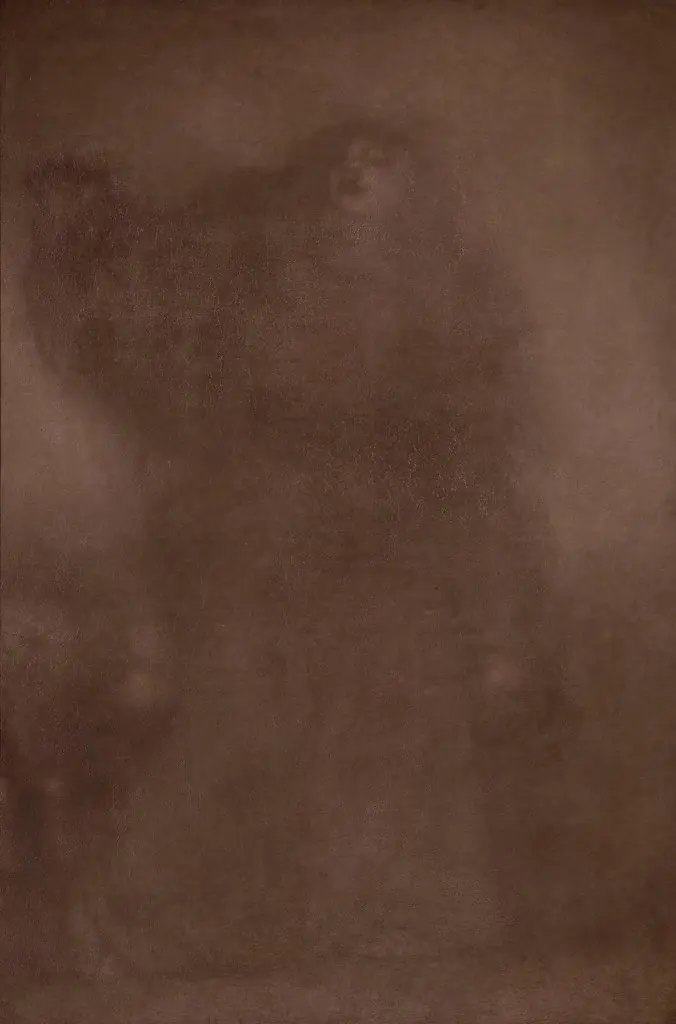 Shepherdess, known as ‘Monumental Conception of Humanity’
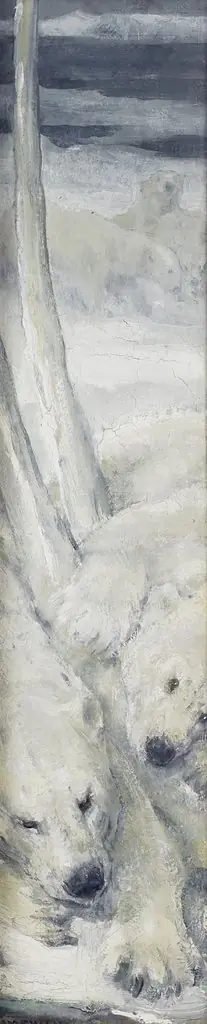 Polar Bears
 Untitled
 Untitled
 Portrait of Maria Sampere, the Painter's Wife
 Untitled