Artwork
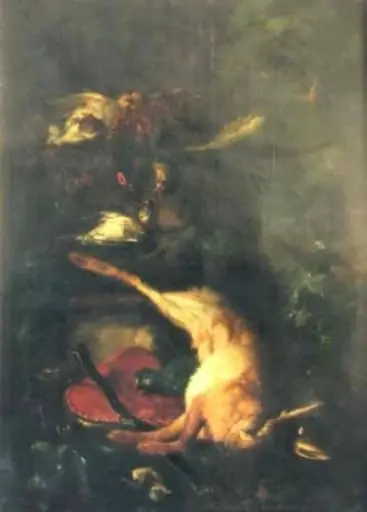
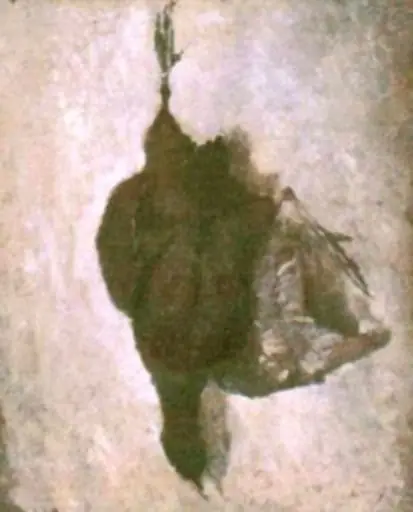
Păsări moarte cu cocoș de munte; pandant; Păsări și iepure mort
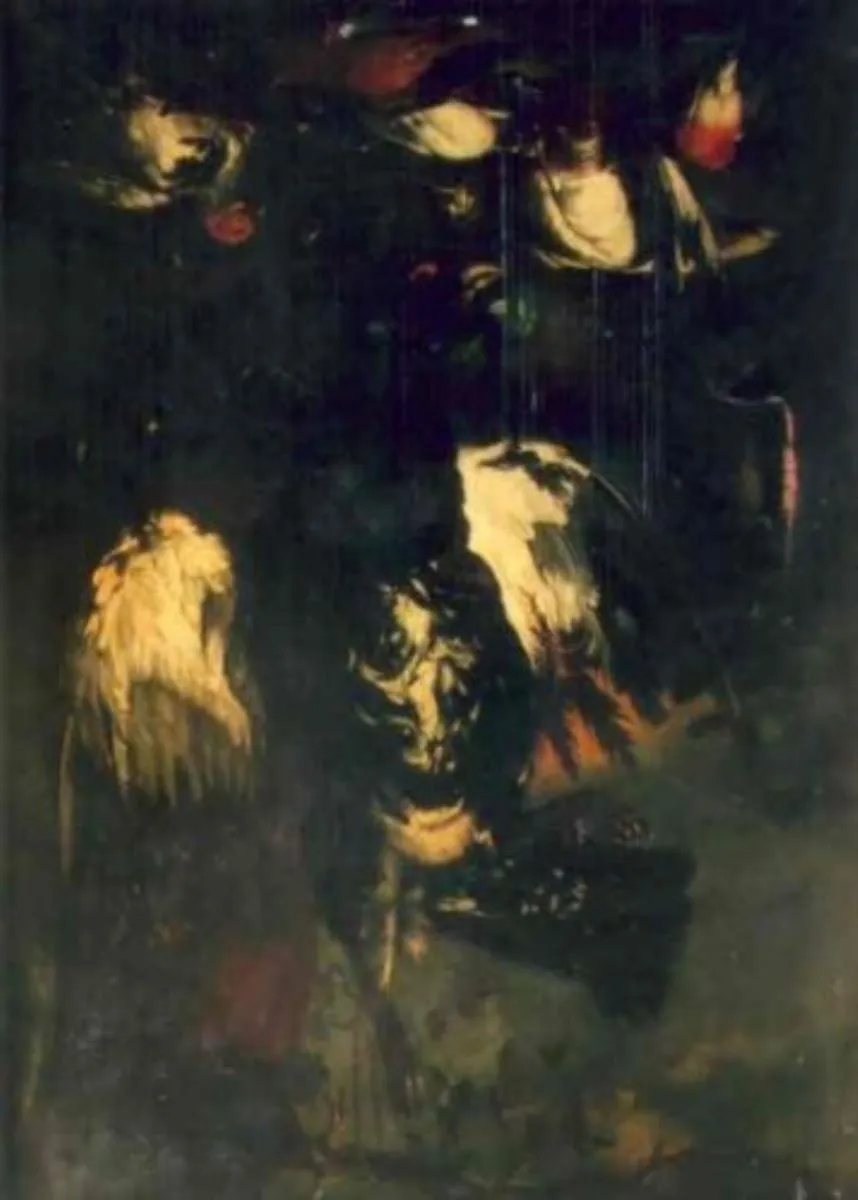
Păsări moarte cu cocoș de munte; pandant; Păsări și iepure mort is an unspecified painting by the Baroque artist Franz Werner, zis Dapper Tamm. It dates from 1714 and is held in the collection of the Brukenthal National Museum. This still life, dated 1714, is attributed to Franz Werner Tamm, known as Dapper.
About this work
Overview
Its muted tones and careful detailing align with northern European traditions of naturalistic observation in early 18th-century painting.
This still life, dated 1714, is attributed to Franz Werner Tamm, known as Dapper. It presents a composed arrangement of deceased game—birds and a hare—arranged with deliberate order rather than chaos. The scene avoids dramatic flair, instead emphasizing quiet stillness and the physical presence of the animals. Its muted tones and careful detailing align with northern European traditions of naturalistic observation in early 18th-century painting.
Subject & Meaning
The depicted animals—wildfowl and a hare—were common game in rural Europe, suggesting themes of hunting and sustenance. Their arrangement, neither chaotic nor celebratory, implies a contemplative tone, perhaps reflecting on mortality, the cycle of life, or the quiet dignity of the natural world. The absence of human figures or hunting tools reinforces a sense of aftermath, inviting reflection rather than narrative.
Technique & Style
Rendered with precise brushwork, the painting captures the texture of feathers, fur, and skin in subtle gradations of brown, gray, and ochre. Light falls evenly across the forms, enhancing three-dimensionality without theatrical contrast. The composition is balanced yet asymmetrical, with birds suspended from a hook and the hare laid out on a surface, creating visual rhythm through repetition and variation in form.
History & Provenance
Attributed to Franz Werner Tamm, an artist active in the early 1700s and sometimes identified by the alias Dapper, the work originates from a period when still-life painting in Central Europe emphasized realism over symbolism. Its early 18th-century date places it within a tradition of Flemish and German still lifes, though its specific provenance prior to modern cataloging remains undocumented in public records.
Context
Created during the Baroque era, the painting reflects a regional shift in still-life conventions: away from overt allegory toward restrained naturalism. While Dutch and Flemish artists often included luxury items or symbolic flourishes, this work focuses on the raw materiality of hunted game, aligning with a broader trend in German-speaking regions toward empirical observation and understated composition.
Legacy
The painting contributes to a lesser-known branch of Baroque still life that prioritizes quiet observation over spectacle. Though not widely exhibited, it exemplifies how regional artists adapted broader European trends to local sensibilities—valuing accuracy and restraint over ornamentation. Its survival offers insight into the aesthetic values of provincial collectors in early 18th-century Central Europe.
Artist & collection
Artist
Franz Werner Tamm painted still lifes tied to 17th‑century European traditions, often pairing dead game with live birds or blooming flowers.