Artwork
A still life with a view of a river landscape
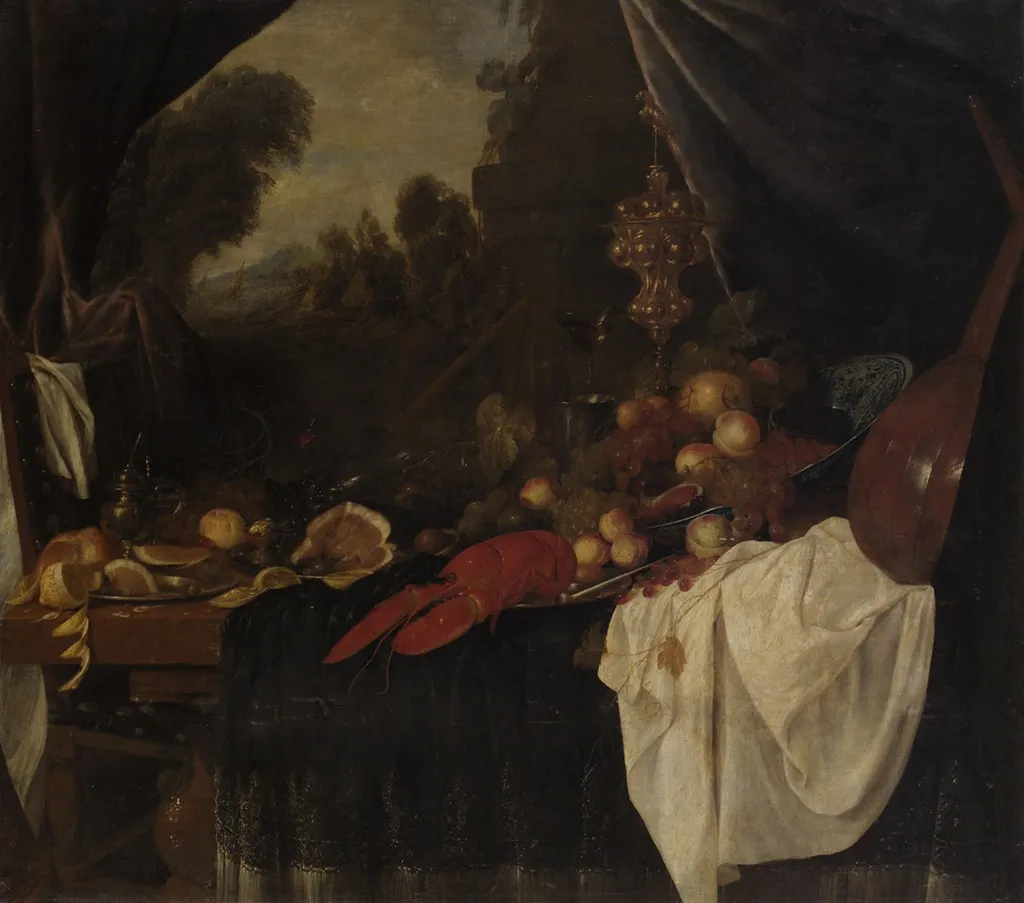
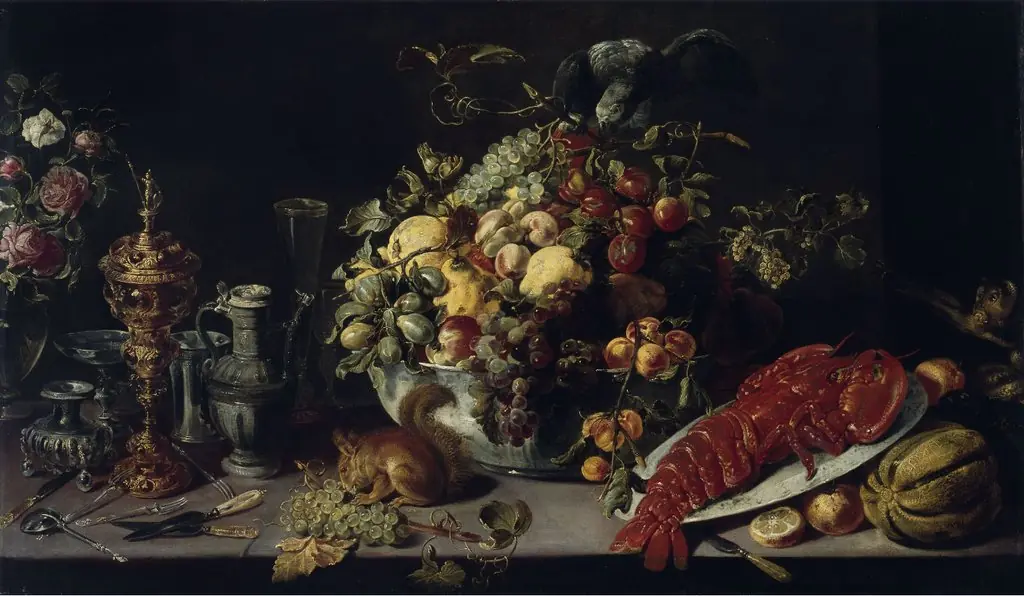
A still life with a view of a river landscape is an oil painting by the Dutch Golden Age artist Andries Benedetti. It dates from 1636 and is held in the collection of the Kunsthistorisches Museum.
About this work
Overview
Painted in 1636 by Andries Benedetti, this oil on canvas work combines the conventions of still life with a distant river landscape.
Painted in 1636 by Andries Benedetti, this oil on canvas work combines the conventions of still life with a distant river landscape. Unlike his more typical pronkstillevens, Benedetti here integrates a quiet, atmospheric vista behind a table laden with food, creating a layered composition that bridges intimate detail and expansive scenery. The painting resides in the Kunsthistorisches Museum’s collection.
Subject & Meaning
A white cloth drapes a table bearing fruit, a lobster, and other edible items, arranged with quiet precision. Behind them, a river winds through trees under a cloudy sky, suggesting a view from an open window or doorway. The juxtaposition of transient abundance and enduring natural space may reflect themes of impermanence and the quiet rhythm of rural life, common in Flemish painting of the period.
Technique & Style
Benedetti employs oil paint with restrained brushwork, emphasizing texture in the fruit’s skin, the sheen of the lobster’s shell, and the soft folds of the cloth. The background landscape is rendered with looser, atmospheric strokes, creating depth without sharp focus. A muted, dark palette unifies the foreground and background, enhancing the painting’s somber, contemplative mood.
History & Provenance
The painting was created during Benedetti’s active years in Antwerp, a center for still life production in the early 17th century. It entered the Kunsthistorisches Museum’s collection in Vienna, likely through Habsburg acquisitions or later donations. Its survival intact suggests it was valued within collector circles, though it never achieved the fame of his more ornate still lifes.
Context
In the Dutch and Flemish Golden Age, artists often blended still life with landscape to evoke harmony between domestic abundance and the natural world. Benedetti’s work aligns with this trend, though his approach is more subdued than the lavish pronkstillevens of contemporaries. The integration of landscape reflects a broader interest in spatial depth and environmental observation among Northern painters.
Legacy
While Benedetti is primarily remembered for his opulent fruit arrangements, this painting reveals his versatility and sensitivity to spatial composition. It stands as a quiet example of how still life could extend beyond the table’s edge, engaging with the surrounding environment. Its presence in a major museum underscores its role as a representative, if understated, work of its time.
Artist & collection
Artist
Andries Benedetti or Andrea Benedetti (1615/18 – after 1649 and before 1660) was a Flemish still life painter mainly active in Antwerp who is known for his fruit still lifes and pronkstillevens.

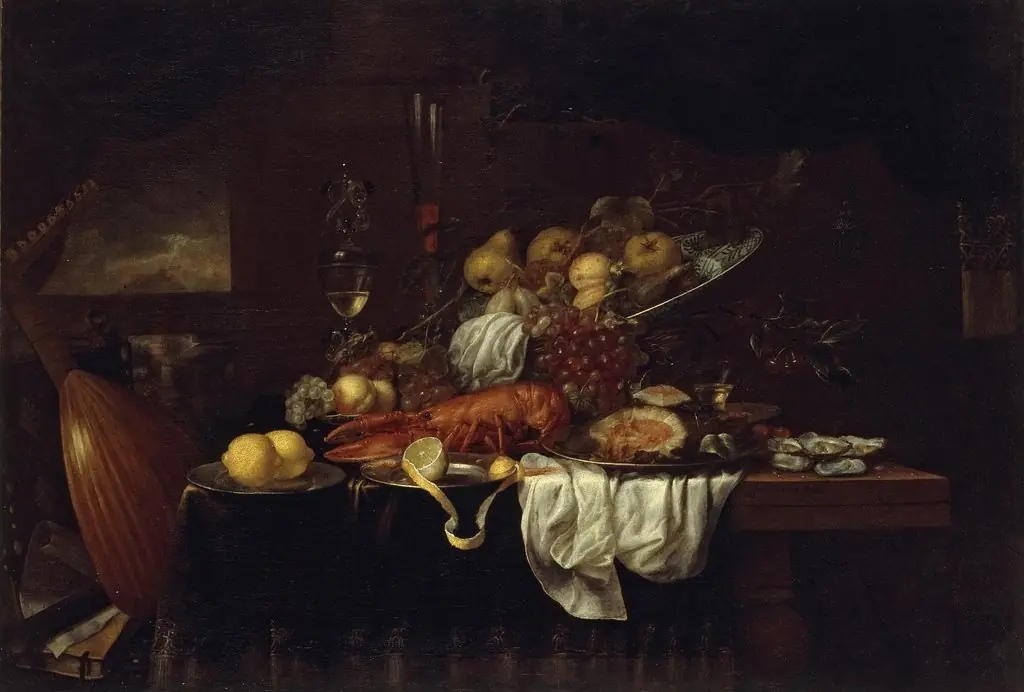 Lobster, Oysters and Fruits on the Table
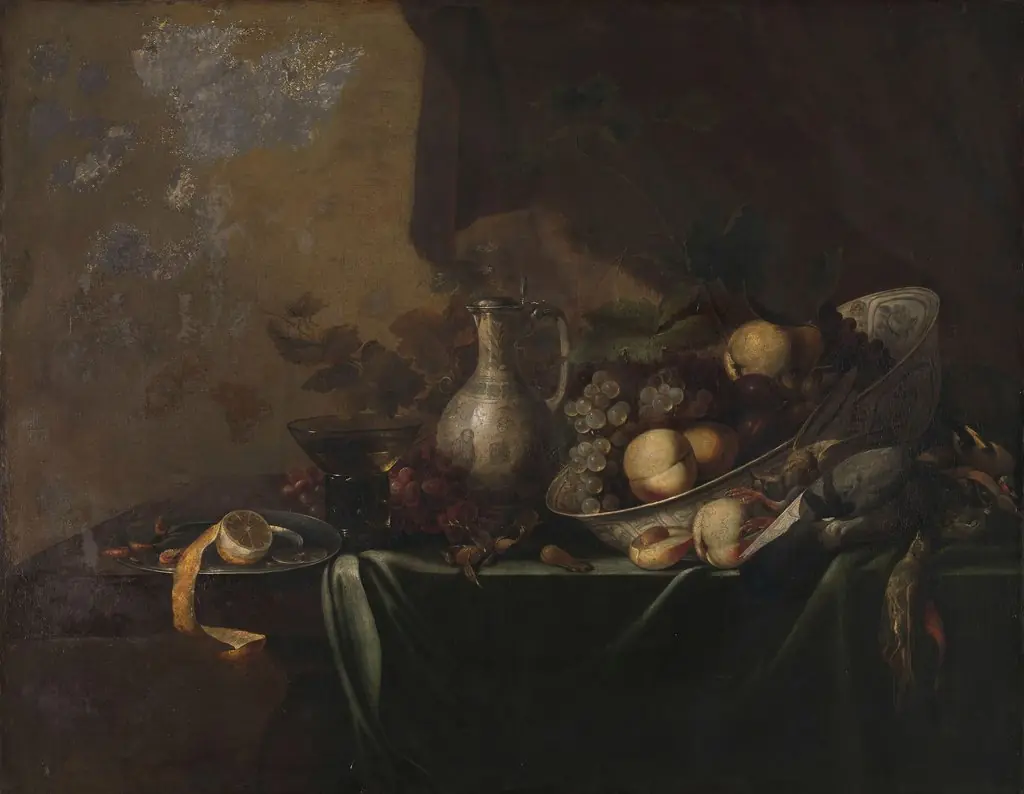 Still Life with Fruit
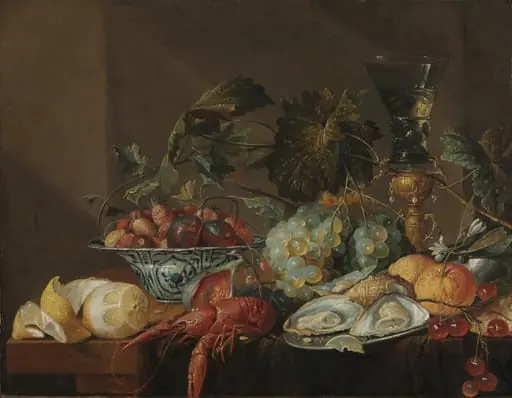 Still-Life with Crayfish, Oysters, and Fruit
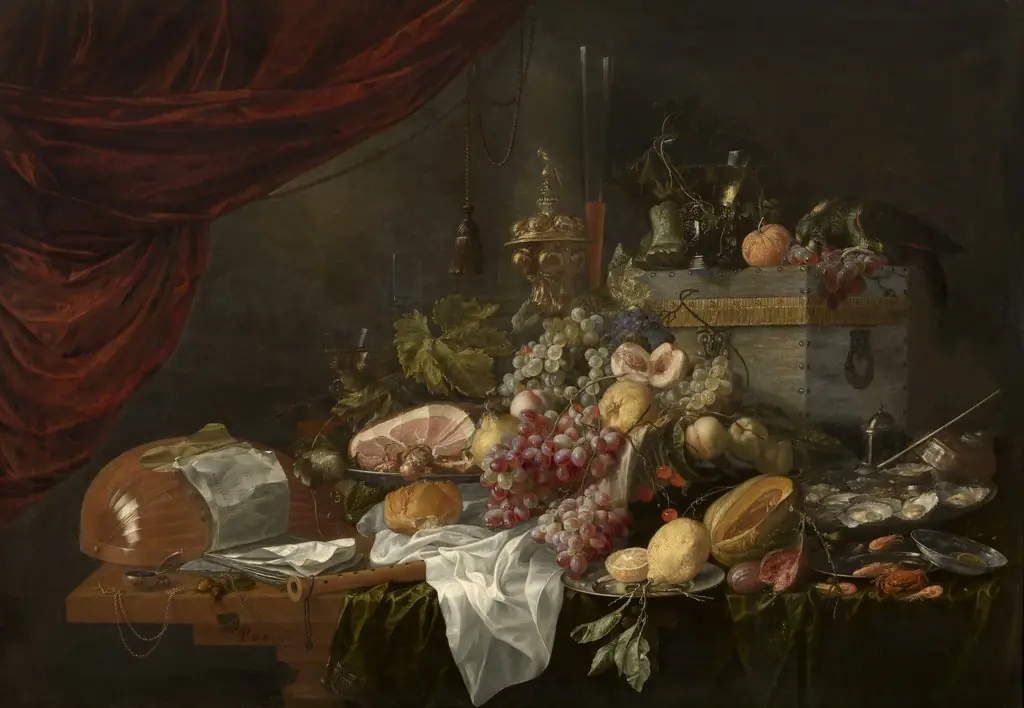 Still Life
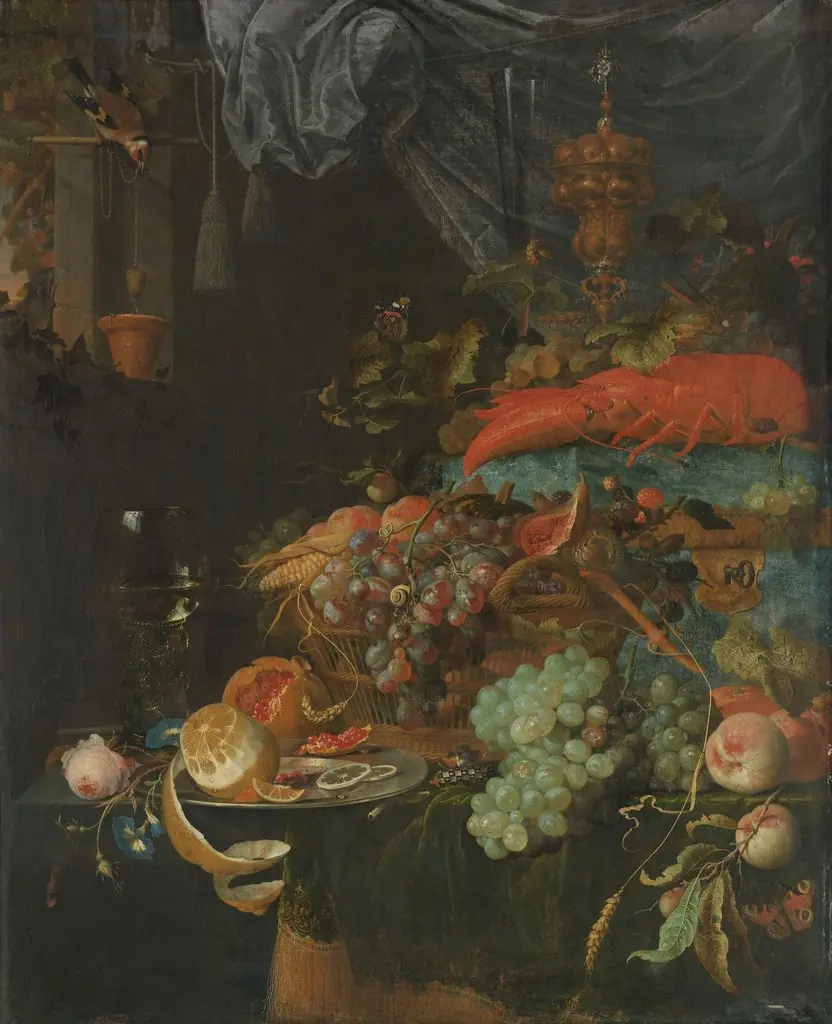 Still life with fruit and a finch drawing water
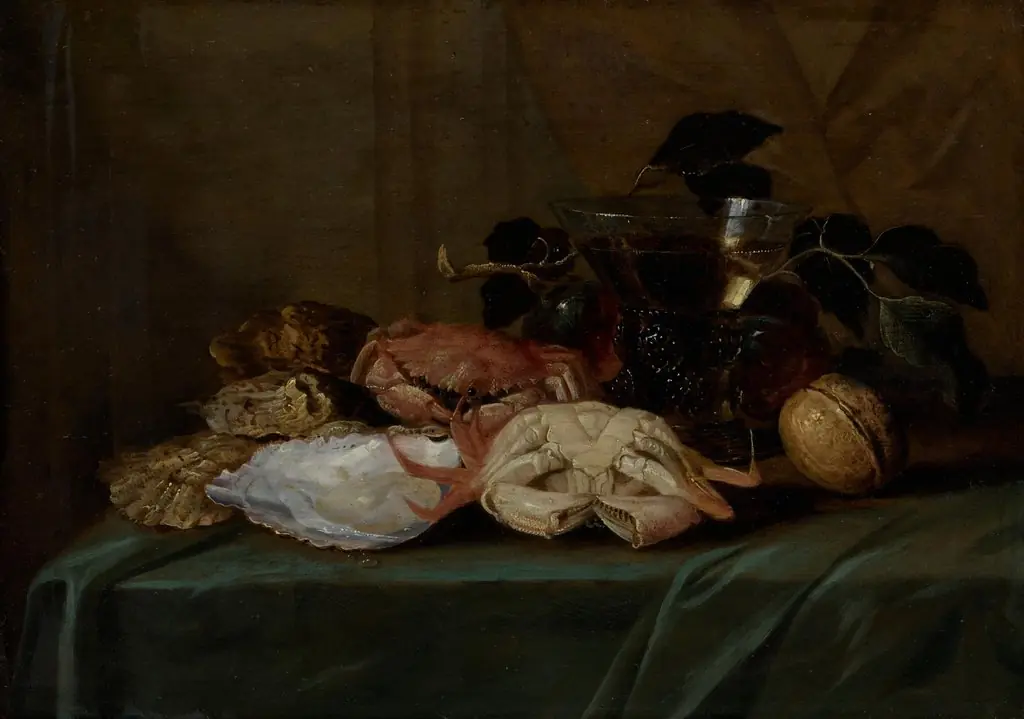 Still Life with Crabs
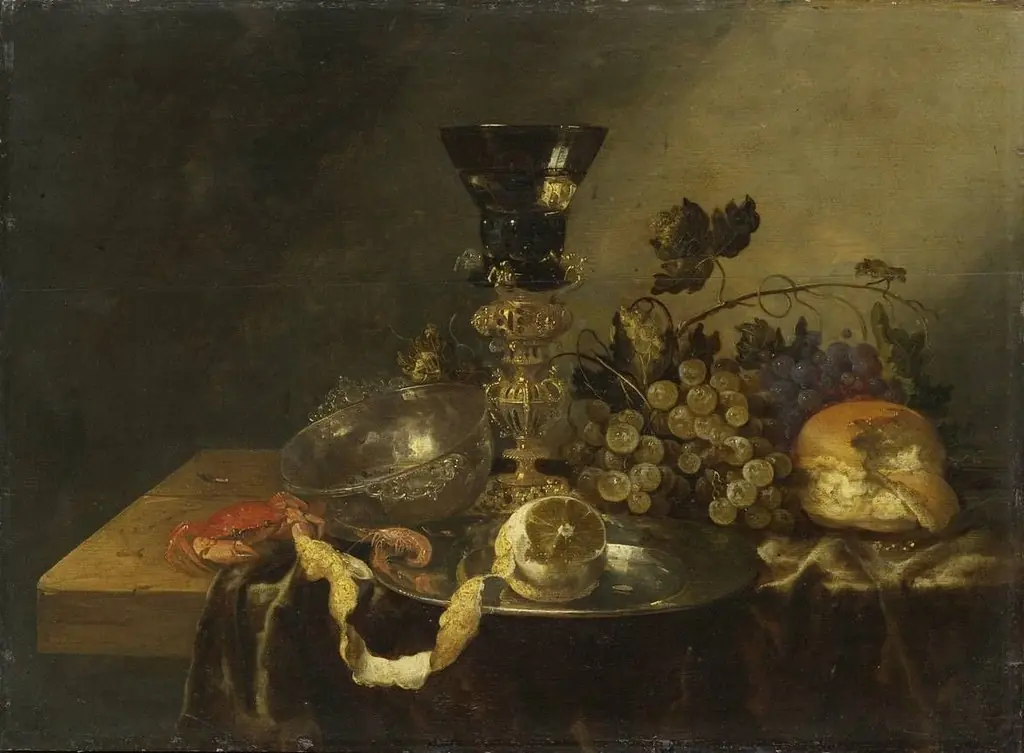 Stillleben mit Silberschale und Becherschraube
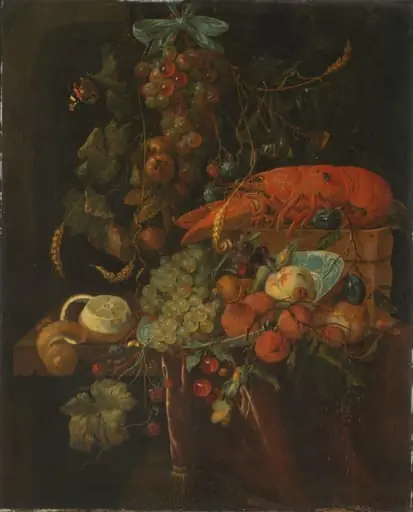 Still Life with Fruit and a Lobster
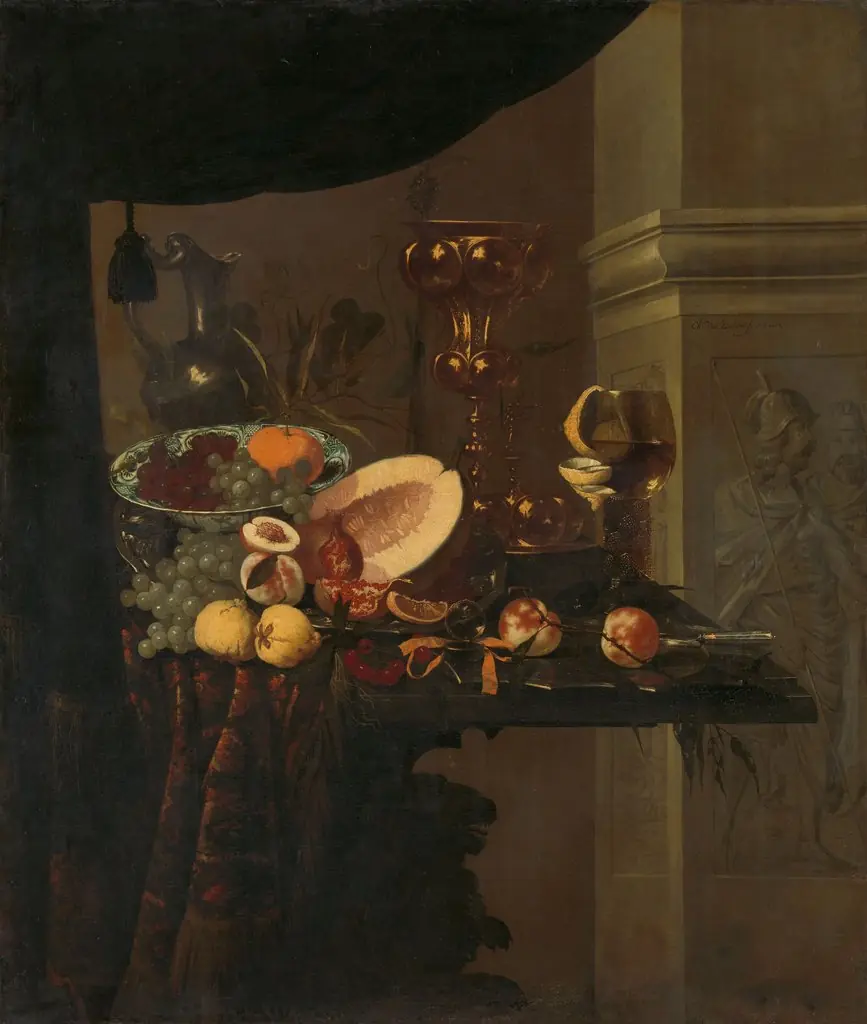 Still Life
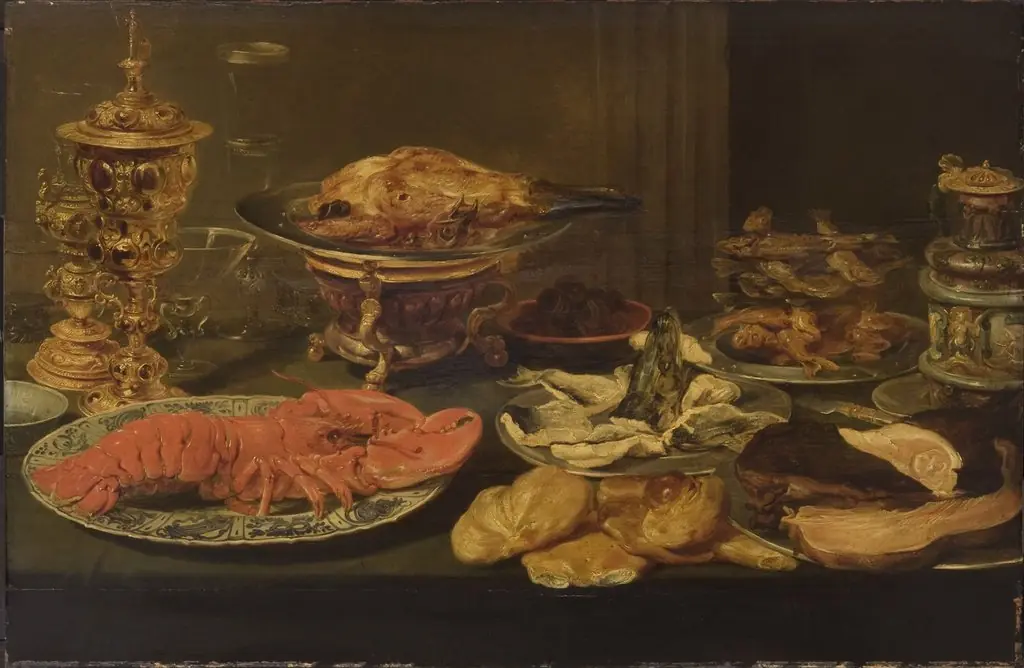 Still Life with a Lobster
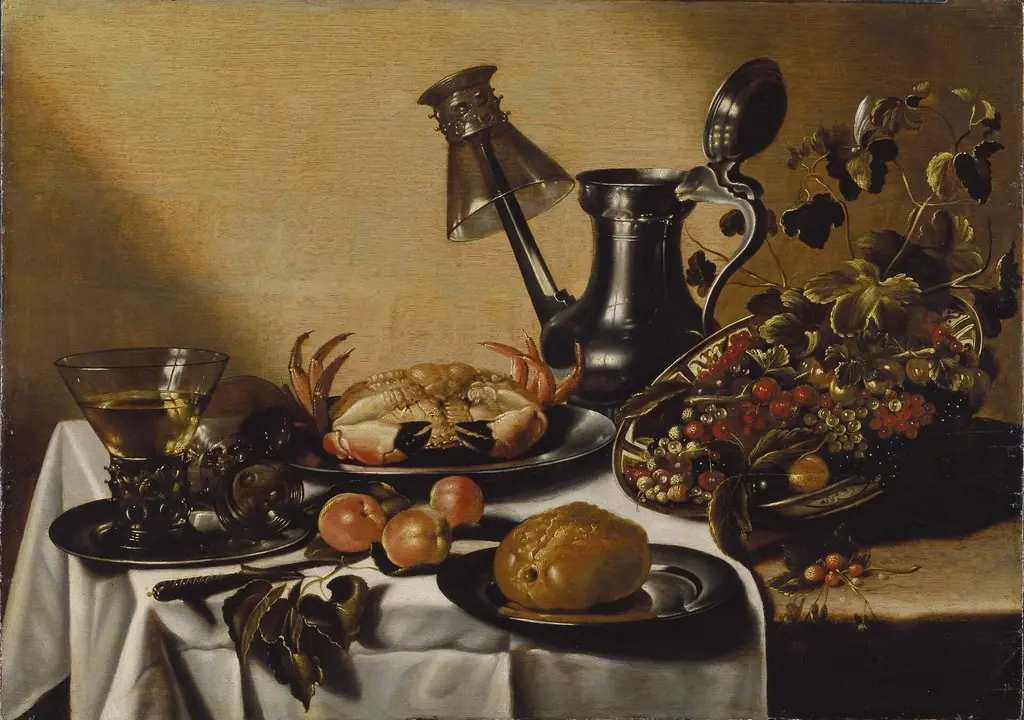 Still Life with Crab and Fruit
 A Banquet Piece