Artwork
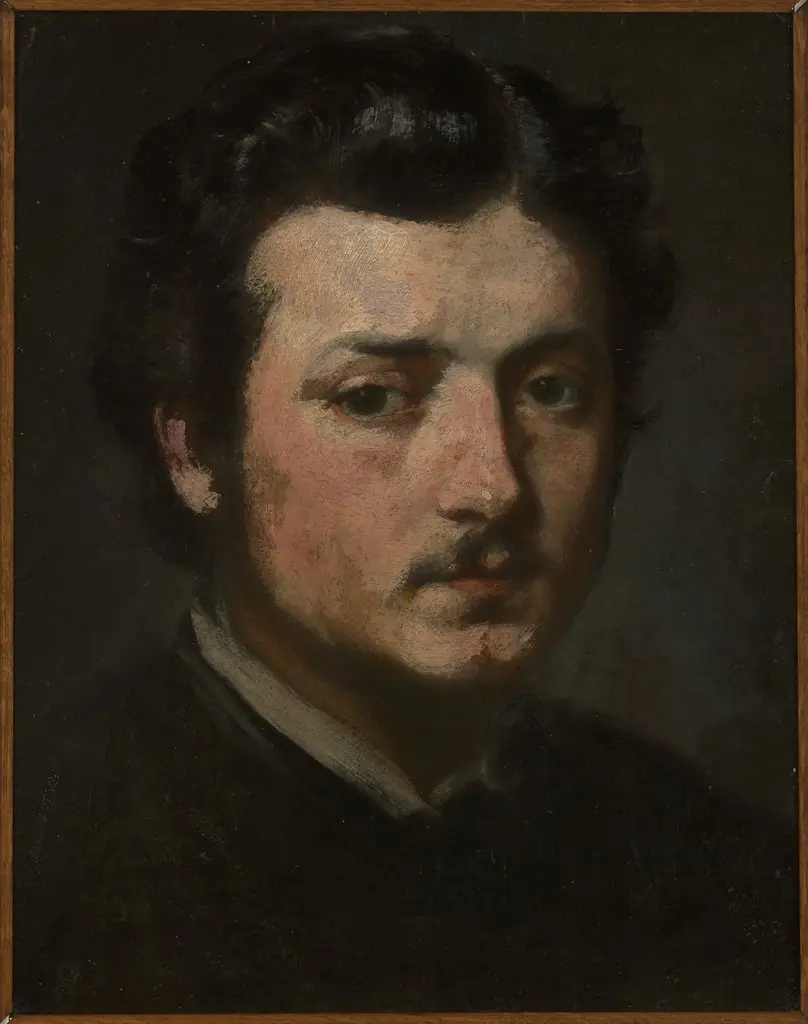
Bust of Michał Walczak-Gąsienica, Highlander
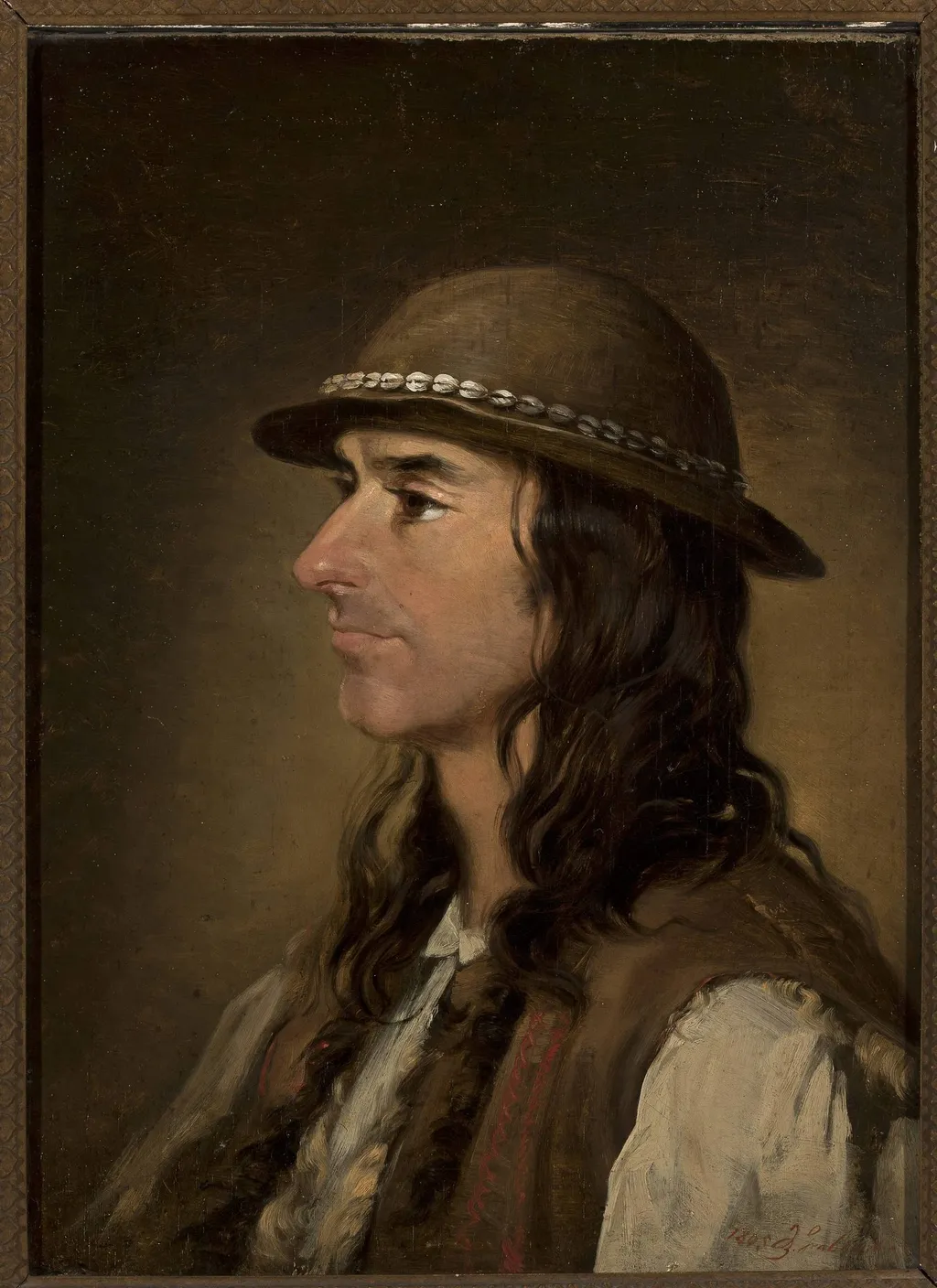
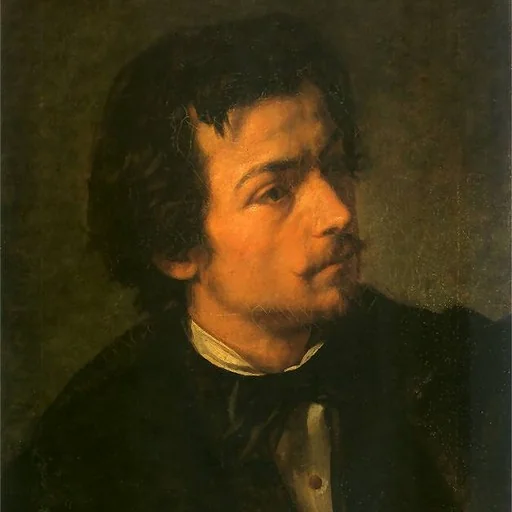
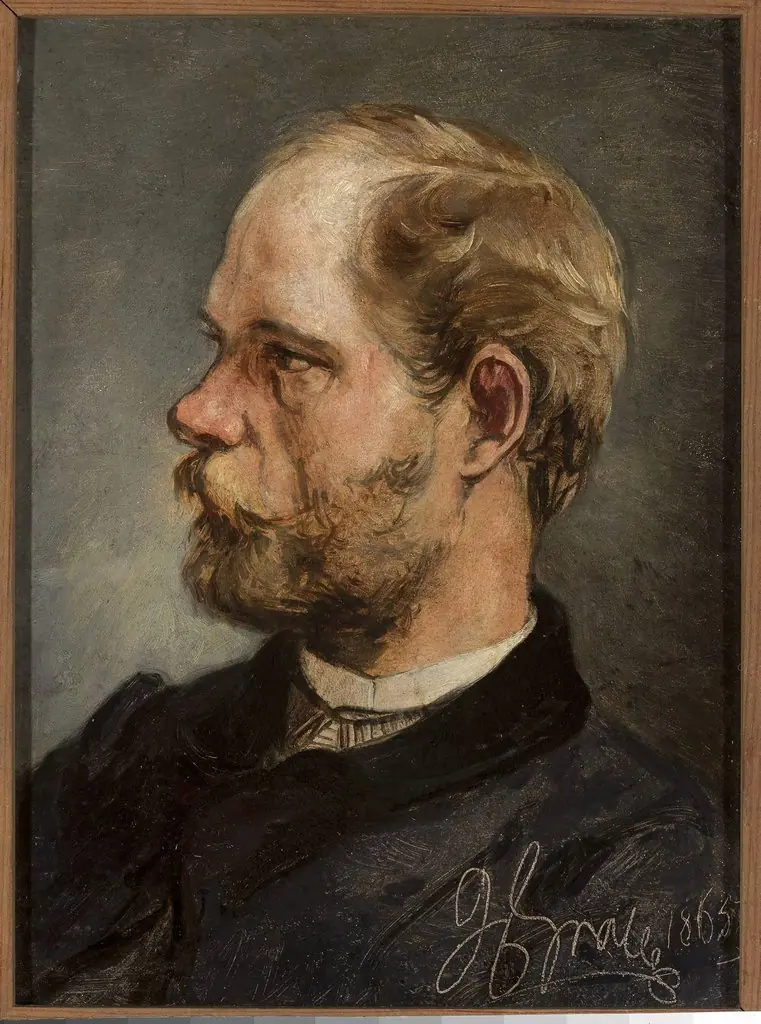
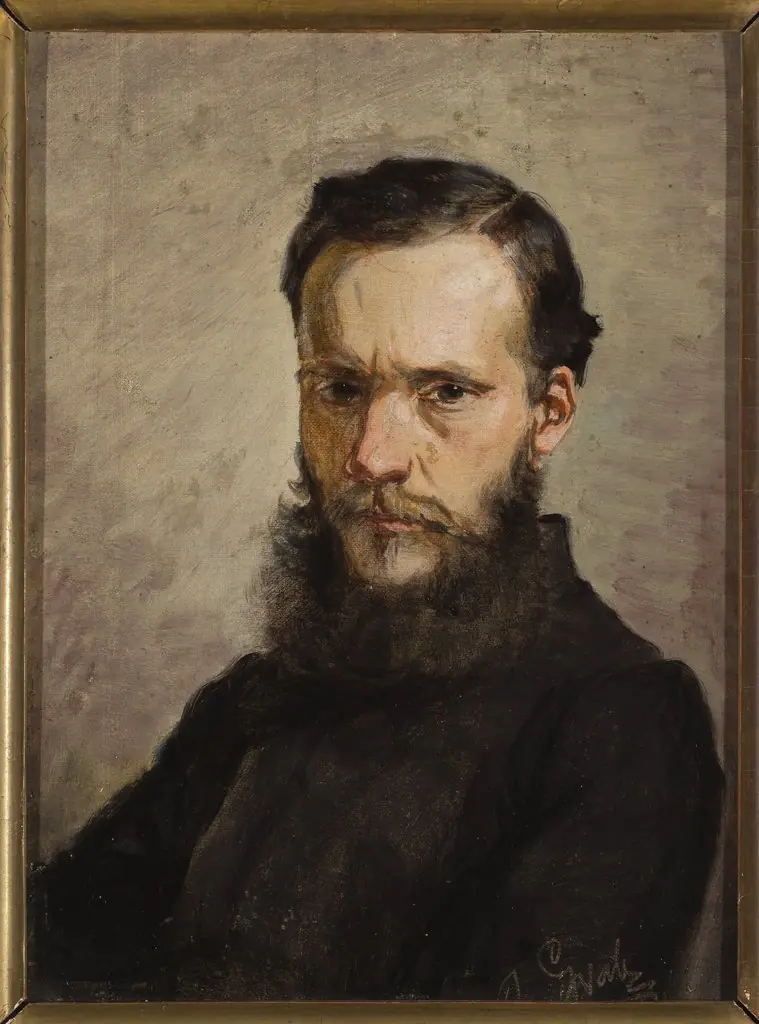
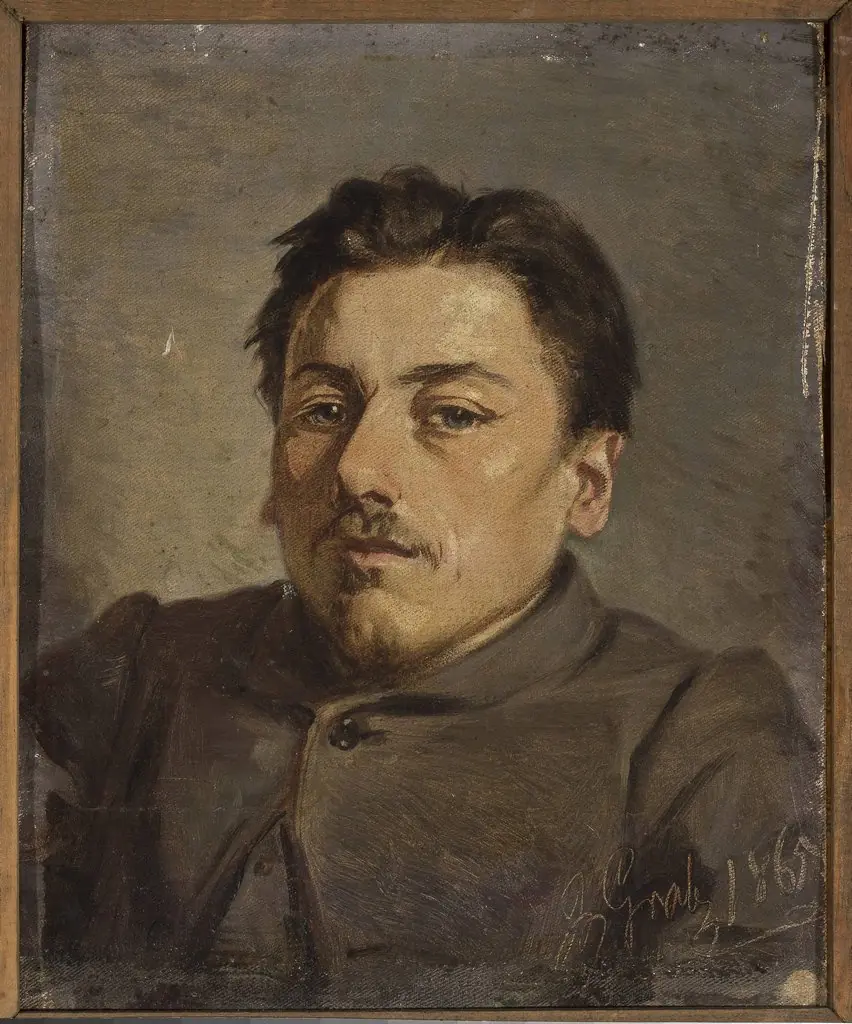
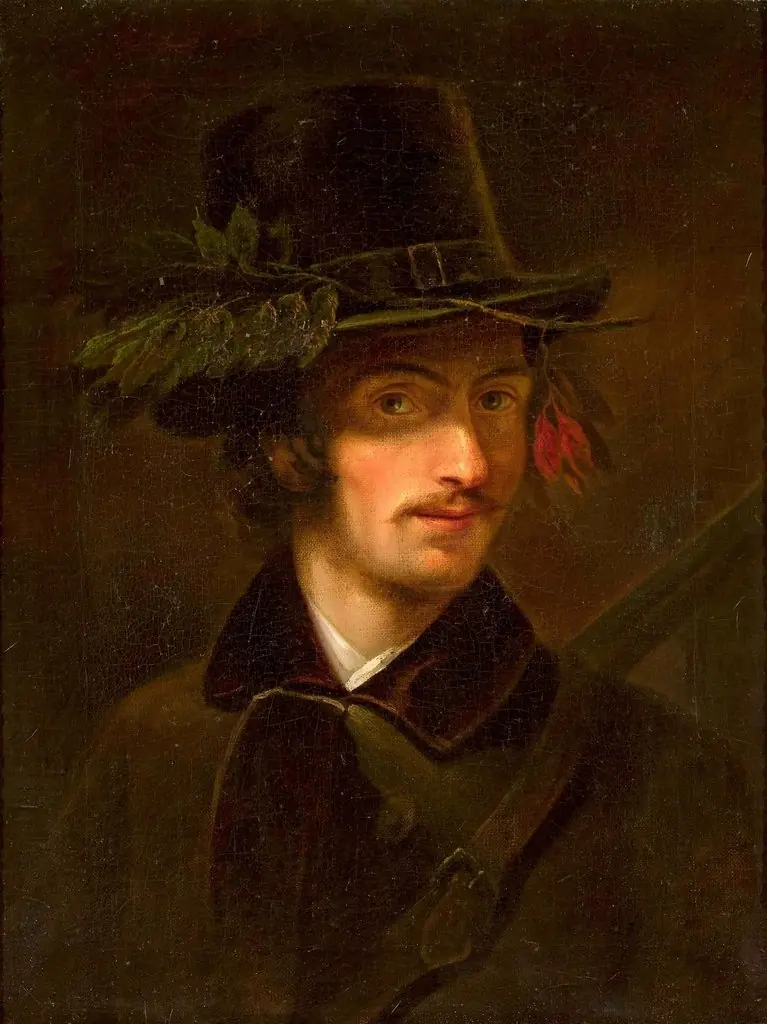
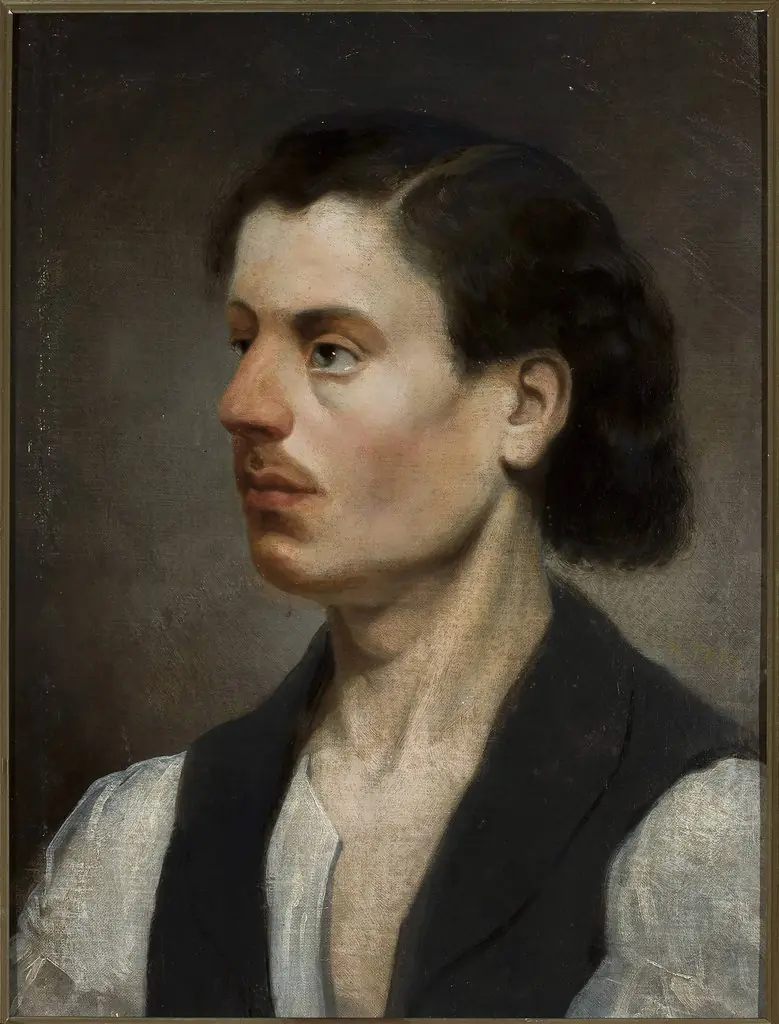
Bust of Michał Walczak-Gąsienica, Highlander is an oil painting by Andrzej Grabowski. It dates from 1865 and is held in the collection of the National Museum in Warsaw.
About this work
Overview
The work is part of the National Museum in Warsaw’s collection and reflects a 19th-century interest in documenting regional identities through portraiture.
Painted in 1865 by Andrzej Grabowski, this oil portrait captures Michał Walczak-Gąsienica, a man identified as a Highlander from the Polish Carpathians. The work is part of the National Museum in Warsaw’s collection and reflects a 19th-century interest in documenting regional identities through portraiture. Its intimate scale and focused composition center the subject’s presence without narrative distraction.
Subject & Meaning
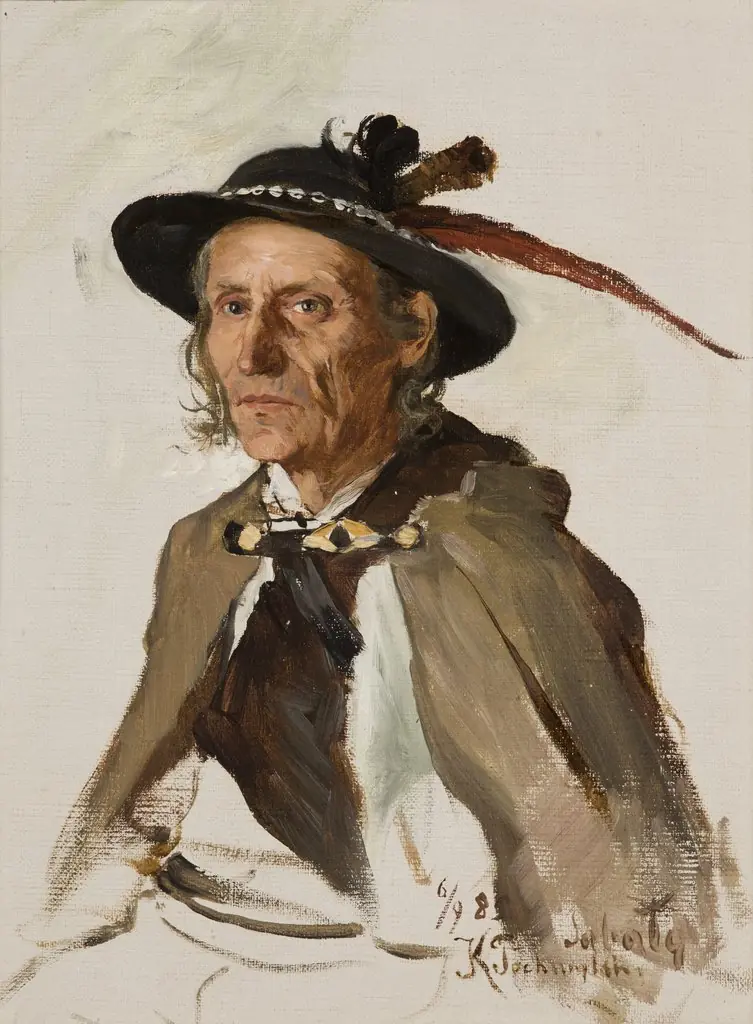
The sitter, dressed in traditional Highland attire, wears a brown hat decorated with white beads and a layered outfit of shirt and vest. His long, wavy hair and mustache align with regional customs of the time. The title explicitly ties him to a specific ethnic and geographic group, suggesting the portrait functions as a record of cultural identity rather than a purely personal likeness.
Technique & Style
Grabowski employed oil paint to model the subject’s features with subtle gradations of light and shadow. The dark, muted background enhances the three-dimensionality of the figure, drawing attention to the texture of fabric, hair, and skin. The lighting suggests an awareness of chiaroscuro, though applied with restraint, avoiding theatricality in favor of quiet realism.
History & Provenance
The painting was completed in 1865 and entered the collection of the National Museum in Warsaw, where it remains today. Its acquisition likely coincided with a broader national effort to preserve and represent regional cultures during a period of political fragmentation. No earlier ownership records are publicly documented, indicating it may have been acquired directly from the artist.
Context
In mid-19th-century Poland, artists increasingly turned to ethnographic subjects as a means of asserting cultural continuity amid foreign partitions. Portraits like this one contributed to a visual archive of folk types, often commissioned or promoted by institutions seeking to define a unified national identity through regional diversity.
Legacy
The portrait stands as a modest but deliberate contribution to the documentation of Highland culture in Polish art. While not widely exhibited outside national collections, it remains a reference point for studies on regional identity and the role of portraiture in ethnographic representation during the Romantic era.
Artist & collection