Artwork
A Dancing Young Woman as Terpsichore
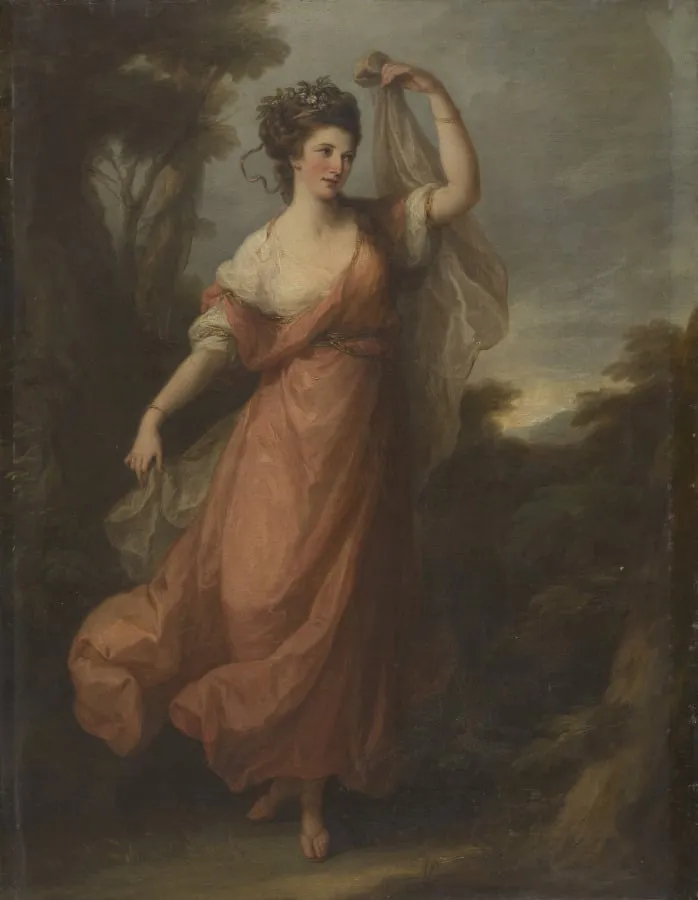
A Dancing Young Woman as Terpsichore is an unspecified painting by the Rococo painting artist Angelica Kauffmann. It dates from 1780 and is held in the collection of the Cleveland Museum of Art. The canvas presents a youthful female figure poised in a white, draped garment, caught in the act of dancing while clutching a lyre.
About this work
Kauffmann painted it when ancient Roman art was being dug up, and everyone wanted that classical look.
You see a young woman in a flowing white dress, mid-dance, holding a lyre. She’s surrounded by soft, warm light, with a simple landscape behind her.
This painting shows Terpsichore, the Greek muse of dance. Kauffmann painted it when ancient Roman art was being dug up, and everyone wanted that classical look. She was one of the few women artists at the time who got respect in a field mostly run by men.
If you like this, check out other works by Angelica Kauffmann (Swiss, 1741–1807).
Overview
The canvas presents a youthful female figure poised in a white, draped garment, caught in the act of dancing while clutching a lyre. A gentle, warm illumination envelops her, and a modest landscape recedes in the background, emphasizing the movement and musical element of the scene.
Subject & Meaning
The subject is Terpsichore, the Greek muse associated with dance and lyrical poetry. By depicting her with a lyre, the artist underscores the inseparable link between music and movement, inviting viewers to contemplate the harmonious inspiration that the muses provided to ancient art and performance.
Technique & Style
Executed in the neoclassical idiom, the work employs a restrained palette and clear, linear contours that echo the aesthetic of recently uncovered Roman wall paintings. The soft modeling of light and the smooth rendering of the drapery reflect the artist's academic training and her attention to classical ideals of beauty and proportion.
History & Provenance
Created during the late eighteenth century, the painting emerged at a time when excavations at Herculaneum and Pompeii were reshaping European tastes toward antiquity. It was produced by Angelica Kauffmann, a Swiss‑born painter who achieved considerable recognition in a field dominated by male artists, and it has remained in private collections since its early exhibition.
Context
The work belongs to a period when neoclassicism dominated artistic production, driven by archaeological discoveries that supplied fresh visual vocabulary. Kauffmann’s choice of a mythological muse aligns with contemporary interests in classical themes, while also reflecting her own dual talents as a painter and a trained musician.
Artist & collection

Artist
Maria Anna Angelika Kauffmann, usually known in English as Angelica Kauffman, was a Swiss painter who had a successful career in London and Rome.

 Telemachus and the Nymphs of Calypso
 Edward Smith Stanley (1752–1834), Twelfth Earl of Derby, with His First Wife (Lady Elizabeth Hamilton, 1753–1797) and Their Son (Edward Smith Stanley, 1775–1851)
 The Sorrow of Telemachus
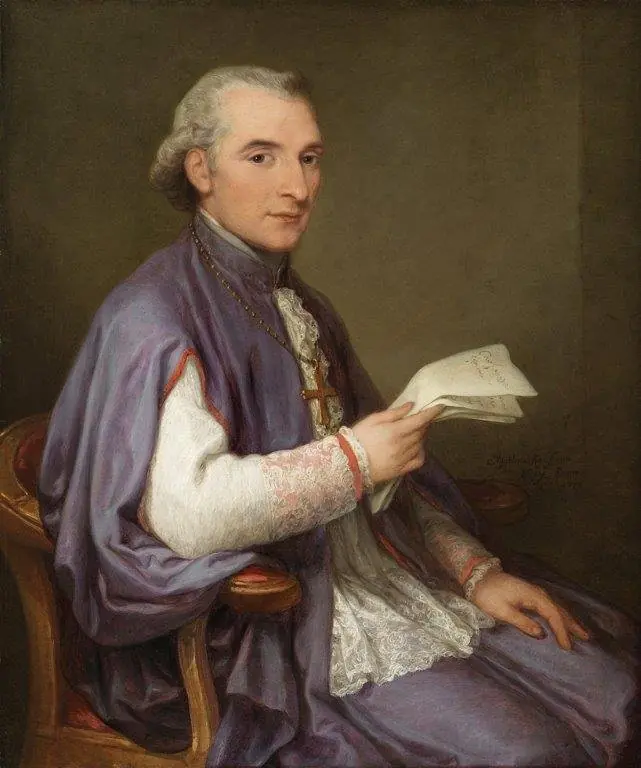 Monsignor Giuseppe Spina (1756–1828)
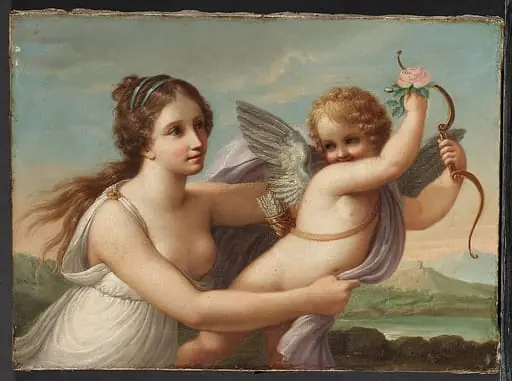 The Victory of Eros
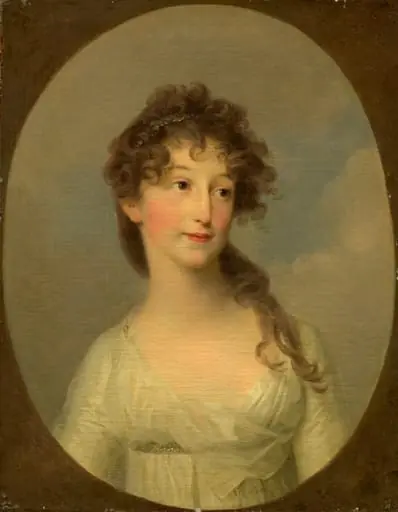 Possibly Franciska Krasinska, Duchess of Courland
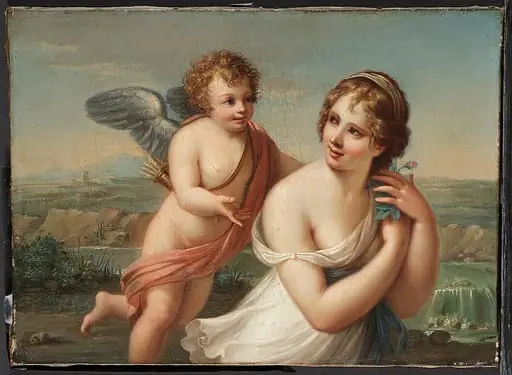 The Temptation of Eros
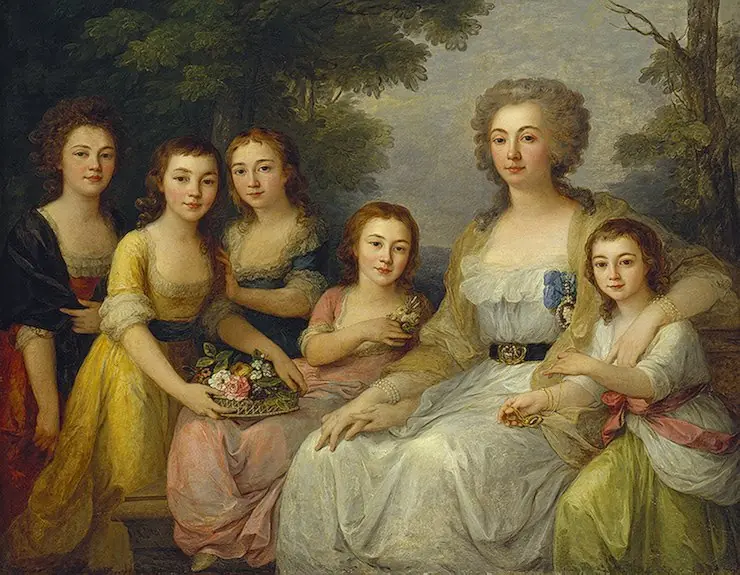 Portrait of Countess A.S. Protasova with her Nieces
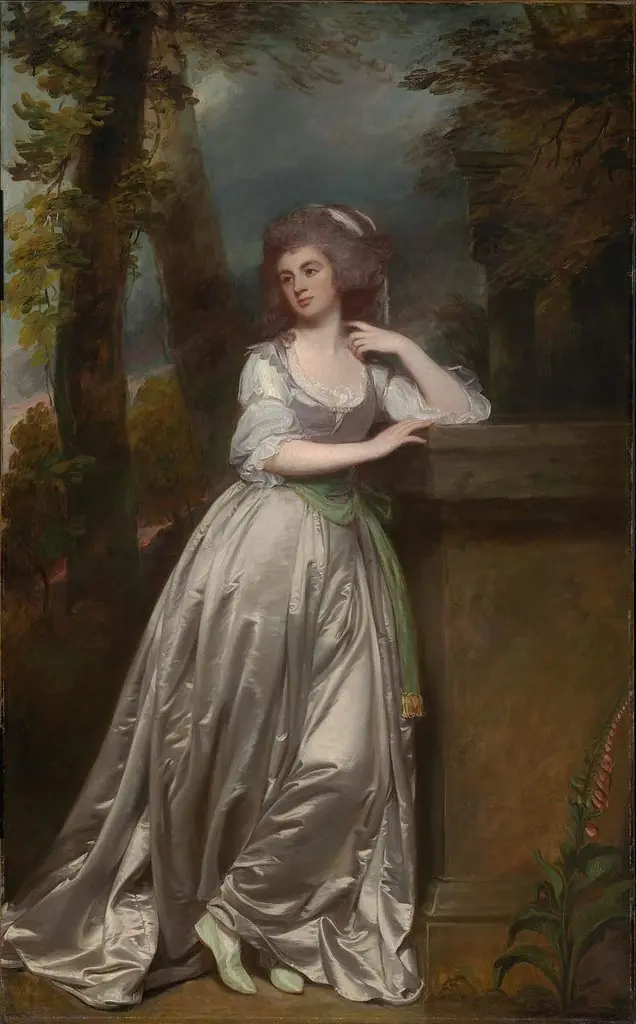 Anne, Lady de la Pole
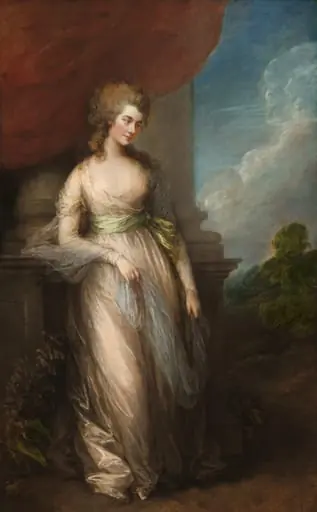 Georgiana, Duchess of Devonshire
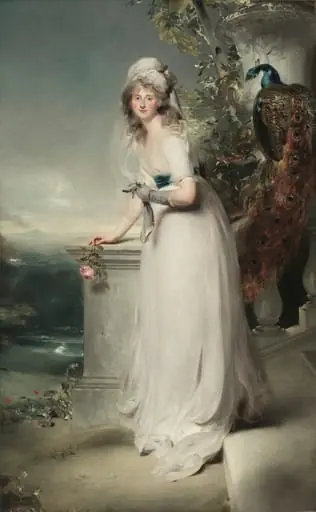 Portrait of Catherine Grey, Lady Manners
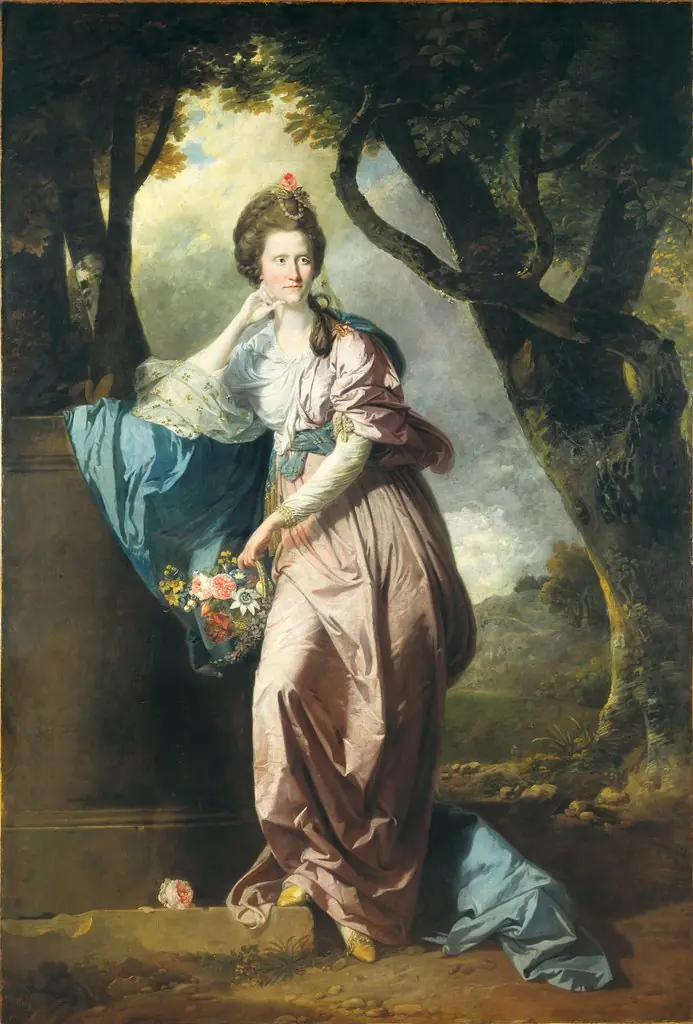 Mrs Woodhull
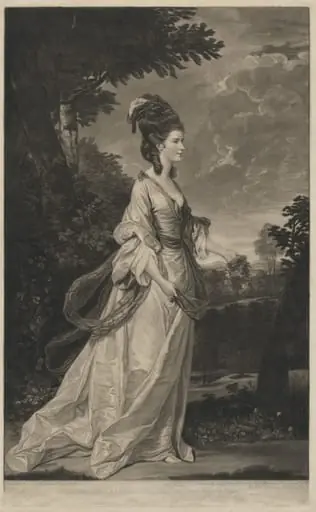 Jane (Fleming), Countess of Harrington
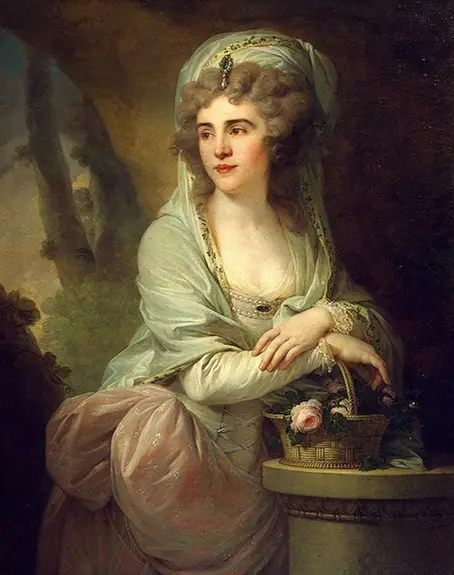 Portrait of Yekaterina Samoilova
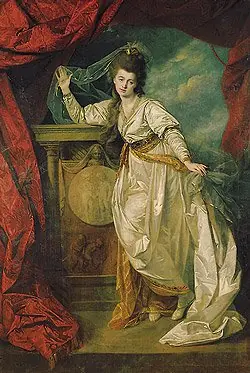 Elizabeth Farren as Hermione in The Winter's Tale
 Sophie Guillemette, Grand Duchess of Baden (1801-1865)
 Portrait of a Woman
 Portrait of Mrs. Crouch
 Retrato de Miss Philadelphia Rowley
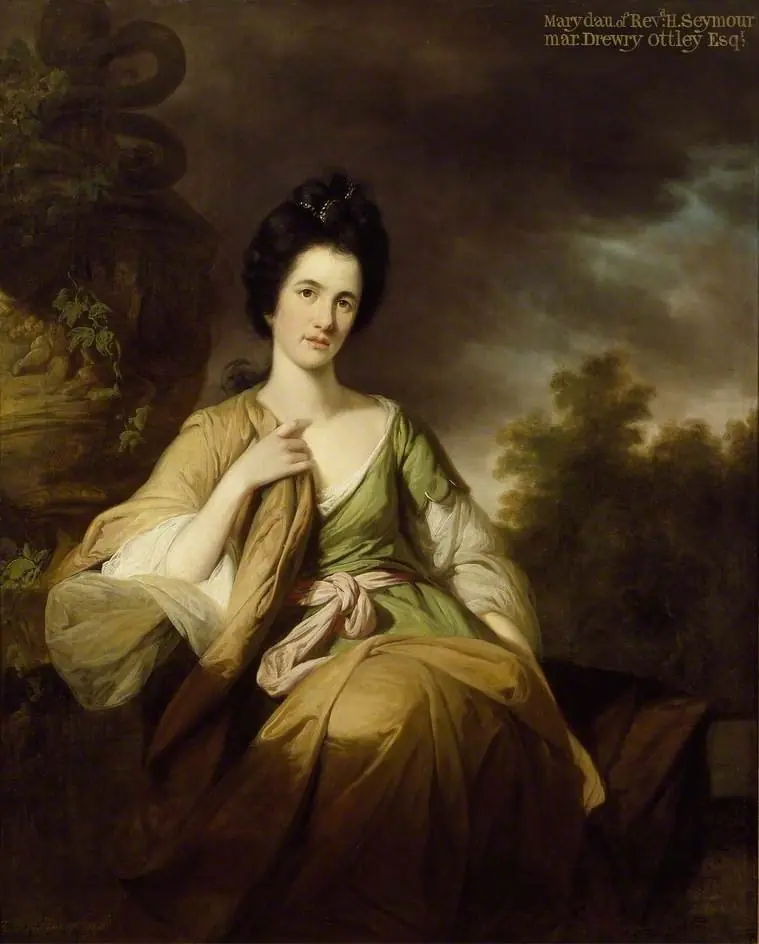 Mrs Drewry Ottley