Artwork
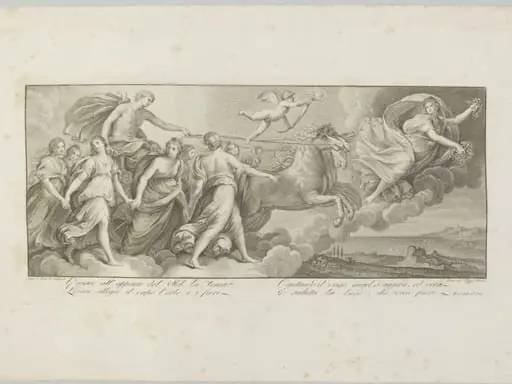
Carro di Cerere (Chariot of Ceres)
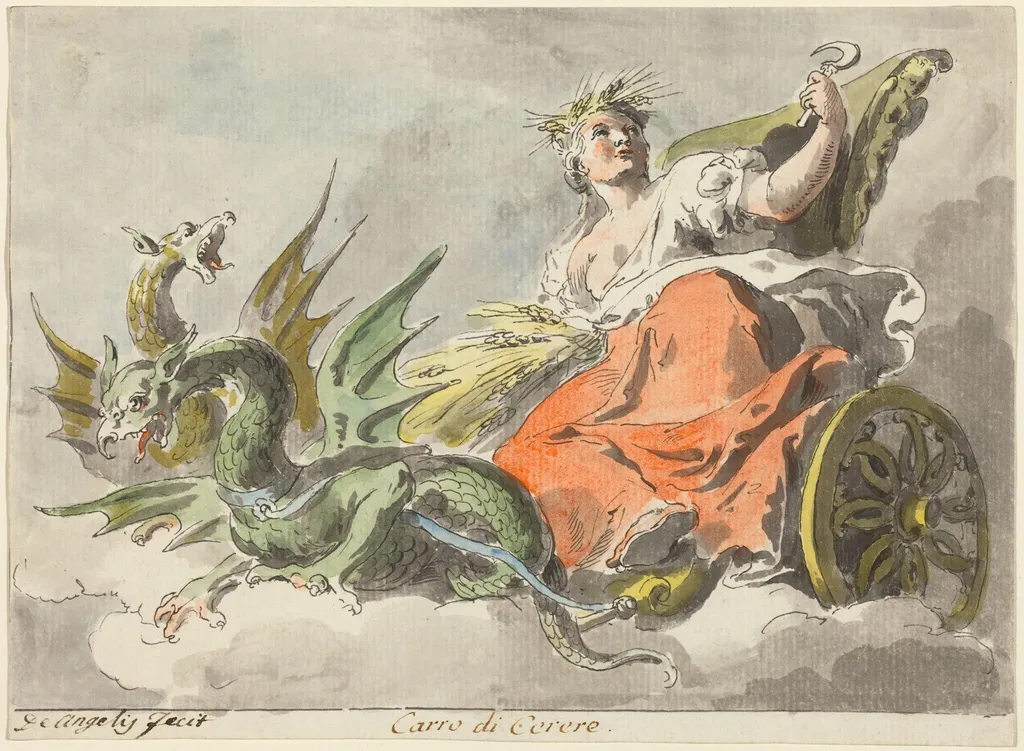
Carro di Cerere (Chariot of Ceres) is an ink drawing by the Baroque artist Pietro de Angelis. It dates from 1765 and is held in the collection of the National Gallery of Art.
About this work
Overview
Carro di Cerere, executed in 1765, is a drawing on laid paper by the Italian artist Pietro de Angelis. Rendered with pen and black ink, enhanced by gray wash and watercolor, the work depicts a mythological scene in a compact, intimate format. Its delicate tonal range and precise line work exemplify de Angelis’s approach to narrative drawing during the mid‑eighteenth century.
Subject & Meaning
The composition centers on the Roman goddess Ceres seated in an ornate chariot, drawn by a pair of lions. The choice of lions—traditionally symbols of strength—contrasts with the heavy, richly detailed cart, suggesting the effortless power of the divine harvest deity. The scene reflects the period’s fascination with classical mythology as an allegory for abundance and natural order.
Technique & Style
De Angelis combines fine pen work with a subtle gray wash and watercolor accents, creating a soft, luminous surface that hints at atmospheric depth. The ink outlines define the figures and cart, while the watercolor adds a gentle glow to the lions’ fur and the surrounding space. The use of laid paper contributes a textured background that enhances the drawing’s tactile quality.
Context
Pietro de Angelis frequently explored mythological subjects, employing a mixed media approach that blended ink precision with watercolor’s fluidity. This drawing aligns with the broader eighteenth‑century Italian tradition of academic drawing, where artists used preparatory sketches to study composition, anatomy, and narrative before undertaking larger oil paintings or frescoes.
Artist & collection


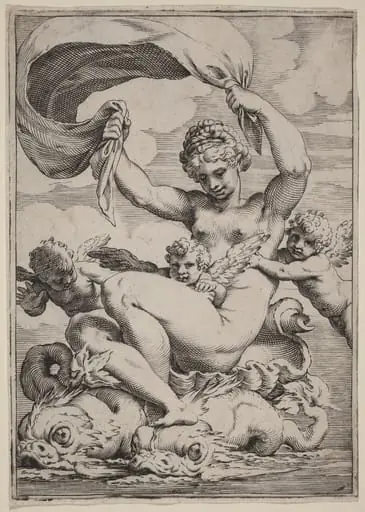 Venus or Galatea Supported by Dolphins
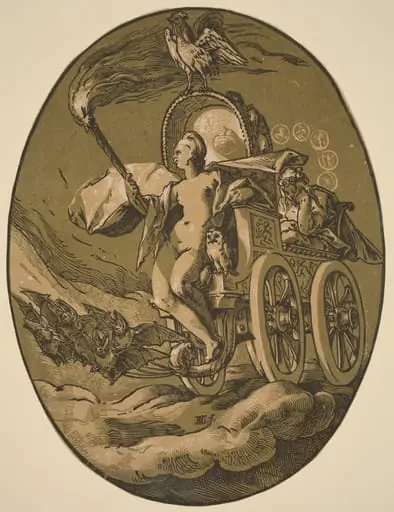 Nox
Nox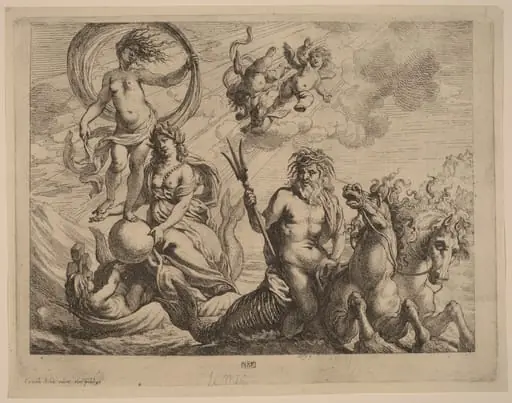 Neptune with Two Horses on the Sea
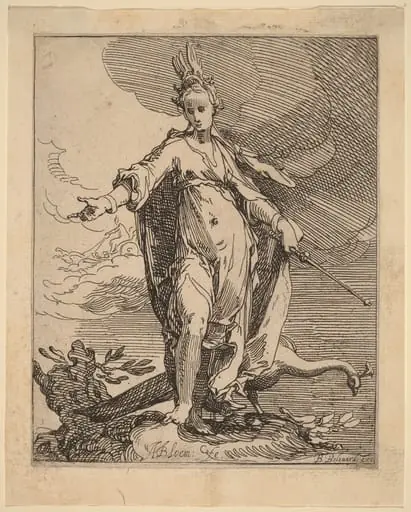 Juno
Juno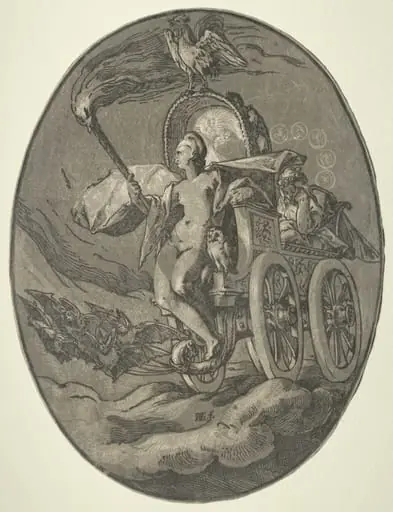 Seven Deities: Nox (Night)
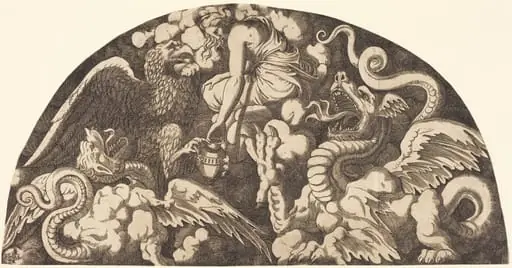 Jupiter Bringing Water of the Styx to Psyche
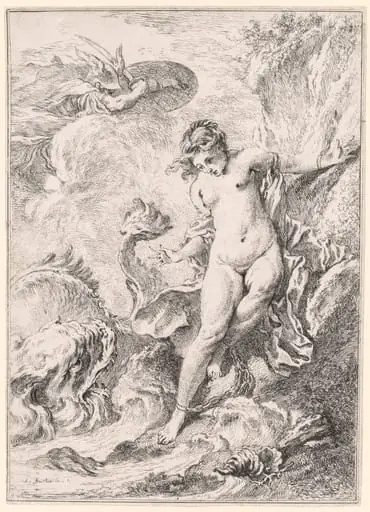 Andromeda (Andromède)
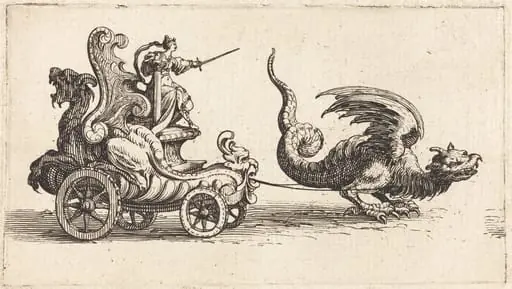 Entry of Monseigneur Henry de Lorraine, Marquis de Moy, under the Name of Pirandre
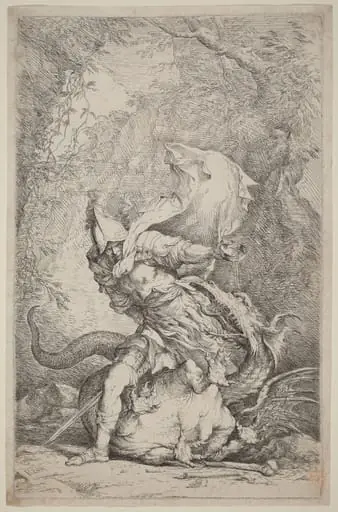 Jason and the Dragon
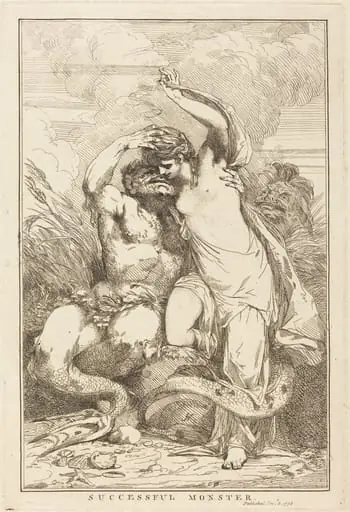 Successful Monster
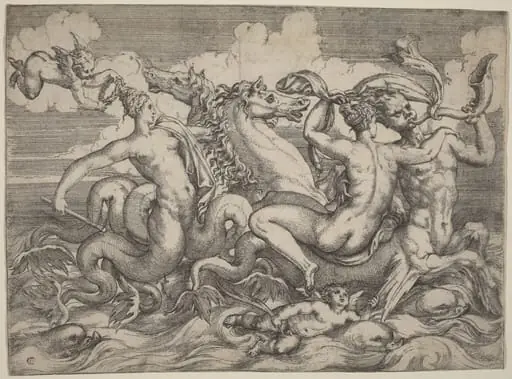 Sirens, Naiads, and Tritons
 The Chariot of Aurora