Artwork
Entry of Monseigneur Henry de Lorraine, Marquis de Moy, under the Name of Pirandre
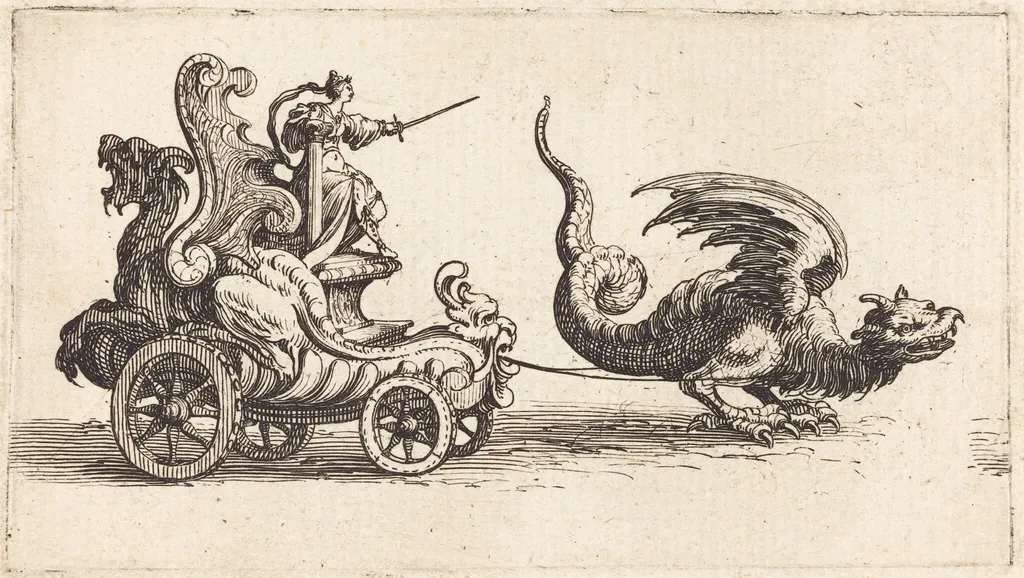
Entry of Monseigneur Henry de Lorraine, Marquis de Moy, under the Name of Pirandre is an ink print by the Baroque artist Jacques Callot. It dates from 1627 and is held in the collection of the National Gallery of Art.
About this work
Overview
Created in 1627 by Jacques Callot, a French Baroque printmaker from Lorraine, this work is an etching that forms the fifth of a six‑part series. The plates were cut and printed separately, each capturing a segment of a larger procession scene. The image records a formal entry, likely a historical or staged event, rendered in Callot’s characteristic attention to detail.
Subject & Meaning
The setting appears to be a city gate, suggesting a formal arrival or triumphal entry, possibly linked to the Marquis de Moy’s visit under the name Pirandre.
The composition shows a densely populated street scene dominated by a ceremonial procession. At the forefront, a mounted figure in armor leads the group, followed by pedestrians and carriage‑borne participants, all dressed in elaborate attire. The setting appears to be a city gate, suggesting a formal arrival or triumphal entry, possibly linked to the Marquis de Moy’s visit under the name Pirandre.
Technique & Style
Callot employed etching on copper, dividing the overall image into six interlocking plates to manage the work’s size and complexity. His fine line work conveys intricate textures of clothing, armor, and architecture, while the fragmented printing method allows for a panoramic view without loss of detail. The style reflects Baroque interests in movement, drama, and precise observation.
History & Provenance
The series was produced in the early seventeenth century, a period when Callot documented contemporary courtly and military spectacles. The plates were likely assembled by the artist for a specific patron or public display. Surviving examples are held in museum collections, catalogued as part 5 of the six‑plate set, indicating the work’s preservation as a cohesive narrative sequence.
Context
Callot’s output of over 1,400 prints includes extensive visual records of early‑modern European life. This etching belongs to his broader interest in portraying public ceremonies and the social hierarchy of his time, aligning with the Baroque fascination with spectacle and the political significance of noble entries.
Artist & collection

Artist
Jacques Callot was a baroque printmaker and draftsman from the Duchy of Lorraine.

 Holy Family at supper
 Restoration of the Aqueduct at Pisa
 Restoration of the Aqueduct at Pisa
 Square in Paris with Many Figures
 Square in Paris with Many Figures
 Horsemen Attacked by Robbers
 HOW WILL A COVERED PART BE CORRECTED?HOW WIKA A COVERED HEART DEED CORRECTED?
![Christ Walking on the Water [second plate], by Jacques Callot](https://artifactworldgallery.com/img/jacques-callot--christ-walking-on-the-water-second-plate--2069f3bfe4cb2126-w320.webp) Christ Walking on the Water [second plate]
Christ Walking on the Water [second plate]
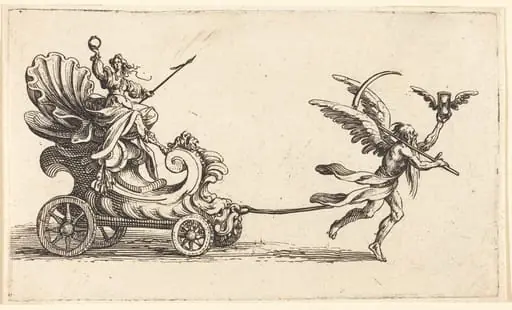 Entry of Monseigneur Henry de Lorraine, Marquis de Moy, under the Name of Pirandre
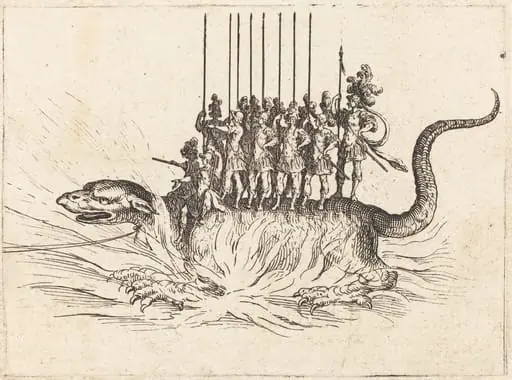 Entry of Monseigneur Henry de Lorraine, Marquis de Moy, under the Name of Pirandre
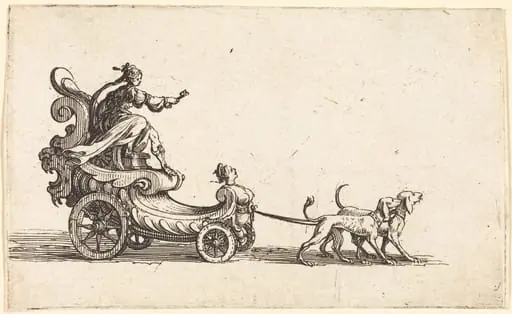 Entry of Monseigneur Henry de Lorraine, Marquis de Moy, under the Name of Pirandre
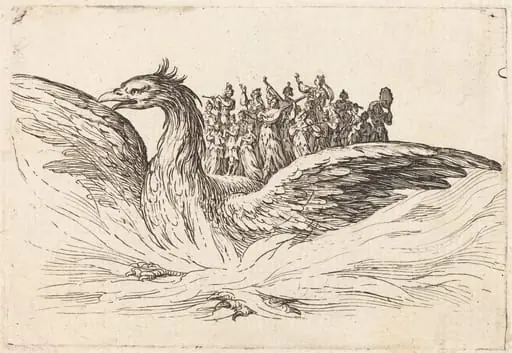 Entry of Monseigneur Henry de Lorraine, Marquis de Moy, under the Name of Pirandre
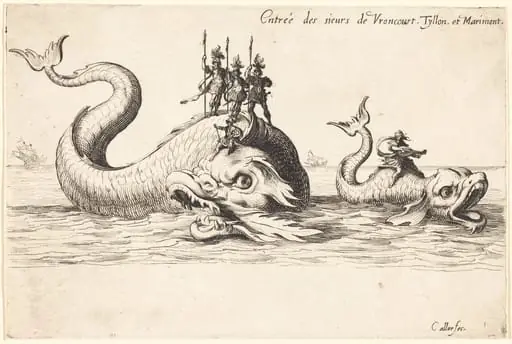 Entry of Mm. de Vroncourt, Tyllon, and Marimont
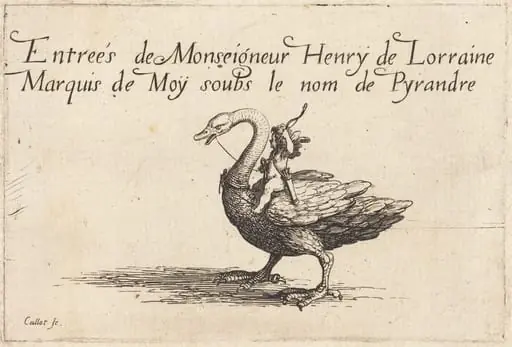 Entry of Monseigneur Henry de Lorraine, Marquis de Moy, under the Name of Pirandre