Artwork
Wenceslaus I, Duke of Bohemia
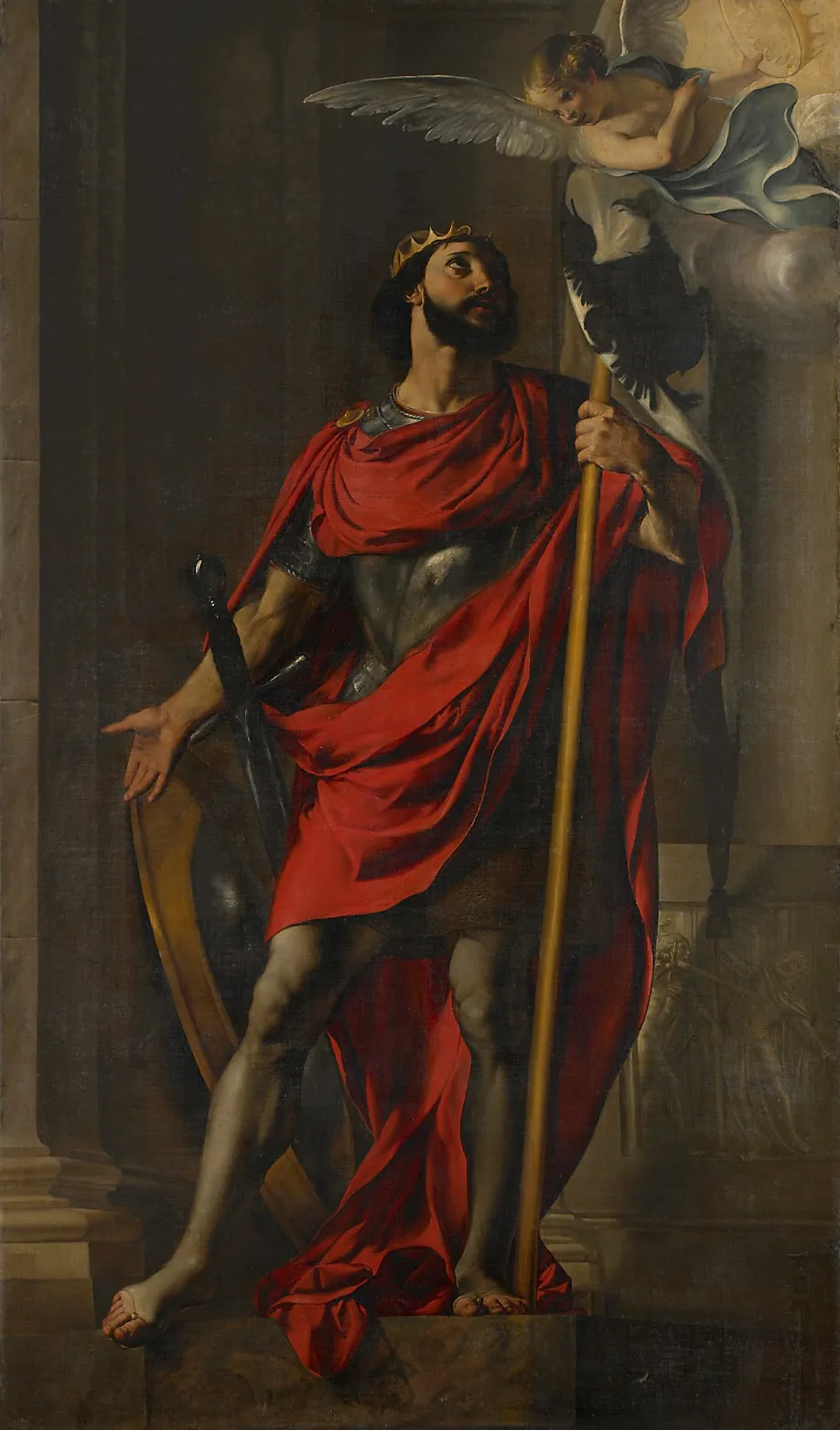
Wenceslaus I, Duke of Bohemia is an oil painting by the Early Baroque Italian artist Angelo Caroselli. It dates from 1628 and is held in the collection of the Kunsthistorisches Museum.
About this work
Overview
Wenceslaus I, Duke of Bohemia is a 1628 oil painting by Angelo Caroselli, an Italian Baroque artist based in Rome. It exemplifies the early Italian Baroque style within the religious genre.
Subject & Meaning
The painting depicts Wenceslaus I, Duke of Bohemia, in regal attire, accompanied by a winged figure, possibly an angel, conveying guidance or divine sanction. The composition suggests a moment of private counsel or spiritual reinforcement.
Technique & Style
Caroselli employed chiaroscuro to achieve a three-dimensional effect, with strong contrasts between light and dark. The vibrant red cloak and golden armor against a dark background showcase his use of dramatic lighting, blending influences from Caravaggio’s intense illumination and the detailed realism of the Bamboccianti.
History & Provenance
Created in 1628, the painting reflects Caroselli’s eclectic approach, which spanned religious themes, allegories, portraits, and scenes of witchcraft. Specific provenance details are not provided.
Context
As part of the early Italian Baroque, the work contributes to a period marked by emotional intensity, dramatic lighting, and highly expressive subjects in religious art, appealing to the devout and the aristocracy alike.
Legacy
While specific lasting impacts of *Wenceslaus I, Duke of Bohemia* on subsequent art movements are not detailed, it represents a characteristic example of early Italian Baroque religious painting, influencing or reflecting contemporary artistic and religious sentiments.
Artist & collection
Artist
Angelo Caroselli or Carosèlli (11 February 1585 – 8 April 1652) was an Italian painter of the Baroque period, active mainly in his native Rome.

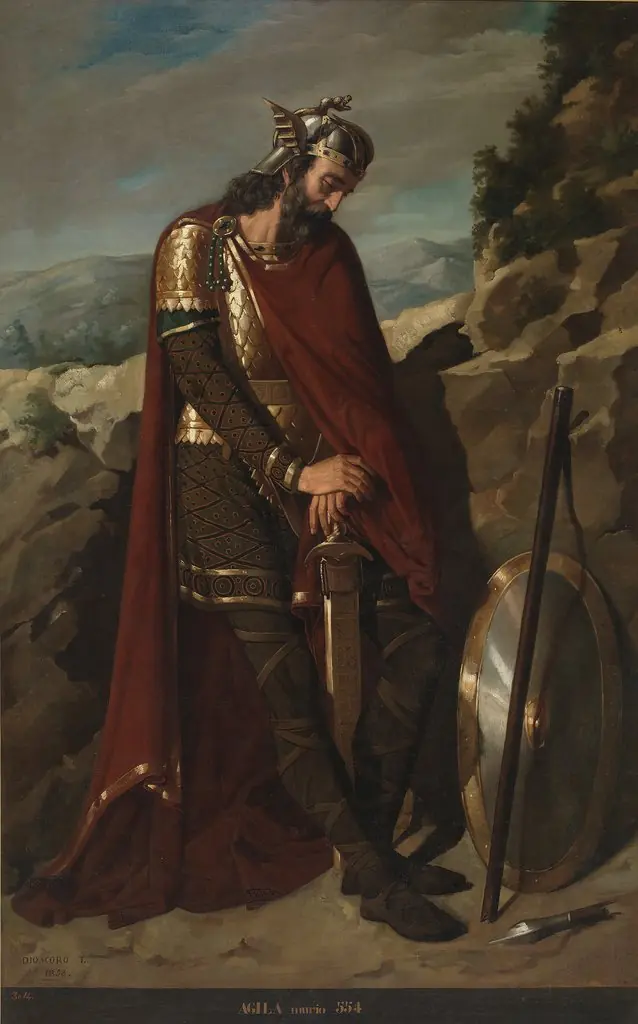 Agila I
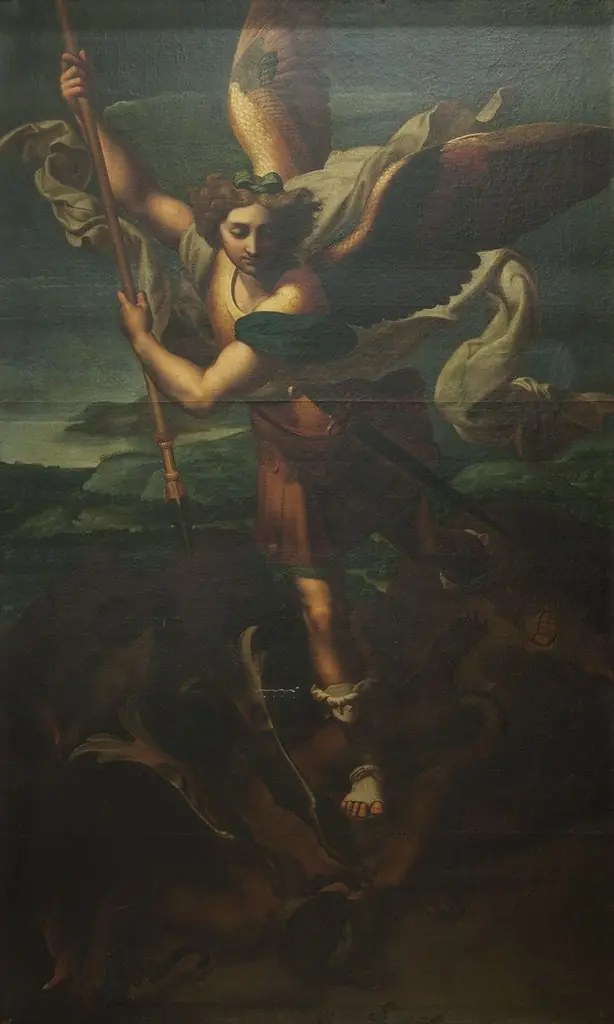 Der Erzengel Michael (Kopie nach)
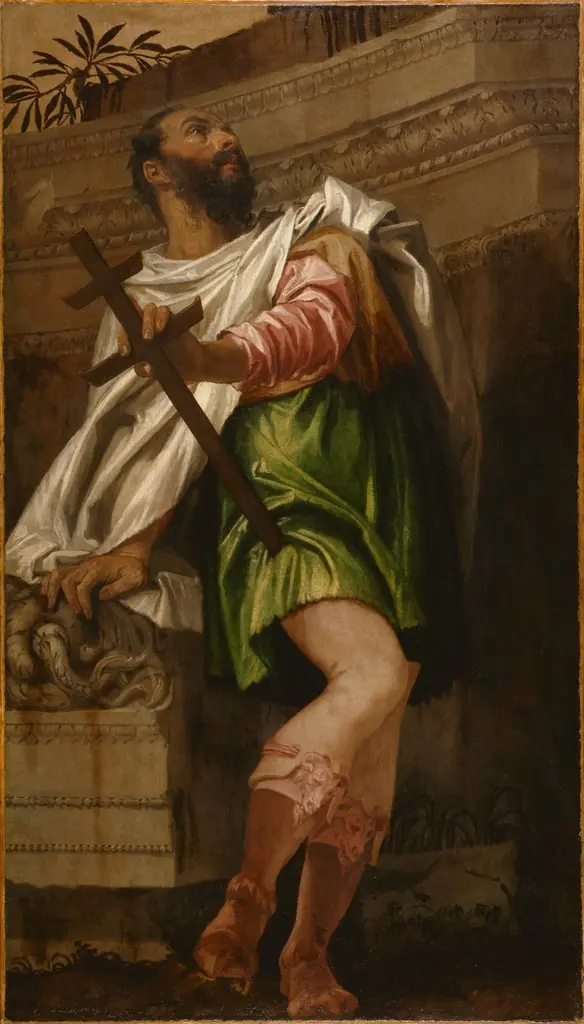 Allegory of Navigation with a Cross-Staff: Averroës
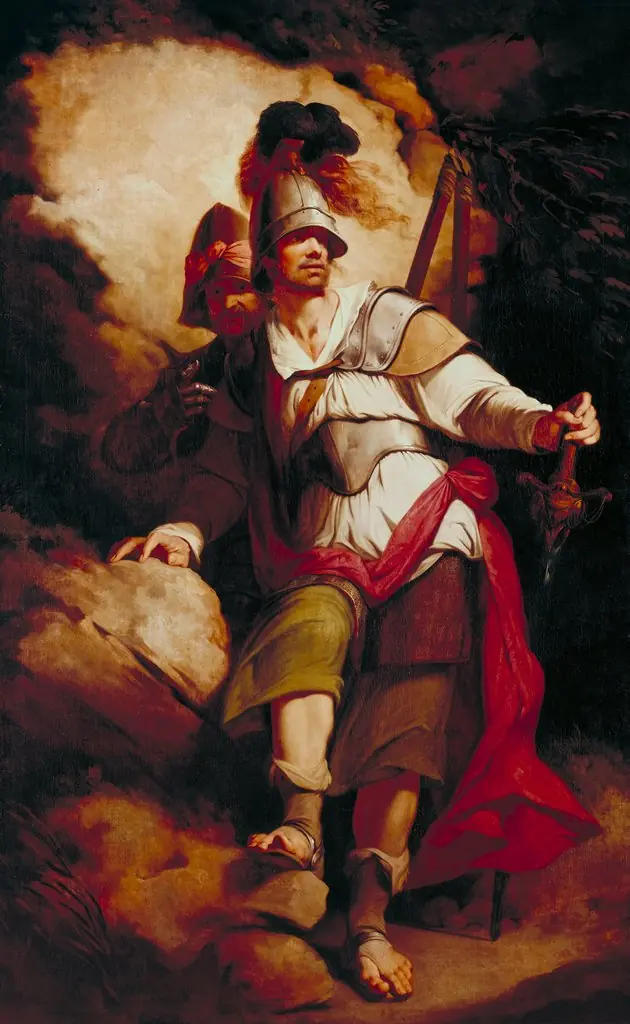 Sir Arthegal, the Knight of Justice, with Talus, the Iron Man (from Spenser's `Faerie Queene')
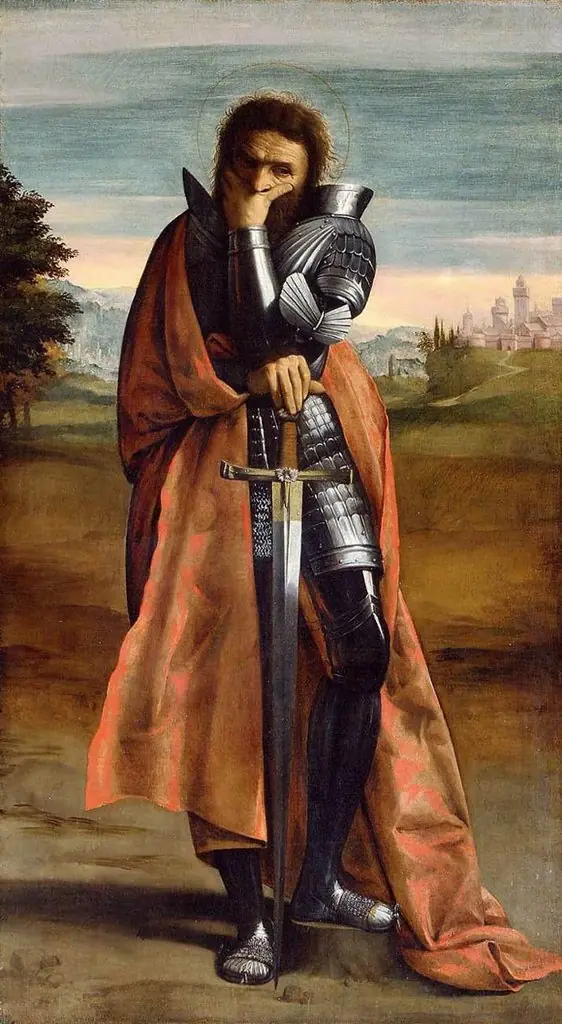 Saint Demetrius
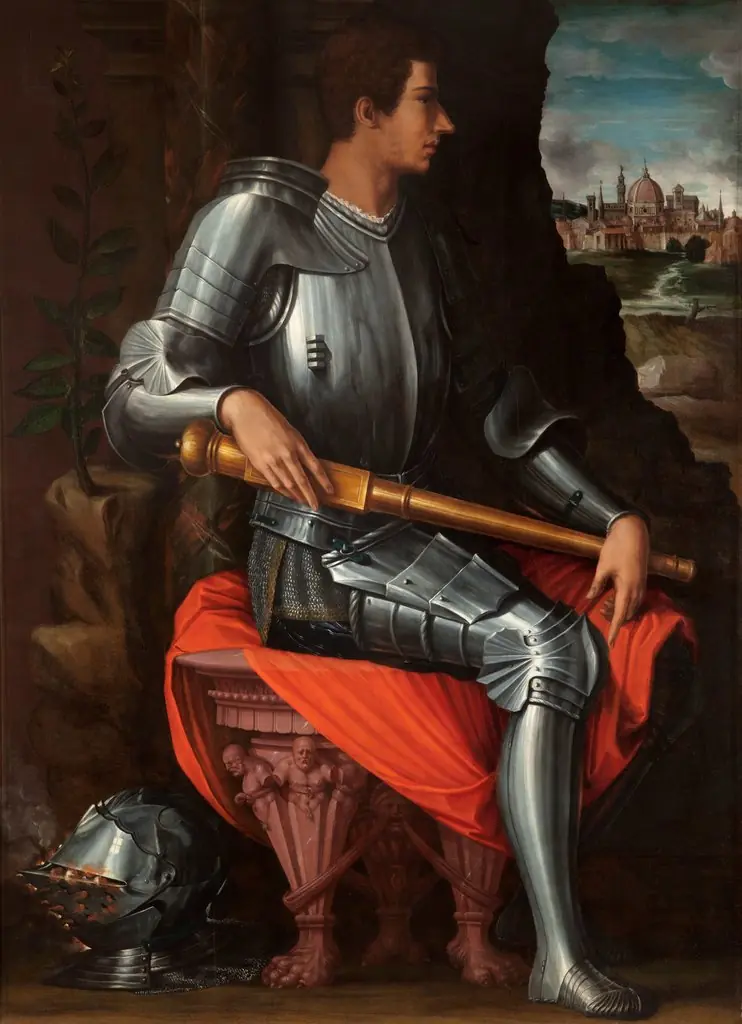 Portrait of Alessandro de' Medici
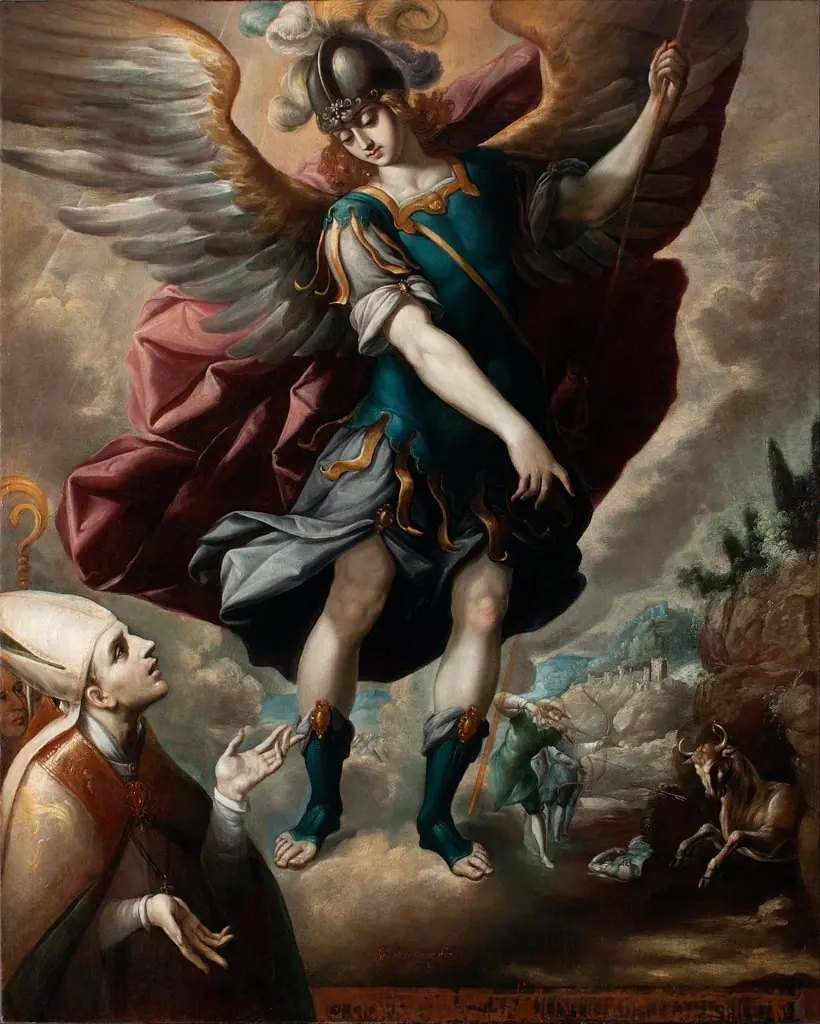 Saint Michael and the Bull
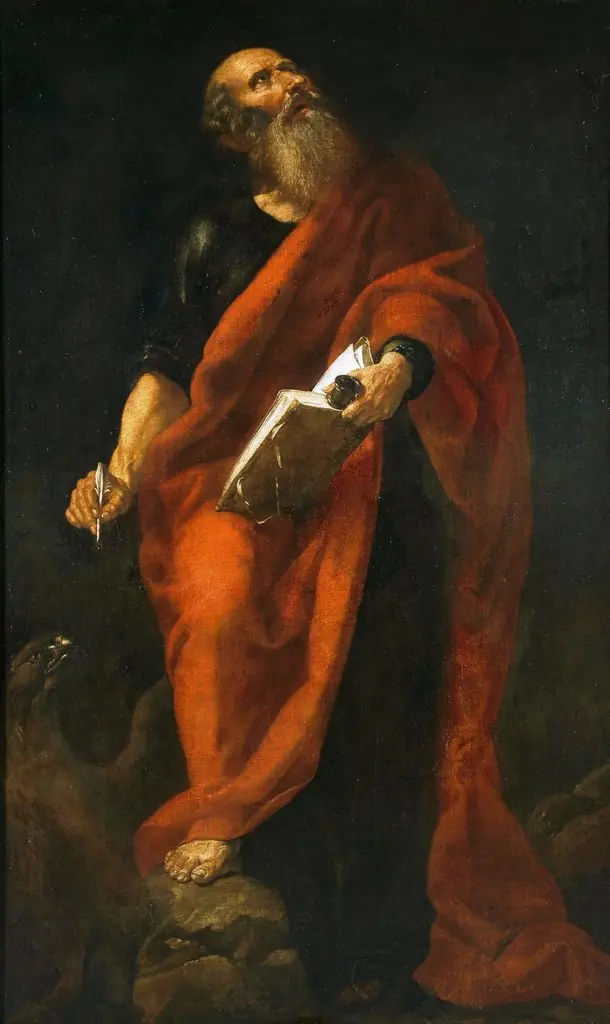 Saint John the Evangelist
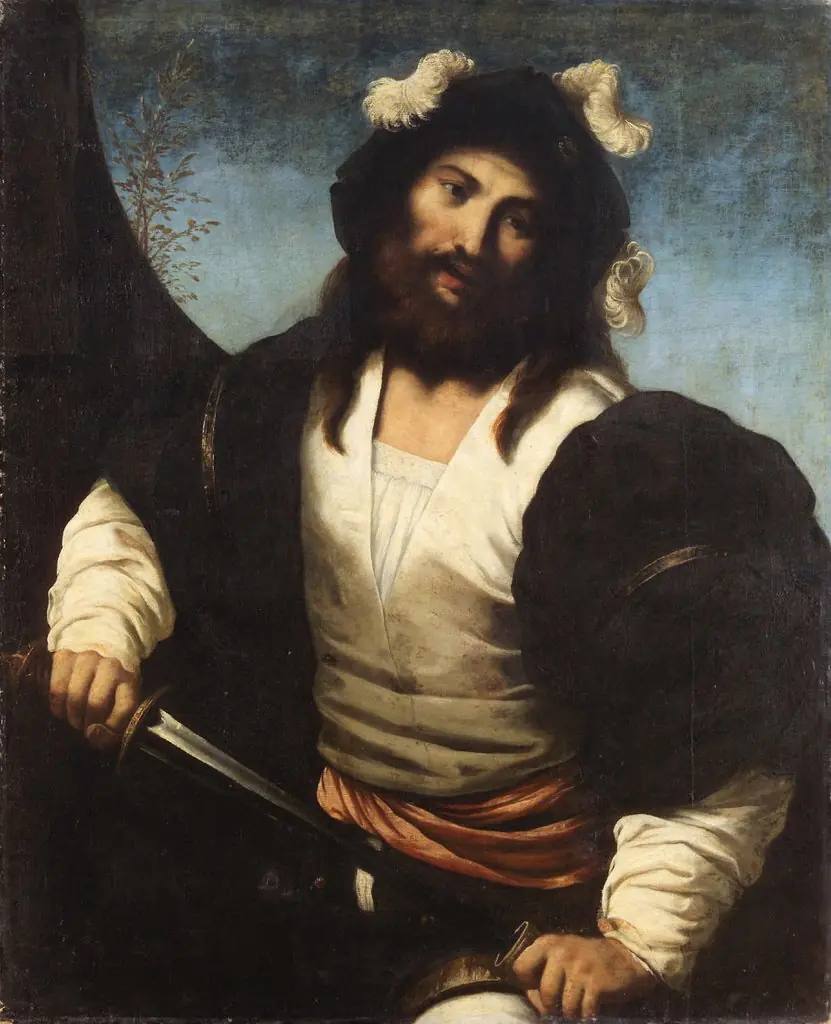 Warrior
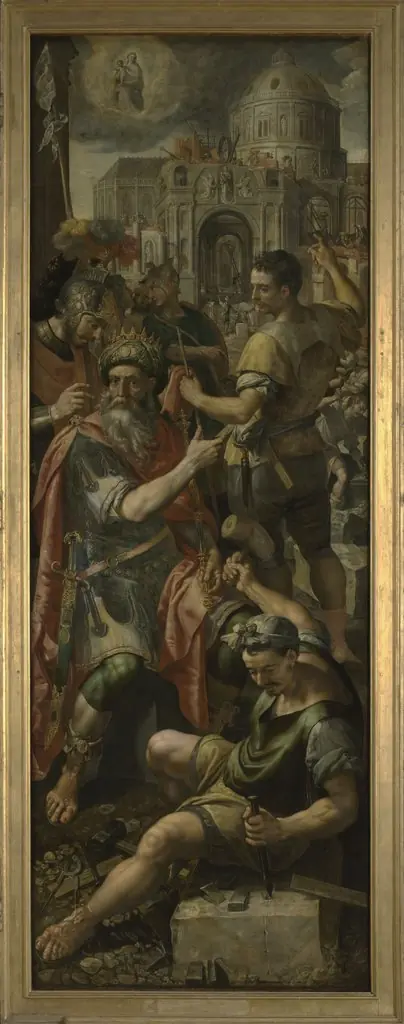 The Emperor Constantine erecting a church dedicated to Saint George
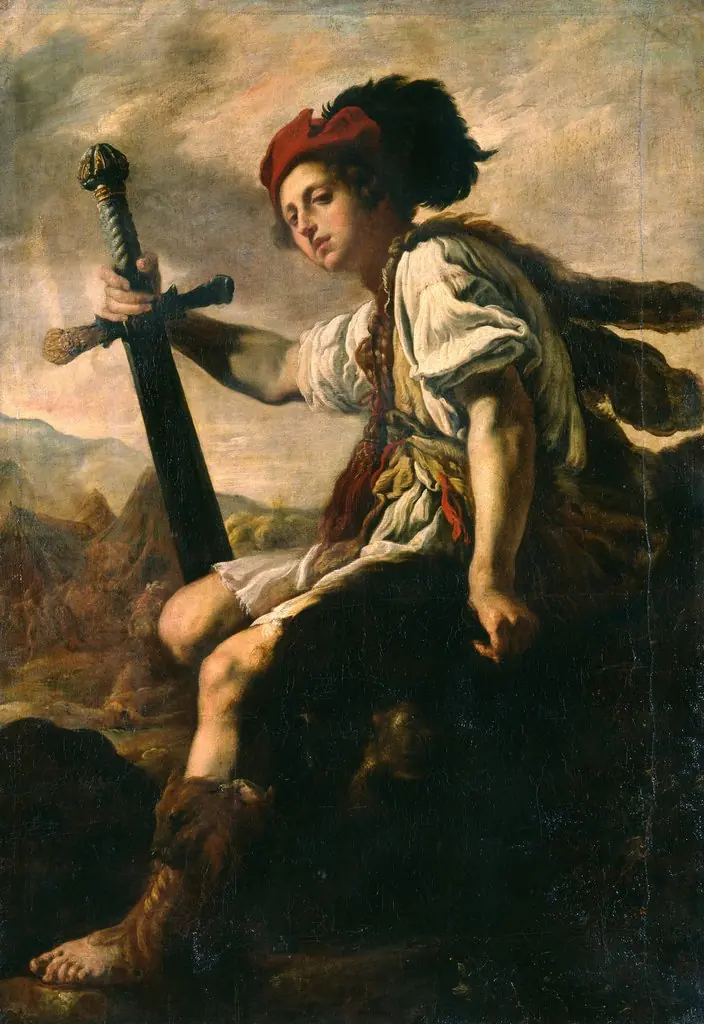 David with the Head of Goliath
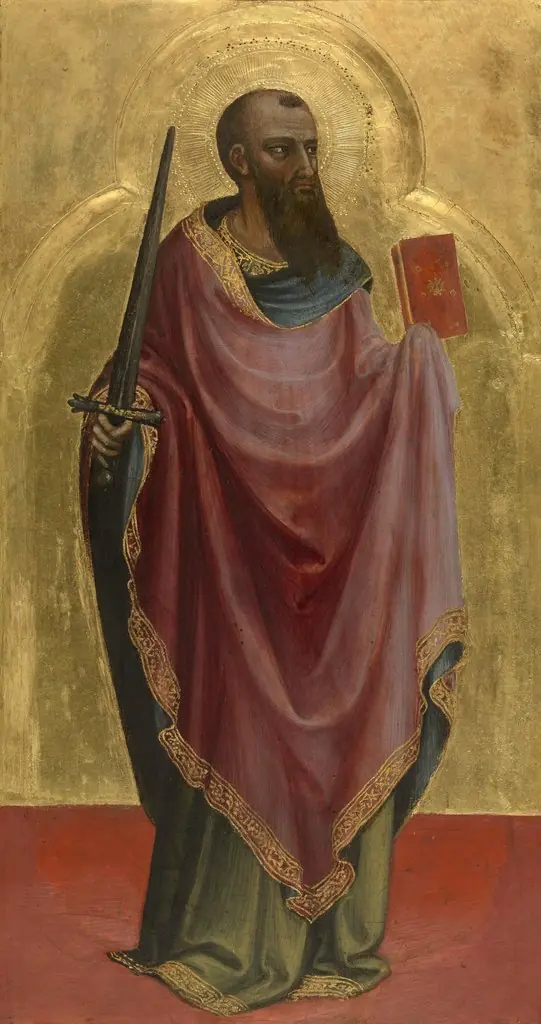 Saint Paul