Artwork
The Concert
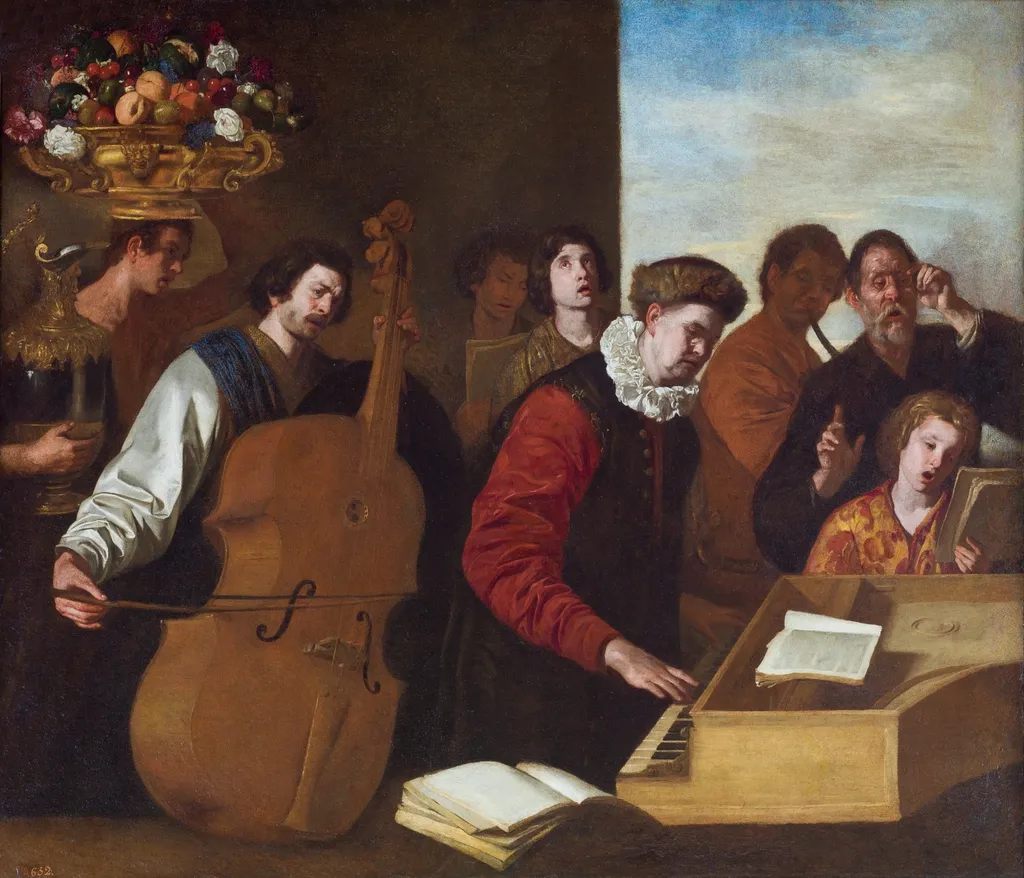
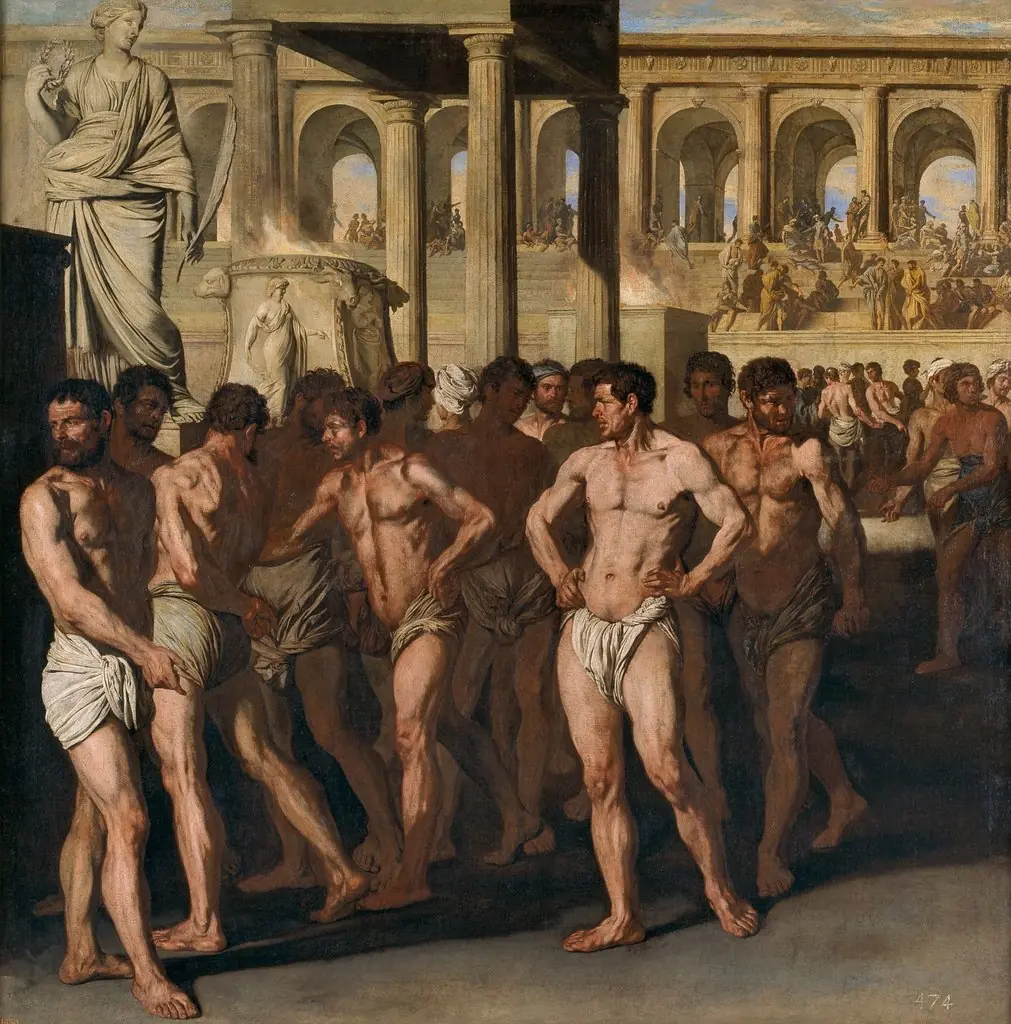
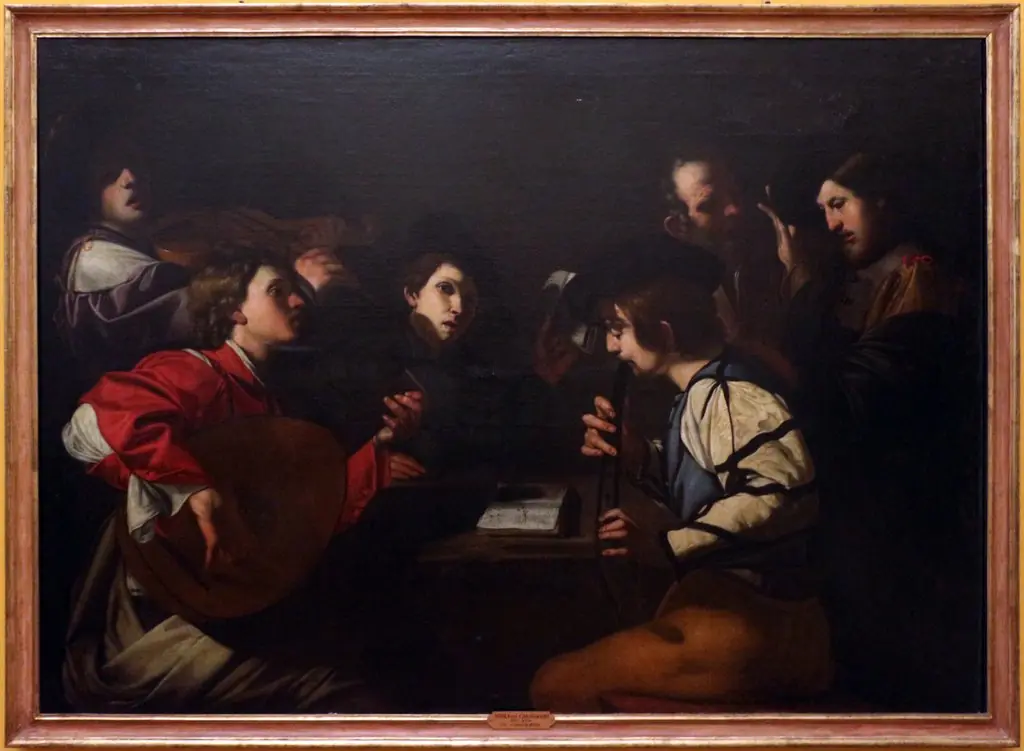
The Concert is an oil painting by the Early Baroque Italian artist Aniello Falcone. It dates from 1640 and is held in the collection of the Museo del Prado.
About this work
Overview
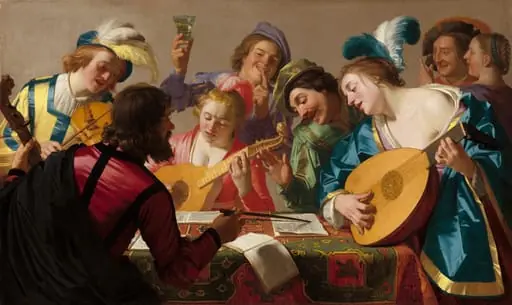
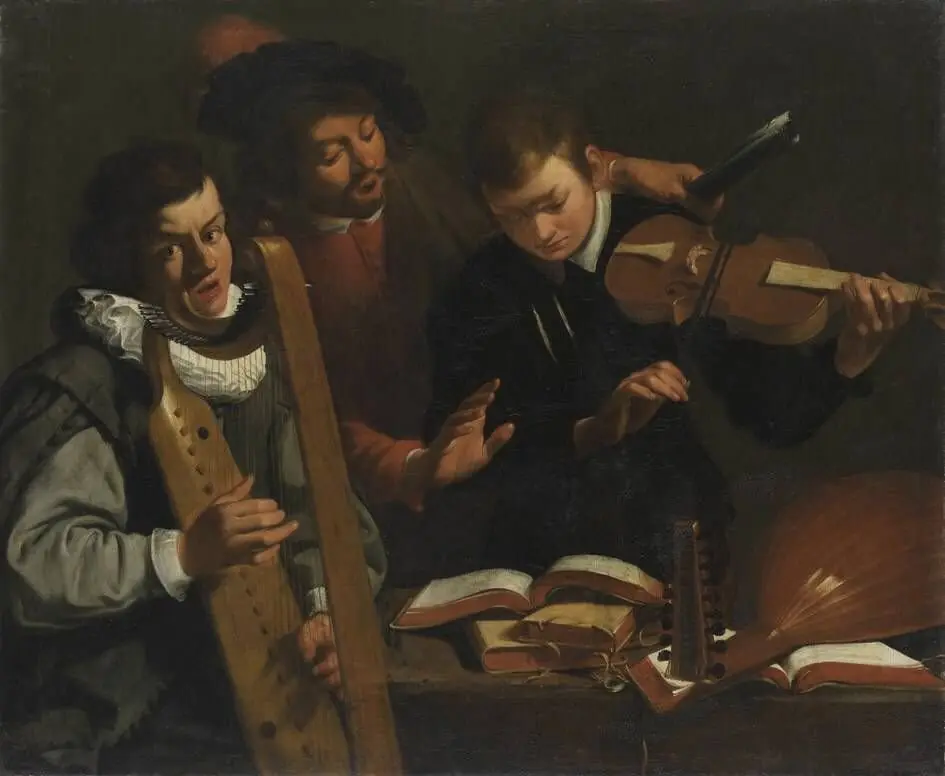
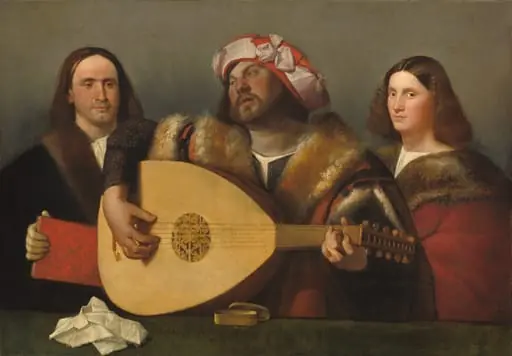
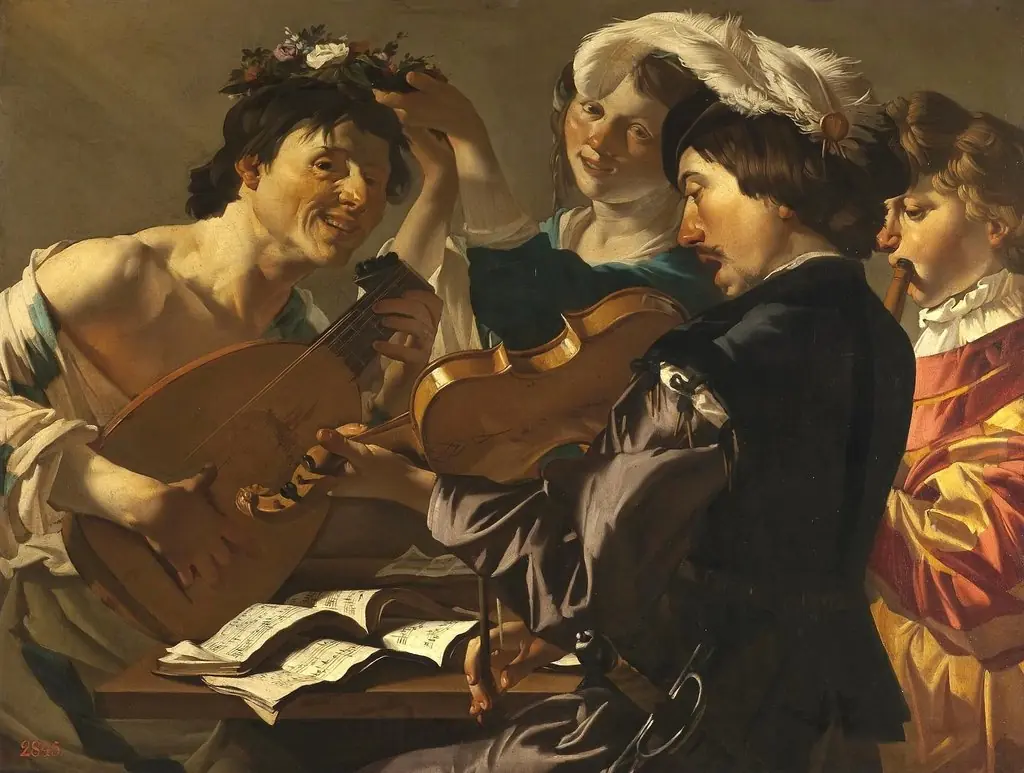
Created circa 1640 by the Neapolitan painter Aniello Falcone, *The Concert* is an oil on canvas that captures a small gathering of musicians and listeners. The composition centers on a harpsichordist, flanked by a cellist and a figure balancing a fruit bowl on his head, all illuminated by a soft daylight streaming from a distant window.
Subject & Meaning
The work portrays a convivial musical session, emphasizing shared enjoyment and communal harmony. Participants appear engaged in both performance and listening, some singing while others play, suggesting a celebration of music’s social function within an intimate interior space.
Technique & Style
Executed in the early Italian Baroque idiom, Falcone employs chiaroscuro to model figures against a dimly lit room, allowing the bright window to serve as a natural light source. The brushwork balances detailed rendering of instruments with broader, atmospheric treatment of the surrounding space, reflecting the artist’s skill beyond his usual battle scenes.
History & Provenance
Although Falcone is chiefly remembered for his depictions of warfare, this genre piece entered the collection of Madrid’s Museo del Prado, where it remains on display. Its acquisition by the museum underscores the broader appreciation of Falcone’s versatility within 17th‑century Italian painting.
Context
The painting aligns with a period in which Italian artists increasingly explored domestic and musical subjects, moving beyond grand religious or historical narratives. Falcone’s choice of a modest, interior concert reflects contemporary interests in everyday life and the growing popularity of music-making among the middle classes.
Own this work as a print
Artist & collection
Artist
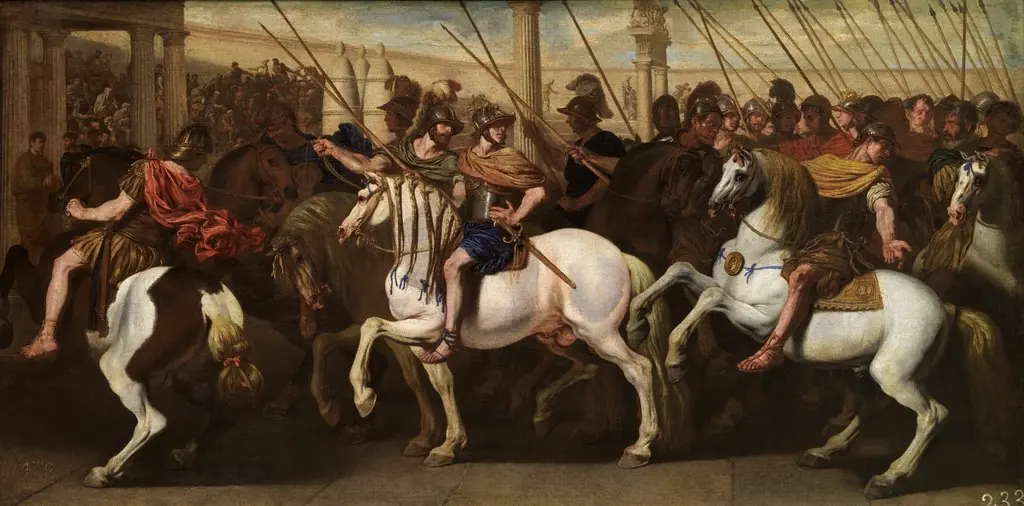
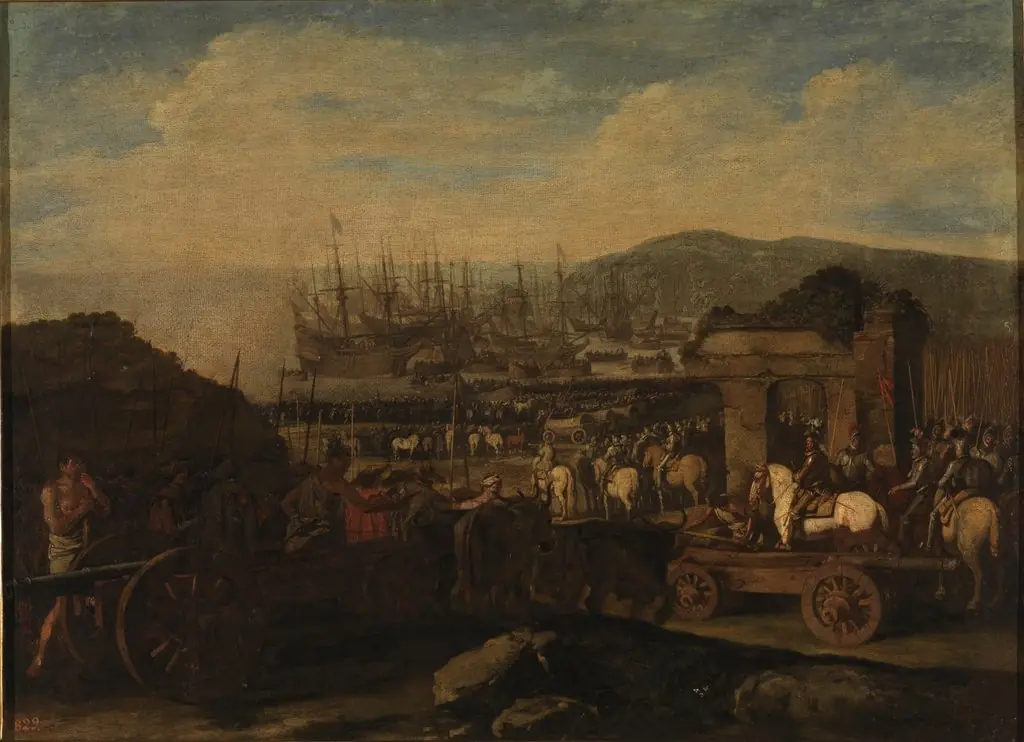
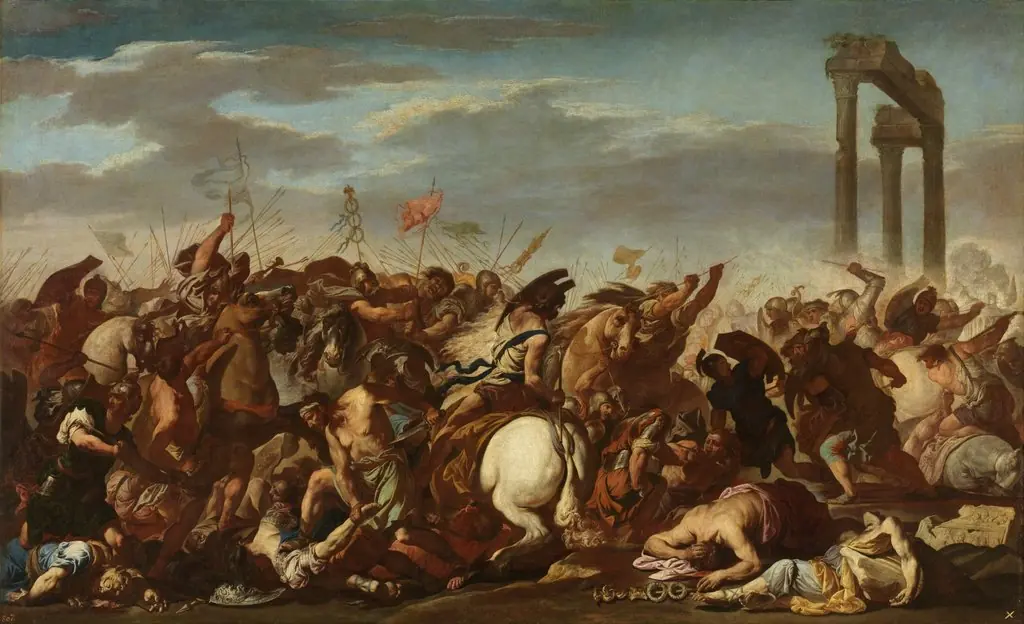
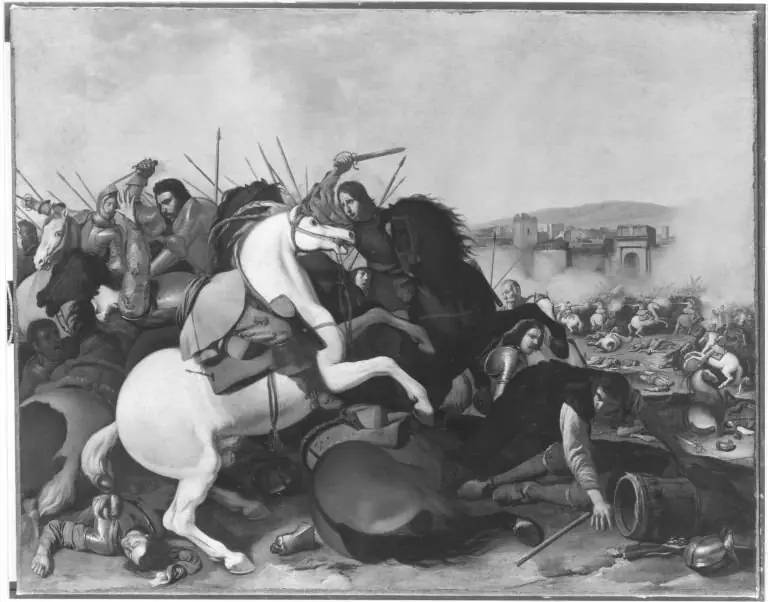
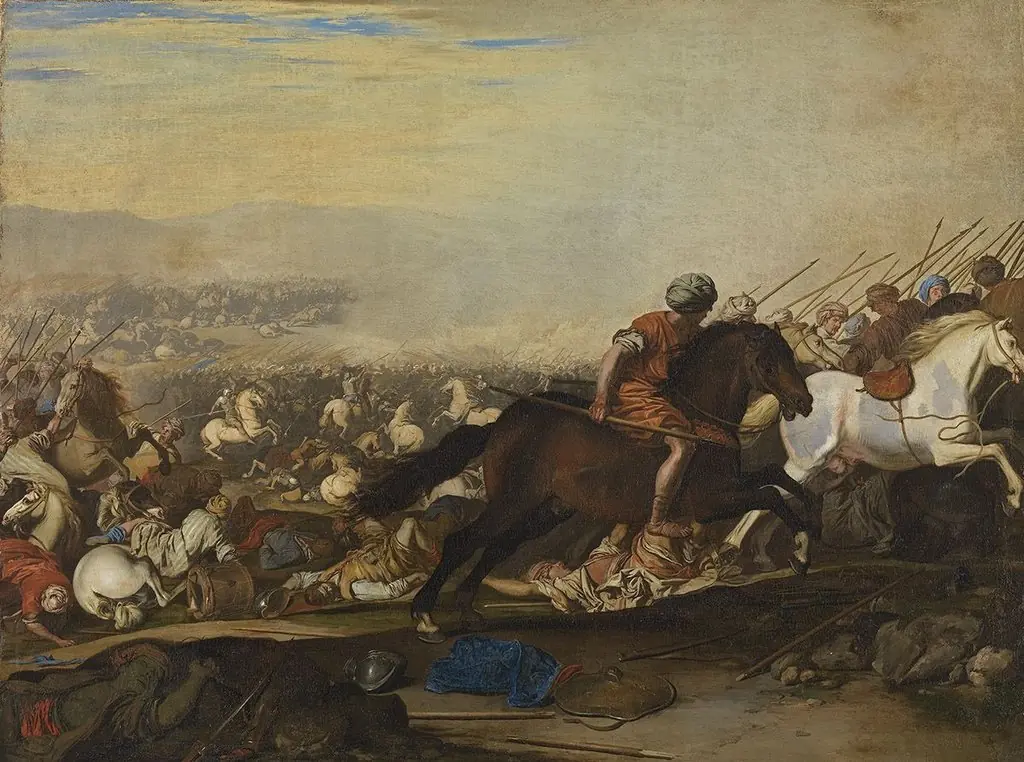
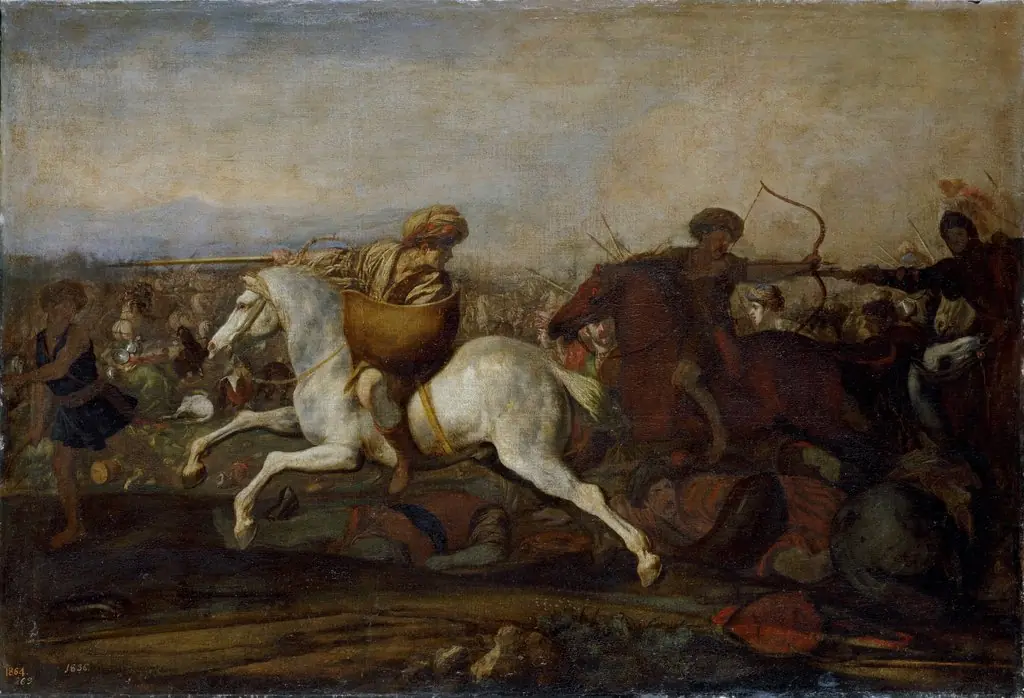
Aniello Falcone or Ancillo Falcone (15 November 1600 – 1656) was an Italian Baroque painter, active in Naples and noted for his painted depictions of battle scenes.