Artwork
Portrait of an Unknown Man
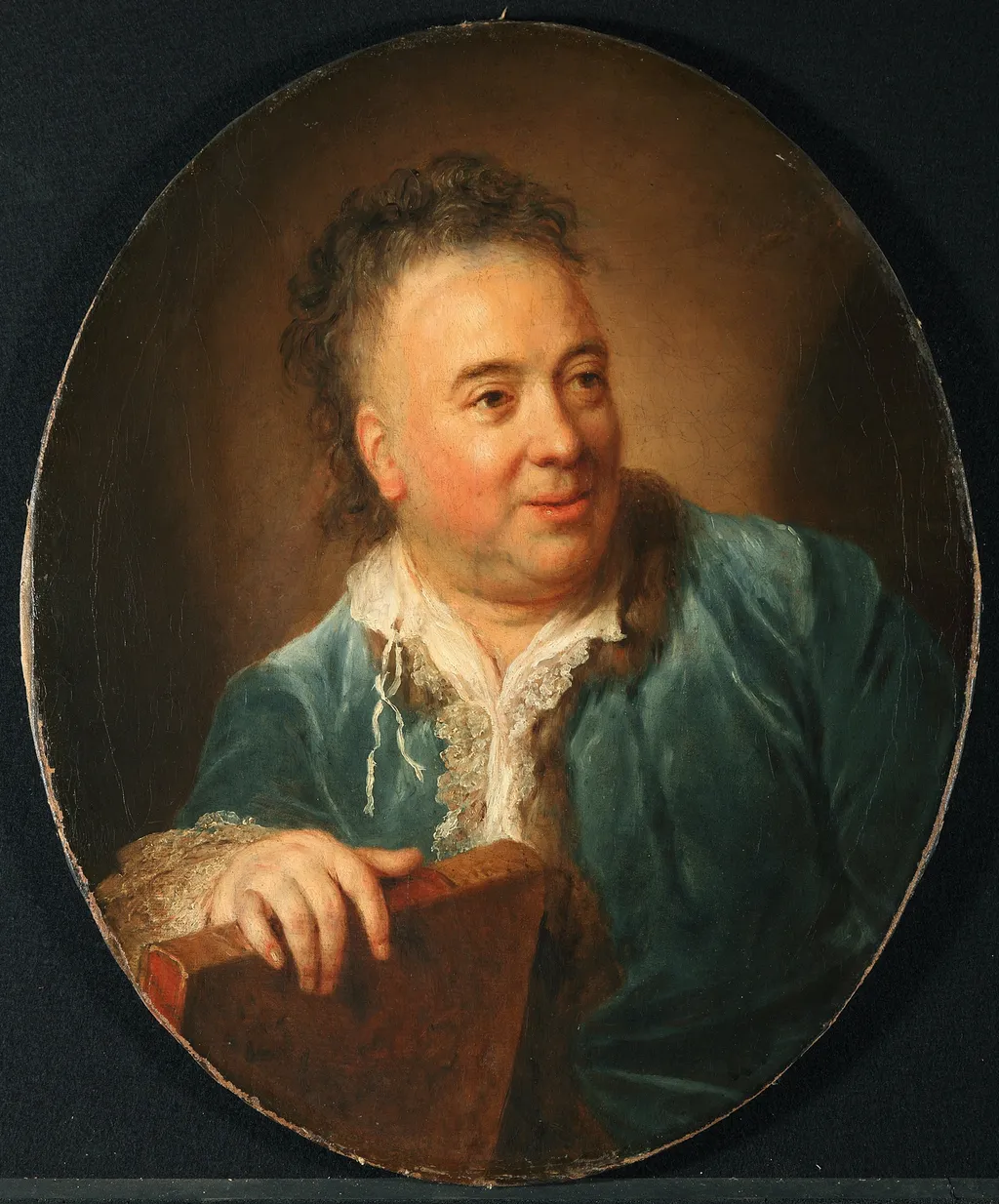
Portrait of an Unknown Man is an oil painting by the Rococo painting artist Anna Dorothea Therbusch. It dates from 1768 and is held in the collection of the Gemäldegalerie Berlin. Created in 1768, this oil portrait presents an unidentified gentleman framed within an oval border.
About this work
If you're interested in learning more about the artist's techniques, you can explore the use of chiaroscuro.
This painting is a portrait of a man, depicted in an oval frame. He is wearing a blue jacket with lace trim and has a book in front of him.
The man's face is the central focus, with his eyes looking directly at the viewer. His hair is styled in a fashion typical of the 18th century. The background of the painting is a warm, earthy tone.
The artist's use of chiaroscuro creates a sense of depth and dimensionality in the portrait. The contrast between light and dark adds to the overall mood of the painting. If you're interested in learning more about the artist's techniques, you can explore the use of chiaroscuro.
Overview
Created in 1768, this oil portrait presents an unidentified gentleman framed within an oval border. The composition centers on his face, which meets the viewer’s gaze, while his 18th‑century hairstyle and blue, lace‑trimmed jacket suggest contemporary fashion. A modestly lit, warm earth‑toned backdrop supports the figure, and a book rests on the table before him, hinting at literacy or scholarly interests.
Subject & Meaning
The sitter’s direct eye contact and the inclusion of a book convey a sense of intellectual engagement and personal confidence. Though his identity remains unknown, the attire and accessories align with the social conventions of educated men in mid‑century Prussia, offering insight into the values of self‑presentation and learned status during the Rococo period.
Technique & Style
Therbusch employs chiaroscuro to model the figure, using contrasts of light and shadow to generate volume and a subtle three‑dimensional effect. The delicate rendering of lace and the smooth flesh tones reflect Rococo’s preference for elegance and refined surface detail, while the restrained palette and warm background maintain a calm, intimate atmosphere.
History & Provenance
The work is attributed to Anna Dorothea Therbusch, a prolific Rococo painter born in Prussia in 1721, whose oeuvre includes roughly two hundred extant pieces, among them over eighty‑five documented portraits. Currently, the painting forms part of the Gemäldegalerie Berlin’s collection, where it contributes to the museum’s representation of 18th‑century German portraiture.
Context
Therbusch operated within a male‑dominated artistic field, yet secured commissions for portraiture among the educated elite. This painting exemplifies her ability to blend the decorative sensibilities of Rococo with the psychological immediacy of portraiture, reflecting broader Enlightenment interests in individual identity and intellectual achievement.
Artist & collection
Artist
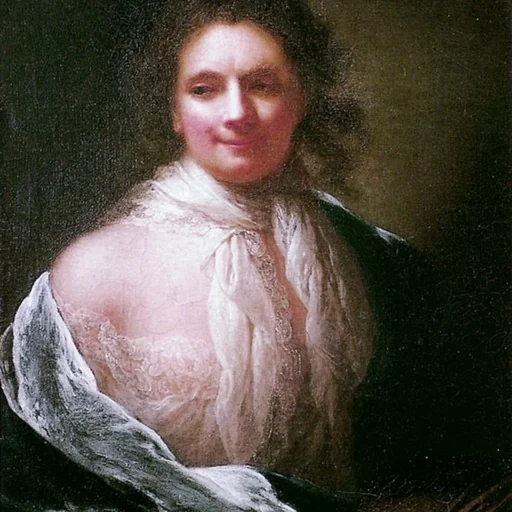
Anna Dorothea Therbusch (born Anna Dorothea Lisiewski, Polish: Anna Dorota Lisiewska, 23 July 1721 – 9 November 1782) was a prominent Rococo painter born in the Kingdom of Prussia.

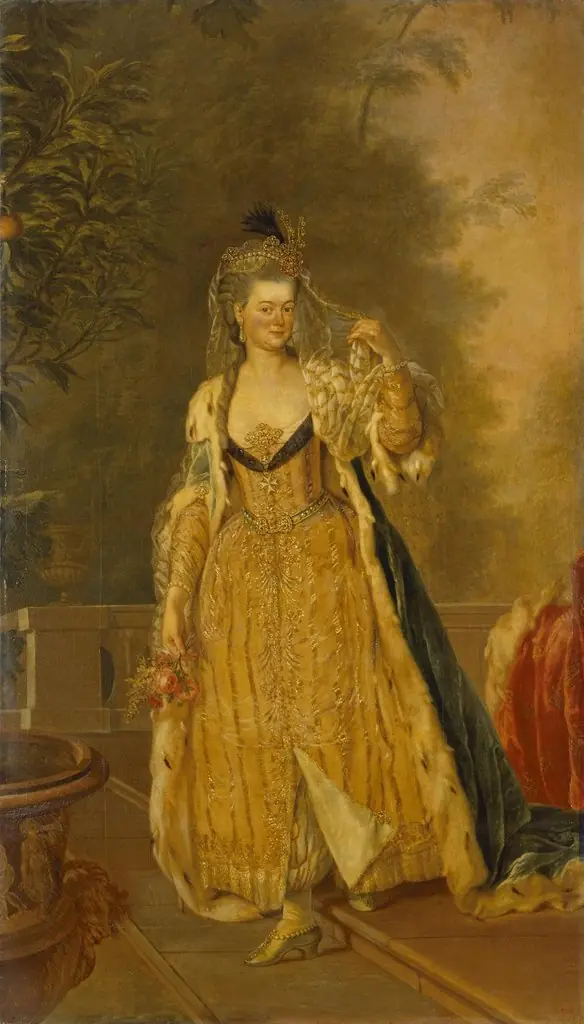 Portrait of Anna Elizabeth Louise Ferdinanda of Prussia
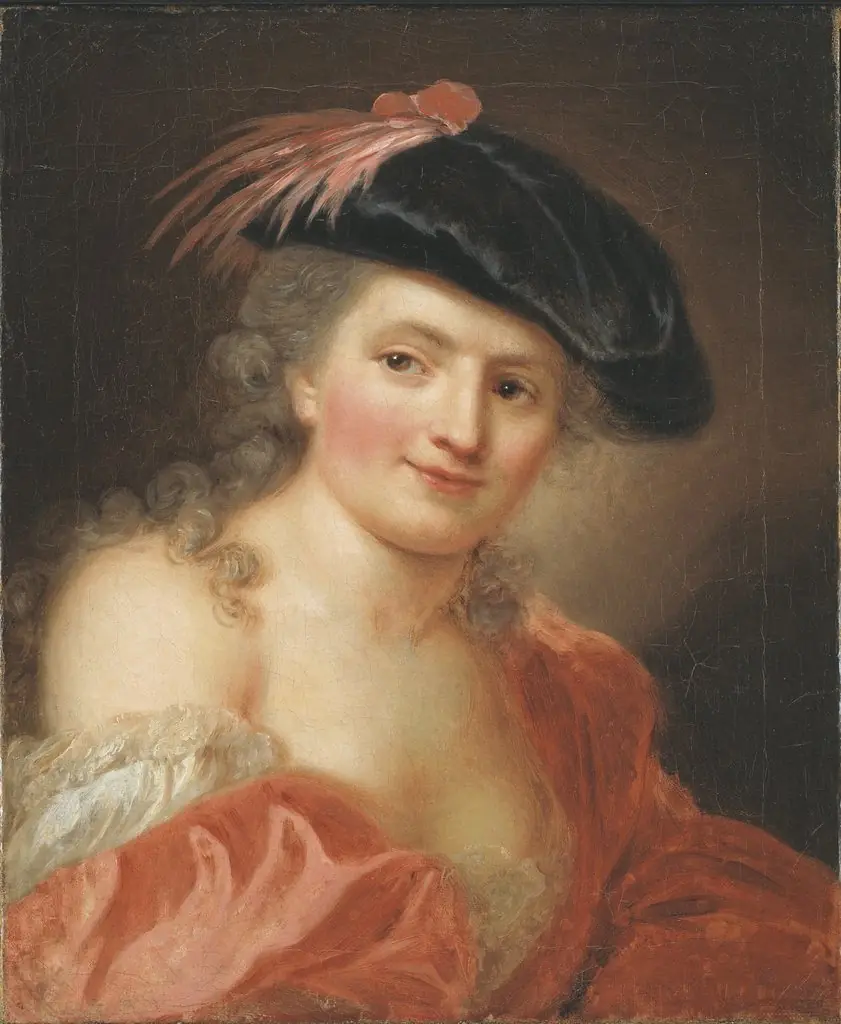 Self Portrait
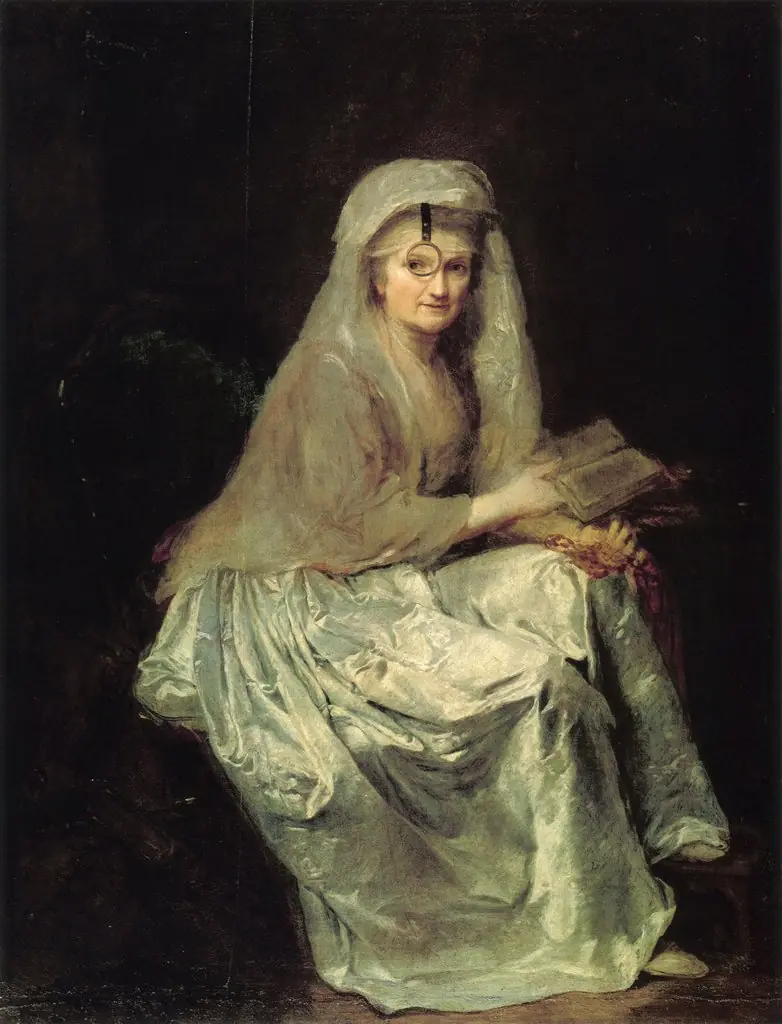 Self-portrait with Monocle
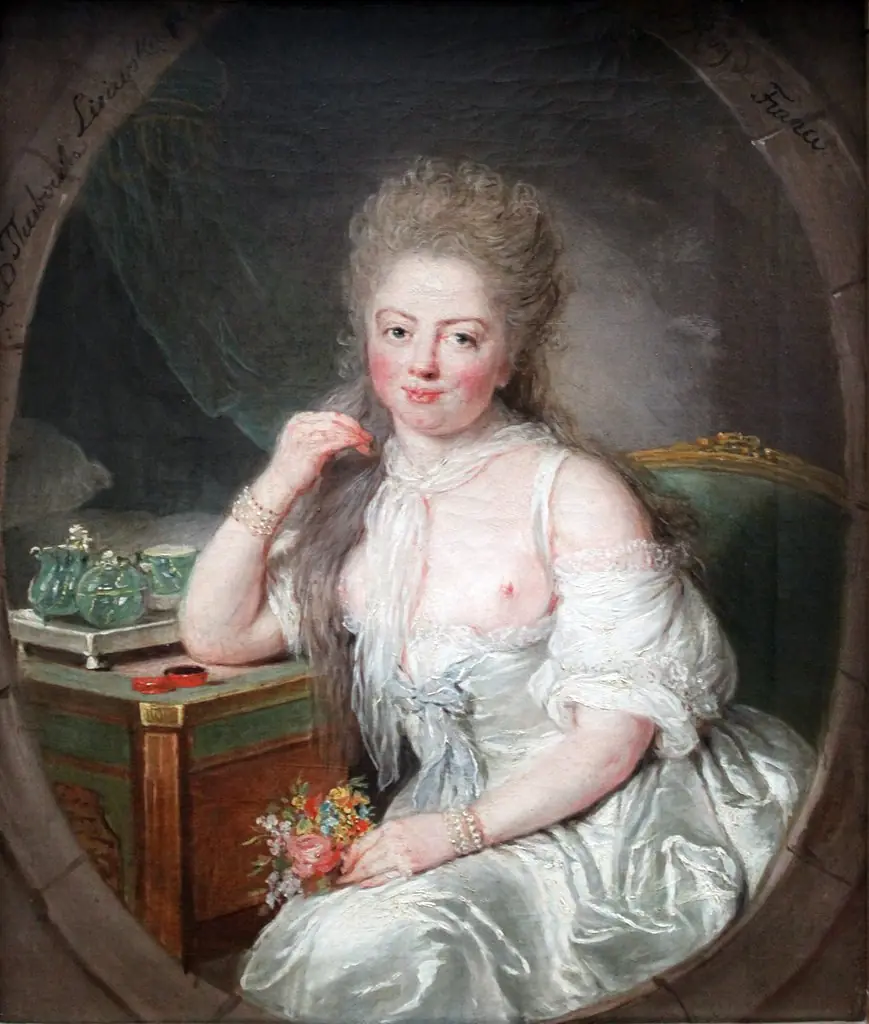 Portrait of a woman in negligée
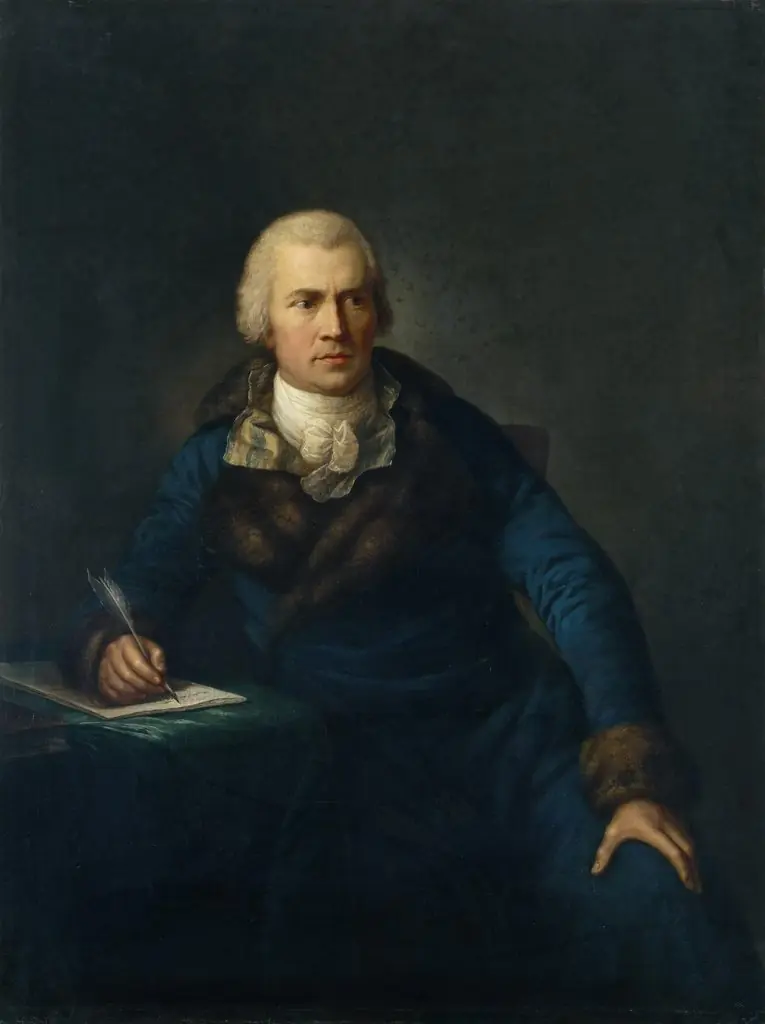 Portrait of Prince Friedrich Heinrich Ludwig of Prussia
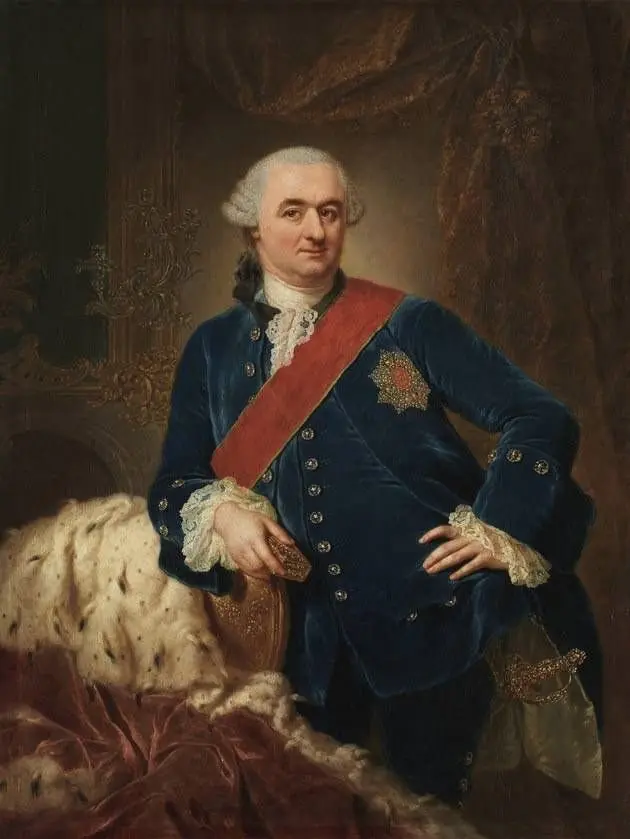 Bildnis des Kurfürsten Karl Theodor von der Pfalz und Bayern (1724-1799) im blauen Samtanzug
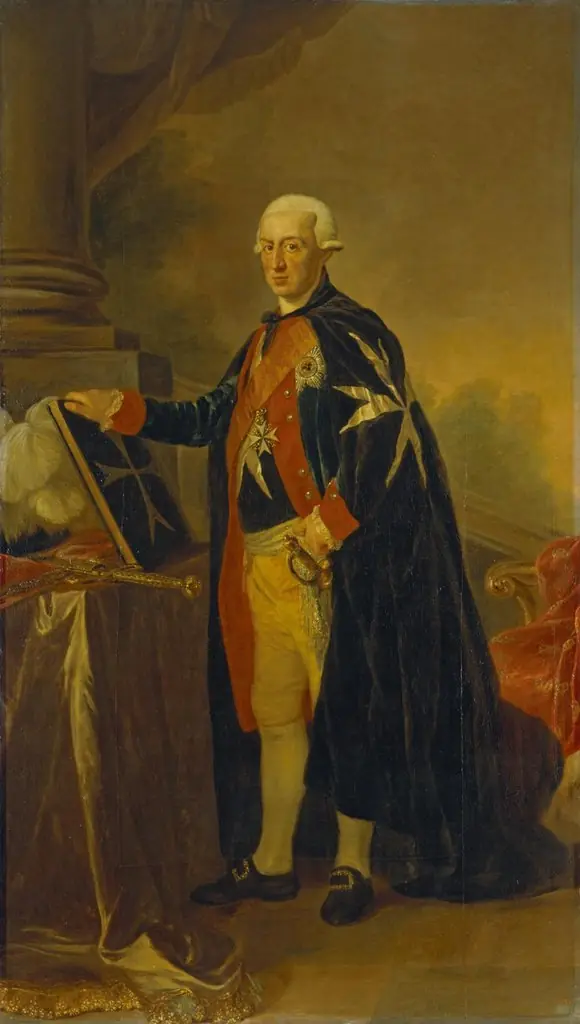 Portrait of Prince Augustus Ferdinand of Prussia
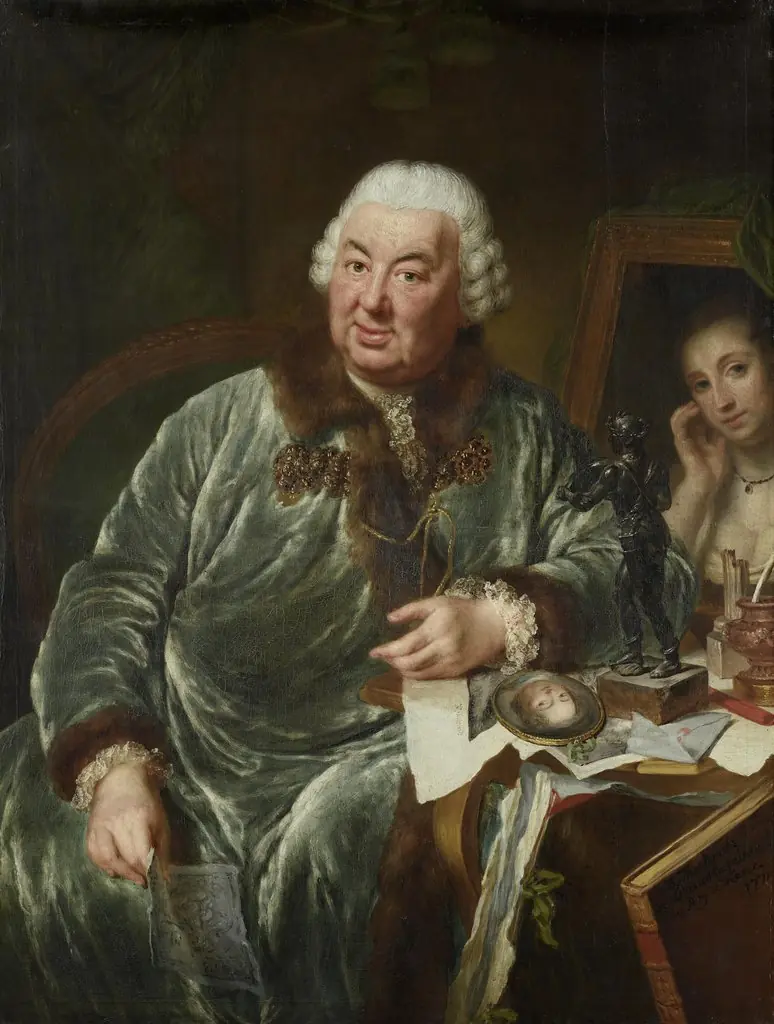 Portrait of Johann Julius von Vieth und Golßenau (1713-1784), Saxonian politician and art collector
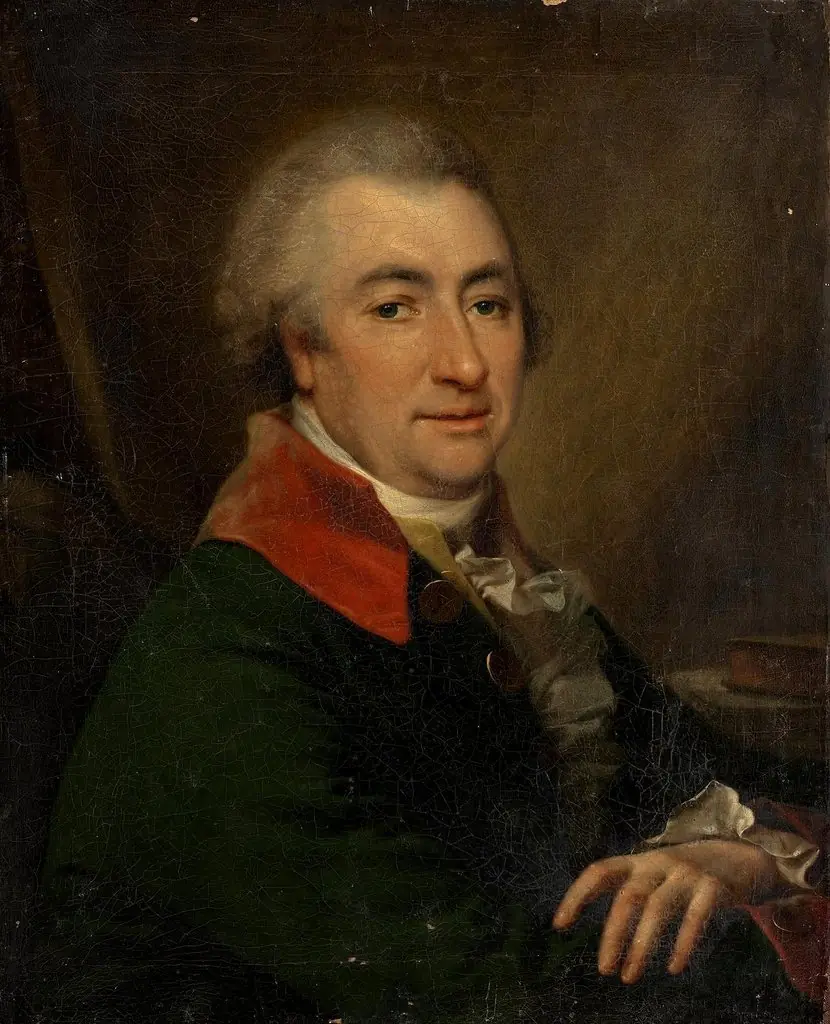 Portrait of A.I. Novikova (? )
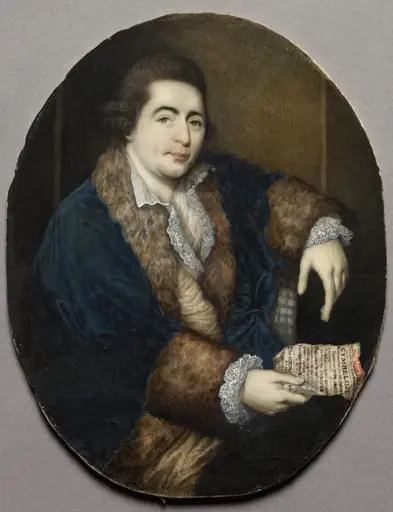 Portrait of William Powell
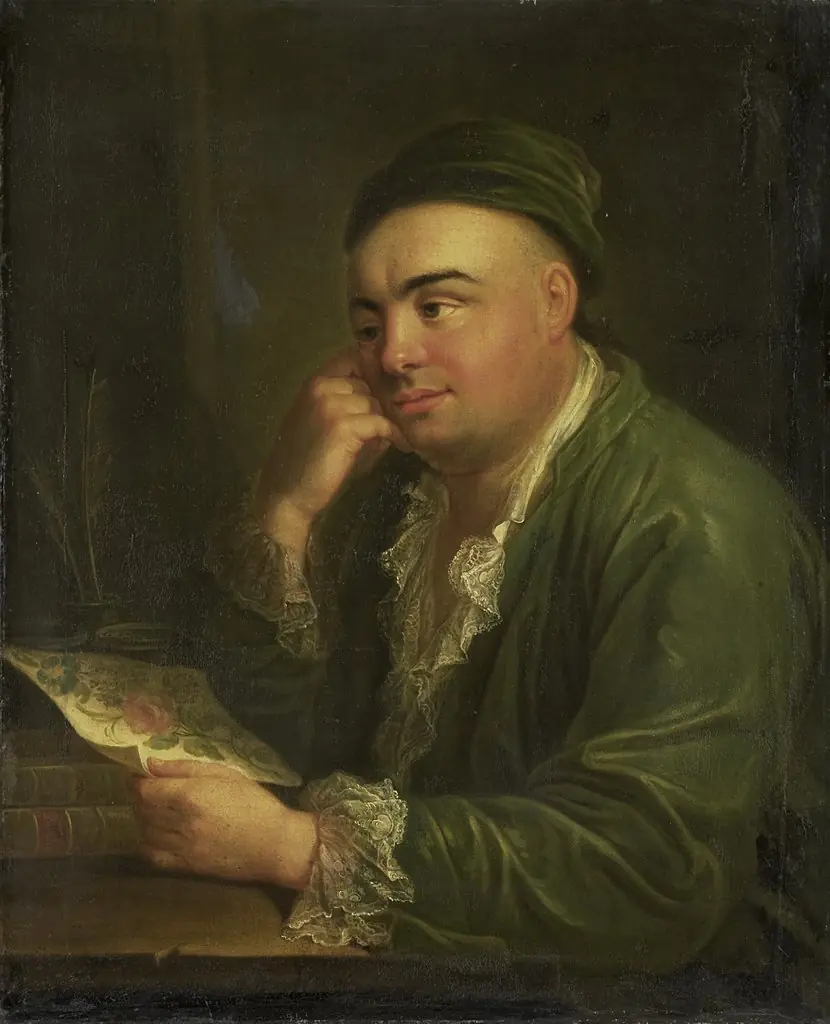 A Man with a Drawing of Flowers, so-called Portrait of Jacob Feitama Jr, Merchant in Amsterdam
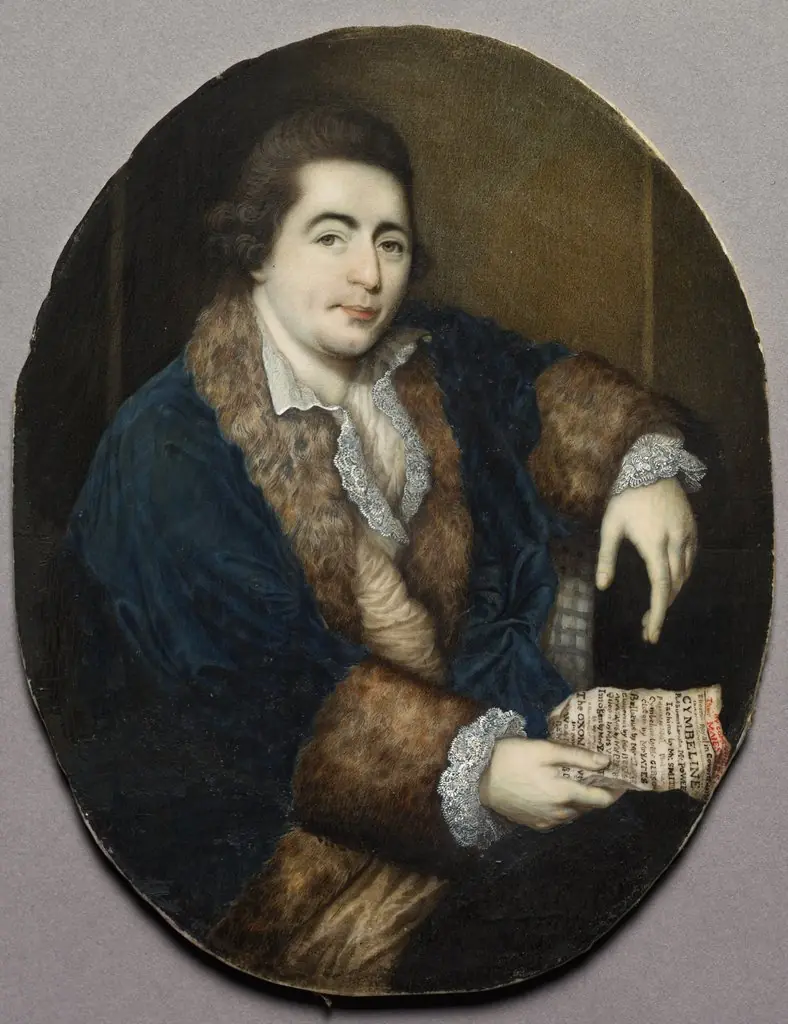 Portrait of William Powell
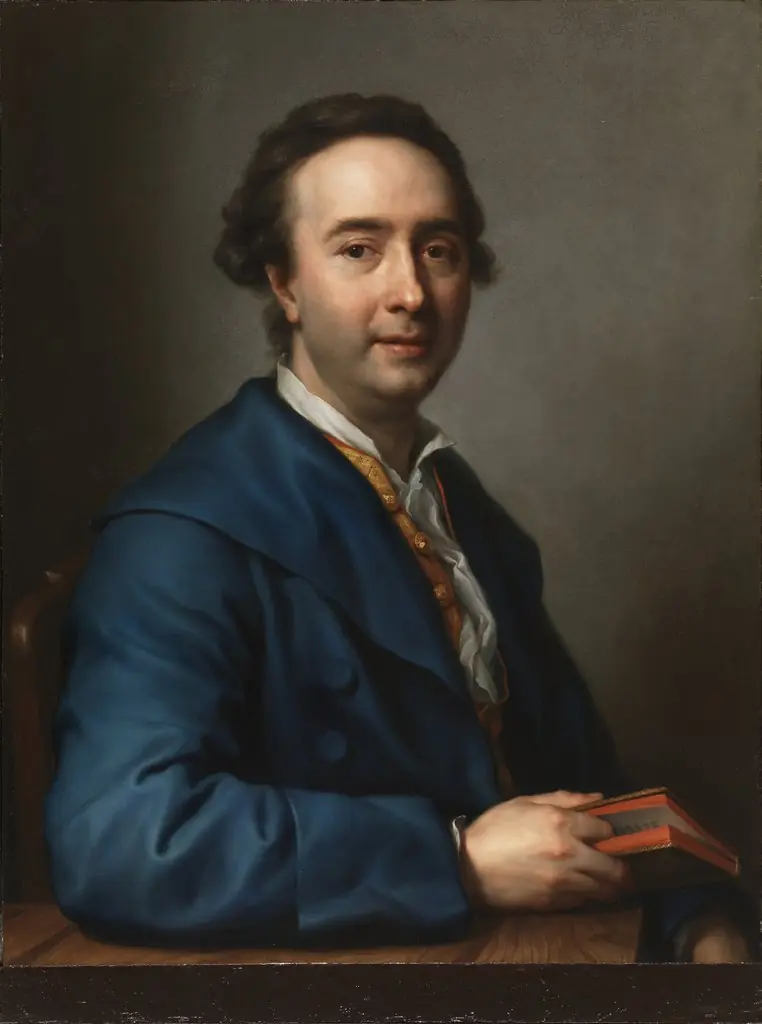 Portrait of José Nicolás de Azara
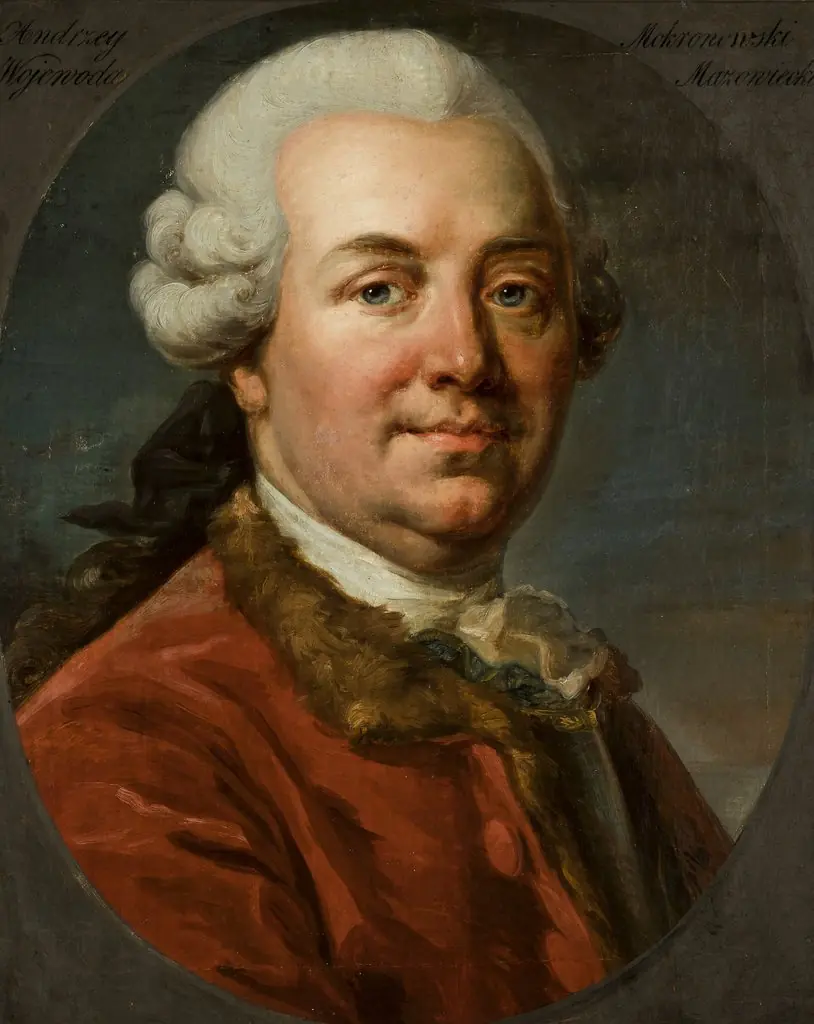 Portrait of Andrzej Mokronowski
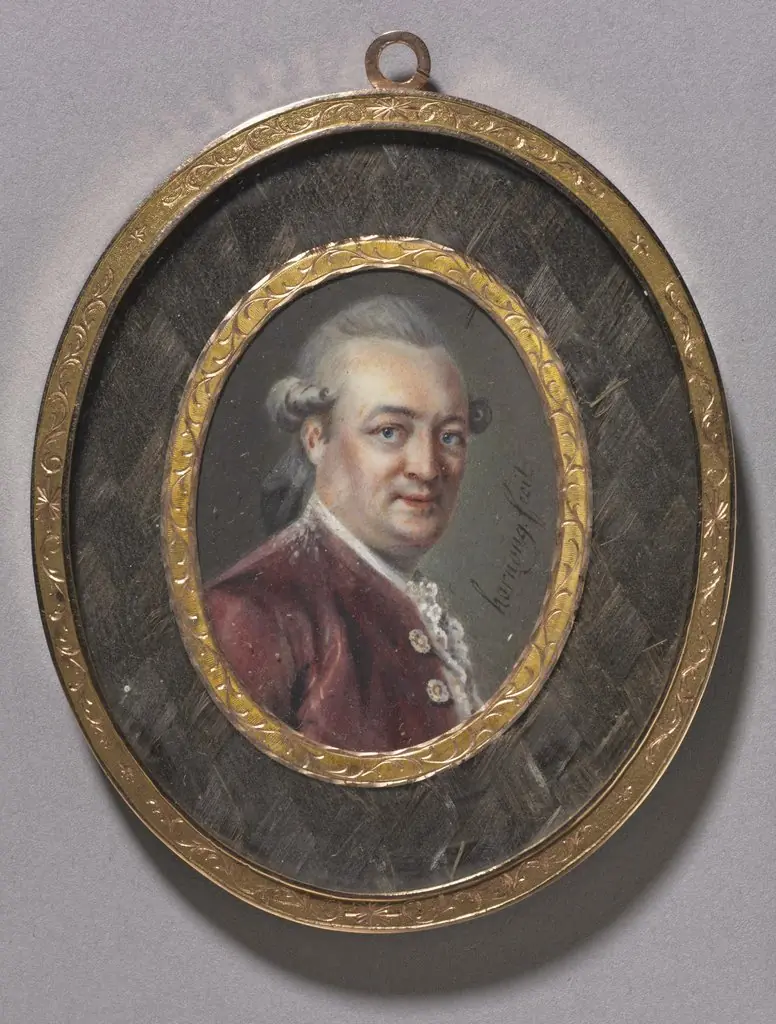 Portrait of a Man
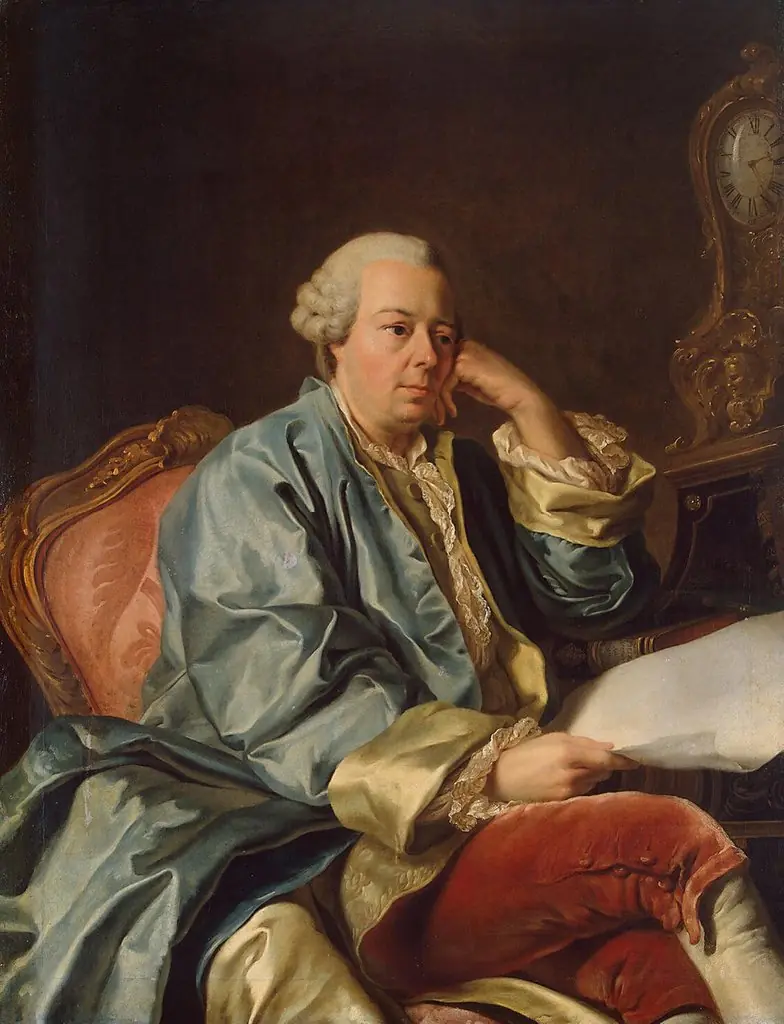 Portrait of Ivan Ivanovich Betskoi Wearing a Dressing Gown (copy)
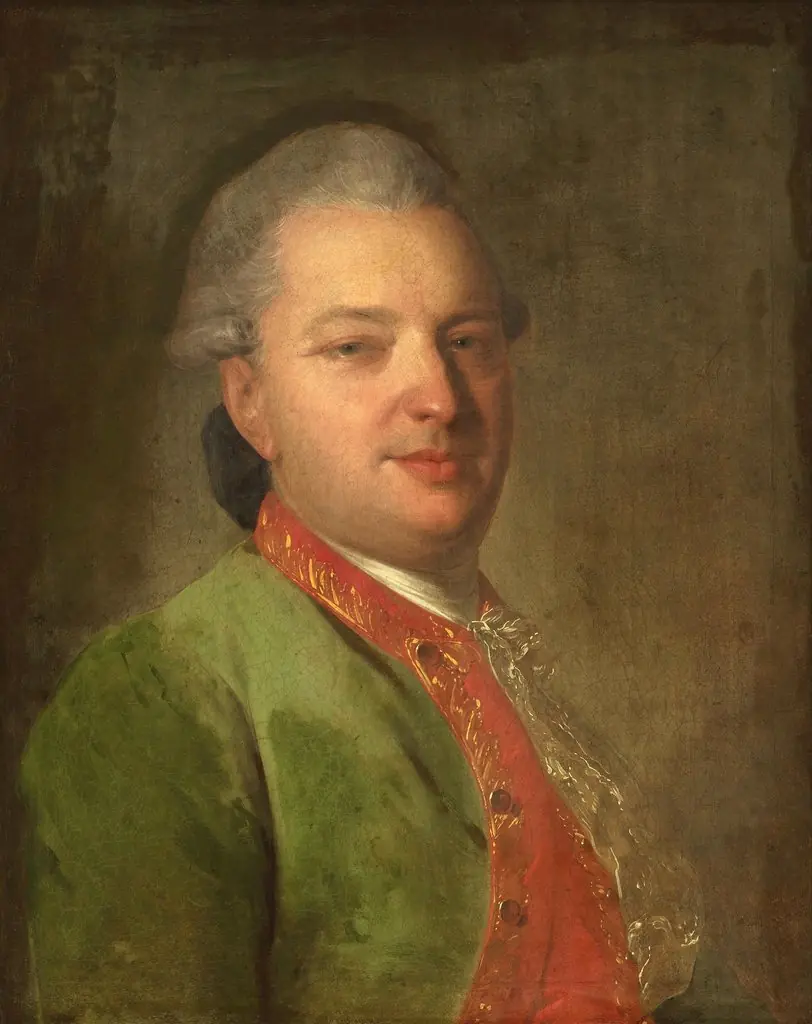 Портрет В.И. Майкова
 Портрет В.И. Майкова
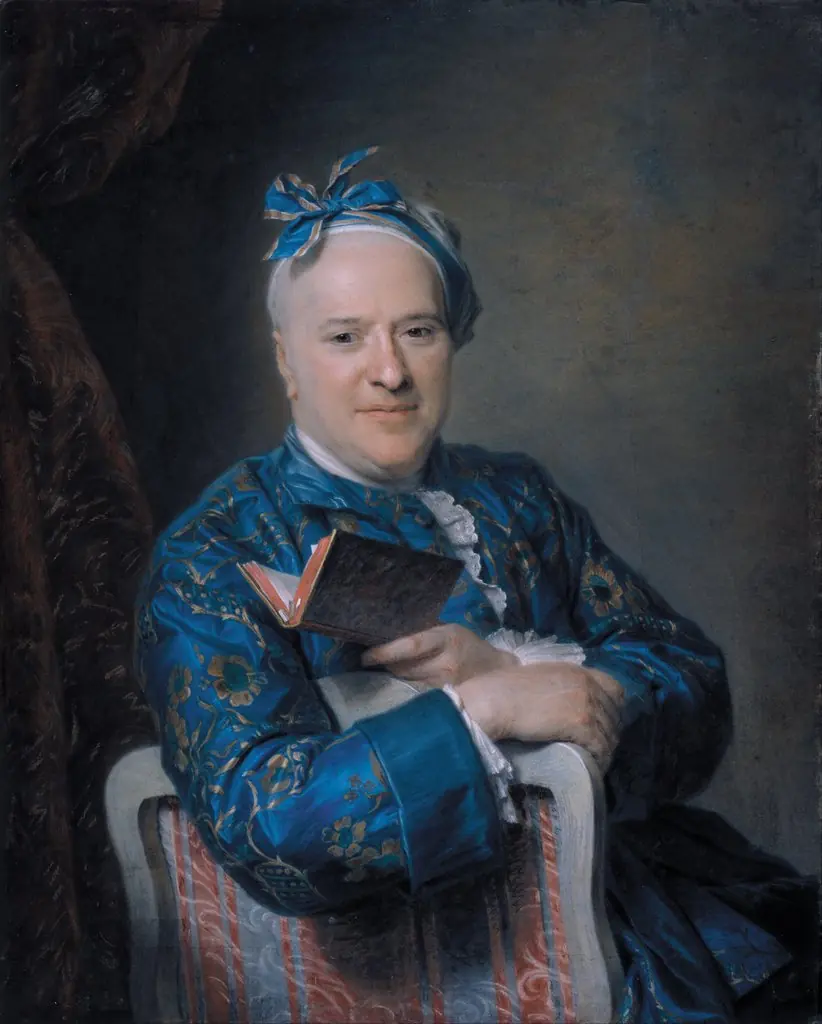 Portrait of Pierre-Louis Laideguive
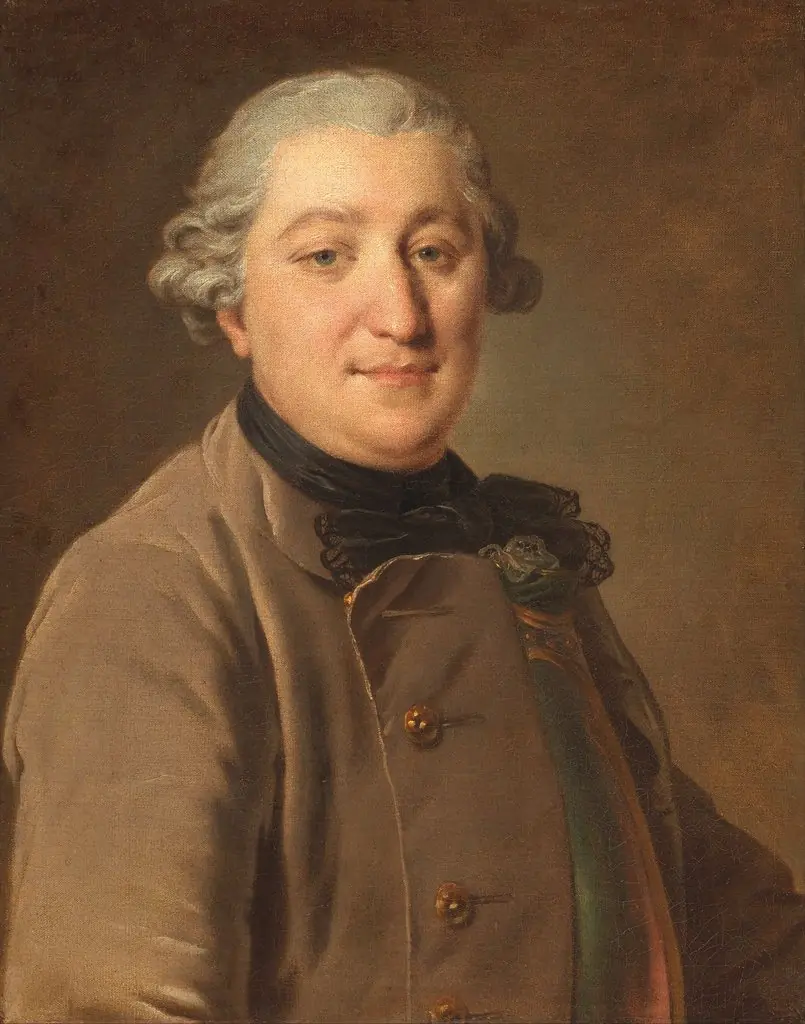 Portrait of Count Ivan G. Orlov