Artwork
Virgin and Child
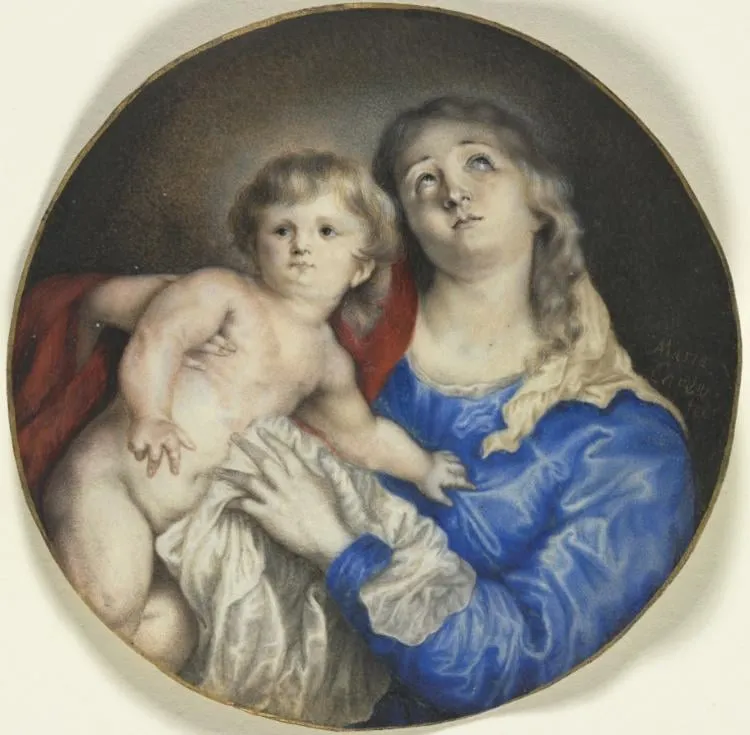
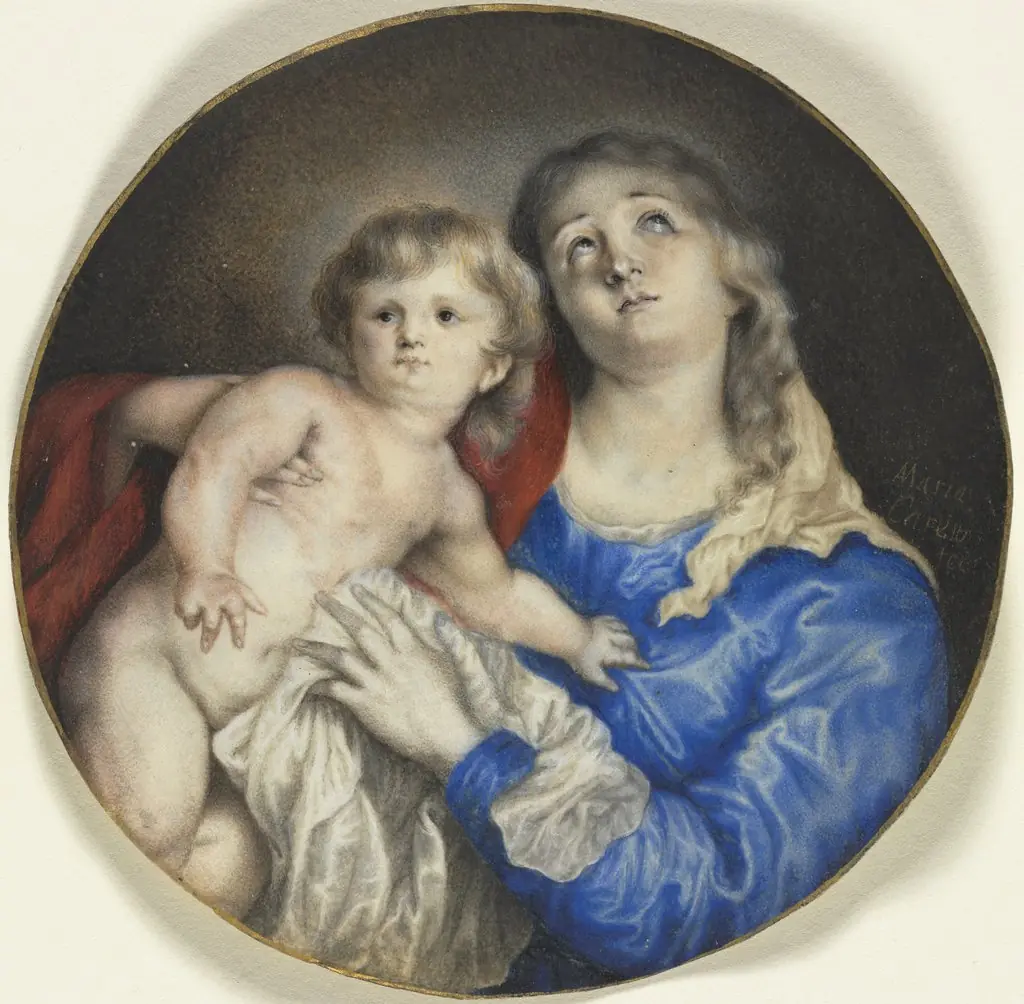
Virgin and Child is an unspecified portrait miniature by the Baroque artist Anna Maria Carew. It dates from 1662 and is held in the collection of the Cleveland Museum of Art.
About this work
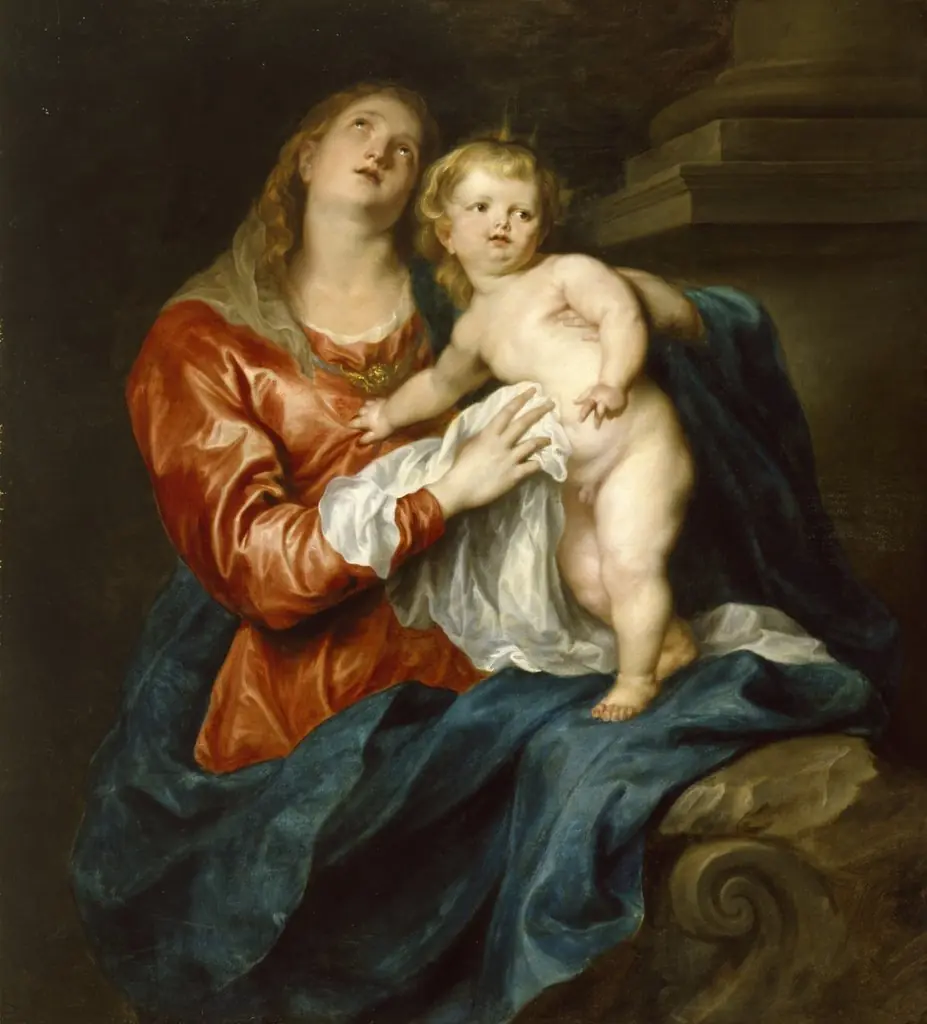
This one copies a famous painting by Anthony van Dyck, but Anna Maria Carew made it her own with soft, quiet colors.
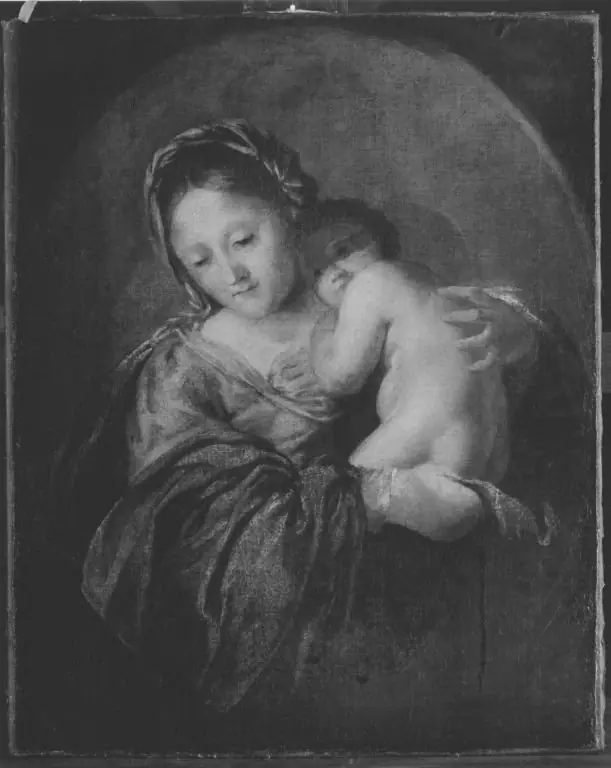
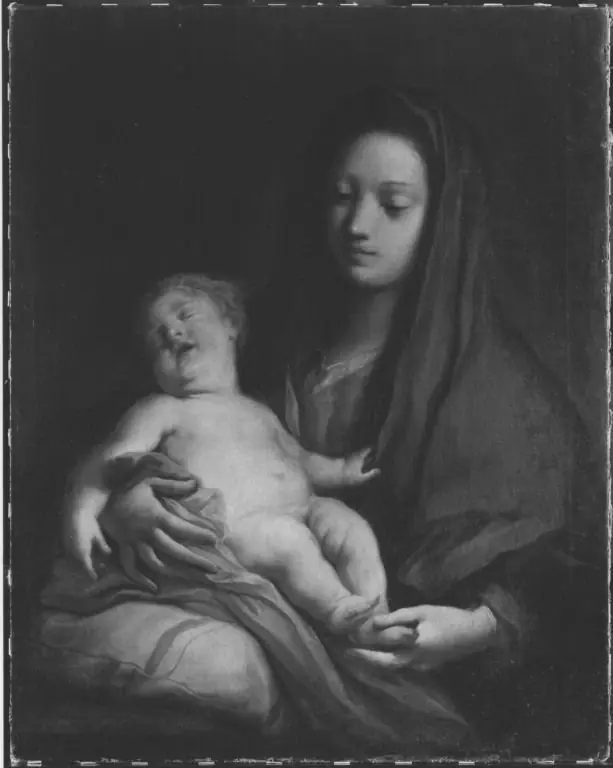
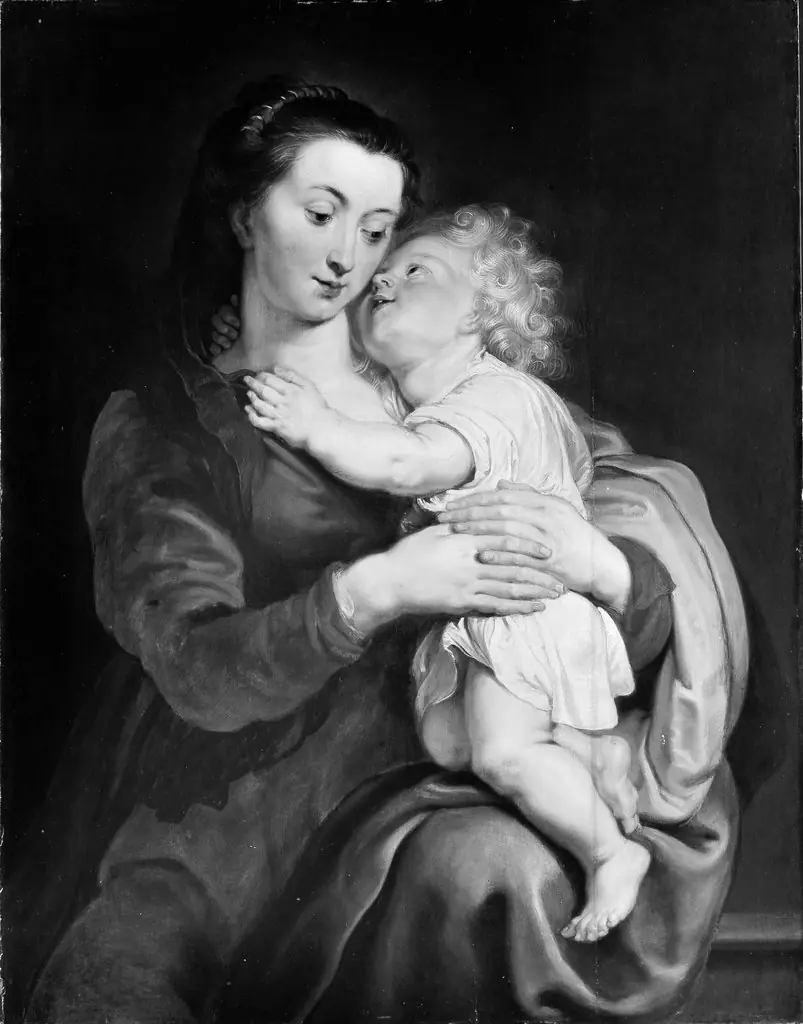
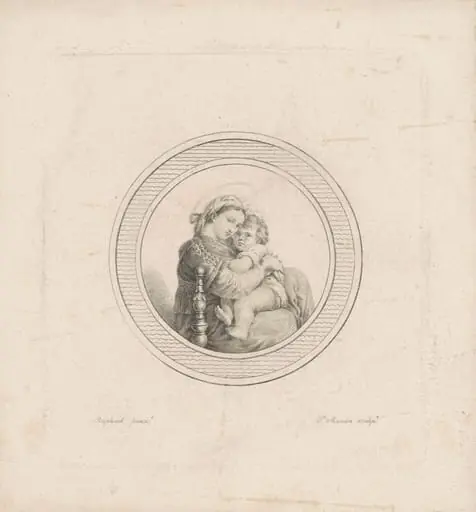
You see a small, careful painting of Mary holding baby Jesus on her lap.
This isn’t a tiny portrait locket—it’s a cabinet miniature, a small copy of a larger painting. Most miniatures showed fancy people, not holy scenes. This one copies a famous painting by Anthony van Dyck, but Anna Maria Carew made it her own with soft, quiet colors.
To see how other artists painted the same scene, look up *england, 17th century*.
Overview
This small portrait miniature, created by Anna Maria Carew, reproduces a devotional image originally painted by Anthony van Dyck. Unlike most cabinet miniatures of the period, which typically replicated dramatic secular or narrative scenes, this work presents a quiet, intimate portrayal of the Virgin and Child. Executed on vellum with delicate brushwork, its scale and subject reflect a personal, contemplative function rather than public display.
Subject & Meaning
The Virgin Mary holds the infant Jesus on her lap in a serene, unadorned composition. The absence of halos, elaborate settings, or symbolic attributes emphasizes emotional closeness over theological grandeur. This restrained depiction aligns with private devotion, inviting quiet meditation rather than public veneration. The choice of subject suggests the owner’s personal piety, distinguishing it from the more theatrical religious imagery common in contemporary art.
Technique & Style
Carew rendered the scene in soft, muted tones using fine brushwork on vellum, a surface that allowed for subtle gradations of color. Her approach departs from the bold contrasts and rich pigments of van Dyck’s original, favoring a gentle, atmospheric quality. The miniature’s precision and tonal harmony reflect both technical skill and a deliberate aesthetic choice to convey stillness and tenderness.
History & Provenance
The composition derives from van Dyck’s oil painting, later engraved by Paulus Pontius around 1630. Carew’s miniature, likely made in the mid-17th century, represents a rare adaptation of a religious image into the cabinet miniature tradition, which typically favored portraits or mythological scenes. Its survival suggests it was valued within a private collection, possibly owned by a Catholic or Anglican household with devotional interests.
Context
Cabinet miniatures in 17th-century England were often used to display likenesses of royalty or aristocrats, mounted in ornate frames or stored in decorative cabinets. Religious subjects were uncommon in this format, making Carew’s work an exception. Its existence points to a niche market for intimate spiritual imagery, possibly linked to private worship practices during a time of religious upheaval.
Legacy
Anna Maria Carew’s miniature stands as a quiet anomaly in the genre, illustrating how personal devotion could shape artistic reproduction. While few similar religious cabinet miniatures survive, this work reveals the adaptability of the form beyond portraiture. It contributes to understanding how devotional imagery was privately sustained in early modern England, away from institutional oversight.
Artist & collection