Artwork
Madonna and Child
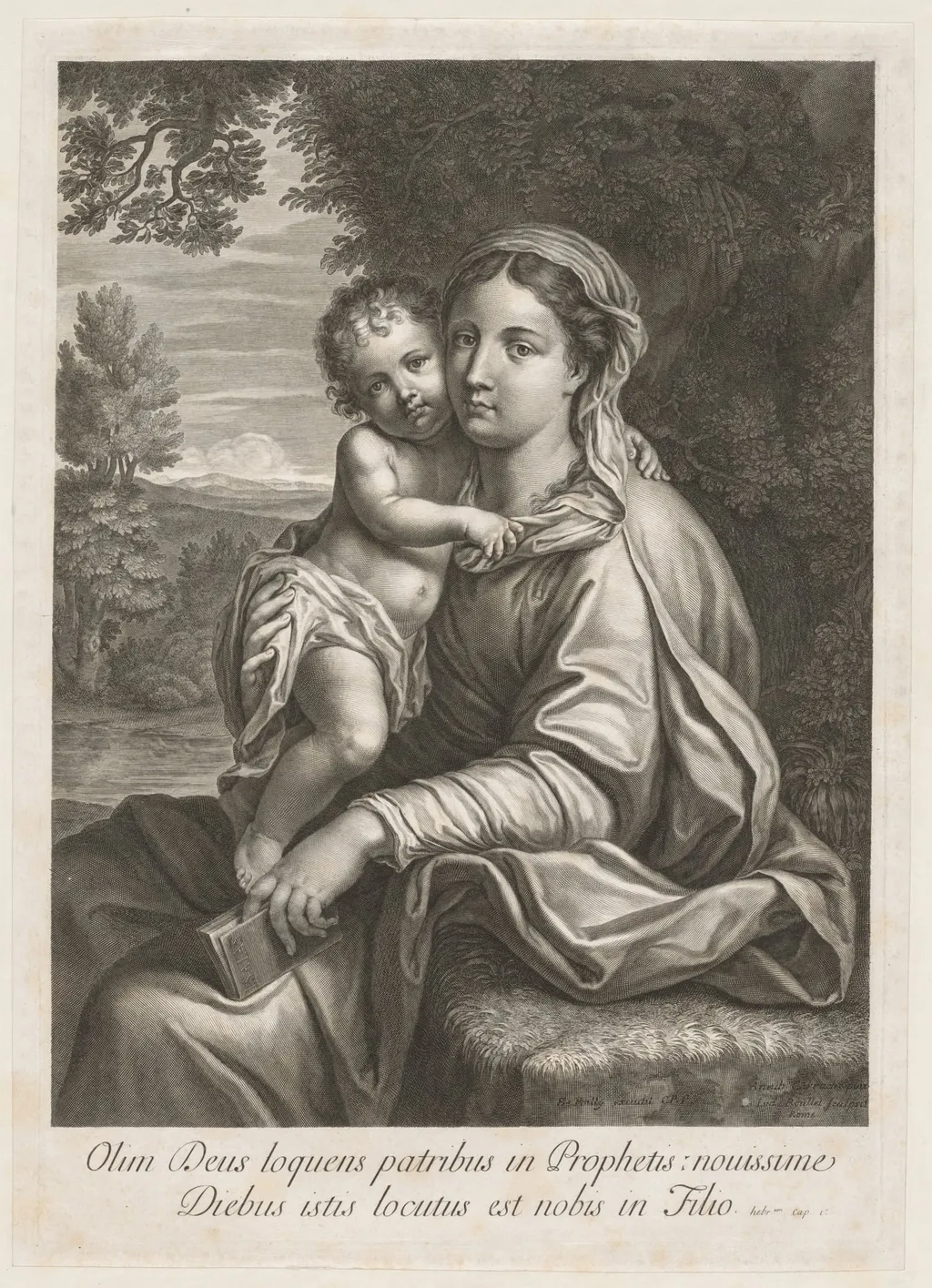
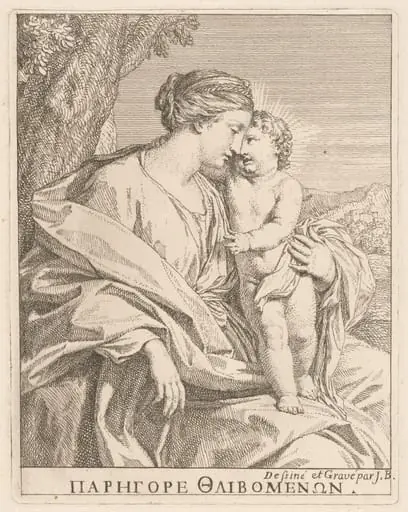
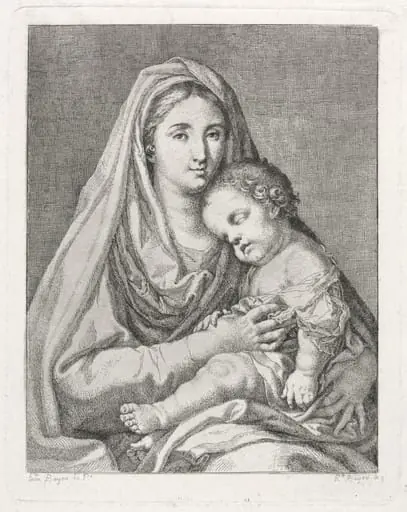
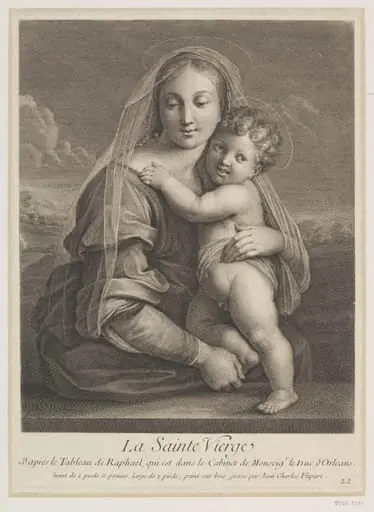
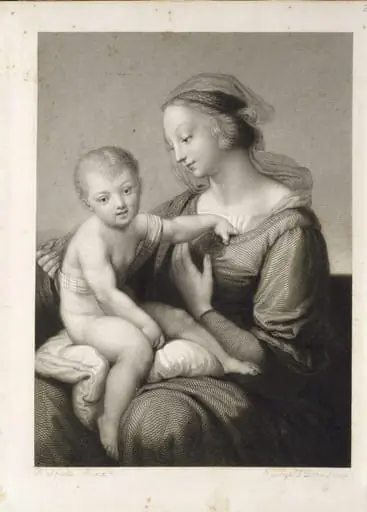
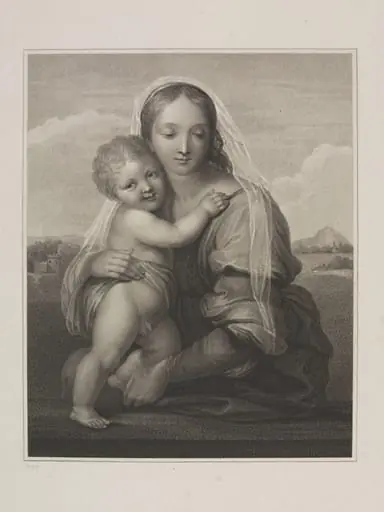
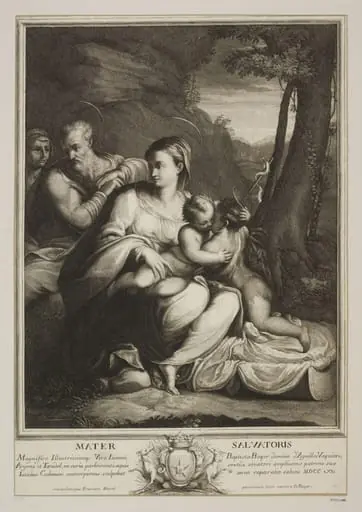
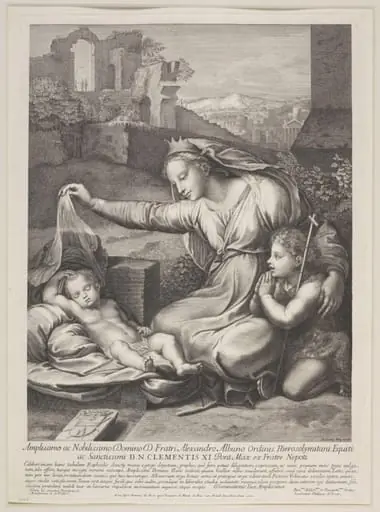
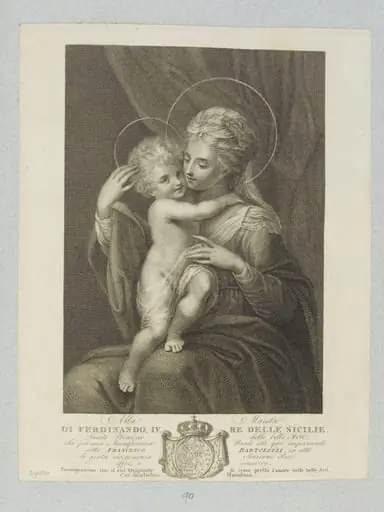
Madonna and Child is a print by the Baroque artist Jean Louis Roullet. It dates from 1604 and is held in the collection of the Cleveland Museum of Art.
About this work
Overview
Its composition reflects devotional conventions of the period, adapted for wider dissemination through reproductive techniques.
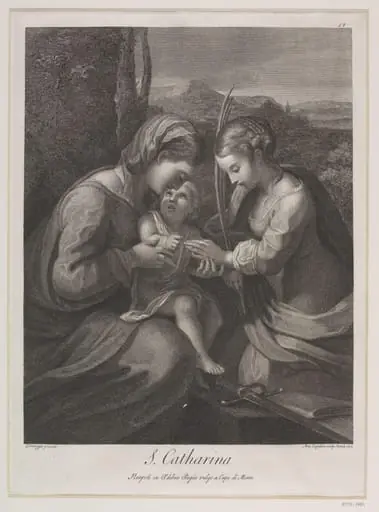
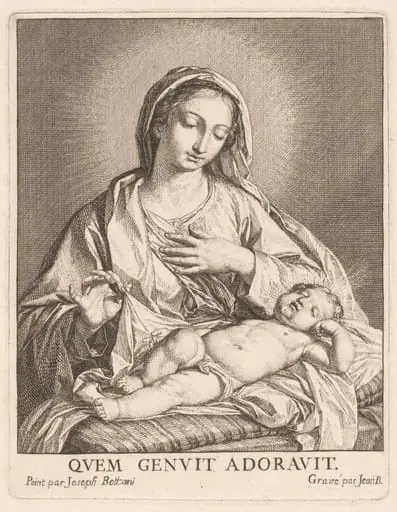
Madonna and Child is a print dated around 1604, attributed to Jean Louis Roullet. It depicts the Virgin Mary with the infant Jesus in a tranquil outdoor setting. The work is part of the collection at The Cleveland Museum of Art, where it is preserved as an example of early 17th-century religious imagery produced in print form. Its composition reflects devotional conventions of the period, adapted for wider dissemination through reproductive techniques.
Subject & Meaning
The image presents the Virgin Mary seated with the Christ Child on her lap, a traditional iconography symbolizing divine maternity and spiritual nurture. Mary holds a book, suggesting contemplation and divine wisdom, while the child reaches outward, hinting at future engagement with the world. The serene setting and gentle gestures reinforce themes of peace and sacred intimacy, common in Catholic devotional art of the time.
Technique & Style
Executed as a print, the work employs fine linear detail to define forms and textures, typical of engraving or etching practices of the era. The figures are rendered with soft contours against a landscape of distant trees, water, and a cloudy sky, creating depth without heavy shading. The restrained palette and balanced composition reflect a quiet, meditative aesthetic aligned with late Mannerist and early Baroque sensibilities.
History & Provenance
The print entered the collection of The Cleveland Museum of Art through documented acquisition, though earlier ownership records remain unclear. Its creation around 1604 situates it within a period when religious imagery was widely reproduced for private devotion. While Roullet’s broader oeuvre is not extensively documented, this print survives as a rare example of his output in the medium.
Context
Produced during the Counter-Reformation, such images served to reinforce Marian devotion among the faithful. Prints like this one allowed religious themes to reach audiences beyond those who could access large-scale paintings. The inclusion of natural elements—trees, water, sky—reflects a growing interest in integrating sacred figures into harmonious, earthly environments, a trend seen across Northern European religious art.
Legacy
Though Jean Louis Roullet is not a widely recognized name in art history, this print contributes to the broader understanding of how religious iconography was adapted for print media in the early 1600s. It represents the quiet persistence of devotional imagery in an era of religious upheaval, preserving a visual language of piety that endured in domestic and private settings long after its creation.
Artist & collection