Artwork
Samson in Chains
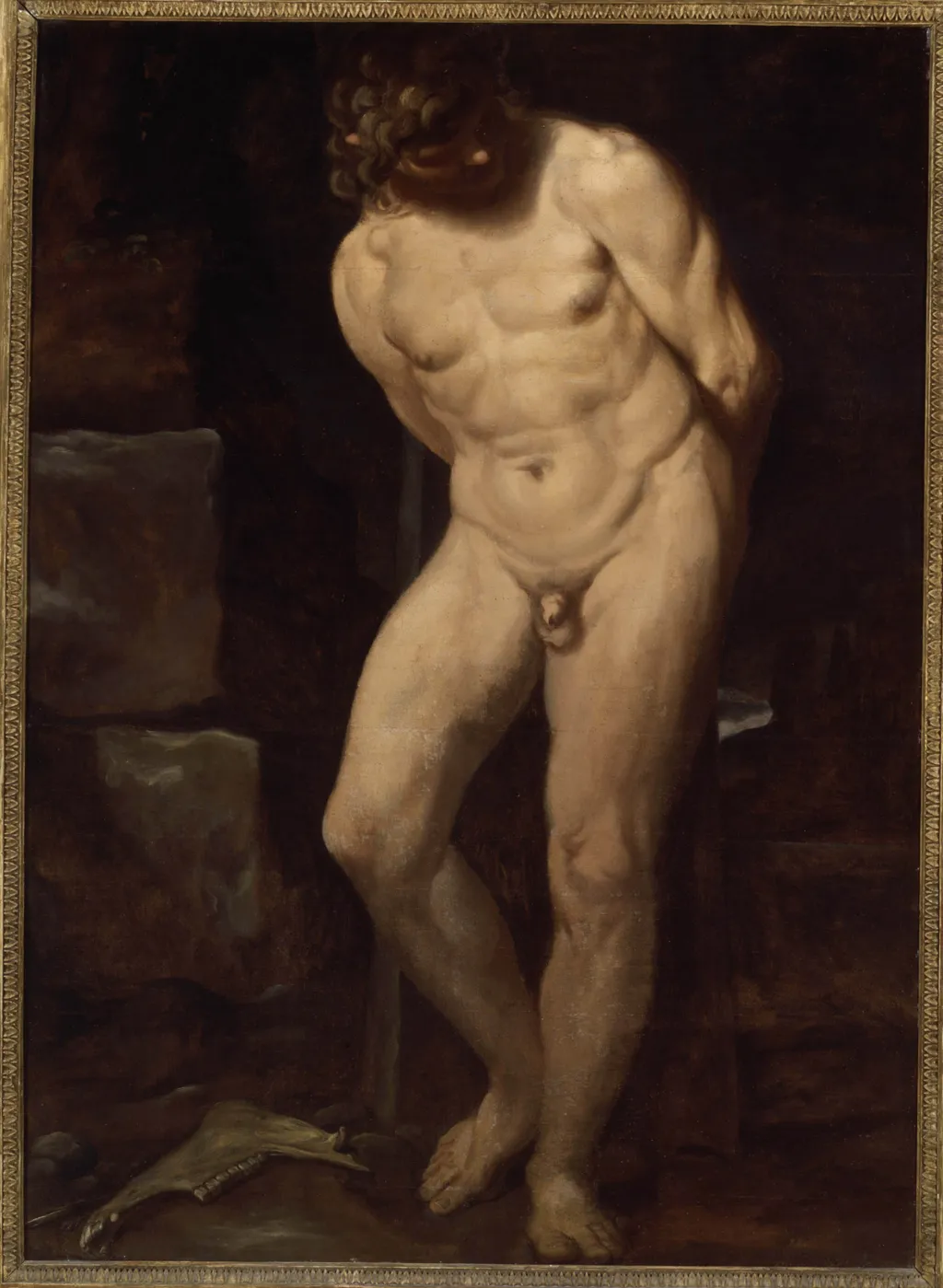
Samson in Chains is an oil painting by the Early Baroque Italian artist Annibale Carracci. It dates from 1598 and is held in the collection of the Galleria Borghese.
About this work
Overview
Executed during Carracci’s formative years in Bologna, the painting exemplifies his early synthesis of classical restraint and emerging Baroque dynamism.
Painted in 1598 by Annibale Carracci, *Samson in Chains* is an oil-on-canvas work that captures a moment of physical and spiritual tension from the biblical narrative. Executed during Carracci’s formative years in Bologna, the painting exemplifies his early synthesis of classical restraint and emerging Baroque dynamism. It is now part of the Galleria Borghese collection in Rome, where it remains a quiet but potent example of religious subject matter rendered with psychological depth.
Subject & Meaning
The painting portrays Samson after his capture by the Philistines, following the betrayal by Delilah. His bound arms, lowered head, and taut musculature suggest not just physical restraint but inner resignation. The absence of his face intensifies the sense of vulnerability, shifting focus from individual identity to the universal weight of fallen strength. The scene anticipates his eventual redemption, yet here, the moment is suspended in defeat, emphasizing human frailty before divine will.
Technique & Style
Carracci employs chiaroscuro to model Samson’s form with sculptural precision, using stark contrasts between light and shadow to define his straining muscles and the heavy chains. The dark, undefined background isolates the figure, heightening the emotional gravity. Brushwork is controlled yet expressive, avoiding theatricality in favor of naturalistic anatomy. The composition’s verticality and minimal setting reflect Carracci’s grounding in Renaissance ideals, even as his handling points toward Baroque emotional intensity.
History & Provenance
Commissioned during Carracci’s transition from Bologna to Rome, the painting entered the collection of Cardinal Scipione Borghese by the early 17th century. It remained within the Borghese family until the state acquisition of the gallery in the 20th century. Its survival in near-original condition, without significant later alterations, offers a rare glimpse into Carracci’s early religious works before his fresco cycles in the Palazzo Farnese.
Context
Created during a period of Catholic renewal, the painting aligns with Counter-Reformation ideals that favored emotionally resonant biblical scenes to inspire piety. Carracci’s approach diverged from Mannerist excess, instead favoring clarity and physical presence. His depiction of Samson reflects a broader trend among Italian artists to humanize sacred figures through realistic anatomy and psychological nuance, bridging the gap between Renaissance harmony and Baroque drama.
Legacy
Though less celebrated than Carracci’s later frescoes, *Samson in Chains* influenced subsequent generations of painters through its restrained emotional power and anatomical rigor. It stands as a transitional work, demonstrating how classical training could be adapted to convey inner turmoil without melodrama. The painting’s quiet intensity helped define a more introspective strand of Baroque religious art, distinct from the spectacle of his contemporaries.
Artist & collection
Artist
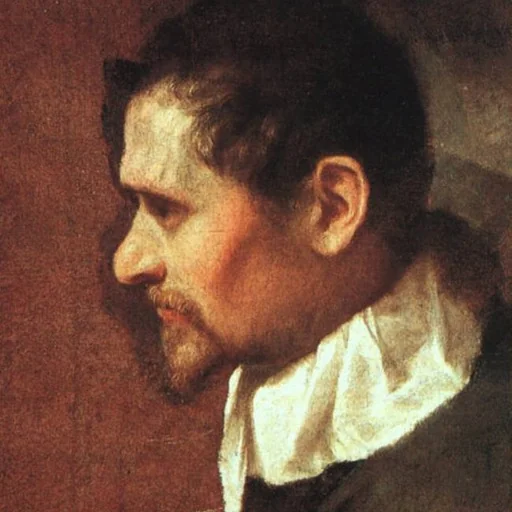
Annibale Carracci ( kə-RAH-chee, UK also kə-RATCH-ee, Italian: ; November 3, 1560 – July 15, 1609) was an Italian painter and instructor, active in Bologna and later in Rome.

 Study of a Naked Youth
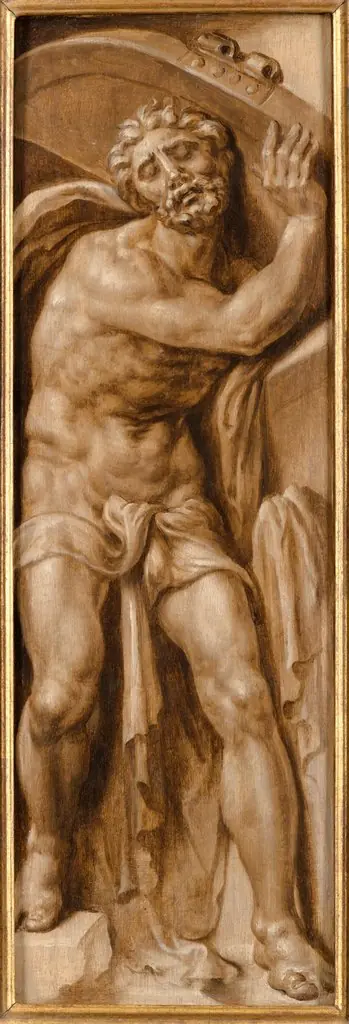 Samson Grasping the Gates of Gaza
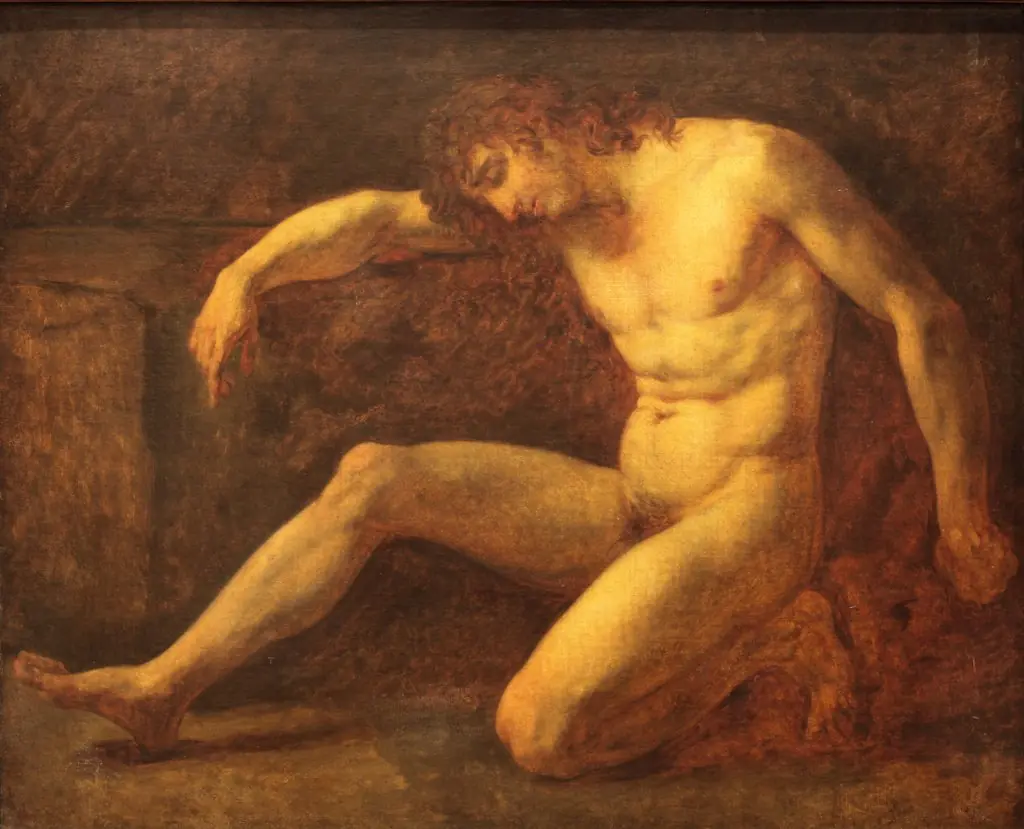 Death of Viala
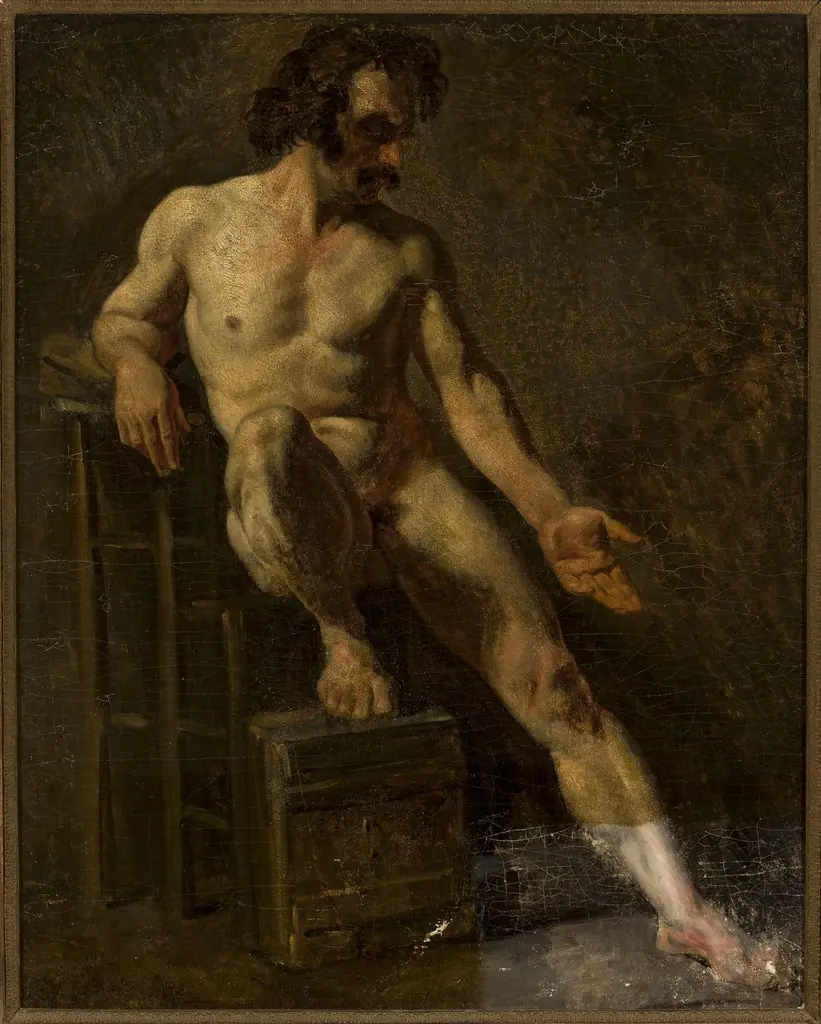 Study of a nude man
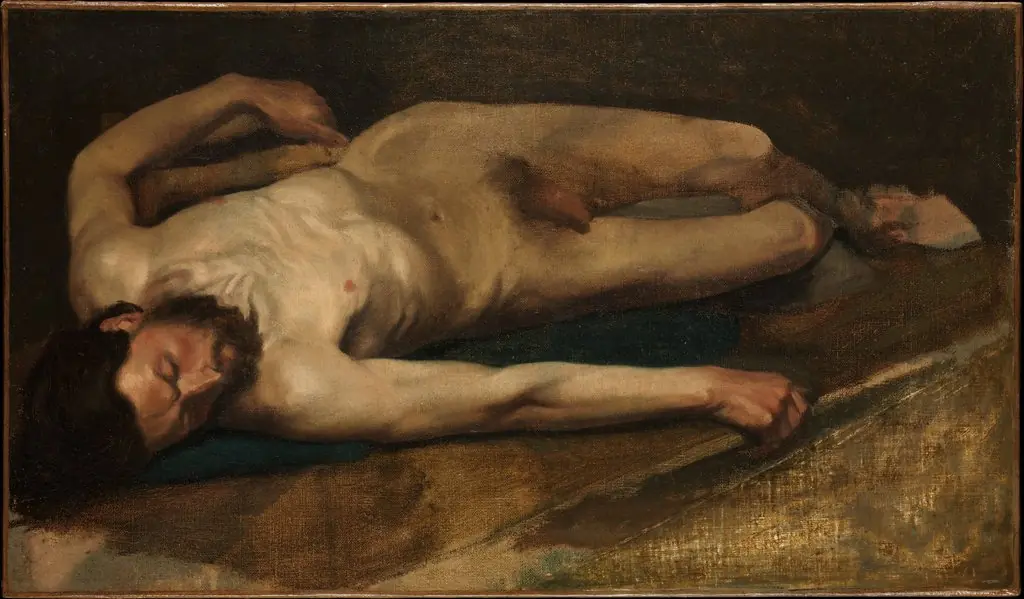 Male Nude
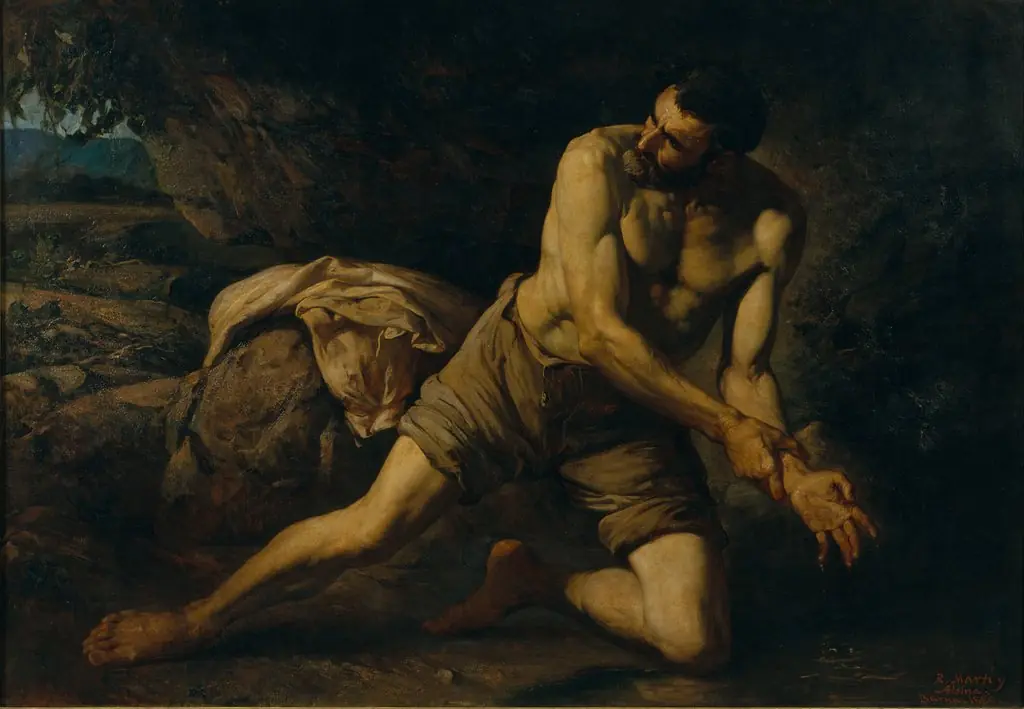 The Criminal. 'The Mark of the Crime'
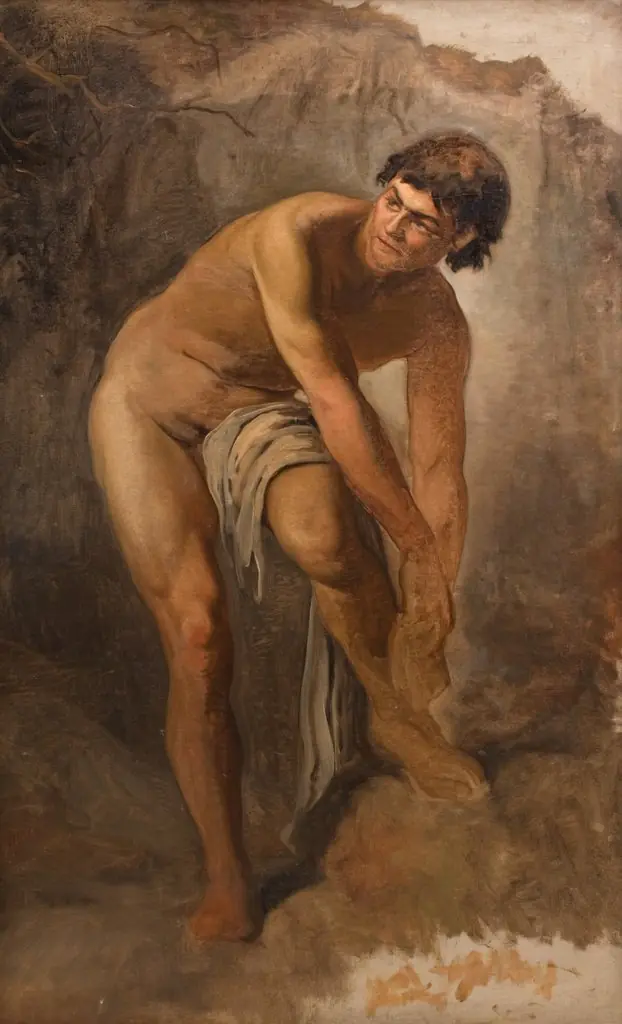 Ung italiensk mandsfigur i klippelandskab
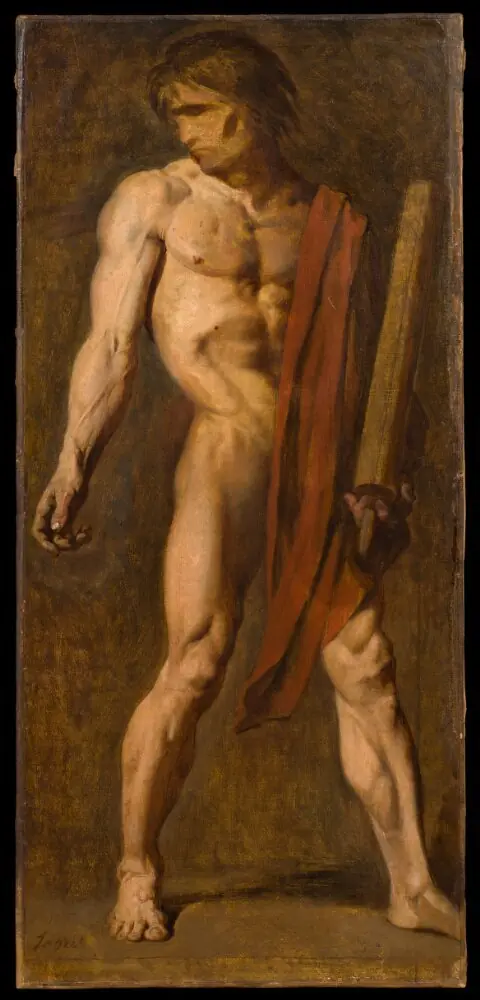 The Martyrdom of St Symphorian. Study
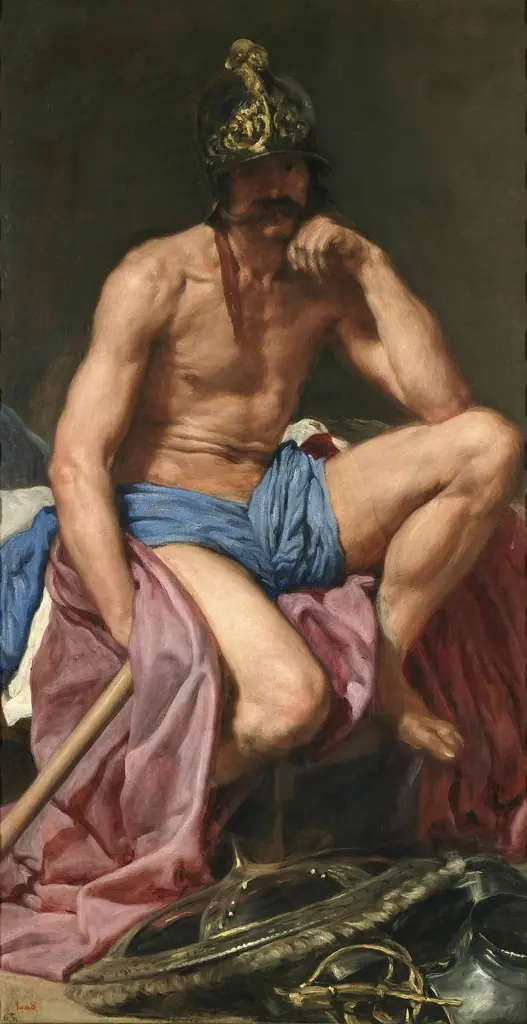 Mars Resting
 Ung italiensk mandsfigur i klippelandskab
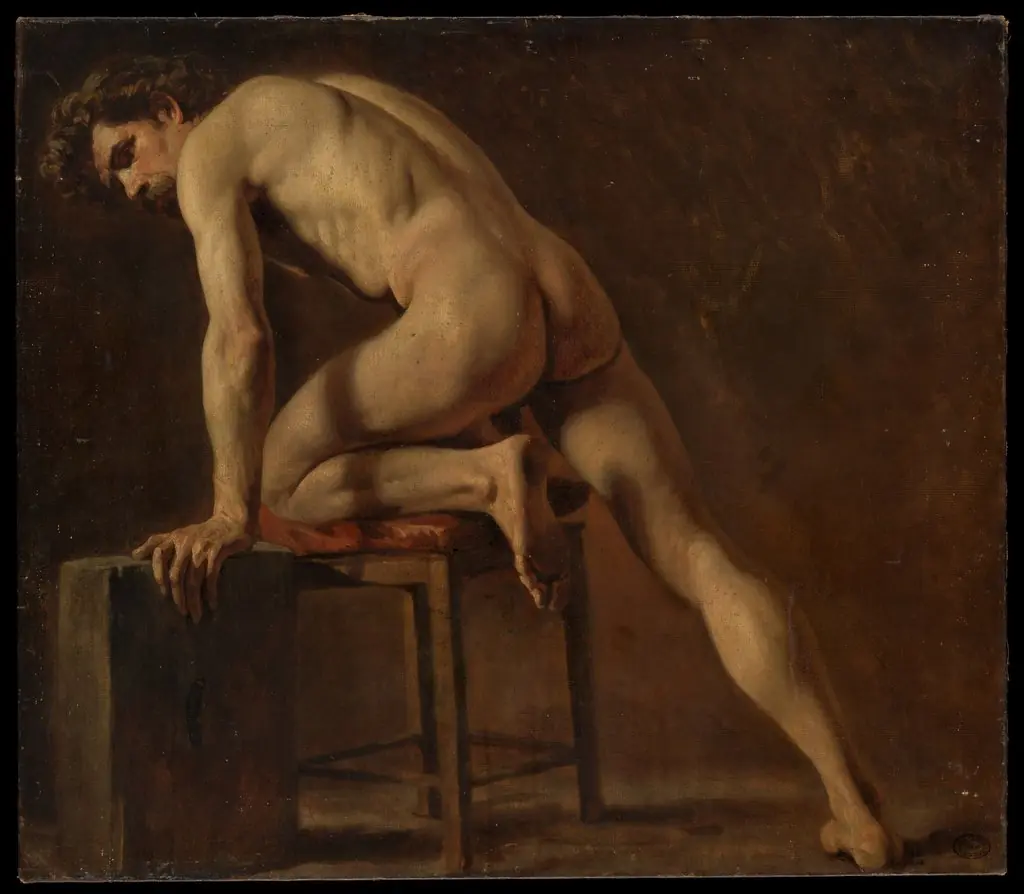 Study of a Nude Man
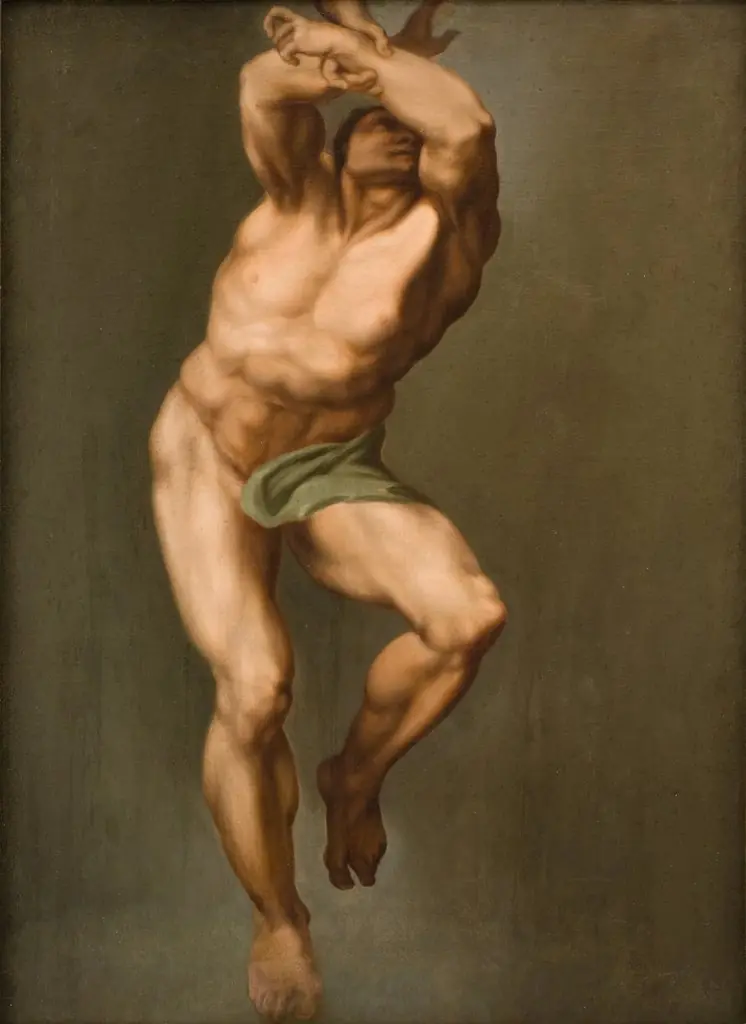 Male Figure. After Michelangelo's "Last Judgement" in the Sistine Chapel