Artwork
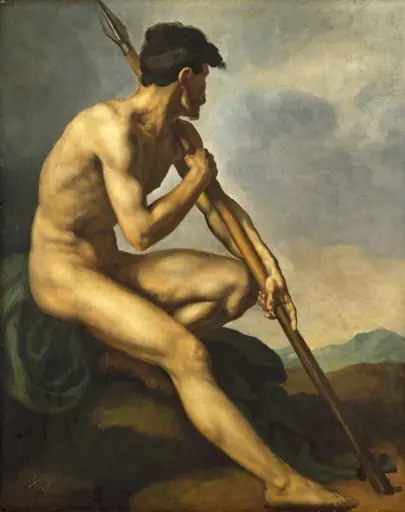
Study of a nude man
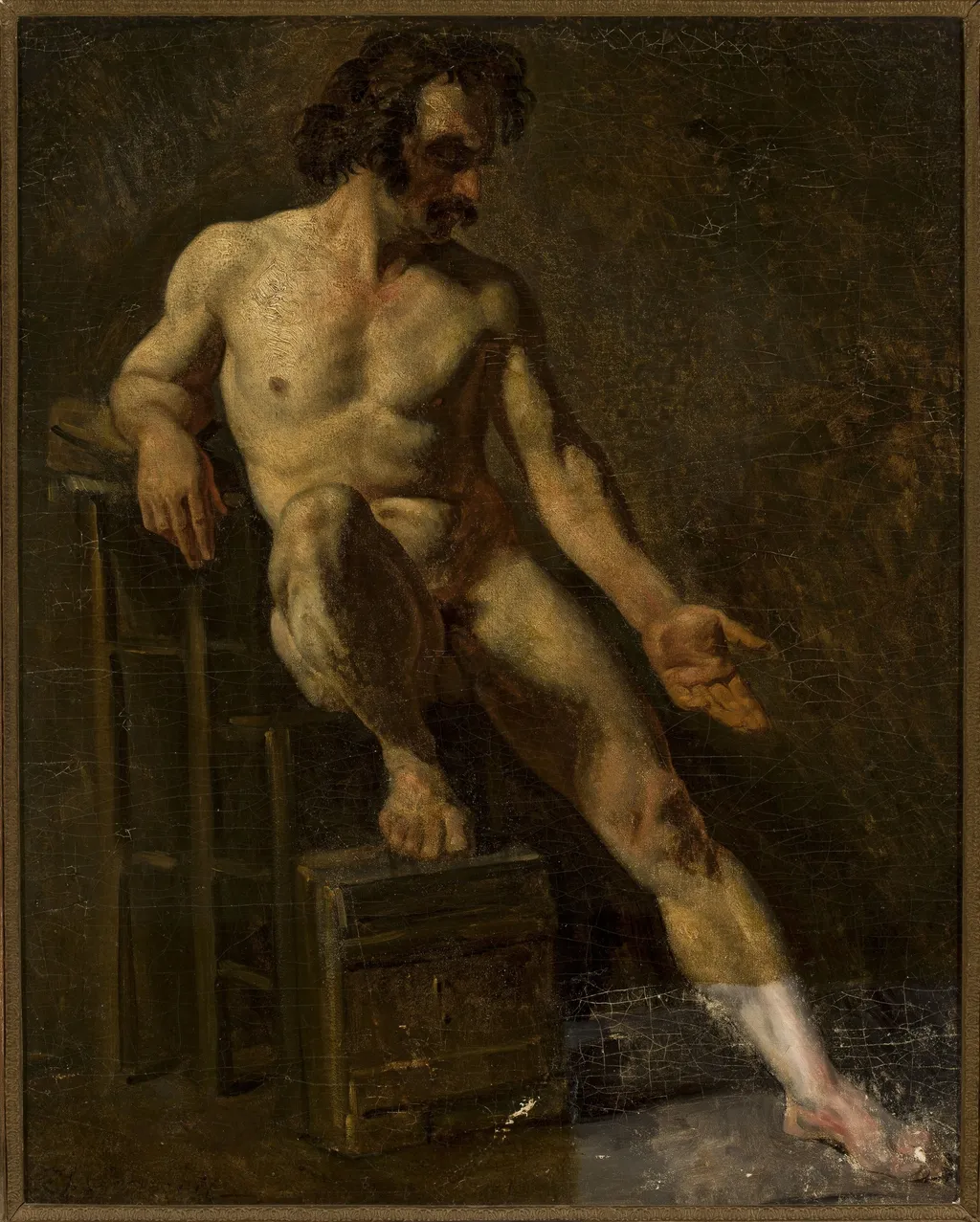
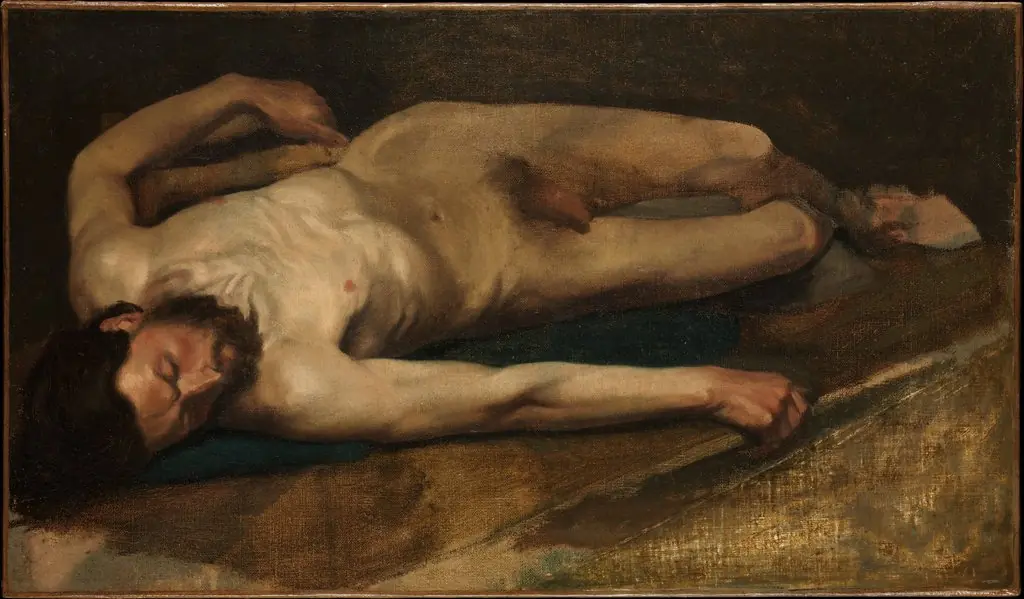
Study of a nude man is an oil painting by Théodore Géricault. It dates from 1817 and is held in the collection of the National Museum in Warsaw.
About this work
Overview
Study of a nude man is an oil painting created by French artist Théodore Géricault around 1817, exemplifying his exploration of the human figure. It is now part of the National Museum in Warsaw's collection.
Subject & Meaning
The painting depicts a seated nude male with distinctive dark, curly hair and a mustache. The subject's pose, with one leg extended and the other bent, conveys a sense of relaxed yet dynamic naturalism.
Technique & Style
Géricault employed chiaroscuro, with strong side lighting casting deep shadows across the figure's face and torso, enhancing the painting's dramatic and volumetric effects against a dark, shadowy background.
History & Provenance
Created circa 1817, this work reflects Géricault's contribution to the Romantic movement. Its current location is the National Museum in Warsaw, though the full provenance history is not detailed here.
Context
As a Romantic pioneer, Géricault's focus on the nude figure in this painting aligns with the movement's emphasis on emotion and the individual, diverging from the more rigid Neoclassical norms of the time.
Legacy
While specific influence of *Study of a nude man* on later artists is not highlighted, it contributes to Géricault's broader legacy in shaping Romantic-era aesthetics through his expressive and technically adept depictions of the human form.
Artist & collection
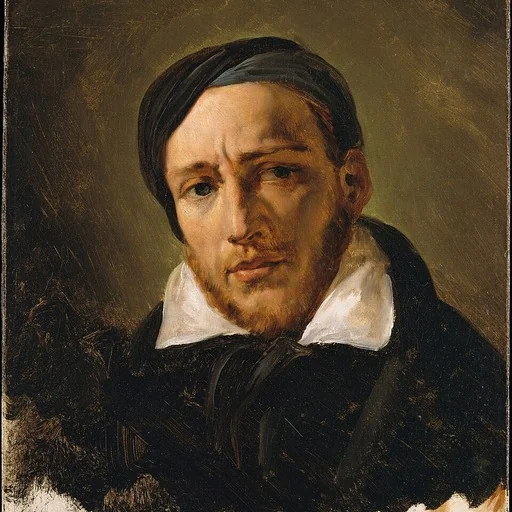
Artist
Jean-Louis André Théodore Géricault (French: ; 26 September 1791 – 26 January 1824) was a French painter and lithographer.