Art Museum
Galleria Borghese

Image: Wikimedia Commons.
Galleria Borghese is an art museum in Roma Capitale, Italy.
About Galleria Borghese
Overview & Identity
The Galleria Borghese is one of the most prestigious art museums in the world, housed within a 17th-century Roman villa on the Pincian Hill. It displays a unique collection of ancient sculptures and Baroque masterpieces, primarily assembled by Cardinal Scipione Borghese in the early 17th century. The gallery comprises twenty rooms distributed across two floors, where many sculptures are displayed in the specific spaces for which they were originally intended, preserving the original curatorial vision of the Cardinal.
History & Founding
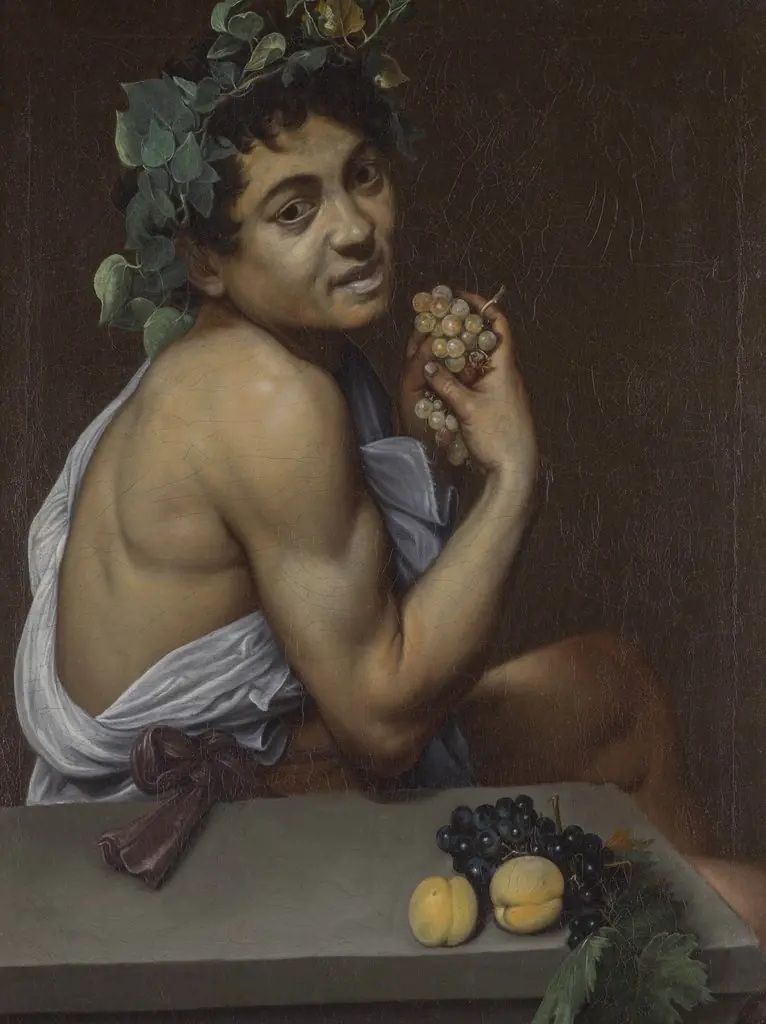
The museum's origins lie with Cardinal Scipione Borghese, an avid art collector and patron whose passion led him to support artists such as Caravaggio and Bernini. The villa was designed as a suburban residence and exhibition space, a 'villa of delights' embodying early Baroque ideals. In 1807, a significant portion of the family's ancient sculpture collection was sold to Napoleon and moved to the Louvre. The Italian state eventually purchased the villa and its remaining collections in 1902, opening it to the public as a national museum.
Building & Architecture
The villa was designed by architects Flaminio Ponzio and Giovanni Vasanzio to serve as both a residence and a venue for displaying art. It represents a true 'villa of delights,' merging elegance with theatricality in the early Baroque style. The building was modified and extended over the years, eventually being sold to the Italian government in 1902 along with the surrounding gardens and parkland. The structure houses twenty rooms across two floors, designed to showcase the collection in a specific architectural context.
Collection Highlights & Notable Holdings
The collection features classical antiquities from the 1st–3rd centuries AD, including a famous statue from 320–330 AD, displayed in the main floor's large hall known as the Salone. The collection also includes the Camera di Cerere, featuring a marble vase. The 'modern' statuary, particularly works by Gian Lorenzo Bernini created between 1615 and 1623, was in constant competition with classical models. The collection was expanded through acquisitions like the Della Porta and Ceuli collections in 1607 and later excavations promoted by Evasio Gozzani di San Giorgio.
Significance & Legacy
The gallery's significance is rooted in the fideicommissum established by Cardinal Scipione Borghese, a legal institution that kept the collection together until the end of the 18th century, ensuring its integrity. A reliable picture of the original collection is provided by the 1650 description of the Villa on the Pincio by Giacomo Manilli. The museum stands as a testament to the artistic grandeur of Rome's past and the enduring legacy of human creativity, having evolved through inheritance, papal politics, and shifting fortunes over centuries.
What to see at Galleria Borghese
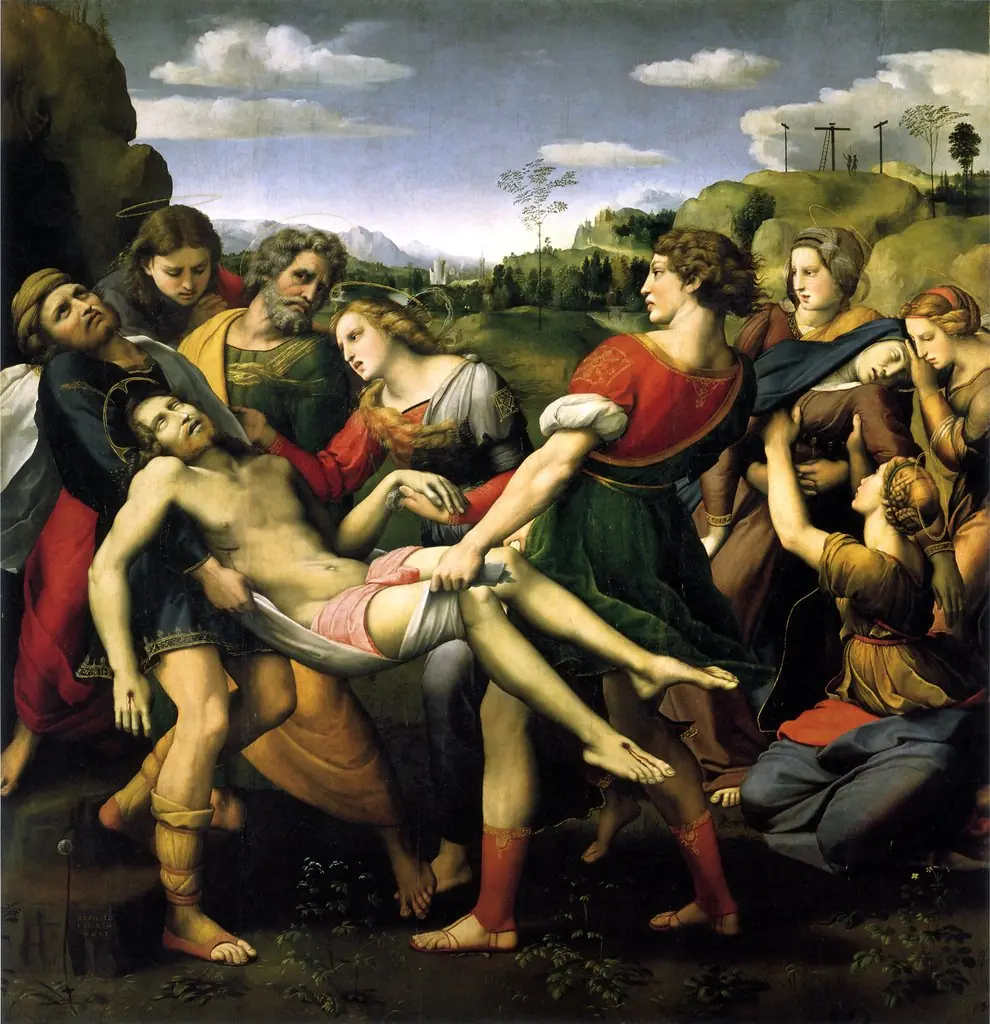
Start with The Deposition by Raphael.
Plan your visit
Galleria Borghese