Artwork
The Butcher's Shop
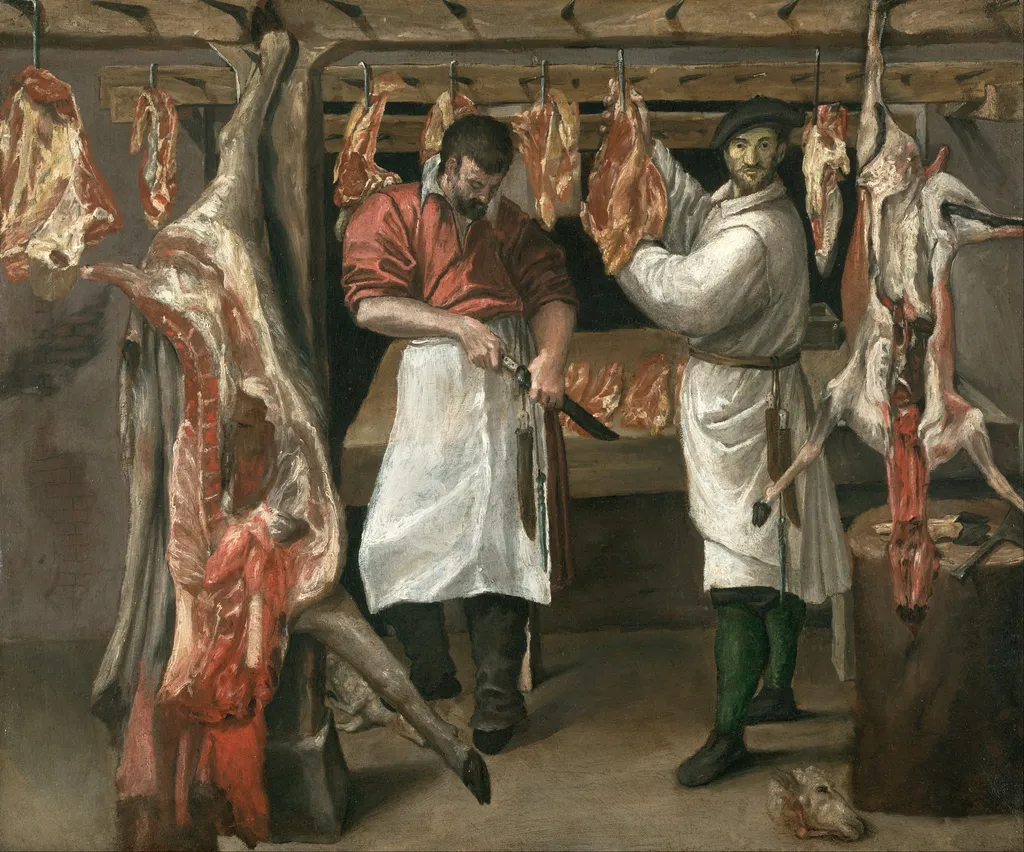
The Butcher's Shop is an oil painting by the Early Baroque Italian artist Annibale Carracci. It dates from 1592 and is held in the collection of the Kimbell Art Museum.
About this work
The use of chiaroscuro in the painting creates a sense of depth and dimensionality, drawing the viewer's eye into the scene.
The Butcher's Shop is a painting by Annibale Carracci, created in 1582. It is an oil painting held at the Kimbell Art Museum.
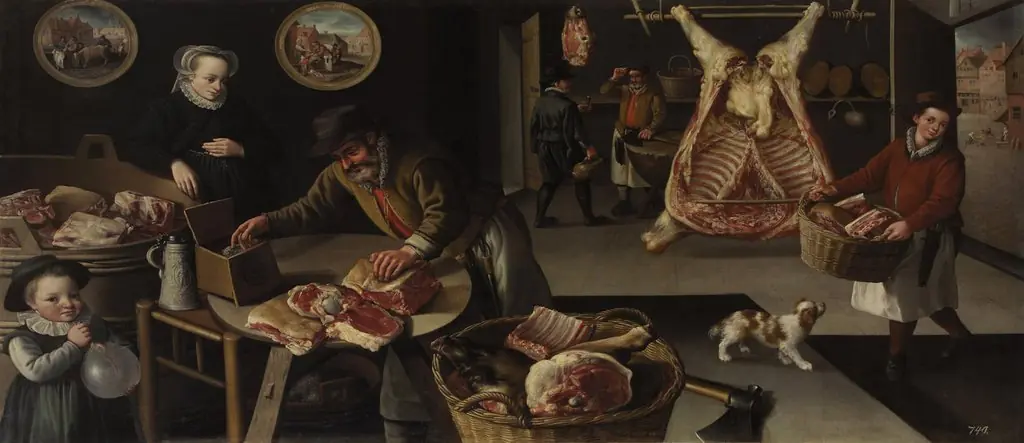
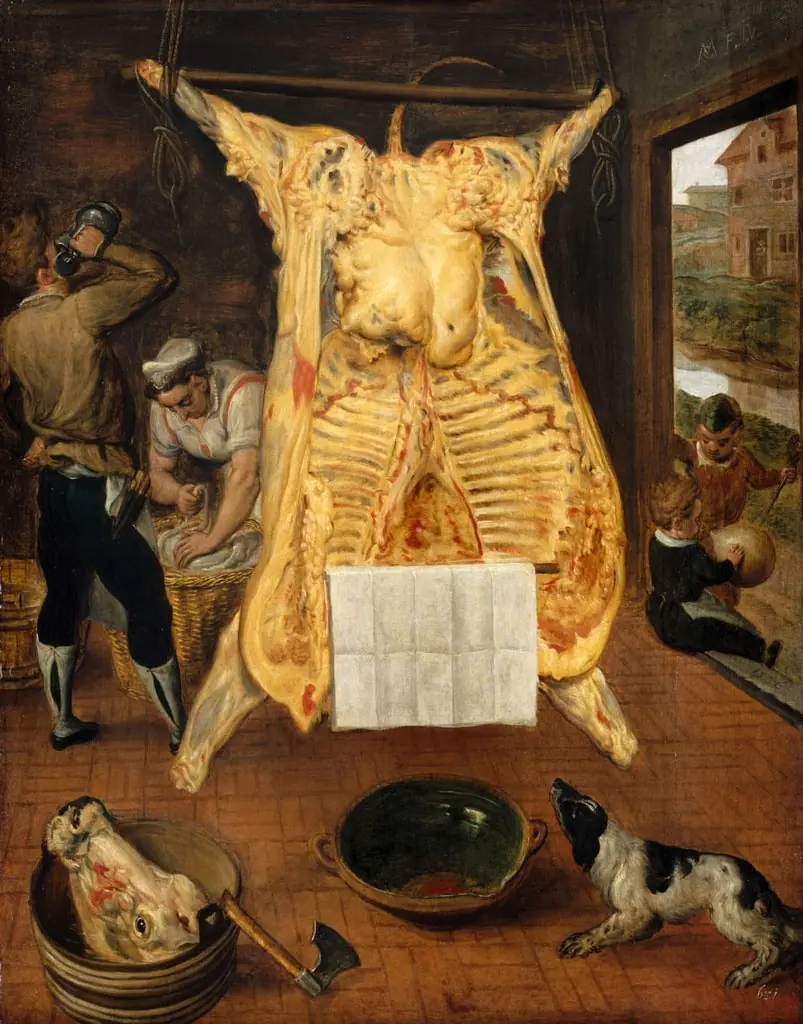
In the painting, a butcher is shown cutting meat in his shop. The butcher is dressed in a red shirt and white apron, and he is holding a large knife in his hand. The meat is hanging from the ceiling, and there are various tools and utensils scattered around the shop. The atmosphere of the painting is one of activity and industry, as the butcher is hard at work preparing meat for sale.
The use of chiaroscuro in the painting creates a sense of depth and dimensionality, drawing the viewer's eye into the scene. The butcher's shop is a common subject in art, but Carracci's depiction of it is particularly vivid and engaging. If you're interested in learning more about the artist, look up Annibale Carracci.
Overview
Painted in 1582 by Annibale Carracci, *The Butcher's Shop* is an oil-on-canvas work that captures a moment of labor in a modest urban tradesman’s environment. It reflects Carracci’s early engagement with everyday subjects, diverging from mythological or religious themes common in his time. The painting resides in the Kimbell Art Museum’s collection, where it stands as a significant example of late 16th-century Italian genre painting.
Subject & Meaning
The scene portrays a butcher at work, engaged in the physical task of preparing meat for sale. His red shirt and white apron mark his trade, while the tools and hanging carcasses suggest a functional, unidealized space. Rather than glorifying labor, the painting presents it with quiet dignity, emphasizing routine and bodily effort. The absence of patrons or customers focuses attention on the worker and his environment, grounding the image in tangible reality.
Technique & Style
Carracci employs chiaroscuro to model forms with subtle gradations of light and shadow, lending volume to the meat, tools, and figures. The composition is tightly packed yet orderly, with diagonal lines guiding the eye from the butcher’s raised knife to the hanging cuts of meat. Brushwork is precise but not overly refined, balancing naturalism with a sense of structural clarity that anticipates Baroque dynamism without theatricality.
History & Provenance
Created in 1582, the painting emerged during Carracci’s formative years in Bologna, before his later work in Rome. It remained in private collections until entering the Kimbell Art Museum’s holdings in the 20th century. Its survival and consistent attribution reflect its early recognition as a distinctive example of Carracci’s genre experimentation, distinct from his more celebrated religious or mythological commissions.
Context
In late 16th-century Italy, genre scenes were uncommon among major artists, who typically favored sacred or classical subjects. Carracci’s choice to depict a butcher’s shop aligned with emerging interest in everyday life, influenced by Northern European models and local Bolognese traditions. This work contributed to a broader shift toward realism, laying groundwork for later Baroque artists who embraced secular themes with renewed vigor.
Legacy
Though not widely reproduced in its time, *The Butcher's Shop* influenced subsequent generations of Italian painters interested in truthful depictions of labor. Carracci’s synthesis of observation and structure helped legitimize genre painting within academic circles. The work remains a touchstone for understanding how classical training could be redirected toward the mundane, expanding the scope of what painting could represent.
Own this work as a print
Artist & collection
Artist
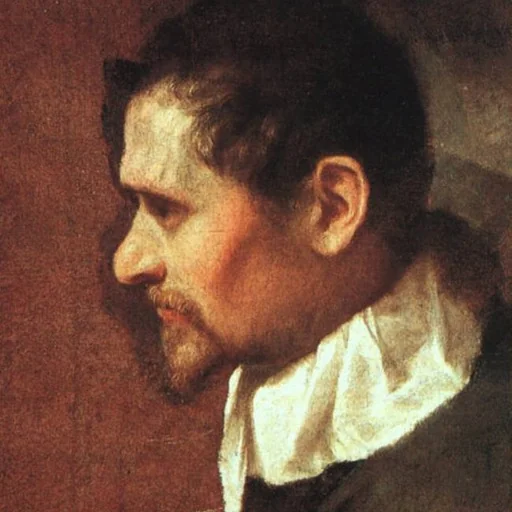
Annibale Carracci ( kə-RAH-chee, UK also kə-RATCH-ee, Italian: ; November 3, 1560 – July 15, 1609) was an Italian painter and instructor, active in Bologna and later in Rome.