Artwork
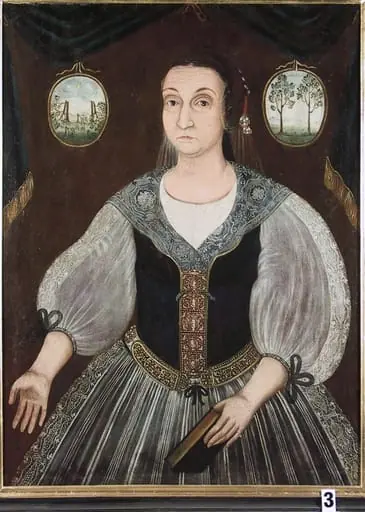
Susanna von Klausenburger născută Adami (În Registrul inventar: Susanna Klausenburger, născută Adamm).
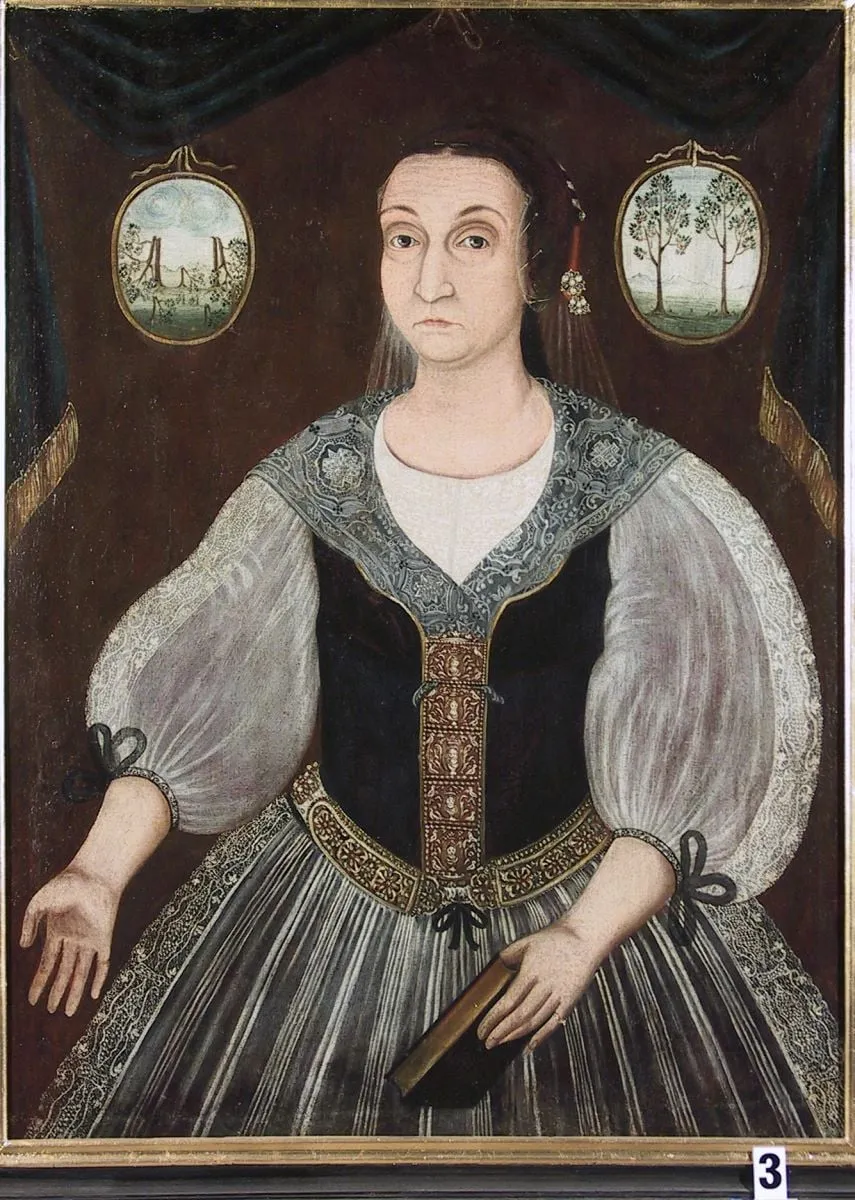
Susanna von Klausenburger născută Adami (În Registrul inventar: Susanna Klausenburger, născută Adamm). is an unspecified painting by the Baroque artist Stephan Adolph Valepagi. It is held in the collection of the Brukenthal National Museum. The work portrays a seated woman dressed in a dark gown with a contrasting white undershirt.
About this work
Overview
The work portrays a seated woman dressed in a dark gown with a contrasting white undershirt. Her arms are extended outward, and she gazes straight ahead with a neutral expression. The composition is framed by a dark brown background and flanked by two small circular panels that contain landscape motifs of trees and scenery.
Subject & Meaning
The sitter, identified as Susanna von Klausenburger née Adami, is presented in formal attire, emphasizing her social status. Elements such as the gold‑belted bodice, lace shawl, and delicate floral adornment suggest a blend of modesty and refined elegance, typical of portraiture intended to convey lineage and personal virtue.
Technique & Style
Rendered with careful attention to texture, the painting contrasts the matte darkness of the dress with the luminous white of the lace and undershirt. Vertical stripes on the skirt and the subtle modeling of the fabric indicate a late‑Baroque or early‑Rococo approach, while the rounded landscape inserts reflect a decorative tradition common in Central European portraiture of the period.
History & Provenance
The portrait is catalogued under the name Susanna Klausenburger, née Adamm, in the museum’s inventory. No further ownership changes are recorded, suggesting the work has remained within the family collection or local institutions since its creation.
Context
Portraits of this type were frequently commissioned among the bourgeois and minor aristocracy of the German-speaking lands in the 18th century, serving both as personal remembrance and as visual affirmation of familial ties. The inclusion of landscape roundels aligns with contemporary practices of integrating symbolic nature scenes into portrait frames.
Artist & collection
Artist
Stephan Adolph Valepagi kept a tiny notebook where he sketched only hands—left hands, right hands, hands holding spoons, hands signing receipts.

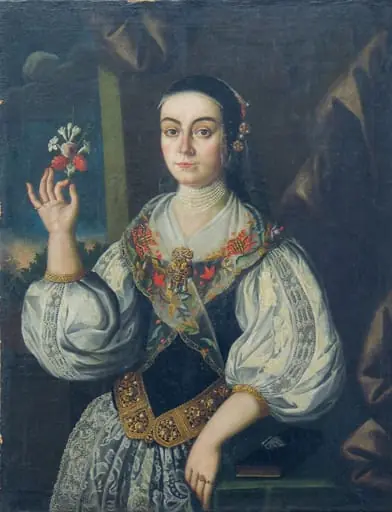 Portret de femeie
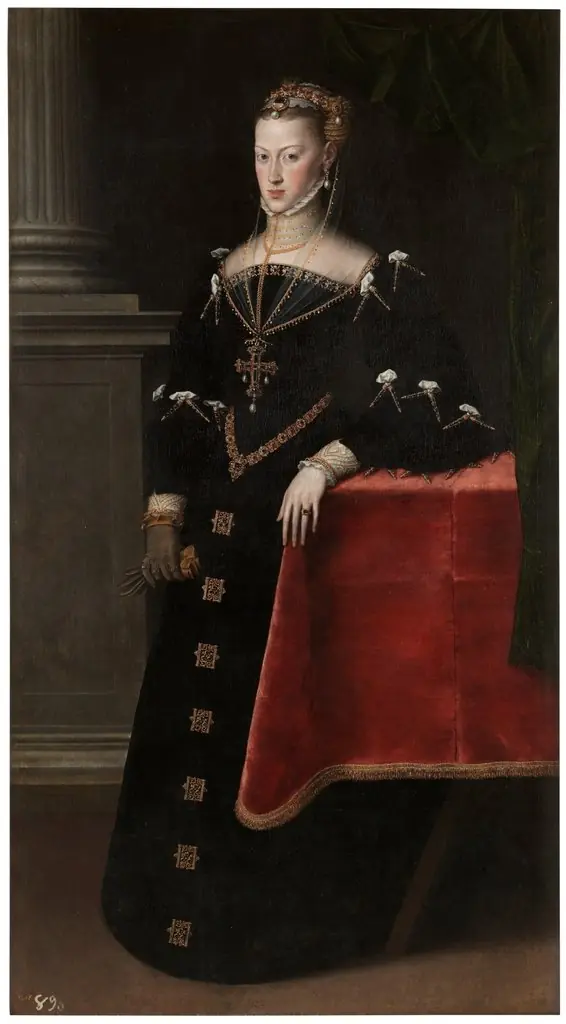 Empress Maria of Austria, Wife of Maximilian II
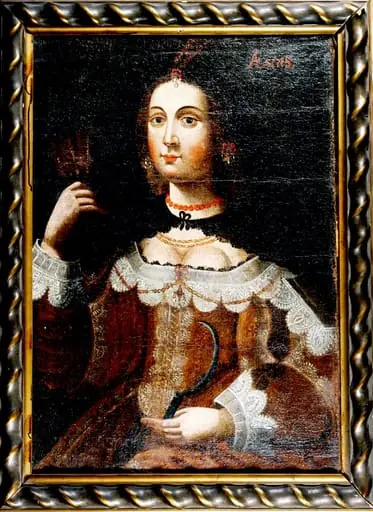 Portret de femeie
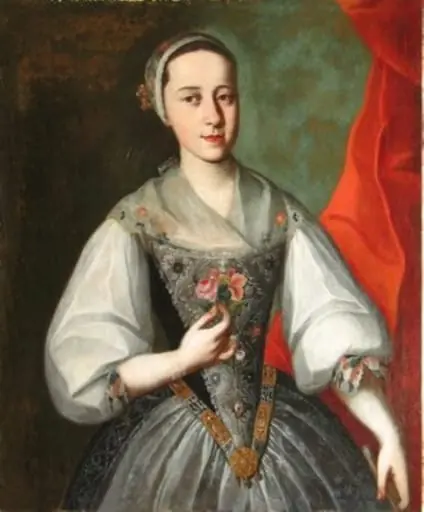 Anna Maria von Huttern
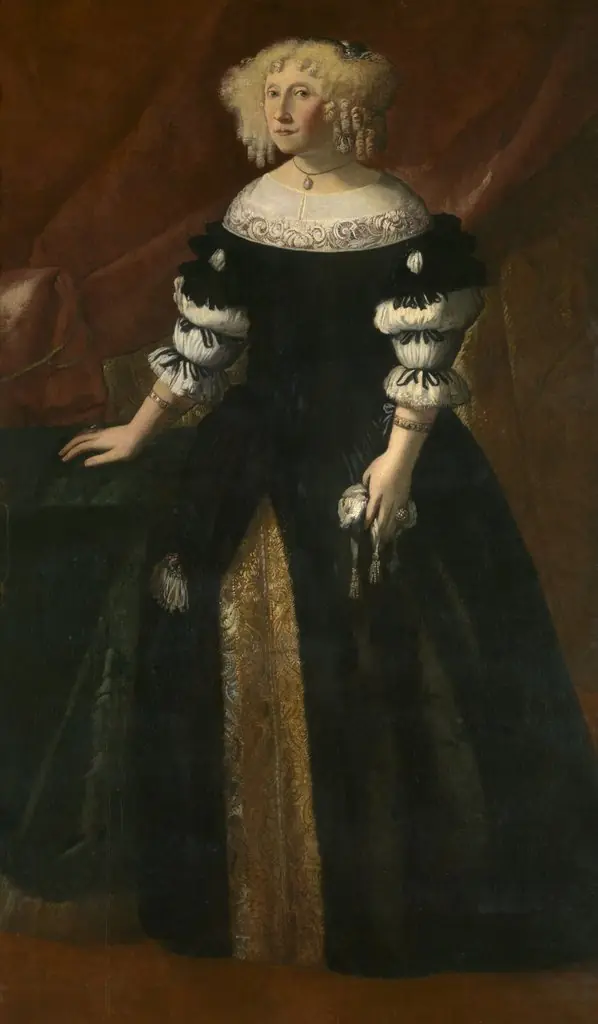 Portrait of a Woman
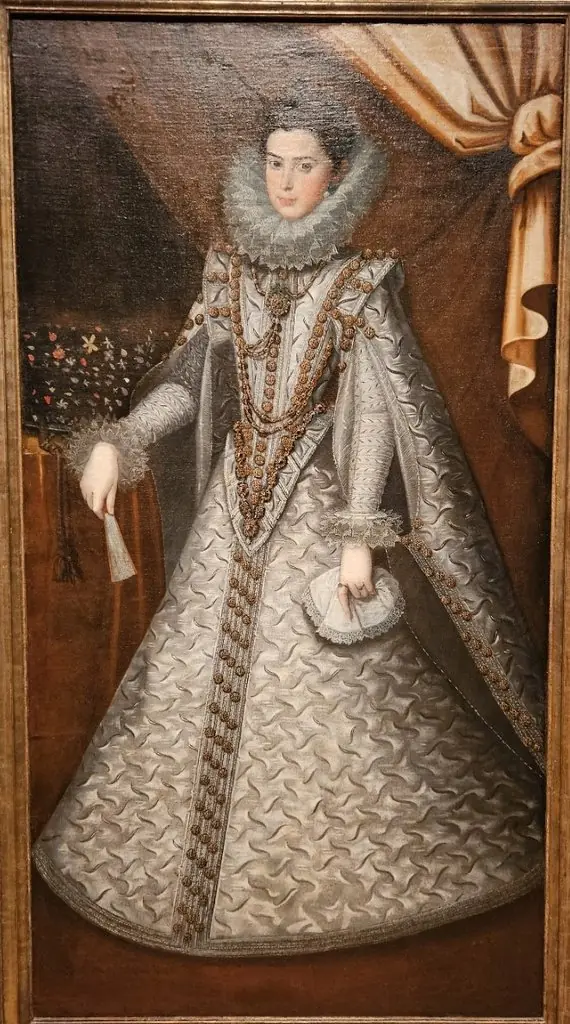 Possível Retrato de Maria Barreto
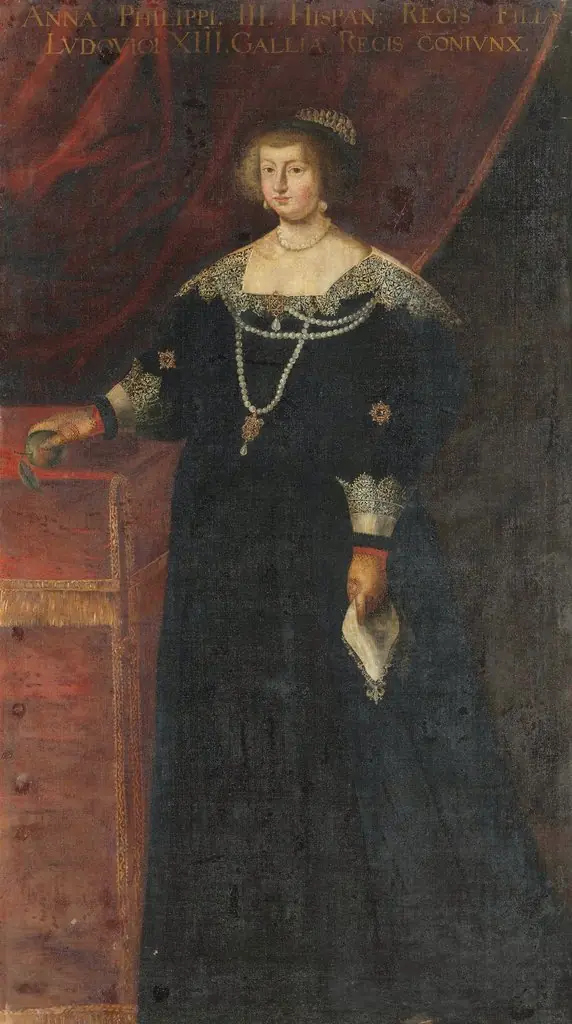 Anna von Österreich (1601-1666)
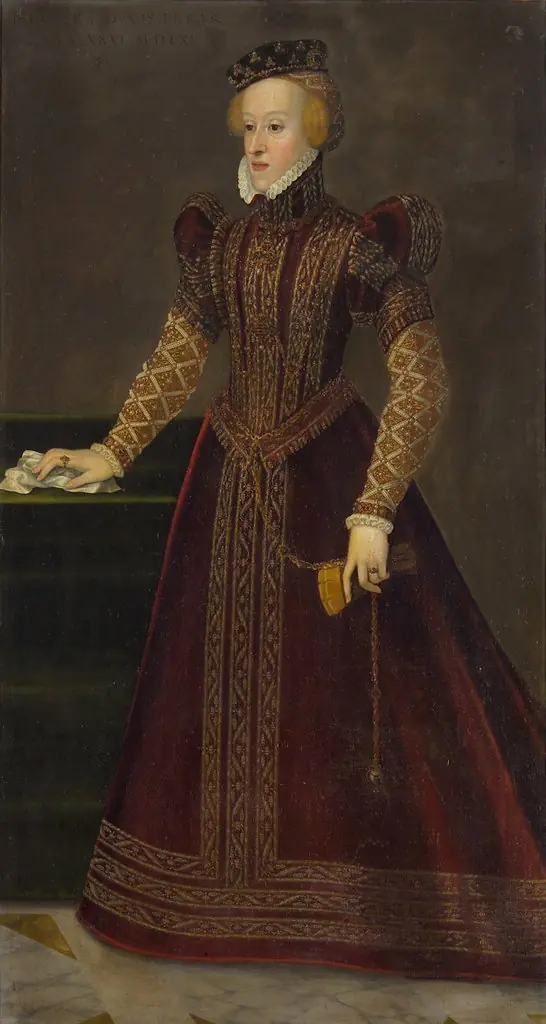 Erzherzogin Barbara (1539-1572), Herzogin von Ferrara in ganzer Figur
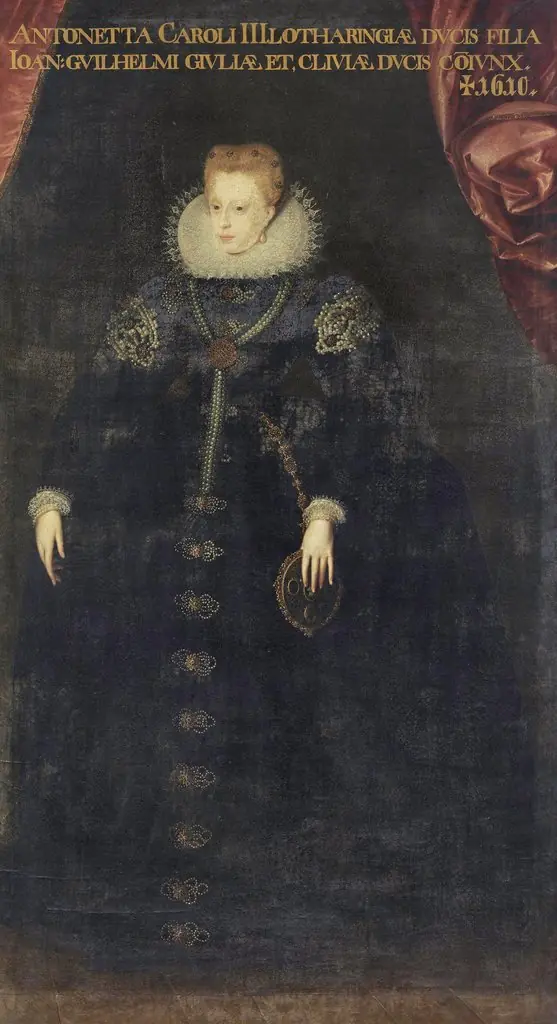 Portrait of Antoinette of Lorraine (1568-1610), Duchess of Jülich-Cleves-Berg
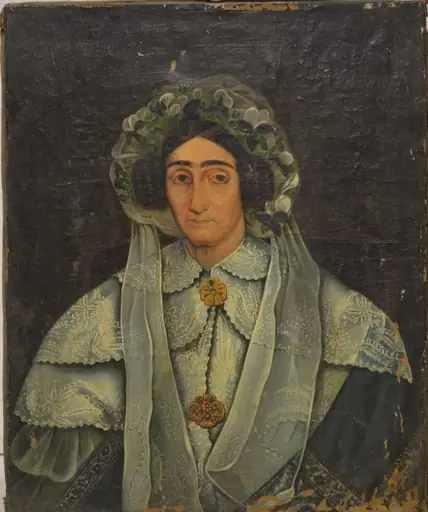 Portret de femeie
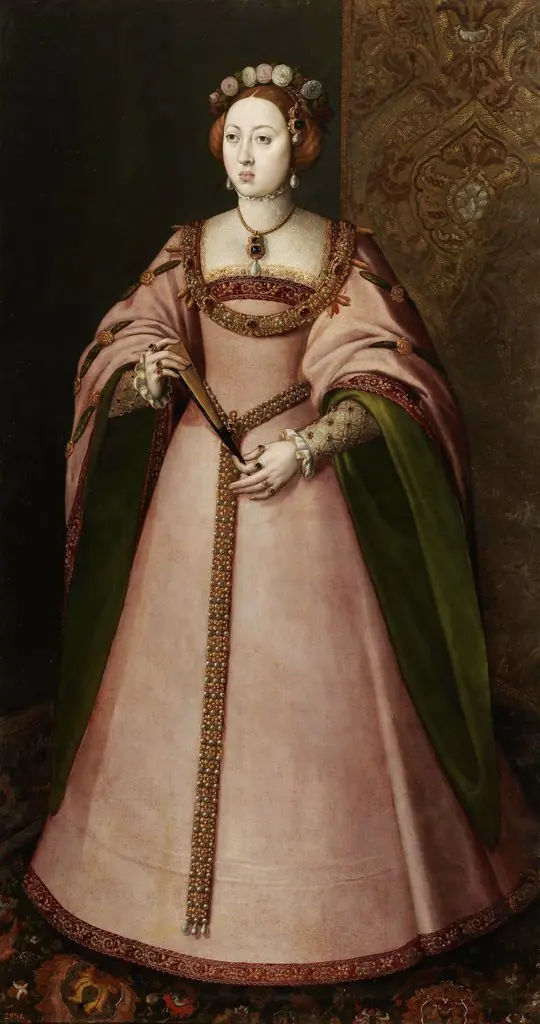 Mary of Portugal (1527–1545)
 Susanna Klausenburger, născută Adammi