Artwork
Triumful Galateei
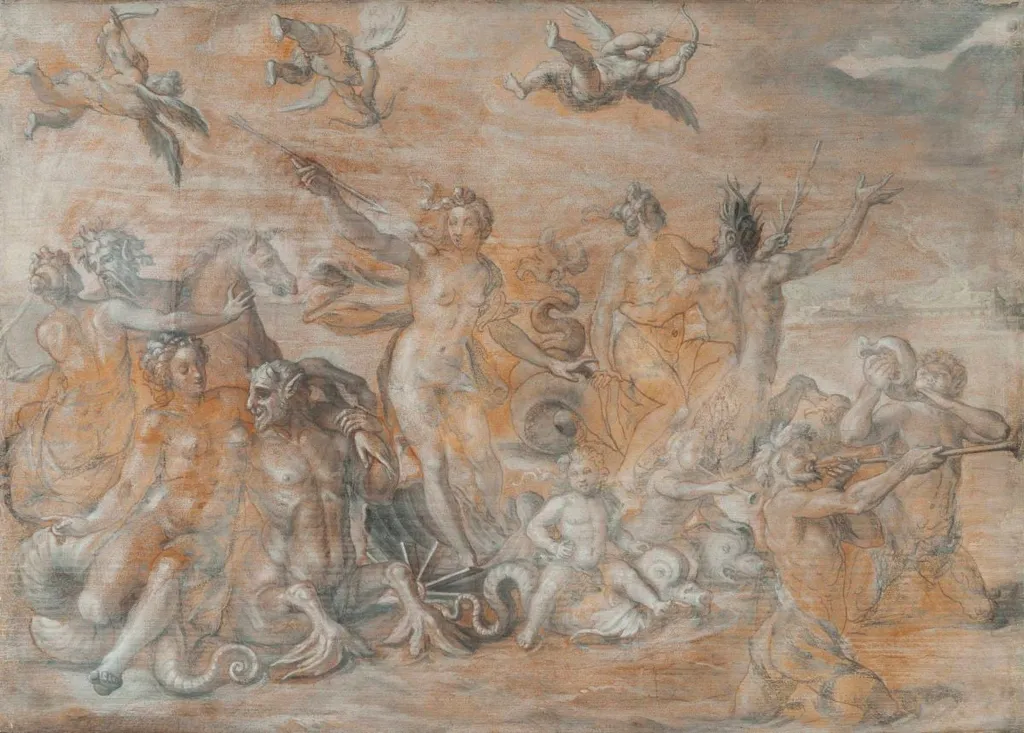
Triumful Galateei is a print by the Mannerist artist anonim italian. It is held in the collection of the National Museum of Art of Romania.
About this work
Overview
The composition is dominated by a central female figure standing on a shell, clutching a spear, while a horned creature lunges beneath her.
Triumful Galateei / Nașterea zeiței Venus (?) is an anonymous Italian work that depicts a densely populated mythological scene. The composition is dominated by a central female figure standing on a shell, clutching a spear, while a horned creature lunges beneath her. Surrounding them are numerous hybrid beings and winged figures in dynamic, tangled poses, rendered in a palette of muted browns and grays.
Subject & Meaning
The central woman is commonly interpreted as Venus, the Roman goddess associated with birth from the sea, suggested by her shell and flowing hair. The chaotic assembly of half‑human, half‑animal forms and the aggressive gestures evoke themes of primordial disorder and the act of creation, hinting at a narrative of emergence from chaos.
Technique & Style
The image relies on strong chiaroscuro, with stark contrasts between illuminated areas and deep shadows that model the figures and heighten the sense of movement. The overall tonal range is subdued, emphasizing texture and form over vivid color, while the crowded composition and exaggerated gestures reflect a baroque sensibility toward drama and theatricality.
History & Provenance
The work is unsigned and its precise date and origin remain uncertain, though stylistic clues place it within the Italian tradition of mythological painting. No documented ownership trail accompanies the piece, and it is currently catalogued under a tentative title that references both a possible Galatian triumph and the birth of Venus.
Context
Mythological subjects featuring Venus emerging from the sea were popular in Renaissance and Baroque Italy, often serving as allegories for beauty, love, or political renewal. The inclusion of hybrid creatures and chaotic movement aligns the piece with contemporary interests in the interplay between the natural and the supernatural, a motif explored by artists such as Titian and Carracci.
Artist & collection


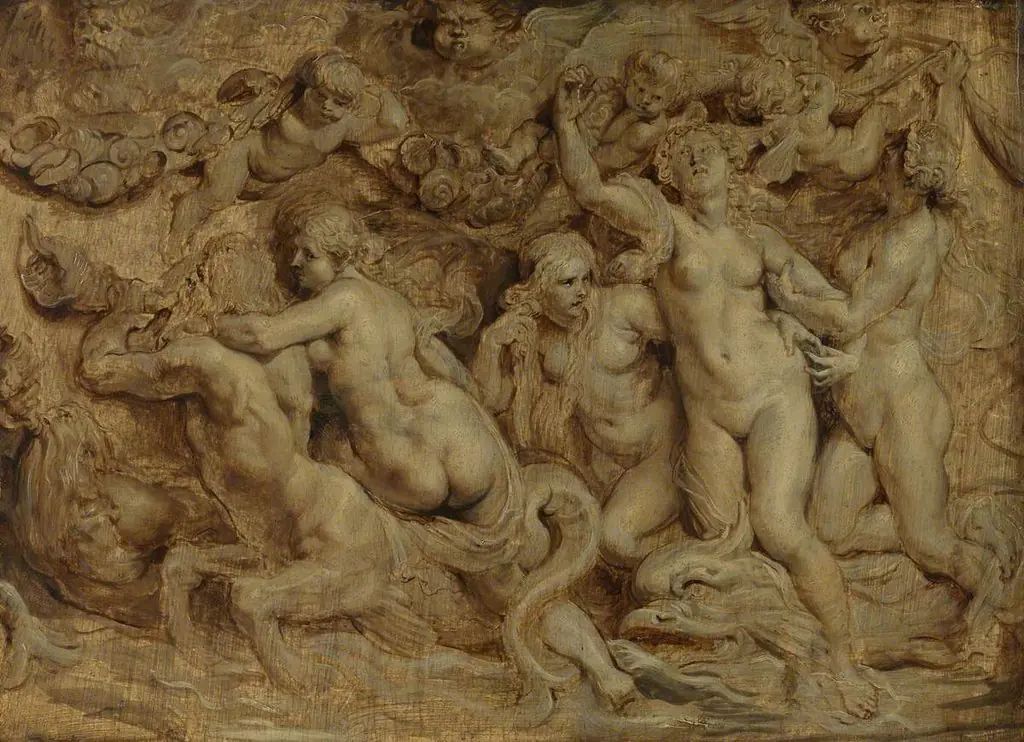 The Triumph of Venus
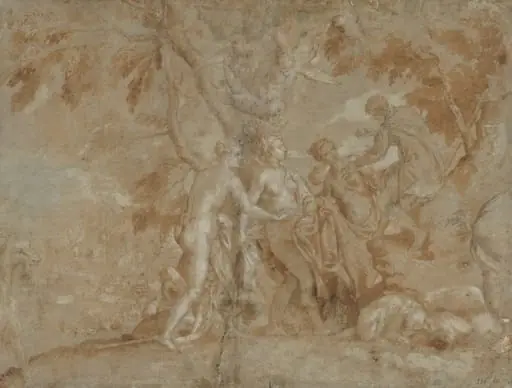 The Judgment of Paris
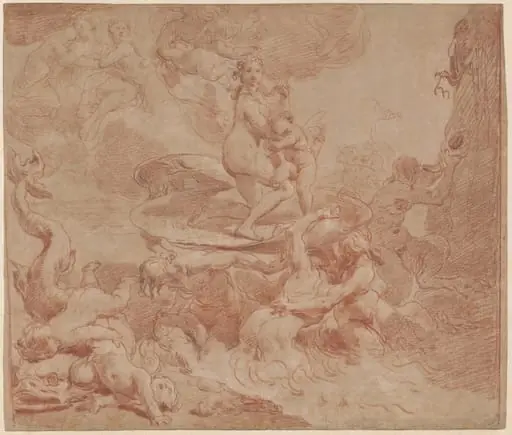 The Birth of Venus
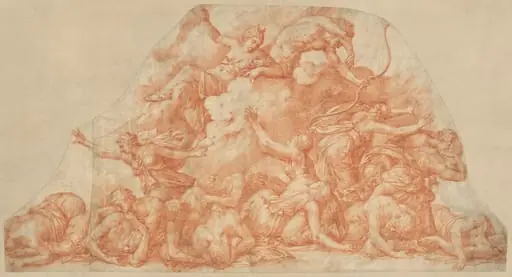 Diana and Apollo Slaughtering the Children of Niobe
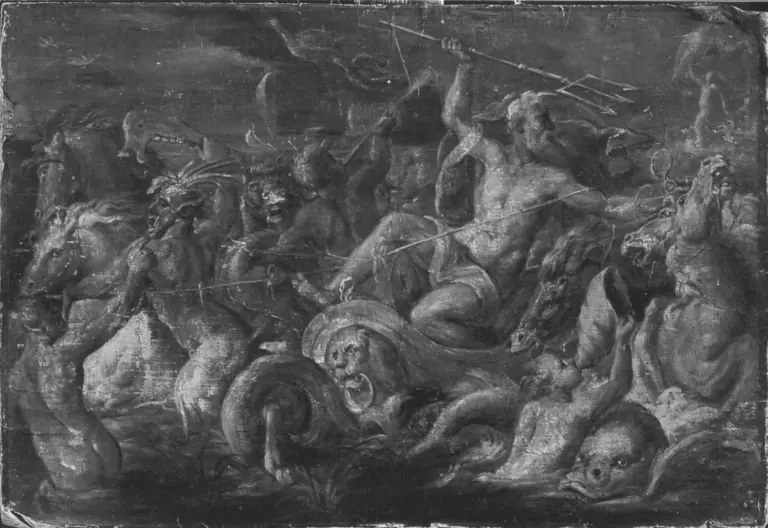 Neptun mit Tritonen (zugeschrieben)
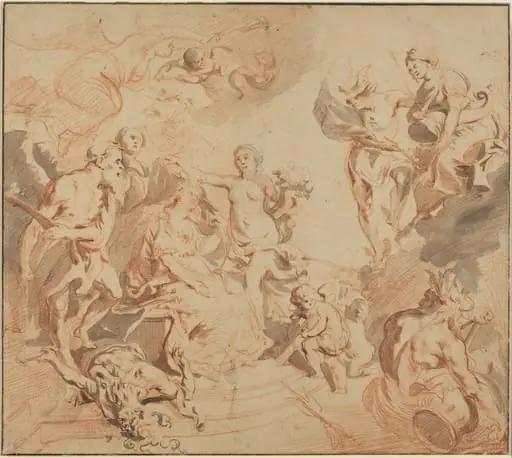 Antwerp Blessed with Abundance
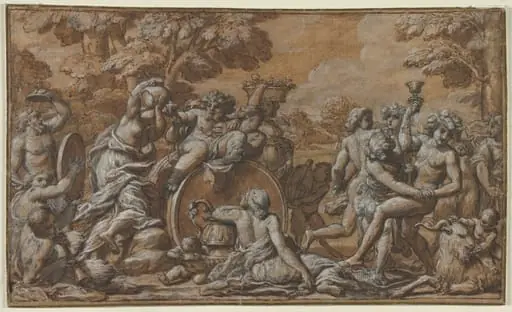 Bacchanal
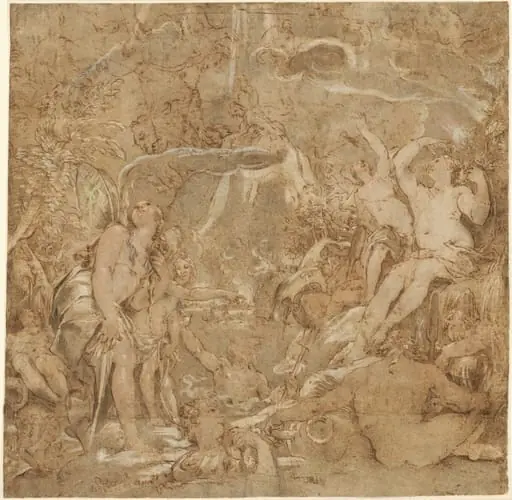 The Daughters of the Po with River Gods
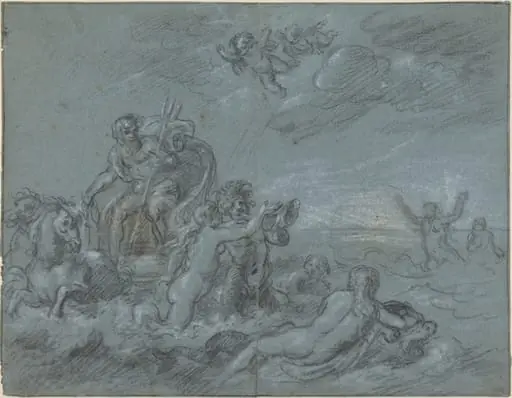 The Triumph of Neptune
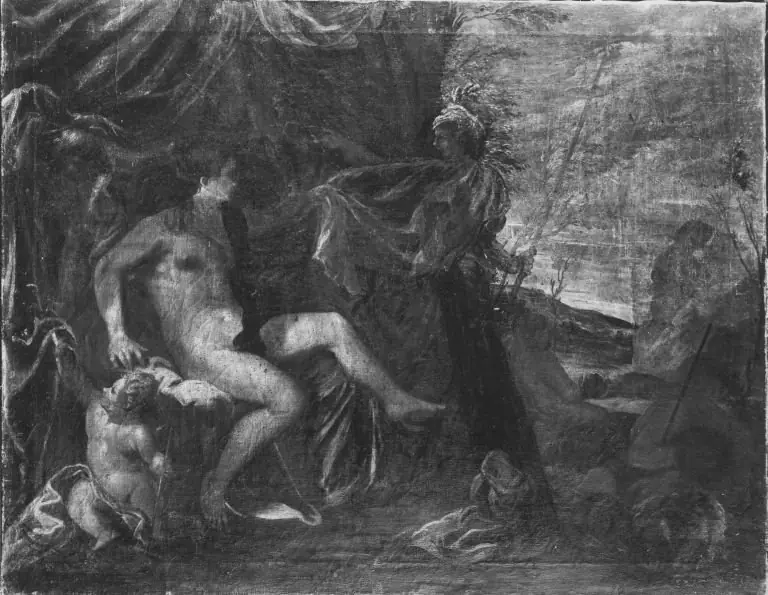 Venus und Adonis (zugeschrieben)
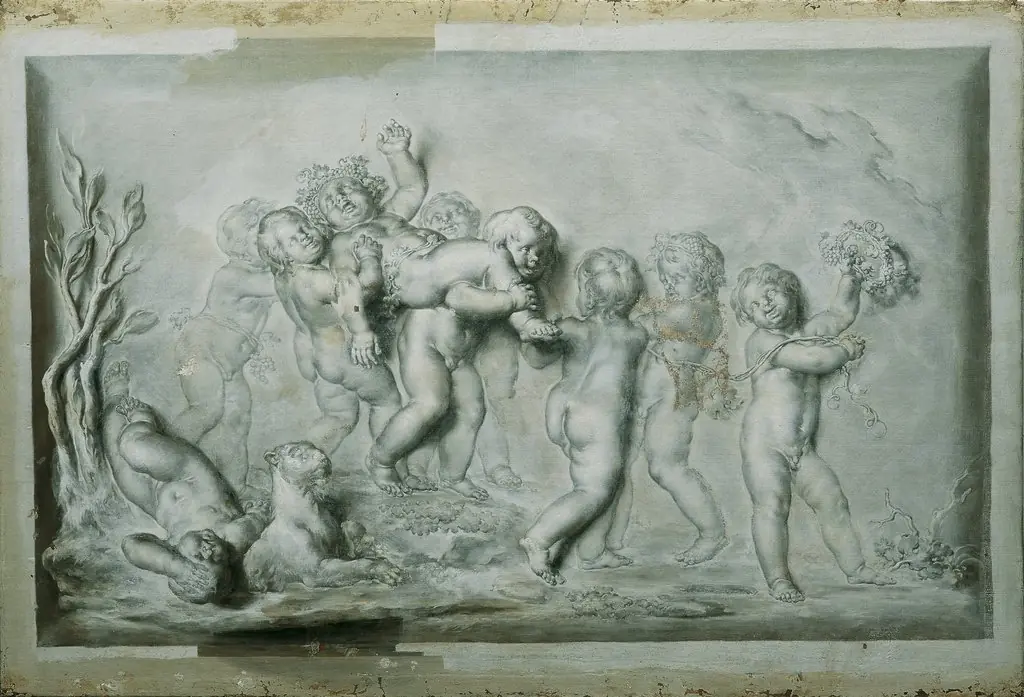 Kinderbacchanal
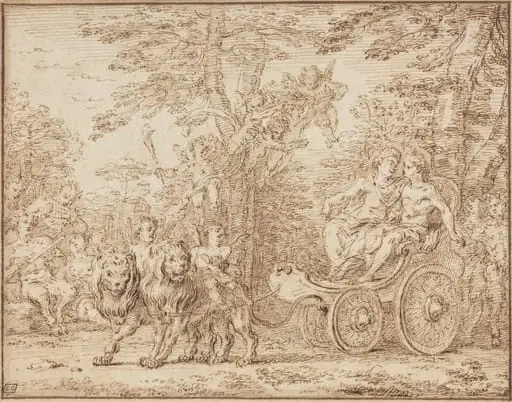 The Triumph of Marriage