Artwork
Faustulus cu Remus și Romulus
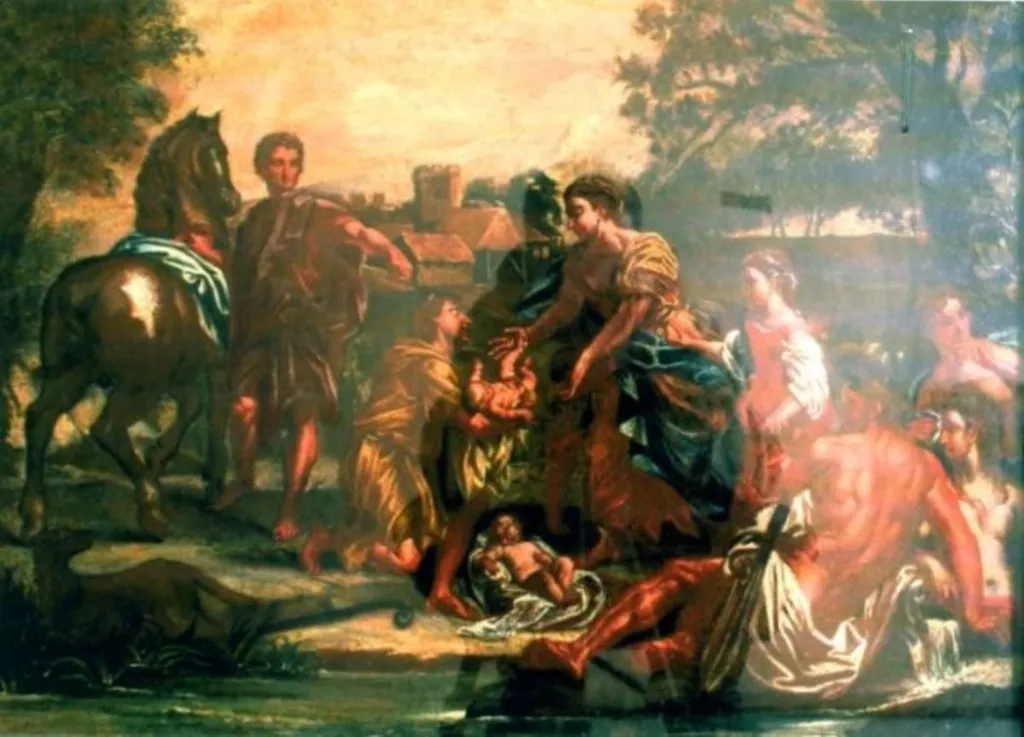
Faustulus cu Remus și Romulus is an unspecified painting by anonim italian. It is held in the collection of the Romanian Academy in Bucharest.
About this work
Overview
This painting depicts a mythological scene set in a natural landscape, rendered with loose, energetic brushwork and a palette dominated by earth tones. The composition centers on a horseback rider and a woman cradling an infant, surrounded by other figures. Warm hues and fluid strokes convey motion and vitality, distinguishing it from more rigid historical treatments of the same subject.
Subject & Meaning
The scene illustrates the legend of Faustulus discovering the infant Romulus and Remus, raised by a she-wolf before founding Rome. The woman holding the baby likely represents the wolf or a foster figure, while Faustulus, mounted, is the shepherd who finds them. The narrative emphasizes divine intervention and the humble origins of Rome’s founders.
Technique & Style
The artist employs expressive, unrefined brushstrokes that suggest movement rather than precise detail. Colors are muted yet warm—ochres, browns, and soft greens—anchoring the scene in a naturalistic world. The loose handling of forms and lack of sharp definition create a sense of immediacy, aligning the work with late 19th-century naturalist tendencies.
History & Provenance
The painting resides in the Museum of Ethnography, suggesting its acquisition was tied to cultural or national identity projects rather than fine art collections. Its presence there implies it was valued for its depiction of foundational myth, possibly used to illustrate popular narratives of Romanian heritage during the late 1800s.
Context
Created during a period of rising national consciousness in Romania, the painting reflects efforts to visualize foundational myths as part of cultural identity. Similar subjects were common in Eastern European art of the time, where ancient legends were reimagined to affirm modern nationhood through visual storytelling.
Legacy
Though not widely known outside regional collections, the work contributes to a broader 19th-century trend of mythological painting in Eastern Europe. Its stylistic choices—emphasizing emotion over idealization—mark it as part of a shift toward more personal, less academic interpretations of historical narrative.
Artist & collection
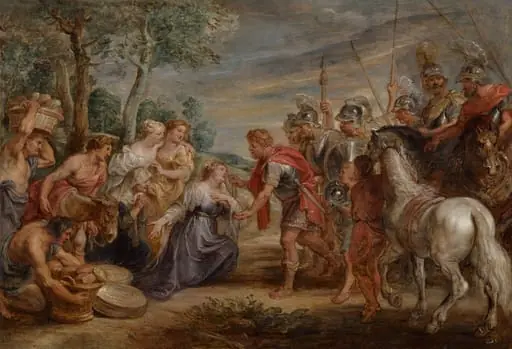 The Meeting of David and Abigail
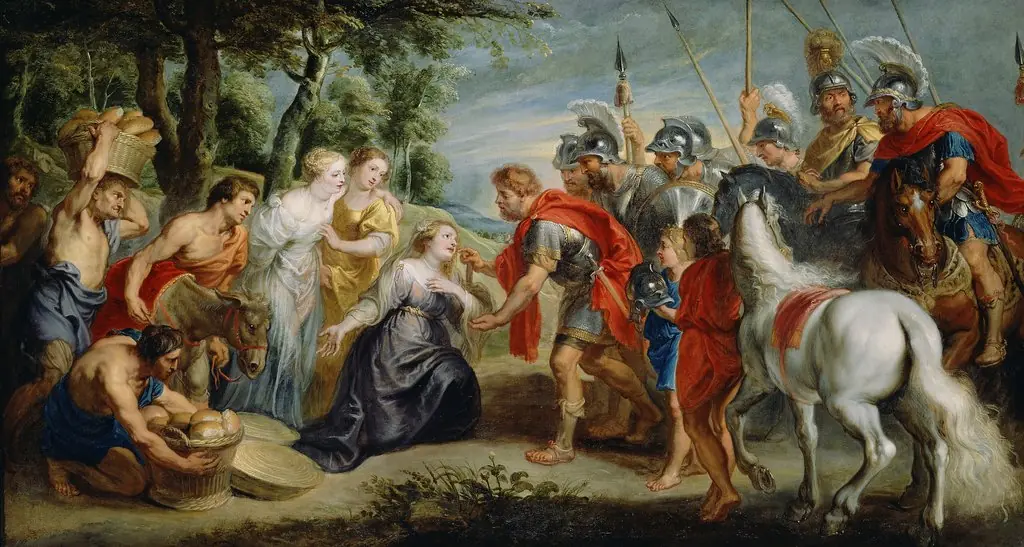 David Meeting Abigail
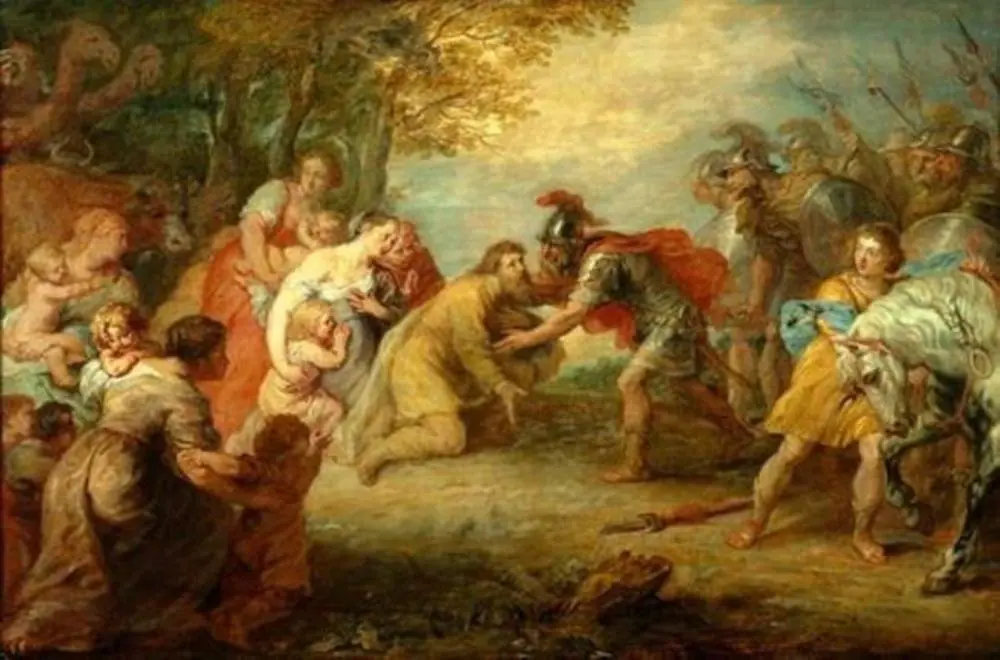 The reconciliation of Jacob and Esau: Esau runs to meet Jacob and kisses him (Genesis 33:3-4)
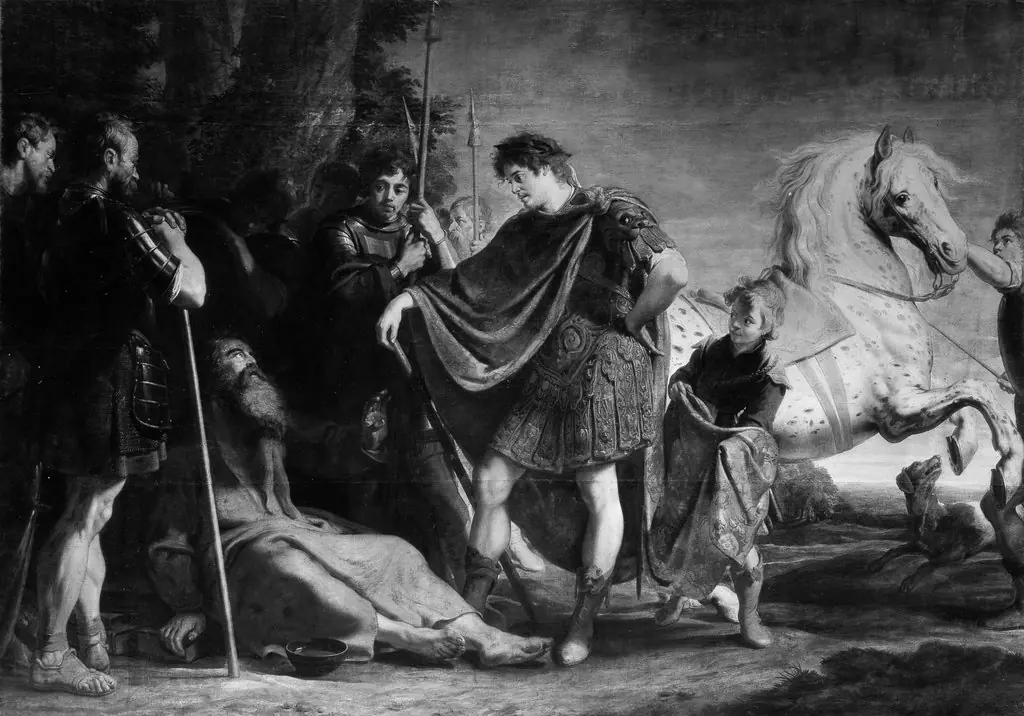 The Meeting of Alexander the Great and Diogenes
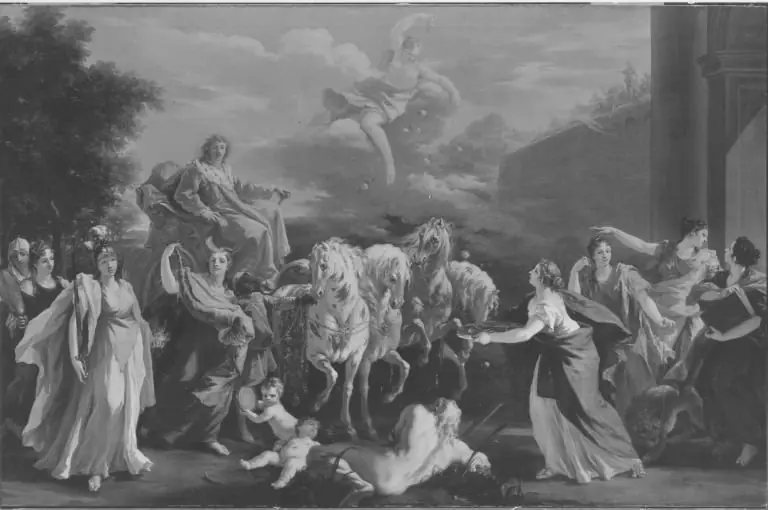 Einzug des Kurfürsten Johann Wilhelm von der Pfalz
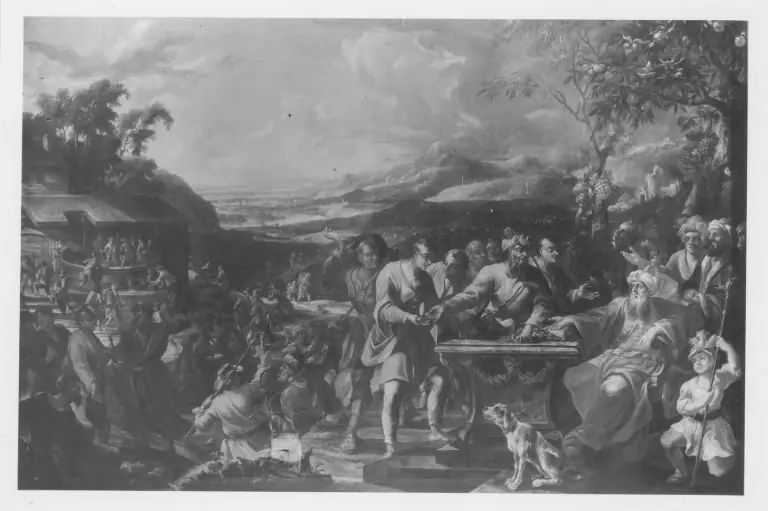 Gleichnis von den Arbeitern im Weinberg
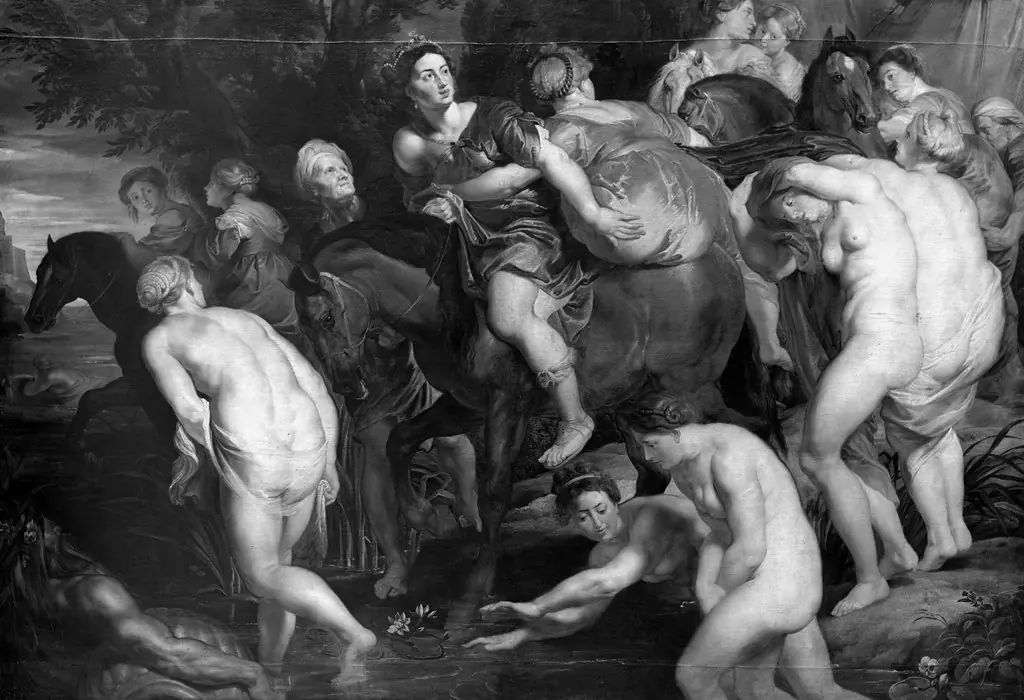 The escape of Cloelia
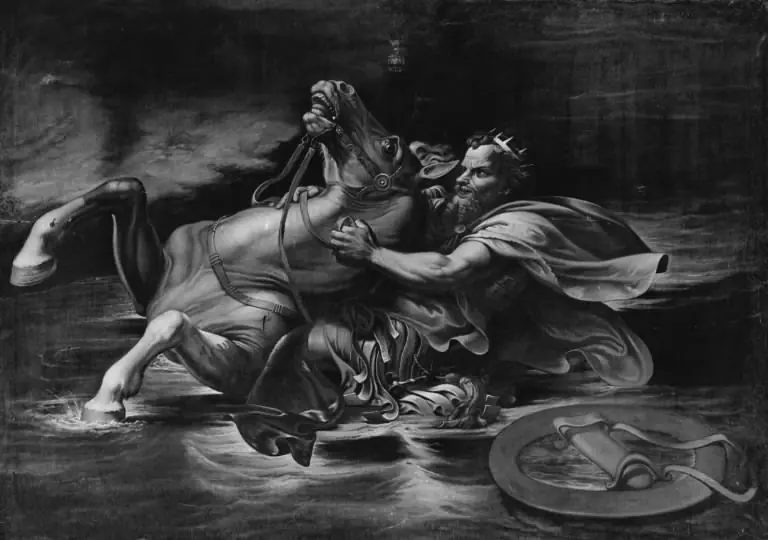 Maxentius
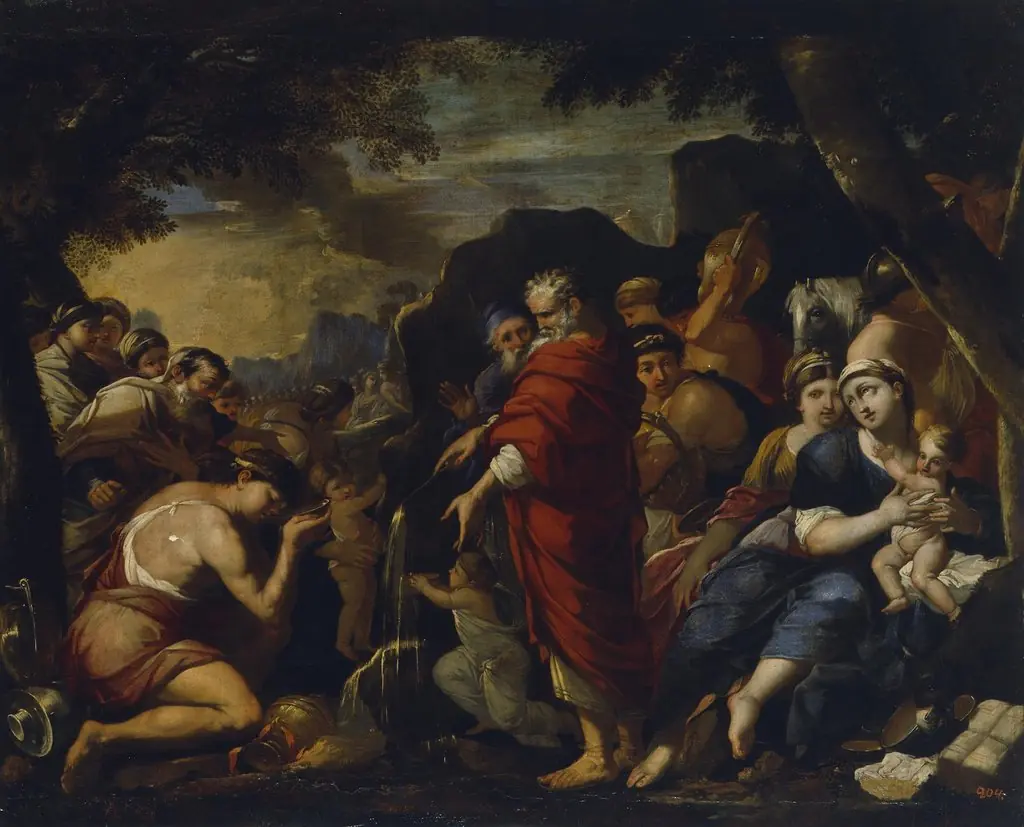 Moses Striking the Rock
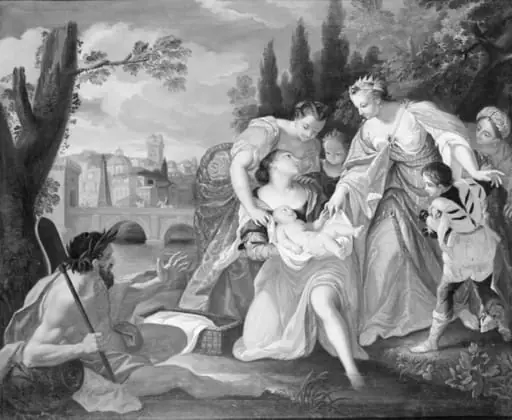 Moses findes i Nilen af Faraos datter
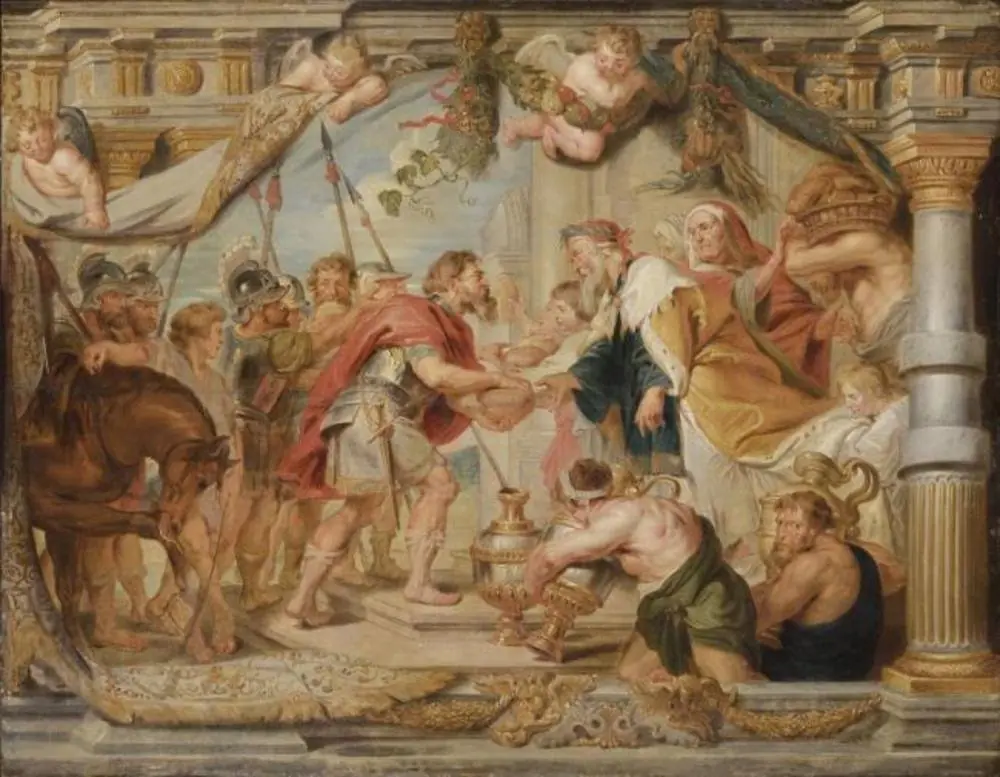 The Meeting of Abraham and Melchizedek